

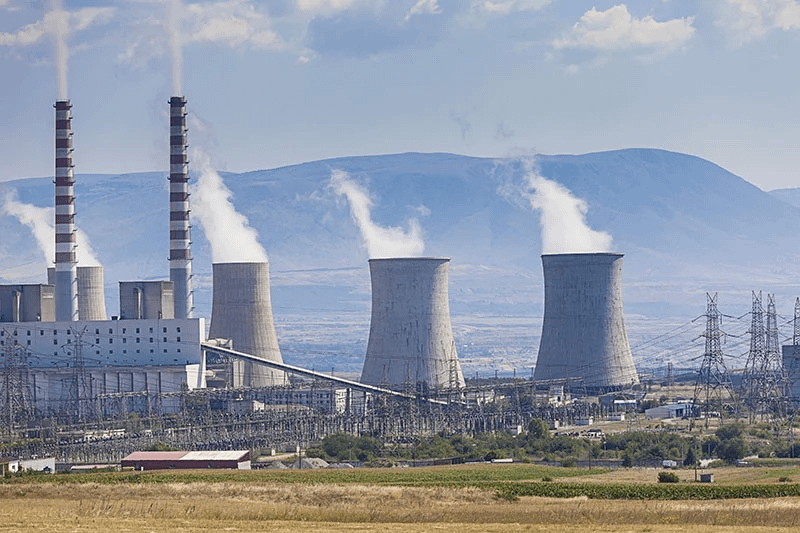
European electricity prices are entering winter at their highest levels since the regional energy crisis: rising natural gas prices and supply disruptions linked to the war in Iran are putting pressure on energy markets, Bloomberg reports.
Wholesale electricity prices in Germany for delivery in January are trading above €180 per megawatt-hour on the European Energy Exchange—more than 60% higher than a year ago.
Natural gas remains the main driver of growth: Europe is struggling to replenish storage amid intensifying competition for supplies. The closure of the Strait of Hormuz has cut off shipments from Qatar, increasing pressure on the market, which is becoming ever more dependent on imported liquefied natural gas.
Additional pressure this year is coming from reduced output at France’s nuclear power plants due to heat and strikes, as well as low hydropower reservoir levels.
Price increases may lead to higher electricity bills for households and businesses, and also intensify inflationary pressure. Household electricity bills in the UK are forecast to rise by 25% in January, although the impact on Europe overall will vary depending on government support and the hedging policies of utility companies.
Europe is in a better position than during the 2022 energy crisis, when wholesale electricity prices exceeded €1,000 per megawatt-hour. The region expanded LNG import infrastructure, reduced fuel consumption, and diversified suppliers, lowering the risk of a shortage.
Rising wholesale prices could benefit European power producers. According to Jefferies estimates, the profits of RWE, Engie, and EDP Renewables next year may be 10% higher than current forecasts.
The development of renewable energy has also helped curb price growth. According to Baringa estimates, this summer wholesale prices in Europe would have been 30% higher without solar capacity commissioned since 2021.
Winter poses a more serious challenge: solar generation falls, and during cold, windless weather, dependence on gas-fired generation increases.
Ulf Ek, director of investments at Northlander Commodity Advisors, said that wholesale electricity prices could rise by 50% in the event of a cold winter if energy supplies from the Middle East remain constrained.