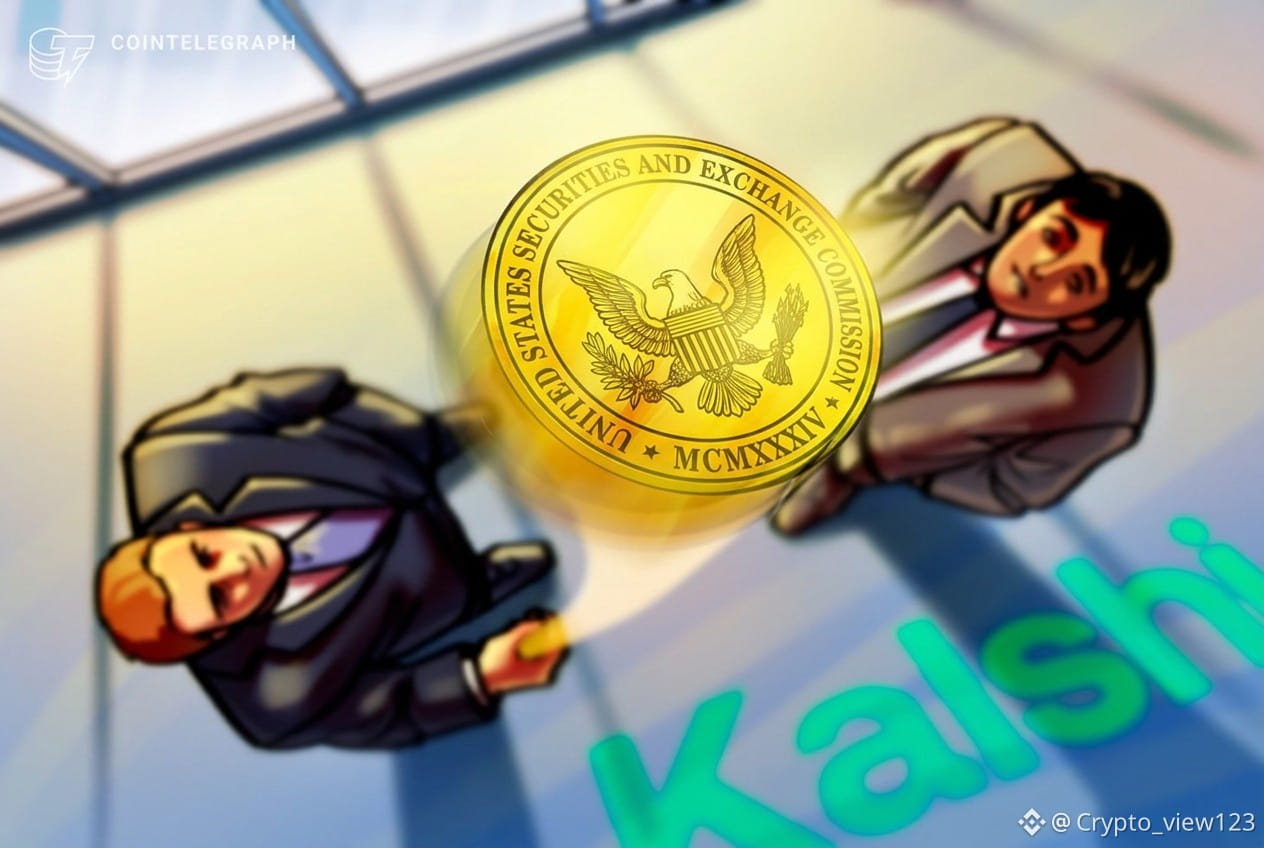
Three companies pushed into the same door on the same day. U.S. stocks are about to get never-expiring contracts.
On Friday, Kalshi filed a rule-change application with the U.S. Securities and Exchange Commission, and also submitted the proposal to the Commodity Futures Trading Commission. The product is a perpetual contract linked to a single U.S. stock, with no expiration date. It relies on periodic funding payments between long and short parties to pull the price back toward the underlying. It is treated as a securities and futures product and is cleared through its own clearinghouse registered with the CFTC. On the same day, Coinbase also filed an application that is nearly identical.
This isn’t the first time. Kalshi has already been operating perpetual contracts in the U.S. for crypto—Bitcoin, Ethereum, Solana, and XRP all have them. The Bitcoin one received regulatory approval in May. This time, it’s not only crypto firms copying each other. Payward also submitted materials through its exchange, planning to start with ten U.S. stocks—Tesla, Nvidia, Apple, Microsoft, and Amazon are on the list—and it also wants to push trading hours toward 25 hours a day.
The applications all came in after the Senate failed to pass the Market Structure Bill on September 15. SEC Chair Atkins has made it clear: whether or not legislation passes, enforcement will follow. The door is being opened from inside—whoever squeezes in first gets the liquidity.
Perpetual contracts are best at two things: keeping prices pinned to the underlying forever, and making liquidations happen faster than they do in spot markets. Move them to stocks, and neither of those things changes.
A contract that doesn’t need to sleep will first teach holders not to either.
#比特币突破8万美元大关 #contract market
On Friday, Kalshi filed a rule-change application with the U.S. Securities and Exchange Commission, and also submitted the proposal to the Commodity Futures Trading Commission. The product is a perpetual contract linked to a single U.S. stock, with no expiration date. It relies on periodic funding payments between long and short parties to pull the price back toward the underlying. It is treated as a securities and futures product and is cleared through its own clearinghouse registered with the CFTC. On the same day, Coinbase also filed an application that is nearly identical.
This isn’t the first time. Kalshi has already been operating perpetual contracts in the U.S. for crypto—Bitcoin, Ethereum, Solana, and XRP all have them. The Bitcoin one received regulatory approval in May. This time, it’s not only crypto firms copying each other. Payward also submitted materials through its exchange, planning to start with ten U.S. stocks—Tesla, Nvidia, Apple, Microsoft, and Amazon are on the list—and it also wants to push trading hours toward 25 hours a day.
The applications all came in after the Senate failed to pass the Market Structure Bill on September 15. SEC Chair Atkins has made it clear: whether or not legislation passes, enforcement will follow. The door is being opened from inside—whoever squeezes in first gets the liquidity.
Perpetual contracts are best at two things: keeping prices pinned to the underlying forever, and making liquidations happen faster than they do in spot markets. Move them to stocks, and neither of those things changes.
A contract that doesn’t need to sleep will first teach holders not to either.
#比特币突破8万美元大关 #contract market