【The company that left bad reviews for USDT—just bought into the crypto world’s code doctor🔥】
Join the X-Mr. fans group on the homepage🔥
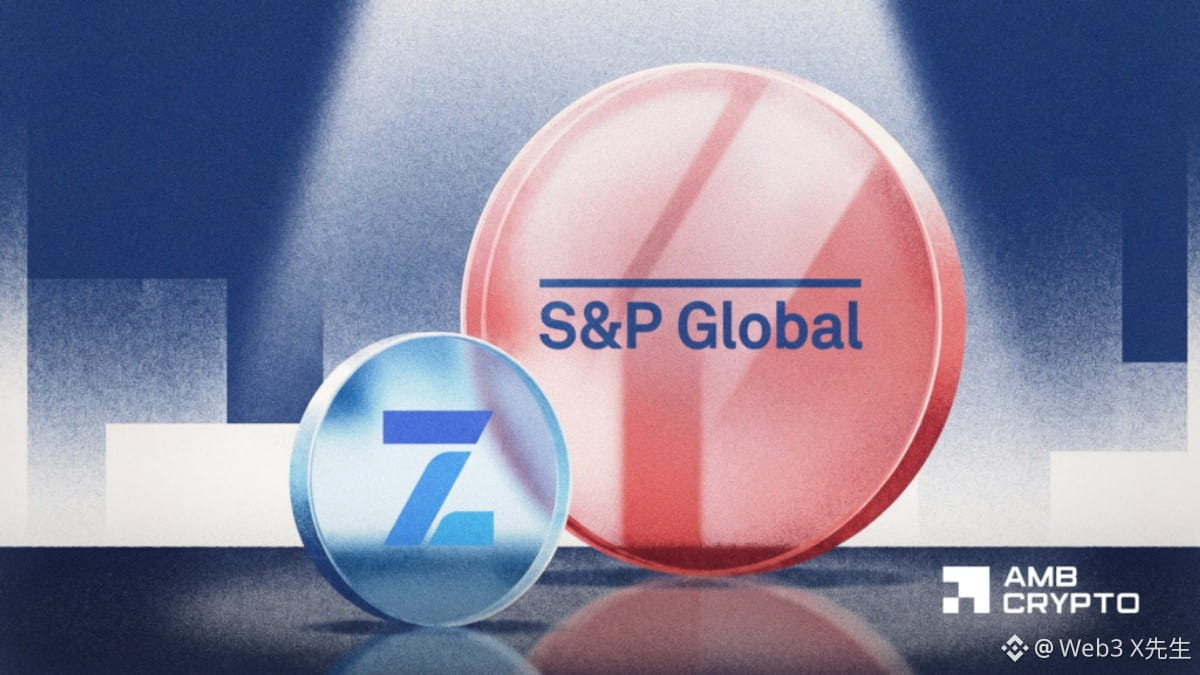
On September 17, S&P Global made a move. It announced the acquisition of OpenZeppelin. This is a name familiar to people in crypto circles, but almost unknown to those outside them.
It does just one thing: health checks for smart contracts. It has conducted over 900 audits in total. A lot of stablecoin code comes from its work.
Even more astonishing is the scale of its assets. The on-chain assets it has safeguarded add up to about $3.7 trillion💰. That number is larger than the GDP of many countries.
S&P didn’t suddenly change its mind. Three days ago, it spent $110 million investing in Kaiko, a crypto data company.
Put these two deals together, and the direction is crystal clear. It doesn’t just want to rate bonds. Now it wants to rate on-chain code.
In fact, S&P has been acting for a while. In 2025, it rated Sky Protocol as B-. Last November, it downgraded its rating for USDT to “Weak.”
At the time, Tether’s CEO publicly pushed back. The scene got quite heated. So this isn’t a test run—it’s a bet.
S&P’s president’s words were pretty straightforward: to bring trustworthy data and risk assessments into the on-chain market.
The acquired company’s CEO also said something candid. On-chain finance is moving from being an emerging-market activity to becoming core financial infrastructure.
Moody’s and Fitch haven’t been idle either. The business of ratings is moving onto the blockchain.
It sounds like good news. With scores, institutions will dare to enter. But there’s an old problem that hasn’t been solved.
In 2008, the “Big Three” rating agencies also didn’t stop the crisis—because ratings are paid for by the issuers. Whoever pays gets polite treatment.
If you bring this model onto the blockchain, will the scores still be accurate? Should retail users trust the code, or trust the label?
In the future, when you open a DeFi product, you might first see a string of ratings. Only pools with high scores will attract institutional capital. If the score is low, you can’t even get in.
📌 Money moves on-chain, and the people who do the scoring move along too
Is this wave crypto being recognized, or being absorbed? Let’s discuss it in the comments.
Join the X-Mr. fans group on the homepage🔥
On September 17, S&P Global made a move. It announced the acquisition of OpenZeppelin. This is a name familiar to people in crypto circles, but almost unknown to those outside them.
It does just one thing: health checks for smart contracts. It has conducted over 900 audits in total. A lot of stablecoin code comes from its work.
Even more astonishing is the scale of its assets. The on-chain assets it has safeguarded add up to about $3.7 trillion💰. That number is larger than the GDP of many countries.
S&P didn’t suddenly change its mind. Three days ago, it spent $110 million investing in Kaiko, a crypto data company.
Put these two deals together, and the direction is crystal clear. It doesn’t just want to rate bonds. Now it wants to rate on-chain code.
In fact, S&P has been acting for a while. In 2025, it rated Sky Protocol as B-. Last November, it downgraded its rating for USDT to “Weak.”
At the time, Tether’s CEO publicly pushed back. The scene got quite heated. So this isn’t a test run—it’s a bet.
S&P’s president’s words were pretty straightforward: to bring trustworthy data and risk assessments into the on-chain market.
The acquired company’s CEO also said something candid. On-chain finance is moving from being an emerging-market activity to becoming core financial infrastructure.
Moody’s and Fitch haven’t been idle either. The business of ratings is moving onto the blockchain.
It sounds like good news. With scores, institutions will dare to enter. But there’s an old problem that hasn’t been solved.
In 2008, the “Big Three” rating agencies also didn’t stop the crisis—because ratings are paid for by the issuers. Whoever pays gets polite treatment.
If you bring this model onto the blockchain, will the scores still be accurate? Should retail users trust the code, or trust the label?
In the future, when you open a DeFi product, you might first see a string of ratings. Only pools with high scores will attract institutional capital. If the score is low, you can’t even get in.
📌 Money moves on-chain, and the people who do the scoring move along too
Is this wave crypto being recognized, or being absorbed? Let’s discuss it in the comments.