
乘风Sunshine
404 Posts

乘风Sunshine
Report
Block User
币安合约现货永久八折返佣码:CFCF888 |X推特@KeShiqing57753|接KOL宣发&项目推广|

SOL Holder
Frequent Trader
1.7 Years
372 Following
26.2K+ Followers
10.4K+ Liked
Posts
All
Quotes
Videos
Live
PINNED
·
--
Starting next Monday (September 21), we will officially resume live streaming.
From Monday to Friday, daily at 7:00 AM (stream as soon as you wake up) and 3:00 PM we will open event contracts. At 10:00 PM (watch the market), we will stream perpetual contracts & event contracts.
As for Saturdays and Sundays (whether we stream depends on the market—if there is no liquidity, we’ll take a break), please be informed.
Starting next Monday (September 21), we will officially resume live streaming.
From Monday to Friday, daily at 7:00 AM (stream as soon as you wake up) and 3:00 PM we will open event contracts. At 10:00 PM (watch the market), we will stream perpetual contracts & event contracts.
As for Saturdays and Sundays (whether we stream depends on the market—if there is no liquidity, we’ll take a break), please be informed.
From Monday to Friday, daily at 7:00 AM (stream as soon as you wake up) and 3:00 PM we will open event contracts. At 10:00 PM (watch the market), we will stream perpetual contracts & event contracts.
As for Saturdays and Sundays (whether we stream depends on the market—if there is no liquidity, we’ll take a break), please be informed.


1.7k
21
114
1.7k
·
--
666
666

圣克斯Lucky1688
·
--
🧧🎁🧧🎁🧧🎁
Around September 18, a series of important infrastructure upgrades, project pivots, and industry ecosystem developments took place in the blockchain sector:
1. The Vanar chain completed a major migration and formally shut down its independent L1 mainnet Vanar project. On September 18, it officially initiated the shutdown and liquidation procedures for its original independent Layer 1 blockchain. Before that, on September 17, the project had completed the migration of its token contracts, and trading of VANRY tokens on Ethereum and Polygon was formally paused, fully transitioning to the Base chain. This move marks its departure from the early era of independent public chains. In the future, its strategy will fully shift toward an AI application ecosystem built on the Base chain and “AI Organizations” (AI orgs) platform (such as the Foundry platform planned for release on October 1).
2. In mid-September, the industry’s pragmatic shift toward real-world Web3 business adoption accelerated. The focus of discussions in the Web3 space is moving faster from pure token speculation and concept hype toward “eliminating real-world friction in commerce.” Developers and startups are increasingly inclined to apply blockchain technology to scenarios that truly require multi-party trust, tamper-proof credentials, supply-chain anti-counterfeiting, and digital identity verification—while keeping sensitive data and core business logic off-chain. The emphasis is on “trust infrastructure is better than token theater.”
3. Global regional Web3 and blockchain conferences continued to advance. With mid-September approaching, Web3 technical events and conferences combining academia and industry (such as regional tech events like Brazil’s Web3 PE, etc.) are also rolling out in close succession. These discussions mainly focus on concrete deployment cases of blockchain in areas such as the digital economy, compliant payments, and the creative industries. Overall, as of September 18, the Web3 industry is undergoing structural adjustments: public-chain ecosystems are converging toward mainstream high-performance networks (such as Base) through architectural upgrades, while the industry’s application layer is becoming more pragmatic and compliant.
Follow me and get the $SOL red envelope in Answer 1!
🧧🎁🧧🎁🧧🎁
Around September 18, a series of important infrastructure upgrades, project pivots, and industry ecosystem developments took place in the blockchain sector:
1. The Vanar chain completed a major migration and formally shut down its independent L1 mainnet Vanar project. On September 18, it officially initiated the shutdown and liquidation procedures for its original independent Layer 1 blockchain. Before that, on September 17, the project had completed the migration of its token contracts, and trading of VANRY tokens on Ethereum and Polygon was formally paused, fully transitioning to the Base chain. This move marks its departure from the early era of independent public chains. In the future, its strategy will fully shift toward an AI application ecosystem built on the Base chain and “AI Organizations” (AI orgs) platform (such as the Foundry platform planned for release on October 1).
2. In mid-September, the industry’s pragmatic shift toward real-world Web3 business adoption accelerated. The focus of discussions in the Web3 space is moving faster from pure token speculation and concept hype toward “eliminating real-world friction in commerce.” Developers and startups are increasingly inclined to apply blockchain technology to scenarios that truly require multi-party trust, tamper-proof credentials, supply-chain anti-counterfeiting, and digital identity verification—while keeping sensitive data and core business logic off-chain. The emphasis is on “trust infrastructure is better than token theater.”
3. Global regional Web3 and blockchain conferences continued to advance. With mid-September approaching, Web3 technical events and conferences combining academia and industry (such as regional tech events like Brazil’s Web3 PE, etc.) are also rolling out in close succession. These discussions mainly focus on concrete deployment cases of blockchain in areas such as the digital economy, compliant payments, and the creative industries. Overall, as of September 18, the Web3 industry is undergoing structural adjustments: public-chain ecosystems are converging toward mainstream high-performance networks (such as Base) through architectural upgrades, while the industry’s application layer is becoming more pragmatic and compliant.
Follow me and get the $SOL red envelope in Answer 1!
🧧🎁🧧🎁🧧🎁


367
·
--
666
666

只会呐喊的尖刀手
·
--
BTC Reclaims $80,000: Bad News Didn’t Hit, But I Don’t Recommend You Chase It Now
This week, the macro environment and regulation are actually not very friendly:
• The Federal Reserve hiked rates by 25bp, bringing interest rates to 3.75%–4.00%;
• In the U.S., the (CLARITY Act) advanced in the Senate but was blocked;
• In the first half of the week, BTC once dipped back toward around 77,000.
But on September 18, BTC not only reclaimed 80,000, it also briefly surged to between $81.2k and $81.4k. ETH rose in tandem by about 7%–8%, and SOL, XRP, and others also followed. At the same time, the US spot BTC ETF ended its streak of outflows and recorded roughly $160 million in net inflows.
My judgment is straightforward:
This isn’t a “full return of the bull market,” but a rebound driven by the combined effects of “bad news being digested + short-covering + ETF capital returning.”
• The Federal Reserve hiked rates by 25bp, bringing interest rates to 3.75%–4.00%;
• In the U.S., the (CLARITY Act) advanced in the Senate but was blocked;
• In the first half of the week, BTC once dipped back toward around 77,000.
But on September 18, BTC not only reclaimed 80,000, it also briefly surged to between $81.2k and $81.4k. ETH rose in tandem by about 7%–8%, and SOL, XRP, and others also followed. At the same time, the US spot BTC ETF ended its streak of outflows and recorded roughly $160 million in net inflows.
My judgment is straightforward:
This isn’t a “full return of the bull market,” but a rebound driven by the combined effects of “bad news being digested + short-covering + ETF capital returning.”

490

·
--
🎙️ Building Binance Plaza, DCA BNB|Saturday, BTC has climbed back above the 80,000 mark, and altcoins have surged right along with it. This weekend really is a bit special—what does everyone think about this big rally? Let’s chat~

End
05 h 26 m 57 s
11.2k
33
39
·
--
Starting next Monday, we will officially resume live streaming. From Monday to Friday, we will broadcast the spot contract & event contract at 7:00 AM and 3:00 PM each day, and broadcast the perpetual contract & event contract at 10:00 PM. Please be informed.
Starting next Monday, we will officially resume live streaming. From Monday to Friday, we will broadcast the spot contract & event contract at 7:00 AM and 3:00 PM each day, and broadcast the perpetual contract & event contract at 10:00 PM. Please be informed.


2.3k
25
149
2.3k
·
--
Yesterday’s Crypto Market News Overview
1. SEC clears the way for tokenized US stock trading: The U.S. SEC has introduced an “innovative exemption,” allowing qualifying tokenized securities trading platforms to be exempt from registration as traditional exchanges for a period of up to five years, and to trade tokenized stocks using licensed AMMs and liquidity pools.
2. BTC stabilizes and rebounds after the rate hike: The Federal Reserve raised rates by 25 basis points to 3.75%–4% on the 16th, but on the 17th BTC traded in a range around about $76.5K. The rebound in U.S. stocks also eased short-term market pressure.
3. The U.S. sanctions the Iranian crypto exchange BitBank: The U.S. Treasury Department has added the Iranian trading platform BitBank and related individuals to the sanctions list, citing its involvement in transferring hundreds of millions of dollars’ worth of bitcoin to Iran’s Islamic Revolutionary Guard Corps. Digital assets have once again become a focus of sanctions enforcement.
4. The UK intensifies crackdowns on illegal P2P crypto trading: The UK FCA, together with tax authorities and police, conducted actions at three locations in London suspected of operating unregistered P2P crypto businesses and issued stop orders. The FCA said the UK currently has no registered P2P crypto trading firms.
5. S&P Global acquires OpenZeppelin: S&P Global announced it will acquire blockchain security company OpenZeppelin. Its smart contract infrastructure has supported more than $370 billion in large-scale on-chain transfers, as traditional financial institutions continue to invest in on-chain infrastructure.
Yesterday’s Crypto Market News Overview
1. SEC clears the way for tokenized US stock trading: The U.S. SEC has introduced an “innovative exemption,” allowing qualifying tokenized securities trading platforms to be exempt from registration as traditional exchanges for a period of up to five years, and to trade tokenized stocks using licensed AMMs and liquidity pools.
2. BTC stabilizes and rebounds after the rate hike: The Federal Reserve raised rates by 25 basis points to 3.75%–4% on the 16th, but on the 17th BTC traded in a range around about $76.5K. The rebound in U.S. stocks also eased short-term market pressure.
3. The U.S. sanctions the Iranian crypto exchange BitBank: The U.S. Treasury Department has added the Iranian trading platform BitBank and related individuals to the sanctions list, citing its involvement in transferring hundreds of millions of dollars’ worth of bitcoin to Iran’s Islamic Revolutionary Guard Corps. Digital assets have once again become a focus of sanctions enforcement.
4. The UK intensifies crackdowns on illegal P2P crypto trading: The UK FCA, together with tax authorities and police, conducted actions at three locations in London suspected of operating unregistered P2P crypto businesses and issued stop orders. The FCA said the UK currently has no registered P2P crypto trading firms.
5. S&P Global acquires OpenZeppelin: S&P Global announced it will acquire blockchain security company OpenZeppelin. Its smart contract infrastructure has supported more than $370 billion in large-scale on-chain transfers, as traditional financial institutions continue to invest in on-chain infrastructure.
1. SEC clears the way for tokenized US stock trading: The U.S. SEC has introduced an “innovative exemption,” allowing qualifying tokenized securities trading platforms to be exempt from registration as traditional exchanges for a period of up to five years, and to trade tokenized stocks using licensed AMMs and liquidity pools.
2. BTC stabilizes and rebounds after the rate hike: The Federal Reserve raised rates by 25 basis points to 3.75%–4% on the 16th, but on the 17th BTC traded in a range around about $76.5K. The rebound in U.S. stocks also eased short-term market pressure.
3. The U.S. sanctions the Iranian crypto exchange BitBank: The U.S. Treasury Department has added the Iranian trading platform BitBank and related individuals to the sanctions list, citing its involvement in transferring hundreds of millions of dollars’ worth of bitcoin to Iran’s Islamic Revolutionary Guard Corps. Digital assets have once again become a focus of sanctions enforcement.
4. The UK intensifies crackdowns on illegal P2P crypto trading: The UK FCA, together with tax authorities and police, conducted actions at three locations in London suspected of operating unregistered P2P crypto businesses and issued stop orders. The FCA said the UK currently has no registered P2P crypto trading firms.
5. S&P Global acquires OpenZeppelin: S&P Global announced it will acquire blockchain security company OpenZeppelin. Its smart contract infrastructure has supported more than $370 billion in large-scale on-chain transfers, as traditional financial institutions continue to invest in on-chain infrastructure.
1
453
·
--

Article
Kovner’s Paradox: When “Risk Control” Meets “Annualized 87%”—What Are We Missing? I. The paradox is laid out on the table
Bruce Kovner left the trading world its most famous piece of advice: the risk on any single trade should not exceed 1% to 2% of the principal. This discipline has been written into nearly every trading beginner book, and it is repeatedly quoted like scripture in countless training courses. Circulating alongside this rule is another set of numbers: during Kovner’s tenure at Caxton Associates, he produced consecutive years of performance with an average annualized return as high as 87%. He himself started with a borrowed $3,000 and ultimately accumulated a personal fortune of nearly ten billion dollars.
These two sets of numbers placed together form a contradiction that is almost impossible to reconcile with common sense. If, every time you place a bet, you only risk 1% to 2% of the principal, then what kind of compounding structure could possibly support a figure like an annualized 87%? Most articles that paraphrase Kovner’s “golden quote” have never seriously addressed this contradiction—they treat risk discipline as the whole truth to teach, yet they dodge a more fundamental question: risk control explains why Kovner didn’t go bankrupt, but it completely fails to explain why he became so extraordinarily wealthy.
Kovner’s Paradox: When “Risk Control” Meets “Annualized 87%”—What Are We Missing?
I. The paradox is laid out on the table
Bruce Kovner left the trading world its most famous piece of advice: the risk on any single trade should not exceed 1% to 2% of the principal. This discipline has been written into nearly every trading beginner book, and it is repeatedly quoted like scripture in countless training courses. Circulating alongside this rule is another set of numbers: during Kovner’s tenure at Caxton Associates, he produced consecutive years of performance with an average annualized return as high as 87%. He himself started with a borrowed $3,000 and ultimately accumulated a personal fortune of nearly ten billion dollars.
These two sets of numbers placed together form a contradiction that is almost impossible to reconcile with common sense. If, every time you place a bet, you only risk 1% to 2% of the principal, then what kind of compounding structure could possibly support a figure like an annualized 87%? Most articles that paraphrase Kovner’s “golden quote” have never seriously addressed this contradiction—they treat risk discipline as the whole truth to teach, yet they dodge a more fundamental question: risk control explains why Kovner didn’t go bankrupt, but it completely fails to explain why he became so extraordinarily wealthy.
Bruce Kovner left the trading world its most famous piece of advice: the risk on any single trade should not exceed 1% to 2% of the principal. This discipline has been written into nearly every trading beginner book, and it is repeatedly quoted like scripture in countless training courses. Circulating alongside this rule is another set of numbers: during Kovner’s tenure at Caxton Associates, he produced consecutive years of performance with an average annualized return as high as 87%. He himself started with a borrowed $3,000 and ultimately accumulated a personal fortune of nearly ten billion dollars.
These two sets of numbers placed together form a contradiction that is almost impossible to reconcile with common sense. If, every time you place a bet, you only risk 1% to 2% of the principal, then what kind of compounding structure could possibly support a figure like an annualized 87%? Most articles that paraphrase Kovner’s “golden quote” have never seriously addressed this contradiction—they treat risk discipline as the whole truth to teach, yet they dodge a more fundamental question: risk control explains why Kovner didn’t go bankrupt, but it completely fails to explain why he became so extraordinarily wealthy.
1
825
·
--

Article
The real secret of Kovner isn’t “only losing 1% per trade”: what he taught the masses may just be a half-set systemMany traders will remember a very beautiful quote when they first come across Bruce Kovner:
“Don’t take on more than 1%—2% risk per trade.”
And then a question arises that seems very reasonable at first glance, but doesn’t hold up under deeper scrutiny:
If you only allow yourself to lose 1%—2% each time, how could a trader possibly achieve exceptionally high long-term compounded returns?
Going further, if Kovner himself was described in (Market Wizards) as having achieved a streak of ten consecutive years with an average annual compounded return of about 87%, then how exactly does 1%—2% risk control coexist with such an outrageous level of returns?
The real secret of Kovner isn’t “only losing 1% per trade”: what he taught the masses may just be a half-set system
Many traders will remember a very beautiful quote when they first come across Bruce Kovner:
“Don’t take on more than 1%—2% risk per trade.”
And then a question arises that seems very reasonable at first glance, but doesn’t hold up under deeper scrutiny:
If you only allow yourself to lose 1%—2% each time, how could a trader possibly achieve exceptionally high long-term compounded returns?
Going further, if Kovner himself was described in (Market Wizards) as having achieved a streak of ten consecutive years with an average annual compounded return of about 87%, then how exactly does 1%—2% risk control coexist with such an outrageous level of returns?
“Don’t take on more than 1%—2% risk per trade.”
And then a question arises that seems very reasonable at first glance, but doesn’t hold up under deeper scrutiny:
If you only allow yourself to lose 1%—2% each time, how could a trader possibly achieve exceptionally high long-term compounded returns?
Going further, if Kovner himself was described in (Market Wizards) as having achieved a streak of ten consecutive years with an average annual compounded return of about 87%, then how exactly does 1%—2% risk control coexist with such an outrageous level of returns?
1
891
·
--
Verified
Crypto Market News Roundup Yesterday / Catch the Sunshine
1. Fed Hikes Rates by 25 bps, Bitcoin Slips Sideways: The Federal Reserve raised the target range for the federal funds rate to 3.75%—4%, its first hike since July 2023; BTC saw sharp swings at one point within the $75,000—$76,500 range, while ETH briefly dipped to around $2,370.
2. Bitcoin ETFs See $450 Million Net Outflow in a Single Day: US spot Bitcoin ETFs recorded their largest single-day capital outflow since June. Combined with the stalling of the CLARITY Act, regulatory-sensitive crypto assets faced increased pressure, and risk-off sentiment in the market clearly intensified.
3. Circle Officially Launches the Arc Blockchain: Circle introduced the Arc network for payments, tokenized assets, and institutional finance. More than 100 institutions and ecosystem companies are already participating in or exploring it, including BlackRock, Mastercard, Visa, BNY, and HSBC.
4. Deutsche Bank Moves Into Institutional Crypto Custody: Germany’s largest bank plans to launch a regulated digital-asset custody service by 2026. The first batch will support BTC, ETH, and stablecoins such as USDC and EURC, mainly targeting European institutional and corporate clients.
5. SEC and CFTC Prepare to Push Crypto Rules Without New Legislation: After the CLARITY Act stalled in the Senate, the two regulators signaled that they will use existing statutory authorities to continue advancing digital-asset regulatory rules. JPMorgan, meanwhile, believes the bill isn’t completely “dead,” but the window to reintroduce it this year is extremely narrow.
Crypto Market News Roundup Yesterday / Catch the Sunshine
1. Fed Hikes Rates by 25 bps, Bitcoin Slips Sideways: The Federal Reserve raised the target range for the federal funds rate to 3.75%—4%, its first hike since July 2023; BTC saw sharp swings at one point within the $75,000—$76,500 range, while ETH briefly dipped to around $2,370.
2. Bitcoin ETFs See $450 Million Net Outflow in a Single Day: US spot Bitcoin ETFs recorded their largest single-day capital outflow since June. Combined with the stalling of the CLARITY Act, regulatory-sensitive crypto assets faced increased pressure, and risk-off sentiment in the market clearly intensified.
3. Circle Officially Launches the Arc Blockchain: Circle introduced the Arc network for payments, tokenized assets, and institutional finance. More than 100 institutions and ecosystem companies are already participating in or exploring it, including BlackRock, Mastercard, Visa, BNY, and HSBC.
4. Deutsche Bank Moves Into Institutional Crypto Custody: Germany’s largest bank plans to launch a regulated digital-asset custody service by 2026. The first batch will support BTC, ETH, and stablecoins such as USDC and EURC, mainly targeting European institutional and corporate clients.
5. SEC and CFTC Prepare to Push Crypto Rules Without New Legislation: After the CLARITY Act stalled in the Senate, the two regulators signaled that they will use existing statutory authorities to continue advancing digital-asset regulatory rules. JPMorgan, meanwhile, believes the bill isn’t completely “dead,” but the window to reintroduce it this year is extremely narrow.
1. Fed Hikes Rates by 25 bps, Bitcoin Slips Sideways: The Federal Reserve raised the target range for the federal funds rate to 3.75%—4%, its first hike since July 2023; BTC saw sharp swings at one point within the $75,000—$76,500 range, while ETH briefly dipped to around $2,370.
2. Bitcoin ETFs See $450 Million Net Outflow in a Single Day: US spot Bitcoin ETFs recorded their largest single-day capital outflow since June. Combined with the stalling of the CLARITY Act, regulatory-sensitive crypto assets faced increased pressure, and risk-off sentiment in the market clearly intensified.
3. Circle Officially Launches the Arc Blockchain: Circle introduced the Arc network for payments, tokenized assets, and institutional finance. More than 100 institutions and ecosystem companies are already participating in or exploring it, including BlackRock, Mastercard, Visa, BNY, and HSBC.
4. Deutsche Bank Moves Into Institutional Crypto Custody: Germany’s largest bank plans to launch a regulated digital-asset custody service by 2026. The first batch will support BTC, ETH, and stablecoins such as USDC and EURC, mainly targeting European institutional and corporate clients.
5. SEC and CFTC Prepare to Push Crypto Rules Without New Legislation: After the CLARITY Act stalled in the Senate, the two regulators signaled that they will use existing statutory authorities to continue advancing digital-asset regulatory rules. JPMorgan, meanwhile, believes the bill isn’t completely “dead,” but the window to reintroduce it this year is extremely narrow.
1
876
·
--
Yesterday’s News Roundup / Riding the Sunshine
1. U.S. Senate blocks motion to advance the CLARITY Act: The Senate fell short of the 60 votes needed to move forward, with a 50–49 vote, temporarily stalling the crypto market structure bill. After the news was released, Bitcoin briefly dropped by more than 5%, and crypto-related stocks such as Coinbase and Circle weakened in tandem.
2. Bitcoin slips below the $77,000 area: Ahead of the CLARITY Act vote, Bitcoin retreated from near $79,500 to around $77,000. After the bill’s vote failed, risk-off sentiment in the market intensified further.
3. CoinEx announces it will stop exchange operations: CoinEx, which has been operating for nearly 9 years, announced it will gradually shut down the exchange. Cited reasons include a prolonged downturn in the market, shrinking trading volume and liquidity, and rising global regulatory and compliance costs. Spot trading is expected to stop on September 29, and withdrawals will close on December 22.
4. U.S. Department of Justice sues two former Robinhood engineers: The DOJ alleges that the two used Robinhood’s internal non-public information to trade related perpetual contracts for Hyperliquid’s tokens in advance. Each is reportedly profited more than $50,000. The case involves commodities fraud and wire fraud charges.
5. Institutional funding boosts stablecoin payment infrastructure: Stablecoin payment company Velocity secured an additional $10 million in Series A funding, bringing the total round amount to $48 million. Participants include Visa Ventures, Circle Ventures, Ripple, and others, showing that traditional financial institutions are still actively building stablecoin payment infrastructure.
Yesterday’s News Roundup / Riding the Sunshine
1. U.S. Senate blocks motion to advance the CLARITY Act: The Senate fell short of the 60 votes needed to move forward, with a 50–49 vote, temporarily stalling the crypto market structure bill. After the news was released, Bitcoin briefly dropped by more than 5%, and crypto-related stocks such as Coinbase and Circle weakened in tandem.
2. Bitcoin slips below the $77,000 area: Ahead of the CLARITY Act vote, Bitcoin retreated from near $79,500 to around $77,000. After the bill’s vote failed, risk-off sentiment in the market intensified further.
3. CoinEx announces it will stop exchange operations: CoinEx, which has been operating for nearly 9 years, announced it will gradually shut down the exchange. Cited reasons include a prolonged downturn in the market, shrinking trading volume and liquidity, and rising global regulatory and compliance costs. Spot trading is expected to stop on September 29, and withdrawals will close on December 22.
4. U.S. Department of Justice sues two former Robinhood engineers: The DOJ alleges that the two used Robinhood’s internal non-public information to trade related perpetual contracts for Hyperliquid’s tokens in advance. Each is reportedly profited more than $50,000. The case involves commodities fraud and wire fraud charges.
5. Institutional funding boosts stablecoin payment infrastructure: Stablecoin payment company Velocity secured an additional $10 million in Series A funding, bringing the total round amount to $48 million. Participants include Visa Ventures, Circle Ventures, Ripple, and others, showing that traditional financial institutions are still actively building stablecoin payment infrastructure.
1. U.S. Senate blocks motion to advance the CLARITY Act: The Senate fell short of the 60 votes needed to move forward, with a 50–49 vote, temporarily stalling the crypto market structure bill. After the news was released, Bitcoin briefly dropped by more than 5%, and crypto-related stocks such as Coinbase and Circle weakened in tandem.
2. Bitcoin slips below the $77,000 area: Ahead of the CLARITY Act vote, Bitcoin retreated from near $79,500 to around $77,000. After the bill’s vote failed, risk-off sentiment in the market intensified further.
3. CoinEx announces it will stop exchange operations: CoinEx, which has been operating for nearly 9 years, announced it will gradually shut down the exchange. Cited reasons include a prolonged downturn in the market, shrinking trading volume and liquidity, and rising global regulatory and compliance costs. Spot trading is expected to stop on September 29, and withdrawals will close on December 22.
4. U.S. Department of Justice sues two former Robinhood engineers: The DOJ alleges that the two used Robinhood’s internal non-public information to trade related perpetual contracts for Hyperliquid’s tokens in advance. Each is reportedly profited more than $50,000. The case involves commodities fraud and wire fraud charges.
5. Institutional funding boosts stablecoin payment infrastructure: Stablecoin payment company Velocity secured an additional $10 million in Series A funding, bringing the total round amount to $48 million. Participants include Visa Ventures, Circle Ventures, Ripple, and others, showing that traditional financial institutions are still actively building stablecoin payment infrastructure.
1
1.1k
·
--

Article
U.S. crypto bill failed to pass on September 15: the real negative is more than just a 4% drop in BitcoinIf I had to pick a keyword for the crypto market on September 15, 2026, I would choose:
“Expectation fell short.”
On September 15, local time, the U.S. Senate held a crucial procedural vote on the (CLARITY Act) (Digital Asset Market Structure Act). It ultimately failed to reach the 60-vote threshold needed to advance.
This is not an ordinary bill.
The reason the market has high hopes for it is that it is trying to solve one of the most core problems in the U.S. crypto industry: who should regulate crypto assets, and what kinds of tokens are securities versus what kinds of assets are commodities.
U.S. crypto bill failed to pass on September 15: the real negative is more than just a 4% drop in Bitcoin
If I had to pick a keyword for the crypto market on September 15, 2026, I would choose:
“Expectation fell short.”
On September 15, local time, the U.S. Senate held a crucial procedural vote on the (CLARITY Act) (Digital Asset Market Structure Act). It ultimately failed to reach the 60-vote threshold needed to advance.
This is not an ordinary bill.
The reason the market has high hopes for it is that it is trying to solve one of the most core problems in the U.S. crypto industry: who should regulate crypto assets, and what kinds of tokens are securities versus what kinds of assets are commodities.
“Expectation fell short.”
On September 15, local time, the U.S. Senate held a crucial procedural vote on the (CLARITY Act) (Digital Asset Market Structure Act). It ultimately failed to reach the 60-vote threshold needed to advance.
This is not an ordinary bill.
The reason the market has high hopes for it is that it is trying to solve one of the most core problems in the U.S. crypto industry: who should regulate crypto assets, and what kinds of tokens are securities versus what kinds of assets are commodities.
1
1
4
1.1k
·
--

Article
A “U.S.-style crypto constitution” fiasco: how the CLARITY Act failed—who exactly felt the earthquake?On September 15 in Washington, a vote originally dubbed “the most important legislation for the crypto industry in a decade” ended in a rushed failure, with 49 votes in favor and 50 against (not reaching the 60-vote threshold). This was the (Digital Asset Market Clarity Act), or CLARITY Act.
With the bill gone, Bitcoin fell first. This article intends to lay out, all at once, the background and details of this “failed coup attempt,” the market’s real reaction, and the attitudes of the big players inside the room.
1. What happened: a rout that missed by one vote
The CLARITY Act is not a sudden new proposal. It was passed by the U.S. House of Representatives back in July 2025 by an overwhelming margin of 294 to 134, at the time hailed as a historic breakthrough in the regulatory framework for the crypto industry. The bill aims to clearly delineate regulatory authority over crypto assets between the SEC (Securities and Exchange Commission) and the CFTC (Commodity Futures Trading Commission), and requires trading platforms to segregate customers’ assets from their own—directly addressing the fatal flaw seen in the FTX collapse: “customers’ coins being misappropriated.”
A “U.S.-style crypto constitution” fiasco: how the CLARITY Act failed—who exactly felt the earthquake?
On September 15 in Washington, a vote originally dubbed “the most important legislation for the crypto industry in a decade” ended in a rushed failure, with 49 votes in favor and 50 against (not reaching the 60-vote threshold). This was the (Digital Asset Market Clarity Act), or CLARITY Act.
With the bill gone, Bitcoin fell first. This article intends to lay out, all at once, the background and details of this “failed coup attempt,” the market’s real reaction, and the attitudes of the big players inside the room.
1. What happened: a rout that missed by one vote
The CLARITY Act is not a sudden new proposal. It was passed by the U.S. House of Representatives back in July 2025 by an overwhelming margin of 294 to 134, at the time hailed as a historic breakthrough in the regulatory framework for the crypto industry. The bill aims to clearly delineate regulatory authority over crypto assets between the SEC (Securities and Exchange Commission) and the CFTC (Commodity Futures Trading Commission), and requires trading platforms to segregate customers’ assets from their own—directly addressing the fatal flaw seen in the FTX collapse: “customers’ coins being misappropriated.”
With the bill gone, Bitcoin fell first. This article intends to lay out, all at once, the background and details of this “failed coup attempt,” the market’s real reaction, and the attitudes of the big players inside the room.
1. What happened: a rout that missed by one vote
The CLARITY Act is not a sudden new proposal. It was passed by the U.S. House of Representatives back in July 2025 by an overwhelming margin of 294 to 134, at the time hailed as a historic breakthrough in the regulatory framework for the crypto industry. The bill aims to clearly delineate regulatory authority over crypto assets between the SEC (Securities and Exchange Commission) and the CFTC (Commodity Futures Trading Commission), and requires trading platforms to segregate customers’ assets from their own—directly addressing the fatal flaw seen in the FTX collapse: “customers’ coins being misappropriated.”
1
808
·
--
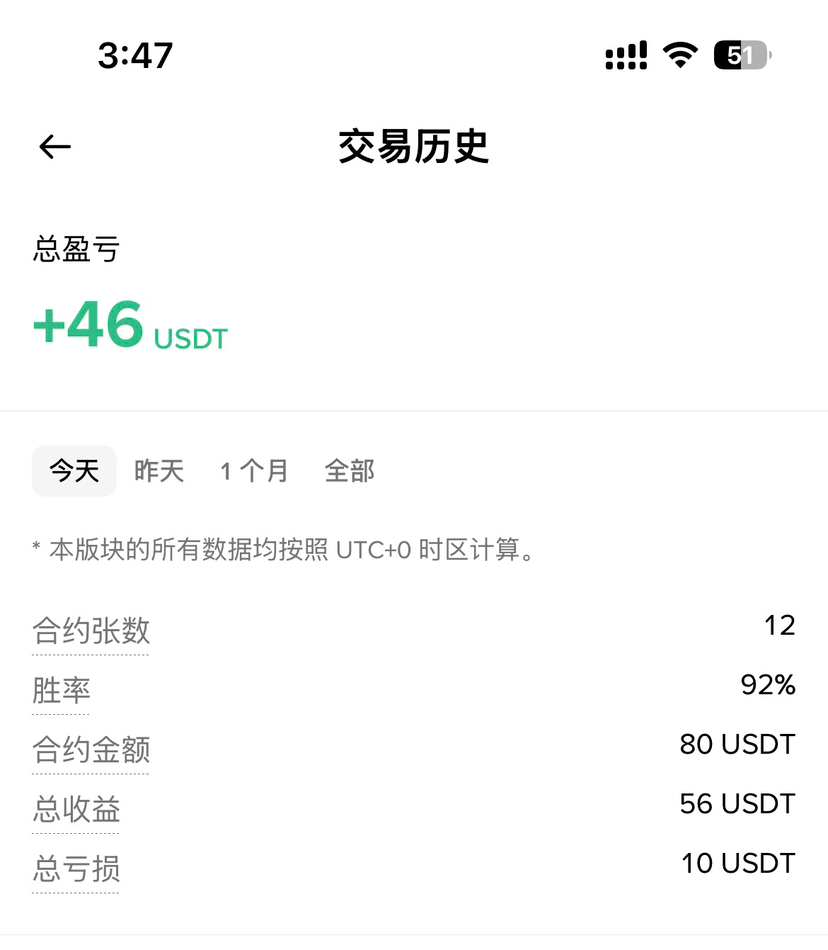
Combat power is still recovering. Number 12 clears number 11 alone—I'll be back to stream once I'm recovered, brothers. (ps: The estimated stream times are still the old schedule: 7 AM, 3 PM for event contracts, and 10 PM for perpetual contracts.)
Combat power is still recovering. Number 12 clears number 11 alone—I'll be back to stream once I'm recovered, brothers. (ps: The estimated stream times are still the old schedule: 7 AM, 3 PM for event contracts, and 10 PM for perpetual contracts.)


624
31
80
2.5k
·
--
Verified
Yesterday’s Crypto Market News Roundup / Riding the Sunshine
1. Bitcoin rebounds face a key test: Bitcoin has recently returned to around $77,000, with market focus shifting to this week’s Federal Reserve interest rate decision. Reuters says that expectations of rate cuts and policy uncertainty will be key to whether this rebound can continue.
2. The U.S. CLARITY Act faces a critical vote: U.S. Senate Republicans have released a revised bill text for the crypto market structure act, adding more ethical and regulatory constraints. The Senate will hold a key procedural vote on September 15, and whether it can secure 60 votes remains uncertain.
3. S&P Global bets on crypto data infrastructure: Crypto data company Kaiko completed a $110 million funding round led by S&P Global, showing that traditional financial institutions continue to increase their investments in the crypto data and infrastructure segment.
4. Singapore Exchange approved to offer BTC and ETH perpetual contracts to U.S. institutions: SGX has received U.S. CFTC approval to, through relevant arrangements, provide Bitcoin and Ethereum perpetual contracts to institutional investors in the United States, as traditional exchanges further move into the crypto derivatives market.
5. Institutions continue to add to BTC holdings; Strategy repurchases its own shares: Strategy announced a buyback of about $139 million of STRC preferred stock, while also maintaining a position equivalent to roughly 4% of Bitcoin’s total supply. Another institution, Strive, bought about $36.6 million worth of BTC again yesterday, bringing its holdings above 25,000 coins.
Yesterday’s Crypto Market News Roundup / Riding the Sunshine
1. Bitcoin rebounds face a key test: Bitcoin has recently returned to around $77,000, with market focus shifting to this week’s Federal Reserve interest rate decision. Reuters says that expectations of rate cuts and policy uncertainty will be key to whether this rebound can continue.
2. The U.S. CLARITY Act faces a critical vote: U.S. Senate Republicans have released a revised bill text for the crypto market structure act, adding more ethical and regulatory constraints. The Senate will hold a key procedural vote on September 15, and whether it can secure 60 votes remains uncertain.
3. S&P Global bets on crypto data infrastructure: Crypto data company Kaiko completed a $110 million funding round led by S&P Global, showing that traditional financial institutions continue to increase their investments in the crypto data and infrastructure segment.
4. Singapore Exchange approved to offer BTC and ETH perpetual contracts to U.S. institutions: SGX has received U.S. CFTC approval to, through relevant arrangements, provide Bitcoin and Ethereum perpetual contracts to institutional investors in the United States, as traditional exchanges further move into the crypto derivatives market.
5. Institutions continue to add to BTC holdings; Strategy repurchases its own shares: Strategy announced a buyback of about $139 million of STRC preferred stock, while also maintaining a position equivalent to roughly 4% of Bitcoin’s total supply. Another institution, Strive, bought about $36.6 million worth of BTC again yesterday, bringing its holdings above 25,000 coins.
1. Bitcoin rebounds face a key test: Bitcoin has recently returned to around $77,000, with market focus shifting to this week’s Federal Reserve interest rate decision. Reuters says that expectations of rate cuts and policy uncertainty will be key to whether this rebound can continue.
2. The U.S. CLARITY Act faces a critical vote: U.S. Senate Republicans have released a revised bill text for the crypto market structure act, adding more ethical and regulatory constraints. The Senate will hold a key procedural vote on September 15, and whether it can secure 60 votes remains uncertain.
3. S&P Global bets on crypto data infrastructure: Crypto data company Kaiko completed a $110 million funding round led by S&P Global, showing that traditional financial institutions continue to increase their investments in the crypto data and infrastructure segment.
4. Singapore Exchange approved to offer BTC and ETH perpetual contracts to U.S. institutions: SGX has received U.S. CFTC approval to, through relevant arrangements, provide Bitcoin and Ethereum perpetual contracts to institutional investors in the United States, as traditional exchanges further move into the crypto derivatives market.
5. Institutions continue to add to BTC holdings; Strategy repurchases its own shares: Strategy announced a buyback of about $139 million of STRC preferred stock, while also maintaining a position equivalent to roughly 4% of Bitcoin’s total supply. Another institution, Strive, bought about $36.6 million worth of BTC again yesterday, bringing its holdings above 25,000 coins.
604
·
--
《The Truth Behind 7 Counterintuitive Things in Trading》
Trading is one of the few professions in the world where cognition, human nature, and discipline are priced directly.
The market doesn’t care how hard you try.
If you pull all-nighters to review charts, you won’t make an extra cent.
If you study hundreds of indicators, it still won’t make the market more sympathetic to you.
The only language the market truly recognizes is your account balance.
So, here are some truly counterintuitive truths in trading:
1. The more you want to make money, the more likely you are to lose money.
Because the desire to profit will push you to trade;
trading impulse will push you to search for opportunities;
and the real opportunities—precisely—won’t show up every day.
2. The most important ability in trading isn’t judgment; it’s the willingness to give up.
Give up opportunities you don’t have conviction in,
let go of logic that has already become invalid,
and abandon the fantasy that says, “Just wait— it will come back.”
3. Experts aren’t more daring gamblers than ordinary people; they’re more daring at not gambling.
When others are fully loaded with positions, they can go to cash.
When others succumb to FOMO, they can wait.
When others go crazy, they start calculating risk instead.
4. A stop loss isn’t surrender—it’s refusing to let a mistake turn into a catastrophe.
What’s truly dangerous has never been the loss itself.
It’s when you lose 10% and start imagining you’ll break even;
when you lose 30% and begin praying for a rebound;
when you lose 50% and end up surviving on nothing but faith.
5. Win rate isn’t the thing you should chase the most.
Because a single fatal big loss can wipe out dozens of small wins.
What trading really competes on is:
How much you make when you’re right, and how much you lose when you’re wrong.
6. The most dangerous trade isn’t the one that loses money—it’s the one that lets you earn “money beyond your capability.”
Because losses make people more cautious.
Extreme profits, on the other hand, are what most easily create illusions.
After a few times of “all-in” making money, you think you’ve figured it out.
The market usually teaches you with the very next bout of volatility:
You didn’t “figure it out”—you were just not harvested yet.
7. True freedom isn’t buying whenever you want, and selling whenever you want.
It’s this:
Even though you want to trade, you can choose not to.
Only those who can control themselves truly possess trading freedom.
In the end, you’ll realize:
You think you’re studying the market.
Actually, the market is studying you.
Study your greed,
study your fear,
study your wishful thinking,
and study the moment you lose control.
《The Truth Behind 7 Counterintuitive Things in Trading》
Trading is one of the few professions in the world where cognition, human nature, and discipline are priced directly.
The market doesn’t care how hard you try.
If you pull all-nighters to review charts, you won’t make an extra cent.
If you study hundreds of indicators, it still won’t make the market more sympathetic to you.
The only language the market truly recognizes is your account balance.
So, here are some truly counterintuitive truths in trading:
1. The more you want to make money, the more likely you are to lose money.
Because the desire to profit will push you to trade;
trading impulse will push you to search for opportunities;
and the real opportunities—precisely—won’t show up every day.
2. The most important ability in trading isn’t judgment; it’s the willingness to give up.
Give up opportunities you don’t have conviction in,
let go of logic that has already become invalid,
and abandon the fantasy that says, “Just wait— it will come back.”
3. Experts aren’t more daring gamblers than ordinary people; they’re more daring at not gambling.
When others are fully loaded with positions, they can go to cash.
When others succumb to FOMO, they can wait.
When others go crazy, they start calculating risk instead.
4. A stop loss isn’t surrender—it’s refusing to let a mistake turn into a catastrophe.
What’s truly dangerous has never been the loss itself.
It’s when you lose 10% and start imagining you’ll break even;
when you lose 30% and begin praying for a rebound;
when you lose 50% and end up surviving on nothing but faith.
5. Win rate isn’t the thing you should chase the most.
Because a single fatal big loss can wipe out dozens of small wins.
What trading really competes on is:
How much you make when you’re right, and how much you lose when you’re wrong.
6. The most dangerous trade isn’t the one that loses money—it’s the one that lets you earn “money beyond your capability.”
Because losses make people more cautious.
Extreme profits, on the other hand, are what most easily create illusions.
After a few times of “all-in” making money, you think you’ve figured it out.
The market usually teaches you with the very next bout of volatility:
You didn’t “figure it out”—you were just not harvested yet.
7. True freedom isn’t buying whenever you want, and selling whenever you want.
It’s this:
Even though you want to trade, you can choose not to.
Only those who can control themselves truly possess trading freedom.
In the end, you’ll realize:
You think you’re studying the market.
Actually, the market is studying you.
Study your greed,
study your fear,
study your wishful thinking,
and study the moment you lose control.
Trading is one of the few professions in the world where cognition, human nature, and discipline are priced directly.
The market doesn’t care how hard you try.
If you pull all-nighters to review charts, you won’t make an extra cent.
If you study hundreds of indicators, it still won’t make the market more sympathetic to you.
The only language the market truly recognizes is your account balance.
So, here are some truly counterintuitive truths in trading:
1. The more you want to make money, the more likely you are to lose money.
Because the desire to profit will push you to trade;
trading impulse will push you to search for opportunities;
and the real opportunities—precisely—won’t show up every day.
2. The most important ability in trading isn’t judgment; it’s the willingness to give up.
Give up opportunities you don’t have conviction in,
let go of logic that has already become invalid,
and abandon the fantasy that says, “Just wait— it will come back.”
3. Experts aren’t more daring gamblers than ordinary people; they’re more daring at not gambling.
When others are fully loaded with positions, they can go to cash.
When others succumb to FOMO, they can wait.
When others go crazy, they start calculating risk instead.
4. A stop loss isn’t surrender—it’s refusing to let a mistake turn into a catastrophe.
What’s truly dangerous has never been the loss itself.
It’s when you lose 10% and start imagining you’ll break even;
when you lose 30% and begin praying for a rebound;
when you lose 50% and end up surviving on nothing but faith.
5. Win rate isn’t the thing you should chase the most.
Because a single fatal big loss can wipe out dozens of small wins.
What trading really competes on is:
How much you make when you’re right, and how much you lose when you’re wrong.
6. The most dangerous trade isn’t the one that loses money—it’s the one that lets you earn “money beyond your capability.”
Because losses make people more cautious.
Extreme profits, on the other hand, are what most easily create illusions.
After a few times of “all-in” making money, you think you’ve figured it out.
The market usually teaches you with the very next bout of volatility:
You didn’t “figure it out”—you were just not harvested yet.
7. True freedom isn’t buying whenever you want, and selling whenever you want.
It’s this:
Even though you want to trade, you can choose not to.
Only those who can control themselves truly possess trading freedom.
In the end, you’ll realize:
You think you’re studying the market.
Actually, the market is studying you.
Study your greed,
study your fear,
study your wishful thinking,
and study the moment you lose control.
2
1.5k
·
--

Jiayi Li
·
--
I’m sharing with you a concrete method I used with my AI to help myself seize “bloody chips”
One of the hardest things in investing is to hold your nerve when the market is hot, and when things are bad, still have the money and the judgment to back yourself up—so you dare to buy.
In Buffett’s saying, “Be fearful when others are greedy, and greedy when others are fearful.” In terms of results, it means waiting for “bloody chips” and then striking—only when the risk-to-reward ratio becomes attractive enough, and with time acting as a multiplier, to achieve extraordinary outcomes.
Once it lands on you, the problem comes:
Is this really panic now? When an asset drops, is it being unfairly punished, or is there actually something wrong with it? If you buy, how much further decline can you withstand—and how long will you have to wait?
In Buffett’s saying, “Be fearful when others are greedy, and greedy when others are fearful.” In terms of results, it means waiting for “bloody chips” and then striking—only when the risk-to-reward ratio becomes attractive enough, and with time acting as a multiplier, to achieve extraordinary outcomes.
Once it lands on you, the problem comes:
Is this really panic now? When an asset drops, is it being unfairly punished, or is there actually something wrong with it? If you buy, how much further decline can you withstand—and how long will you have to wait?

1
244
·
--
Today’s Market Snapshot / Riding the Sunshine
1️⃣ US stock index futures weaken significantly, with tech bearing the brunt
US stock index futures are fairly weak: Nasdaq 100 futures are down about 1.2%, S&P 500 futures about -0.5%, while Dow futures are relatively less down. The market is mainly concerned about rising oil prices, higher interest rates, and
AI (+0.01%)
valuation pressure on the sector.
2️⃣ Oil has again become the biggest variable for global markets
WTI is currently around $102.8 per barrel, while Brent is around $107.7. The rise in oil prices has reignited inflation concerns. The market worries about a “high oil price + high interest rates” scenario occurring at the same time, which would be unfavorable for both US stocks and crypto assets.
3️⃣ US Treasury yields near 5% weigh on risk assets
The US 10-year Treasury yield is around 4.97%, approaching the 5% threshold. Rising yields mean higher funding costs, while also boosting the risk-free return on USD assets, putting pressure on BTC, gold, and high-valuation tech stocks.
4️⃣ Gold and silver face short-term pressure
Gold is currently about $4,378 per ounce, and silver has also fallen noticeably recently. The key reason is: oil prices rising → inflation concerns → pressure on Fed rate-cut expectations → higher Treasury yields and a stronger US dollar.
5️⃣ BTC is around $769,000; for now it hasn’t clearly broken away from macro logic
Over the past few days, BTC has pulled back from around $800,000 and is currently around $769,000. The biggest external factor right now isn’t a single crypto-sector headline, but rather US Treasury yields, oil prices, and risk appetite in US equities
Today’s Market Snapshot / Riding the Sunshine
1️⃣ US stock index futures weaken significantly, with tech bearing the brunt
US stock index futures are fairly weak: Nasdaq 100 futures are down about 1.2%, S&P 500 futures about -0.5%, while Dow futures are relatively less down. The market is mainly concerned about rising oil prices, higher interest rates, and
AI (+0.01%)
valuation pressure on the sector.
2️⃣ Oil has again become the biggest variable for global markets
WTI is currently around $102.8 per barrel, while Brent is around $107.7. The rise in oil prices has reignited inflation concerns. The market worries about a “high oil price + high interest rates” scenario occurring at the same time, which would be unfavorable for both US stocks and crypto assets.
3️⃣ US Treasury yields near 5% weigh on risk assets
The US 10-year Treasury yield is around 4.97%, approaching the 5% threshold. Rising yields mean higher funding costs, while also boosting the risk-free return on USD assets, putting pressure on BTC, gold, and high-valuation tech stocks.
4️⃣ Gold and silver face short-term pressure
Gold is currently about $4,378 per ounce, and silver has also fallen noticeably recently. The key reason is: oil prices rising → inflation concerns → pressure on Fed rate-cut expectations → higher Treasury yields and a stronger US dollar.
5️⃣ BTC is around $769,000; for now it hasn’t clearly broken away from macro logic
Over the past few days, BTC has pulled back from around $800,000 and is currently around $769,000. The biggest external factor right now isn’t a single crypto-sector headline, but rather US Treasury yields, oil prices, and risk appetite in US equities
1️⃣ US stock index futures weaken significantly, with tech bearing the brunt
US stock index futures are fairly weak: Nasdaq 100 futures are down about 1.2%, S&P 500 futures about -0.5%, while Dow futures are relatively less down. The market is mainly concerned about rising oil prices, higher interest rates, and
AI (+0.01%)
valuation pressure on the sector.
2️⃣ Oil has again become the biggest variable for global markets
WTI is currently around $102.8 per barrel, while Brent is around $107.7. The rise in oil prices has reignited inflation concerns. The market worries about a “high oil price + high interest rates” scenario occurring at the same time, which would be unfavorable for both US stocks and crypto assets.
3️⃣ US Treasury yields near 5% weigh on risk assets
The US 10-year Treasury yield is around 4.97%, approaching the 5% threshold. Rising yields mean higher funding costs, while also boosting the risk-free return on USD assets, putting pressure on BTC, gold, and high-valuation tech stocks.
4️⃣ Gold and silver face short-term pressure
Gold is currently about $4,378 per ounce, and silver has also fallen noticeably recently. The key reason is: oil prices rising → inflation concerns → pressure on Fed rate-cut expectations → higher Treasury yields and a stronger US dollar.
5️⃣ BTC is around $769,000; for now it hasn’t clearly broken away from macro logic
Over the past few days, BTC has pulled back from around $800,000 and is currently around $769,000. The biggest external factor right now isn’t a single crypto-sector headline, but rather US Treasury yields, oil prices, and risk appetite in US equities
1
531
·
--
Last Week’s News Highlights|9/7–9/13
1. BTC (-0.01%) weakens in choppy trading: Driven by CPI, oil prices, and expectations of a Fed rate cut, BTC briefly fell below $77,000.
2. Fed meeting approaching: The September 16 FOMC is the biggest macro variable this week.
3. The CLARITY Act enters a critical stage: The U.S. crypto regulatory bill is expected to face a key vote on September 15.
4. ETH shows relative strength: It has clearly outperformed BTC recently, and the market continues to watch the $3,000 target.
5. Stablecoins keep expanding: USDT and others are extending from trading scenarios into payments, credit, RWA, and financial infrastructure
Last Week’s News Highlights|9/7–9/13
1. BTC (-0.01%) weakens in choppy trading: Driven by CPI, oil prices, and expectations of a Fed rate cut, BTC briefly fell below $77,000.
2. Fed meeting approaching: The September 16 FOMC is the biggest macro variable this week.
3. The CLARITY Act enters a critical stage: The U.S. crypto regulatory bill is expected to face a key vote on September 15.
4. ETH shows relative strength: It has clearly outperformed BTC recently, and the market continues to watch the $3,000 target.
5. Stablecoins keep expanding: USDT and others are extending from trading scenarios into payments, credit, RWA, and financial infrastructure
1. BTC (-0.01%) weakens in choppy trading: Driven by CPI, oil prices, and expectations of a Fed rate cut, BTC briefly fell below $77,000.
2. Fed meeting approaching: The September 16 FOMC is the biggest macro variable this week.
3. The CLARITY Act enters a critical stage: The U.S. crypto regulatory bill is expected to face a key vote on September 15.
4. ETH shows relative strength: It has clearly outperformed BTC recently, and the market continues to watch the $3,000 target.
5. Stablecoins keep expanding: USDT and others are extending from trading scenarios into payments, credit, RWA, and financial infrastructure
1
1
468
·
--
Yesterday’s News Brief | Riding the Sunshine
1. BTC remains weak in consolidation, with DOGE underperforming among major coins. Bitcoin briefly held around $78,000, down about 1% over 24 hours. DOGE fell more than 5%, BNB dropped about 4%, and XRP slid about 3%. The market was also pressured by oil prices breaking above $100 and rising U.S. Treasury yields.
2. Nasdaq invests $100 million in Kraken’s parent company, Payward. Nasdaq Ventures announced a strategic investment and will further work with Kraken to advance tokenized stocks and an around-the-clock trading infrastructure, as traditional finance accelerates toward on-chain assets.
3. Coinbase and Moov team up to push stablecoins into U.S. community banks. Through Coinbase Payments API and custody wallets, both parties will provide stablecoin payments, settlement, and real-time fund services for more than 1,000 community banks and credit unions.
4. Competition over regulation of U.S. prediction markets intensifies. Citadel Securities argues that the SEC—not the CFTC—should regulate event contracts related to public companies, saying such products may qualify as securities or security-based swaps. The SEC/CFTC jurisdiction dispute further heats up.
5. Stablecoin applications continue to penetrate real-world payments. MoneyGram launched its first Visa card in Colombia that supports stablecoins, initially supporting USDC, with plans to add its own stablecoin, MGUSD, in the future. On the same day, Uniswap introduced the StablePair Hook, using dynamic fees to improve stablecoin LP value-capture capabilities.
Yesterday’s News Brief | Riding the Sunshine
1. BTC remains weak in consolidation, with DOGE underperforming among major coins. Bitcoin briefly held around $78,000, down about 1% over 24 hours. DOGE fell more than 5%, BNB dropped about 4%, and XRP slid about 3%. The market was also pressured by oil prices breaking above $100 and rising U.S. Treasury yields.
2. Nasdaq invests $100 million in Kraken’s parent company, Payward. Nasdaq Ventures announced a strategic investment and will further work with Kraken to advance tokenized stocks and an around-the-clock trading infrastructure, as traditional finance accelerates toward on-chain assets.
3. Coinbase and Moov team up to push stablecoins into U.S. community banks. Through Coinbase Payments API and custody wallets, both parties will provide stablecoin payments, settlement, and real-time fund services for more than 1,000 community banks and credit unions.
4. Competition over regulation of U.S. prediction markets intensifies. Citadel Securities argues that the SEC—not the CFTC—should regulate event contracts related to public companies, saying such products may qualify as securities or security-based swaps. The SEC/CFTC jurisdiction dispute further heats up.
5. Stablecoin applications continue to penetrate real-world payments. MoneyGram launched its first Visa card in Colombia that supports stablecoins, initially supporting USDC, with plans to add its own stablecoin, MGUSD, in the future. On the same day, Uniswap introduced the StablePair Hook, using dynamic fees to improve stablecoin LP value-capture capabilities.
1. BTC remains weak in consolidation, with DOGE underperforming among major coins. Bitcoin briefly held around $78,000, down about 1% over 24 hours. DOGE fell more than 5%, BNB dropped about 4%, and XRP slid about 3%. The market was also pressured by oil prices breaking above $100 and rising U.S. Treasury yields.
2. Nasdaq invests $100 million in Kraken’s parent company, Payward. Nasdaq Ventures announced a strategic investment and will further work with Kraken to advance tokenized stocks and an around-the-clock trading infrastructure, as traditional finance accelerates toward on-chain assets.
3. Coinbase and Moov team up to push stablecoins into U.S. community banks. Through Coinbase Payments API and custody wallets, both parties will provide stablecoin payments, settlement, and real-time fund services for more than 1,000 community banks and credit unions.
4. Competition over regulation of U.S. prediction markets intensifies. Citadel Securities argues that the SEC—not the CFTC—should regulate event contracts related to public companies, saying such products may qualify as securities or security-based swaps. The SEC/CFTC jurisdiction dispute further heats up.
5. Stablecoin applications continue to penetrate real-world payments. MoneyGram launched its first Visa card in Colombia that supports stablecoins, initially supporting USDC, with plans to add its own stablecoin, MGUSD, in the future. On the same day, Uniswap introduced the StablePair Hook, using dynamic fees to improve stablecoin LP value-capture capabilities.
1
497
Log in to explore more content
Join global crypto users on Binance Square
⚡️ Get latest and useful information about crypto.
💬 Trusted by the world’s largest crypto exchange.
👍 Discover real insights from verified creators.
Email / Phone number