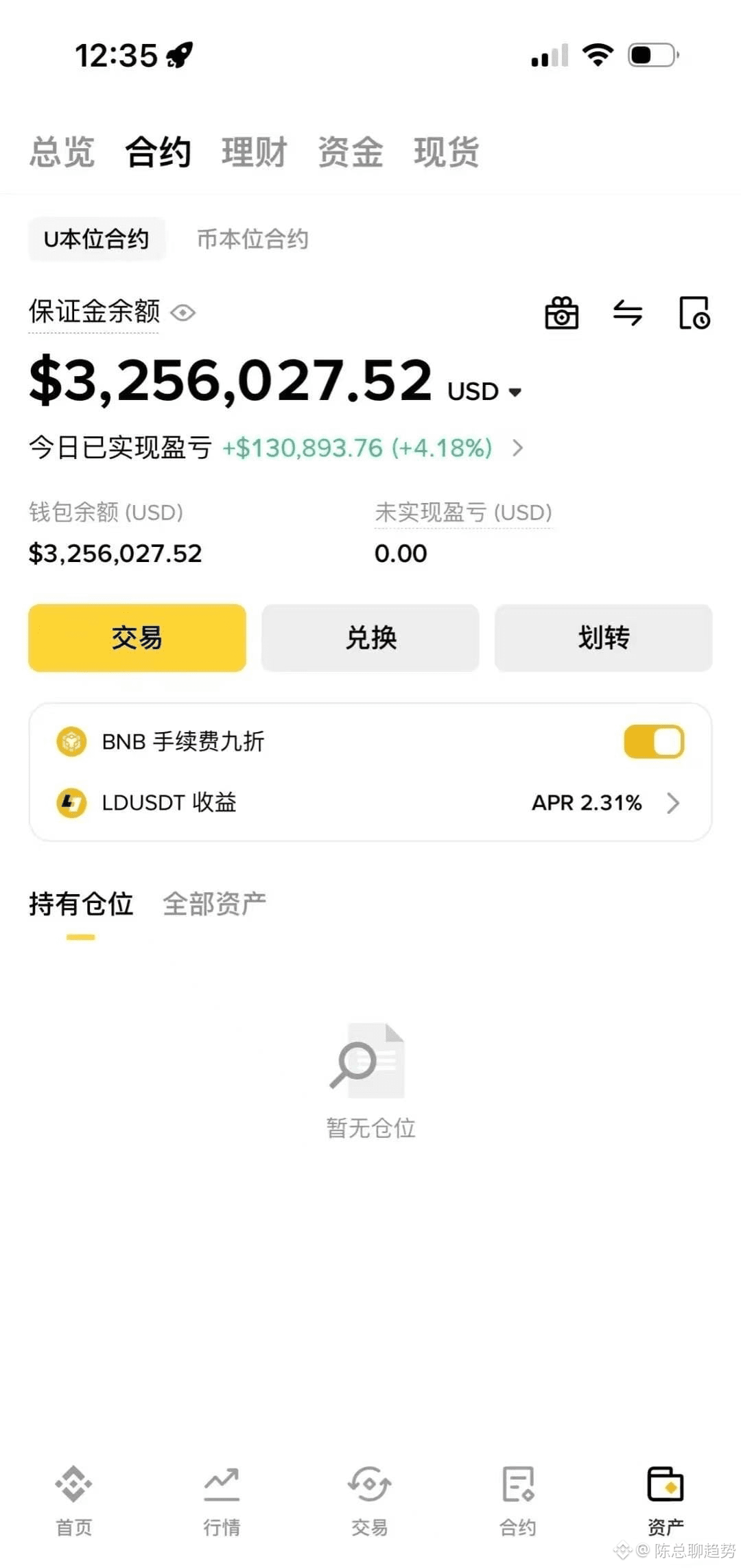
People who make it big with a few thousand U look like they’re just slacking off—$ZEC
Have you noticed? Those who really roll small capital up into six figures don’t say a word in the follower circle, and they don’t post screenshots.
Most of the time, they do nothing. If there’s no signal, they don’t touch. When you ask what they’re busy with, they’re just drinking tea, taking the dog out, or sleeping.
On the other hand, the ones who trade aggressively all day—sooner or later the account keeps getting thinner. Afraid of missing a bullish breakout, they end up catching every bearish candle.
I have a follower who turned 5000U into 120,000U. At first, he was also itching to act—if he didn’t do anything for a day, it felt unbearable.
So I helped him change his habits: every day at market close, write the plan for tomorrow. If he can’t write it, he’s not allowed to place an order.
The first week was stifling. The second week it clicked. By the third week, the account was stable.
He said: Turns out, doing less makes more.
To grow small capital, don’t rely on catching more—rely on making fewer mistakes. Losing once on a few thousand U hurts. Lose twice, and you might go to zero. People who can compound it aren’t good at grabbing opportunities—they’re good at holding back from grabbing recklessly.
Four iron rules—follow them:
Only trade the daily MACD golden cross; only act when it’s above the zero line. Don’t look at anything else; ignore group messages.
The 20-day moving average is the bottom line. Hold positions on the line; if it goes below, exit. No discussions. Fantasies about making more losses.
Entries must have volume. Without volume, a rally ten times out of nine is tricking you. If it rises 40%, sell half; if it rises 80%, sell the other half. Let the rest fly with profit.
If it breaks below the moving average at the close,撤 the next day unconditionally. Missing the trade doesn’t cost money—holding stubbornly is what’s deadly.
The rules look dull, but think about the money you used to lose—wasn’t it mostly because you kept waiting, believing it should rebound?
Rules don’t bind you—they protect you. Lose once with a few thousand U and you can still turn it around, as long as you don’t go to zero. There’s always opportunity. $VVV
Don’t wait for the market to save you—train yourself first. When the next signal comes, will you be the one who takes it steadily, or the one who gets shaken out again?
The answer is: look at how you place this trade today.
Have you noticed? Those who really roll small capital up into six figures don’t say a word in the follower circle, and they don’t post screenshots.
Most of the time, they do nothing. If there’s no signal, they don’t touch. When you ask what they’re busy with, they’re just drinking tea, taking the dog out, or sleeping.
On the other hand, the ones who trade aggressively all day—sooner or later the account keeps getting thinner. Afraid of missing a bullish breakout, they end up catching every bearish candle.
I have a follower who turned 5000U into 120,000U. At first, he was also itching to act—if he didn’t do anything for a day, it felt unbearable.
So I helped him change his habits: every day at market close, write the plan for tomorrow. If he can’t write it, he’s not allowed to place an order.
The first week was stifling. The second week it clicked. By the third week, the account was stable.
He said: Turns out, doing less makes more.
To grow small capital, don’t rely on catching more—rely on making fewer mistakes. Losing once on a few thousand U hurts. Lose twice, and you might go to zero. People who can compound it aren’t good at grabbing opportunities—they’re good at holding back from grabbing recklessly.
Four iron rules—follow them:
Only trade the daily MACD golden cross; only act when it’s above the zero line. Don’t look at anything else; ignore group messages.
The 20-day moving average is the bottom line. Hold positions on the line; if it goes below, exit. No discussions. Fantasies about making more losses.
Entries must have volume. Without volume, a rally ten times out of nine is tricking you. If it rises 40%, sell half; if it rises 80%, sell the other half. Let the rest fly with profit.
If it breaks below the moving average at the close,撤 the next day unconditionally. Missing the trade doesn’t cost money—holding stubbornly is what’s deadly.
The rules look dull, but think about the money you used to lose—wasn’t it mostly because you kept waiting, believing it should rebound?
Rules don’t bind you—they protect you. Lose once with a few thousand U and you can still turn it around, as long as you don’t go to zero. There’s always opportunity. $VVV
Don’t wait for the market to save you—train yourself first. When the next signal comes, will you be the one who takes it steadily, or the one who gets shaken out again?
The answer is: look at how you place this trade today.