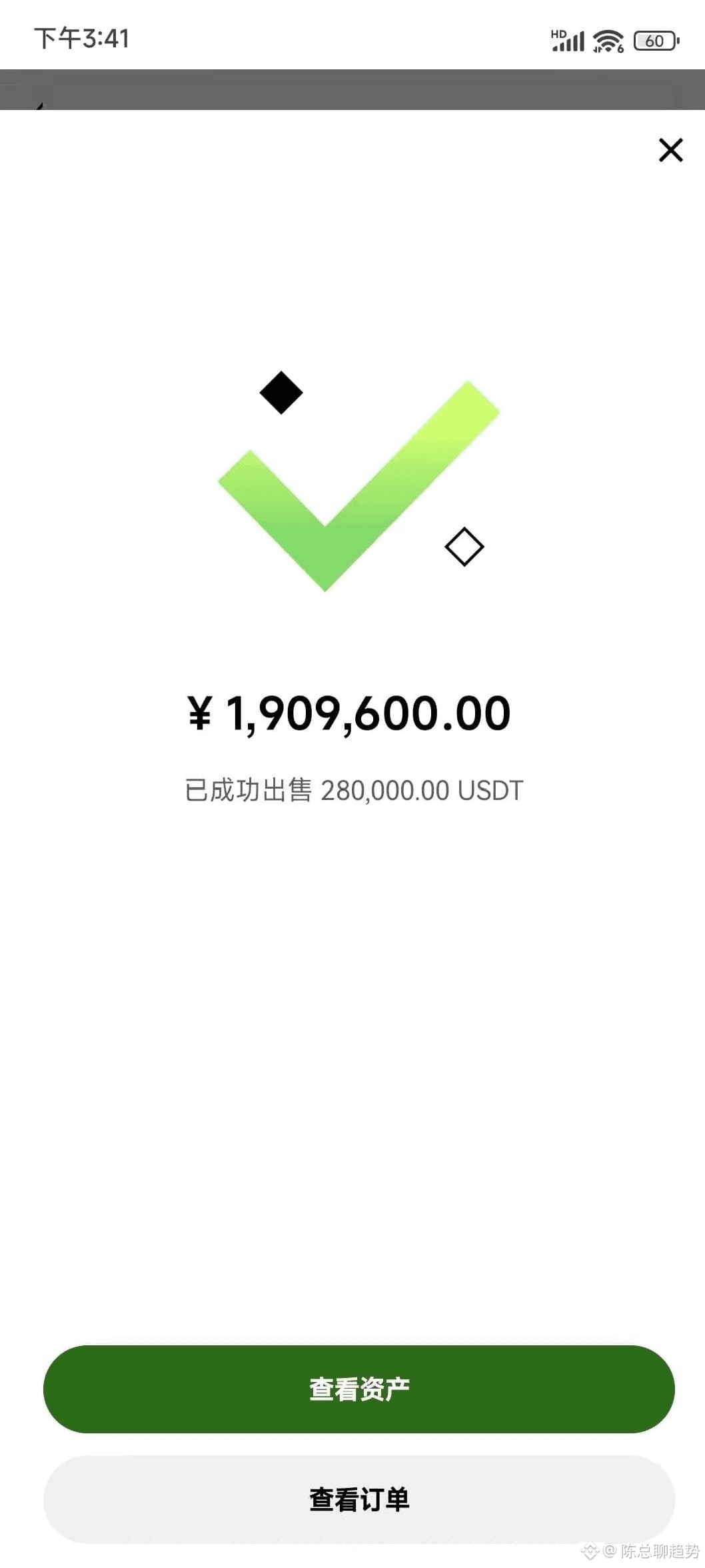
Made money in the crypto world? Don’t get derailed at the withdrawal step
I once knew an older guy who traded pretty well. In the end, he didn’t lose because of the market—he lost when withdrawing funds.
A friend introduced him to an offline exchange counter. He transferred USDT (U) to them. The next day, his card was frozen, and the money was all gone.
After that, I’ve lived by one rule: earning is ability—only cashing out counts as a win.
I’ve tried all kinds of withdrawal routes. I’ve stepped in plenty of traps. Here are a few lessons I want to share:
1. Use official channels—don’t chase convenience
The C2C fees on major exchanges might not be the most optimal, but there’s a platform standing behind you. If you trade privately and something goes wrong, you won’t be able to find anyone to take responsibility.
2. Don’t just focus on the price when choosing a merchant
I look at three things: number of successful transactions, how long they’ve been registered, and their approval rate. If an account is brand new or their price is wildly high, even if it sounds tempting, I won’t touch it.
3. Split big withdrawals into smaller ones
Don’t withdraw 100,000 USDT all at once. Break it into several smaller transfers. Small amounts draw less attention, and if the bank asks, it’s easier to respond. Annoyed? Being annoyed beats having your card frozen.
4. Keep your trading records
For every deposit and withdrawal, screenshot and back up the evidence. You might not need it day to day, but when the bank calls, you can send the screenshots in three seconds. Otherwise, you’ll have to explain for half an hour.
A friend of mine did exactly that—kept the records in advance. When the bank called, he just sent them over. The other side looked, and then stopped asking.
He said, “Good thing I listened to you.” I told him, “It wasn’t luck—it was because you didn’t cut corners back then.”
Making money in the crypto world isn’t easy. Don’t let withdrawals trip you up.
Take the straight path, split into smaller amounts, and keep proof. Withdraw when you should—don’t be scared, and don’t get greedy.
I once knew an older guy who traded pretty well. In the end, he didn’t lose because of the market—he lost when withdrawing funds.
A friend introduced him to an offline exchange counter. He transferred USDT (U) to them. The next day, his card was frozen, and the money was all gone.
After that, I’ve lived by one rule: earning is ability—only cashing out counts as a win.
I’ve tried all kinds of withdrawal routes. I’ve stepped in plenty of traps. Here are a few lessons I want to share:
1. Use official channels—don’t chase convenience
The C2C fees on major exchanges might not be the most optimal, but there’s a platform standing behind you. If you trade privately and something goes wrong, you won’t be able to find anyone to take responsibility.
2. Don’t just focus on the price when choosing a merchant
I look at three things: number of successful transactions, how long they’ve been registered, and their approval rate. If an account is brand new or their price is wildly high, even if it sounds tempting, I won’t touch it.
3. Split big withdrawals into smaller ones
Don’t withdraw 100,000 USDT all at once. Break it into several smaller transfers. Small amounts draw less attention, and if the bank asks, it’s easier to respond. Annoyed? Being annoyed beats having your card frozen.
4. Keep your trading records
For every deposit and withdrawal, screenshot and back up the evidence. You might not need it day to day, but when the bank calls, you can send the screenshots in three seconds. Otherwise, you’ll have to explain for half an hour.
A friend of mine did exactly that—kept the records in advance. When the bank called, he just sent them over. The other side looked, and then stopped asking.
He said, “Good thing I listened to you.” I told him, “It wasn’t luck—it was because you didn’t cut corners back then.”
Making money in the crypto world isn’t easy. Don’t let withdrawals trip you up.
Take the straight path, split into smaller amounts, and keep proof. Withdraw when you should—don’t be scared, and don’t get greedy.