
易琳Ten
79 Posts

易琳Ten
Report
Block User
耐心等风来,出手即收割。🐺📈
102 Following
18.5K+ Followers
5.9K+ Liked
Posts
All
Quotes
PINNED
·
--
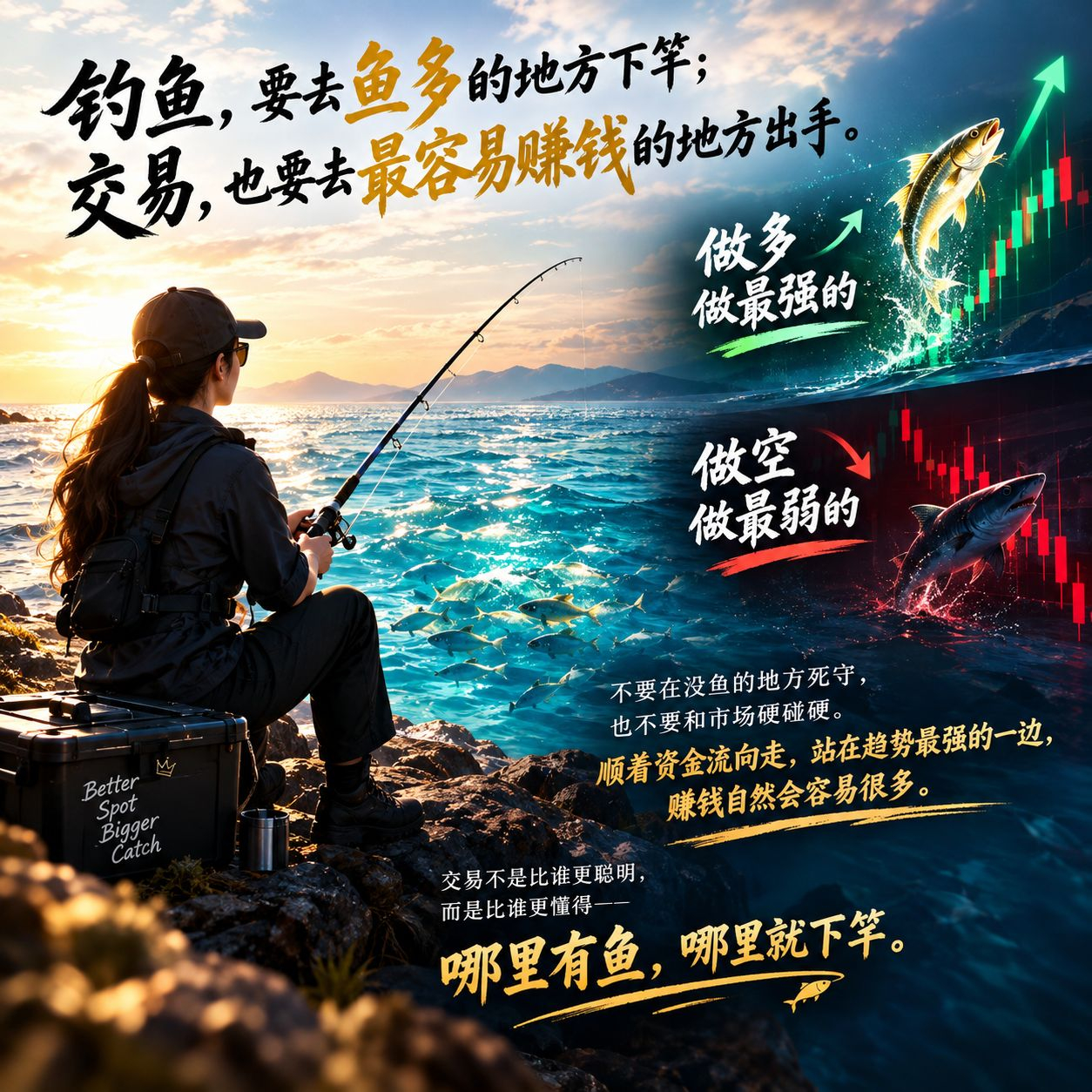
Fishing, you should go to places with lots of fish to cast your line;
Trading, you should go to the places where it’s easiest to make money to place your orders.
Go long—choose the strongest.
Go short—choose the weakest.
Don’t hold your ground where there are no fish, and don’t clash head-on with the market.
Follow the direction of the capital flows; stand on the side where the trend is strongest, and making money will naturally be much easier.
Trading isn’t about who is smarter,
but about who understands better—where there are fish, that’s where you cast your line. 🎣📈
Fishing, you should go to places with lots of fish to cast your line;
Trading, you should go to the places where it’s easiest to make money to place your orders.
Go long—choose the strongest.
Go short—choose the weakest.
Don’t hold your ground where there are no fish, and don’t clash head-on with the market.
Follow the direction of the capital flows; stand on the side where the trend is strongest, and making money will naturally be much easier.
Trading isn’t about who is smarter,
but about who understands better—where there are fish, that’s where you cast your line. 🎣📈
Trading, you should go to the places where it’s easiest to make money to place your orders.
Go long—choose the strongest.
Go short—choose the weakest.
Don’t hold your ground where there are no fish, and don’t clash head-on with the market.
Follow the direction of the capital flows; stand on the side where the trend is strongest, and making money will naturally be much easier.
Trading isn’t about who is smarter,
but about who understands better—where there are fish, that’s where you cast your line. 🎣📈
2.6k
18
136
2.6k
PINNED
·
--
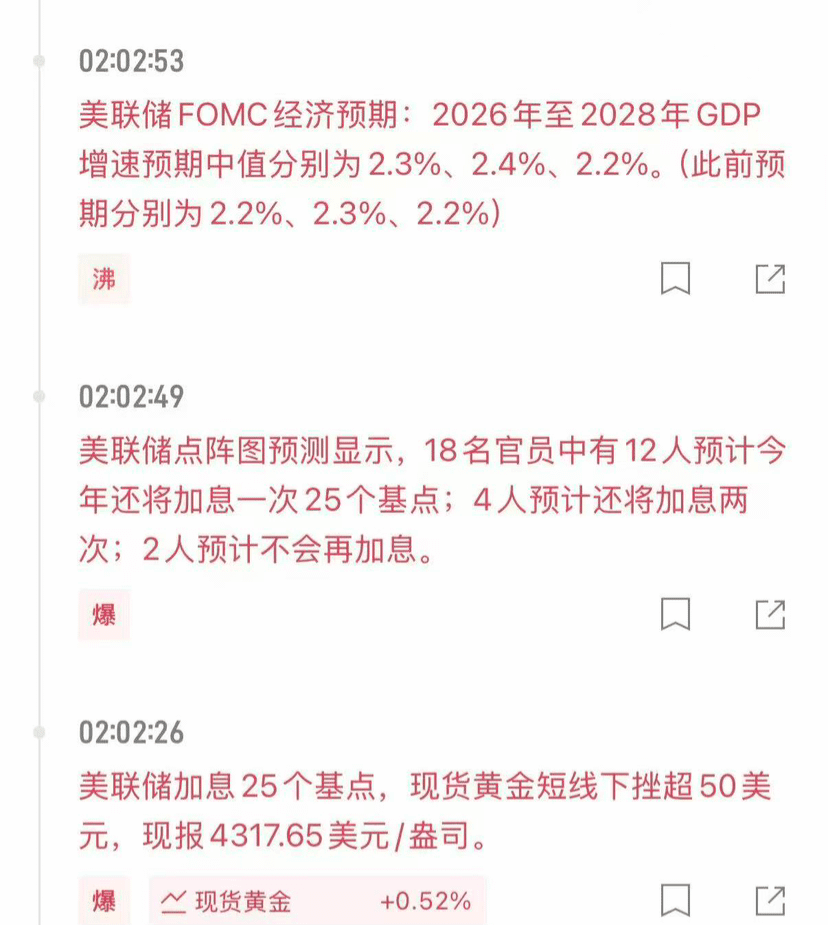
For the buy, I choose to go long on Ethereum. Even with bearish news, I still choose to go long—adding more on pullbacks.
For the buy, I choose to go long on Ethereum. Even with bearish news, I still choose to go long—adding more on pullbacks.
1.2k
30
92
1.3k
·
--
Come and listen—it's a song with a very artistic, atmospheric mood.@hpr2008
Come and listen—it's a song with a very artistic, atmospheric mood.@听澜321


听澜321
·
--
Song: “Go out and take a stroll” then meet the “little fox fairy” 😀
🌺 @听澜321 is the “wild singer” crash site 😂
High notes are powered by yelling; low notes by sighing.
Singing badly is the norm; singing well is a surprise.
Thanks to everyone for stopping by 🥰
#币安 #直播 #听澜321随笔
🌺 @听澜321 is the “wild singer” crash site 😂
High notes are powered by yelling; low notes by sighing.
Singing badly is the norm; singing well is a surprise.
Thanks to everyone for stopping by 🥰
#币安 #直播 #听澜321随笔
2
1
846
·
--
Risk control isn’t about guessing every day whether the market will suddenly crash. Real risk control is: how big your position is, where your stop-loss is, what the worst-case loss is, and what to do after you’re wrong and your trade goes the wrong way. As for whether the market will suddenly fall—that’s the market’s business.
Risk control isn’t about guessing every day whether the market will suddenly crash. Real risk control is: how big your position is, where your stop-loss is, what the worst-case loss is, and what to do after you’re wrong and your trade goes the wrong way. As for whether the market will suddenly fall—that’s the market’s business.

1
315
·
--
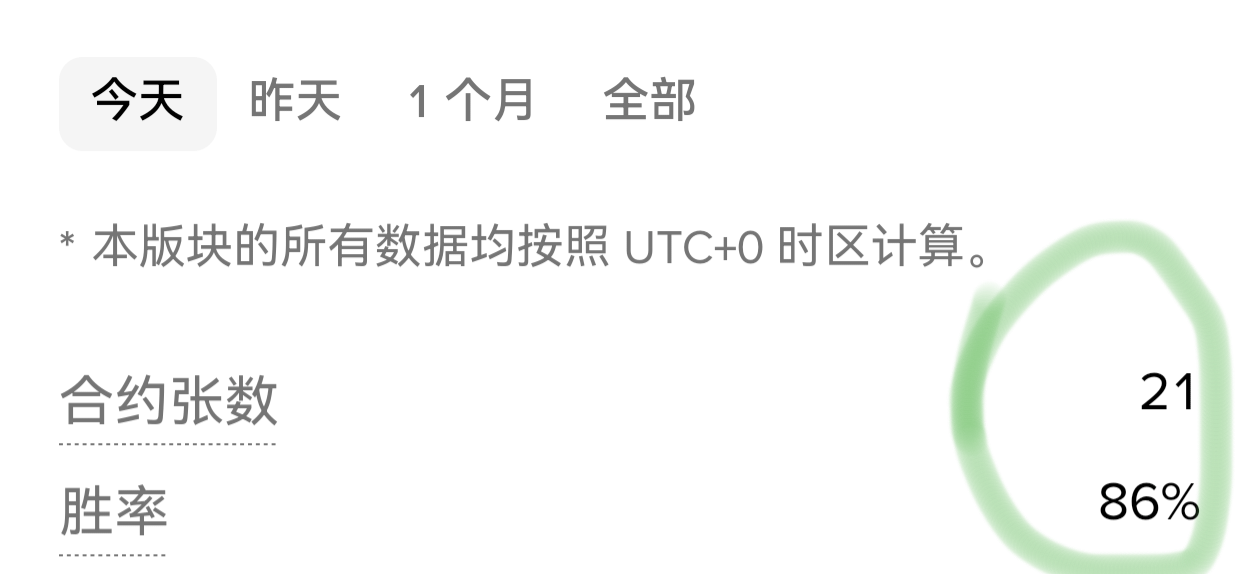
Play around with event contracts for a bit, not a bad record
Play around with event contracts for a bit, not a bad record
421
·
--
Real growth in trading comes from slowly growing small capital
By practicing with small capital and gradually building it up,
what you’re really going through is a process of honing your mindset and understanding compounding.
Many people always want to get rich overnight,
thinking they can make A8, A9 directly from a single trade.
But from the underlying logic of trading, that directly goes against trading principles.
Why do so many people who suddenly get rich end up back at square one?
Because they received a large unexpected windfall,
but they didn’t build the kind of mindset, discipline, and understanding that matches that wealth.
The power of compounding never comes from extreme returns,
but from having long enough time for “pretty good” performance.
What truly matters isn’t how much you made in one year,
but whether you can go through wave after wave of volatility and still stay in the game.
A strategy that keeps you anxious every night and makes you change your plan frequently,
no matter how excellent it sounds in theory,
is hard to carry out consistently over the long run.
Trading isn’t about who can make the most money in one night,
but about who can last long enough—so that time turns “pretty good” returns into astonishing results.
It’s okay to go slower.
Stability is the real starting point of compounding.
Real growth in trading comes from slowly growing small capital
By practicing with small capital and gradually building it up,
what you’re really going through is a process of honing your mindset and understanding compounding.
Many people always want to get rich overnight,
thinking they can make A8, A9 directly from a single trade.
But from the underlying logic of trading, that directly goes against trading principles.
Why do so many people who suddenly get rich end up back at square one?
Because they received a large unexpected windfall,
but they didn’t build the kind of mindset, discipline, and understanding that matches that wealth.
The power of compounding never comes from extreme returns,
but from having long enough time for “pretty good” performance.
What truly matters isn’t how much you made in one year,
but whether you can go through wave after wave of volatility and still stay in the game.
A strategy that keeps you anxious every night and makes you change your plan frequently,
no matter how excellent it sounds in theory,
is hard to carry out consistently over the long run.
Trading isn’t about who can make the most money in one night,
but about who can last long enough—so that time turns “pretty good” returns into astonishing results.
It’s okay to go slower.
Stability is the real starting point of compounding.
By practicing with small capital and gradually building it up,
what you’re really going through is a process of honing your mindset and understanding compounding.
Many people always want to get rich overnight,
thinking they can make A8, A9 directly from a single trade.
But from the underlying logic of trading, that directly goes against trading principles.
Why do so many people who suddenly get rich end up back at square one?
Because they received a large unexpected windfall,
but they didn’t build the kind of mindset, discipline, and understanding that matches that wealth.
The power of compounding never comes from extreme returns,
but from having long enough time for “pretty good” performance.
What truly matters isn’t how much you made in one year,
but whether you can go through wave after wave of volatility and still stay in the game.
A strategy that keeps you anxious every night and makes you change your plan frequently,
no matter how excellent it sounds in theory,
is hard to carry out consistently over the long run.
Trading isn’t about who can make the most money in one night,
but about who can last long enough—so that time turns “pretty good” returns into astonishing results.
It’s okay to go slower.
Stability is the real starting point of compounding.

1
737
·
--
Control Your Desires, Manage Your Fear
You think you’re researching the market.
In reality, the market is researching you.
Study your greed,
study your fear,
study your luck-attempts,
study when you’ll lose control.
Control Your Desires, Manage Your Fear
You think you’re researching the market.
In reality, the market is researching you.
Study your greed,
study your fear,
study your luck-attempts,
study when you’ll lose control.
You think you’re researching the market.
In reality, the market is researching you.
Study your greed,
study your fear,
study your luck-attempts,
study when you’ll lose control.

4
6
1.1k
·
--
The Highest Realm of Trading: Ultimate Simplicity
You must rid yourself of all tedious, distracting clutter.
A trading career is radically different from ordinary life. Trading, at its core, is a minimalist way of living.
You should proactively eliminate unnecessary distractions from your life, keeping your private life simple and calm. Only then will you have enough energy to repeatedly make rational, composed decisions that are fully thought through.
In fact, trading and life influence each other:
If life is chaotic, your trading judgments are more likely to become distorted; if your trading routine is frantic and messy, it will also drag down your personal life.
So a truly mature trader should align their life rhythm with their trading rhythm.
Especially watch out for—decision fatigue.
What this industry fears most is not a lack of opportunities, but making too many meaningless decisions every day, and then—through exhaustion, anxiety, and impulsiveness—ending up with wrong judgments.
Trading doesn’t require you to make life complicated. Instead, you should remove everything that’s irrelevant.
Save energy for what truly matters:
waiting, judging, execution, and controlling risk.
The Highest Realm of Trading: Ultimate Simplicity
You must rid yourself of all tedious, distracting clutter.
A trading career is radically different from ordinary life. Trading, at its core, is a minimalist way of living.
You should proactively eliminate unnecessary distractions from your life, keeping your private life simple and calm. Only then will you have enough energy to repeatedly make rational, composed decisions that are fully thought through.
In fact, trading and life influence each other:
If life is chaotic, your trading judgments are more likely to become distorted; if your trading routine is frantic and messy, it will also drag down your personal life.
So a truly mature trader should align their life rhythm with their trading rhythm.
Especially watch out for—decision fatigue.
What this industry fears most is not a lack of opportunities, but making too many meaningless decisions every day, and then—through exhaustion, anxiety, and impulsiveness—ending up with wrong judgments.
Trading doesn’t require you to make life complicated. Instead, you should remove everything that’s irrelevant.
Save energy for what truly matters:
waiting, judging, execution, and controlling risk.
You must rid yourself of all tedious, distracting clutter.
A trading career is radically different from ordinary life. Trading, at its core, is a minimalist way of living.
You should proactively eliminate unnecessary distractions from your life, keeping your private life simple and calm. Only then will you have enough energy to repeatedly make rational, composed decisions that are fully thought through.
In fact, trading and life influence each other:
If life is chaotic, your trading judgments are more likely to become distorted; if your trading routine is frantic and messy, it will also drag down your personal life.
So a truly mature trader should align their life rhythm with their trading rhythm.
Especially watch out for—decision fatigue.
What this industry fears most is not a lack of opportunities, but making too many meaningless decisions every day, and then—through exhaustion, anxiety, and impulsiveness—ending up with wrong judgments.
Trading doesn’t require you to make life complicated. Instead, you should remove everything that’s irrelevant.
Save energy for what truly matters:
waiting, judging, execution, and controlling risk.

3
1
9
2k
·
--
Trading is never only a battle of IQ
Traditional IQ tests measure language, logic, and spatial reasoning—but they cannot determine whether a trader can stand at the top of the market.
Truly top-tier trading ability comes from three core qualities:
First, probability intuition.
It’s not about predicting the future, but quickly judging win rates amid uncertainty—knowing when to act and when to wait.
Second, emotional control.
When facing massive unrealized losses, consecutive stop-outs, and market panic, you can still stay calm and not be driven by greed or fear.
Third, pattern recognition.
From complex price fluctuations, capital flows, and market sentiment, capture patterns that others can’t see.
These abilities can’t be copied by a few books or a few indicators. It’s more like a “brain trading system” formed through long-term training—your prefrontal cortex handles rational decisions, the amygdala handles emotional reactions, and truly excellent traders can keep both in balance.
So in the end, what the market tests is not just knowledge and techniques, but a person’s cognitive structure, psychological resilience, and the ability to handle uncertainty.
Trading is a war between a person and their own brain. True experts win themselves first, then win the market.
Trading is never only a battle of IQ
Traditional IQ tests measure language, logic, and spatial reasoning—but they cannot determine whether a trader can stand at the top of the market.
Truly top-tier trading ability comes from three core qualities:
First, probability intuition.
It’s not about predicting the future, but quickly judging win rates amid uncertainty—knowing when to act and when to wait.
Second, emotional control.
When facing massive unrealized losses, consecutive stop-outs, and market panic, you can still stay calm and not be driven by greed or fear.
Third, pattern recognition.
From complex price fluctuations, capital flows, and market sentiment, capture patterns that others can’t see.
These abilities can’t be copied by a few books or a few indicators. It’s more like a “brain trading system” formed through long-term training—your prefrontal cortex handles rational decisions, the amygdala handles emotional reactions, and truly excellent traders can keep both in balance.
So in the end, what the market tests is not just knowledge and techniques, but a person’s cognitive structure, psychological resilience, and the ability to handle uncertainty.
Trading is a war between a person and their own brain. True experts win themselves first, then win the market.
Traditional IQ tests measure language, logic, and spatial reasoning—but they cannot determine whether a trader can stand at the top of the market.
Truly top-tier trading ability comes from three core qualities:
First, probability intuition.
It’s not about predicting the future, but quickly judging win rates amid uncertainty—knowing when to act and when to wait.
Second, emotional control.
When facing massive unrealized losses, consecutive stop-outs, and market panic, you can still stay calm and not be driven by greed or fear.
Third, pattern recognition.
From complex price fluctuations, capital flows, and market sentiment, capture patterns that others can’t see.
These abilities can’t be copied by a few books or a few indicators. It’s more like a “brain trading system” formed through long-term training—your prefrontal cortex handles rational decisions, the amygdala handles emotional reactions, and truly excellent traders can keep both in balance.
So in the end, what the market tests is not just knowledge and techniques, but a person’s cognitive structure, psychological resilience, and the ability to handle uncertainty.
Trading is a war between a person and their own brain. True experts win themselves first, then win the market.

1
9
1k
·
--
📈 In the early stage of a bull market, there’s no need to be afraid of missing out
Even if you’re currently in the early stage of a bull market, there’s no need to chase the price blindly just because you’re afraid of missing out.
You can refer to the performance during the early stage of the 2023 bull market:
1️⃣ Price action rhythm
On the daily chart, the market keeps consolidating and making new highs; after it touches the upper band, upward momentum weakens and it first pulls back on the daily timeframe.
After the pullback ends, it rebounds again to test the upper band, and then it enters another pullback cycle at the three-day-line level.
2️⃣ Current outlook
BTC will most likely continue to trade sideways with frequent swings, repeatedly probing for new highs.
In the short term, watch the resistance around 85,000. If it stalls there, it may first drop back to around 77,000;
then, if it rebounds and reaches 88,000–89,000, another three-day-line-level pullback could occur, and it may even retest the area around 70,000.
So missing out isn’t scary—what’s scary is chasing at elevated prices.
There will still be opportunities to buy the dips later.
3️⃣ Why I believe Bitcoin will definitely experience a pullback?
First, to flush out the longs and absorb the profit-taking positions.
Second, the market needs time and space; it can’t rise in a straight line forever with everyone easily making money.
Bull markets are never short of opportunities—the real test is patience.
Don’t chase; don’t panic—wait for the dip entry point that’s meant for you.
📈 In the early stage of a bull market, there’s no need to be afraid of missing out
Even if you’re currently in the early stage of a bull market, there’s no need to chase the price blindly just because you’re afraid of missing out.
You can refer to the performance during the early stage of the 2023 bull market:
1️⃣ Price action rhythm
On the daily chart, the market keeps consolidating and making new highs; after it touches the upper band, upward momentum weakens and it first pulls back on the daily timeframe.
After the pullback ends, it rebounds again to test the upper band, and then it enters another pullback cycle at the three-day-line level.
2️⃣ Current outlook
BTC will most likely continue to trade sideways with frequent swings, repeatedly probing for new highs.
In the short term, watch the resistance around 85,000. If it stalls there, it may first drop back to around 77,000;
then, if it rebounds and reaches 88,000–89,000, another three-day-line-level pullback could occur, and it may even retest the area around 70,000.
So missing out isn’t scary—what’s scary is chasing at elevated prices.
There will still be opportunities to buy the dips later.
3️⃣ Why I believe Bitcoin will definitely experience a pullback?
First, to flush out the longs and absorb the profit-taking positions.
Second, the market needs time and space; it can’t rise in a straight line forever with everyone easily making money.
Bull markets are never short of opportunities—the real test is patience.
Don’t chase; don’t panic—wait for the dip entry point that’s meant for you.
Even if you’re currently in the early stage of a bull market, there’s no need to chase the price blindly just because you’re afraid of missing out.
You can refer to the performance during the early stage of the 2023 bull market:
1️⃣ Price action rhythm
On the daily chart, the market keeps consolidating and making new highs; after it touches the upper band, upward momentum weakens and it first pulls back on the daily timeframe.
After the pullback ends, it rebounds again to test the upper band, and then it enters another pullback cycle at the three-day-line level.
2️⃣ Current outlook
BTC will most likely continue to trade sideways with frequent swings, repeatedly probing for new highs.
In the short term, watch the resistance around 85,000. If it stalls there, it may first drop back to around 77,000;
then, if it rebounds and reaches 88,000–89,000, another three-day-line-level pullback could occur, and it may even retest the area around 70,000.
So missing out isn’t scary—what’s scary is chasing at elevated prices.
There will still be opportunities to buy the dips later.
3️⃣ Why I believe Bitcoin will definitely experience a pullback?
First, to flush out the longs and absorb the profit-taking positions.
Second, the market needs time and space; it can’t rise in a straight line forever with everyone easily making money.
Bull markets are never short of opportunities—the real test is patience.
Don’t chase; don’t panic—wait for the dip entry point that’s meant for you.

3.8k
20
212
3.8k
·
--

Article
The 20 Books a Trader Is Truly Worth ReadingWhen the market is quiet and the action is light, it’s the best time to enhance your understanding.
Truly excellent traders don’t read books to look for a “sure-win shortcut,” but to understand:
Why does the world run this way?
Why does wealth come into being?
Why do cycles repeat?
Where will future opportunities arise?
Ordinary traders study prices; great traders study the market; and top traders study—history, cycles, human nature, technology, and the future.
The following 20 books are worth reading for everyone who wants to stay in the market long-term.
Part One: Understanding the Past—How the World Was Formed
The 20 Books a Trader Is Truly Worth Reading
When the market is quiet and the action is light, it’s the best time to enhance your understanding.
Truly excellent traders don’t read books to look for a “sure-win shortcut,” but to understand:
Why does the world run this way?
Why does wealth come into being?
Why do cycles repeat?
Where will future opportunities arise?
Ordinary traders study prices; great traders study the market; and top traders study—history, cycles, human nature, technology, and the future.
The following 20 books are worth reading for everyone who wants to stay in the market long-term.
Part One: Understanding the Past—How the World Was Formed
Truly excellent traders don’t read books to look for a “sure-win shortcut,” but to understand:
Why does the world run this way?
Why does wealth come into being?
Why do cycles repeat?
Where will future opportunities arise?
Ordinary traders study prices; great traders study the market; and top traders study—history, cycles, human nature, technology, and the future.
The following 20 books are worth reading for everyone who wants to stay in the market long-term.
Part One: Understanding the Past—How the World Was Formed
2
6
907
·
--
The market won't punish you for making mistakes. It punishes you for letting your emotions control your timing.
The market won't punish you for making mistakes. It punishes you for letting your emotions control your timing.

4
1
24
1.4k
Log in to explore more content
Join global crypto users on Binance Square
⚡️ Get latest and useful information about crypto.
💬 Trusted by the world’s largest crypto exchange.
👍 Discover real insights from verified creators.
Email / Phone number
Trending Topics
BTCBreaks80K
153,445 views
2,440 Discussing
🚨₿ $BTC RECLAIMS $80K — BUT THE REAL BATTLE STARTS NOW! 🔥👀
#Bitcoin has pushed above $80,000, reaching around $80,703 in recent trading as market sentiment recovered despite rate-hike and regulatory concerns.
MarketWatch
+1
💥 BREAKOUT OR TRAP?
The $80K level is now a key area for traders to watch. Strong follow-through could sustain momentum, while profit-taking, leverage, and macroeconomic uncertainty may fuel sharp reversals.
🌊 THE RIPPLE EFFECT:
₿ BTC momentum may influence ETH and altcoin sentiment, but a broad rally isn't guaranteed.
🎯 THE BIG QUESTION: Is Bitcoin preparing for its next major move, or will the market demand a deeper correction first?
🔥 DON'T CHASE THE CANDLE — WATCH VOLUME, LIQUIDITY & MARKET STRUCTURE!
👑 MFI CRYPTO 🚀
💬 BTC ABOVE $85K NEXT? OR A SURPRISE PULLBACK?
#Bitcoin #BTC #Crypto #Altcoins #Ethereum #Trading #Binance #MFiCrypto
#btcbreaks80k
MFI crypto
·4 Likes
·2.2k views
BitcoinMarketCapTopsTesla
594 views
75 Discussing
SOLJumpsAbout10%
8,297 views
252 Discussing