




In the content-creation traffic funnel, if the compelling title determines the “click-through rate” and the solid main text determines the “completion rate,” then the final two sentences at the end directly determine the “engagement rate” and the “secondary distribution rate.”
A common mistake many creators make is “a strong start followed by an abrupt finish”—they pack the beginning with valuable insights, but end it carelessly with a line like “Like and follow to not get lost,” wasting the reading momentum they just built up.
To turn casual readers into high-frequency engaged fans, you must end with an action command that clearly states the motivation and has an extremely low participation threshold. Today, I’ll teach you how to design the closing copy so that readers finish reading and can’t help but leave comments and share it proactively!
1. Why you need to guide fans to interact in the comments—how interaction matters for traffic
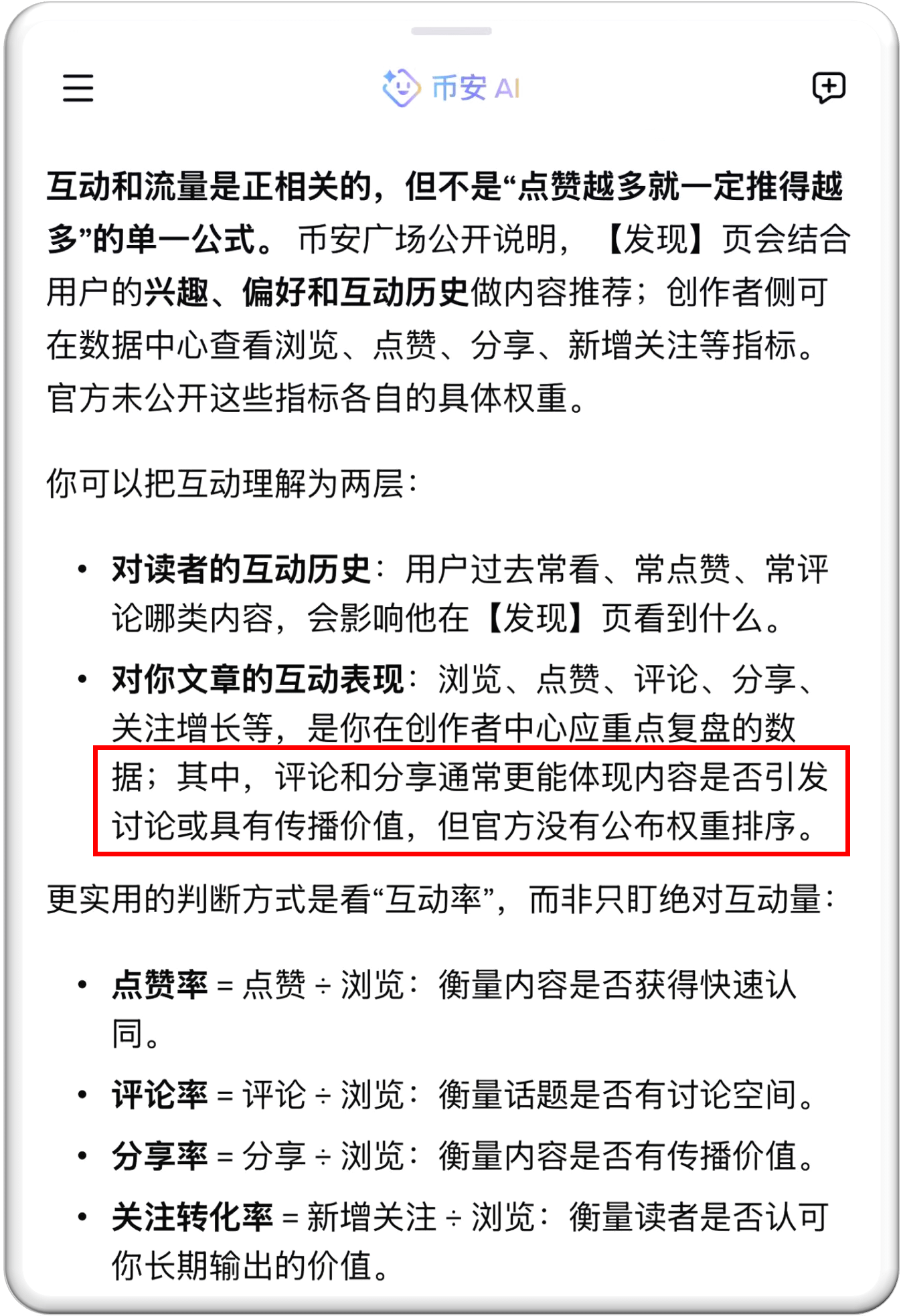
The comments section isn’t a one-way留言 board. It’s the core data engine that measures content vitality and drives the algorithm’s secondary push:
Activate the algorithm recommendation pool to get promoted: after publishing new content, the system allocates an initial exposure package. The platform’s core metrics for content value aren’t just clicks—it also heavily considers the number of comments, the depth of replies, and time spent on the page. Content with higher interaction frequency is judged as having strong discussion value, becoming a high-quality post that triggers secondary (or even more) rounds of pushing.
Multiply your interaction base: if a reader comments 1 time and you reply seriously 1 time, and the reader follows up with another question, that originally isolated 1 interaction suddenly becomes 3 data interactions—directly boosting the “total interaction volume” in the creator dashboard.
Build trust and conversion foundations: users on the bulletin board are mostly real traders. An active and in-depth comments section can showcase the creator’s professionalism and approachability, providing strong trust support for later content “mining” for commissions and following/lead conversions.
2. How to correctly add interaction-prompt scripts at the end of the article—recommended excellent scripts
A good ending is never an empty “please like and follow.” Instead, it should present specific instructions with a low barrier and strong motivation, so readers naturally feel compelled to speak up:
Opposition-side positioning (focus on long/short competition and trend judgment)
Logic: give a clear two-choice option so readers with viewpoints can quickly choose their side.
Script example: “The broader market has been consolidating with shrinking volume at this key resistance level—do you think it’s building up for a breakout, or a pullback to wash out positions? If bullish, pick 1; if bearish, pick 2. Check the proportion of the long vs. short camps in the comments!”
Resource supplementation type (focus on tool reviews and hands-on chain-scanning practice)
Logic: throw out high-value parameter details that aren’t suitable to occupy space in the main text, to trigger the desire to obtain them and encourage sharing and saving.
Script example: “Today I put together a set of parameters for scanning dog and preventing貔貅—there are a lot of rules. Brothers, leave a comment in the comments section if you need them. And as a bonus, share and save it. If the留言 exceeds 20 people, I’ll put the complete parameter configuration table directly in the pinned area.”
Peer consultation type (focus on revisiting mistakes and sharing real-world experience)
Logic: lower your posture to ask readers for advice, activating old players’ desire to express and share.
Script example: “This time, I summarized these 3 lessons to avoid pitfalls from on-chain interactions. Have you encountered any more hidden tricks recently on-chain? Welcome to share and discuss in the comments, and help more newcomers avoid getting burned.
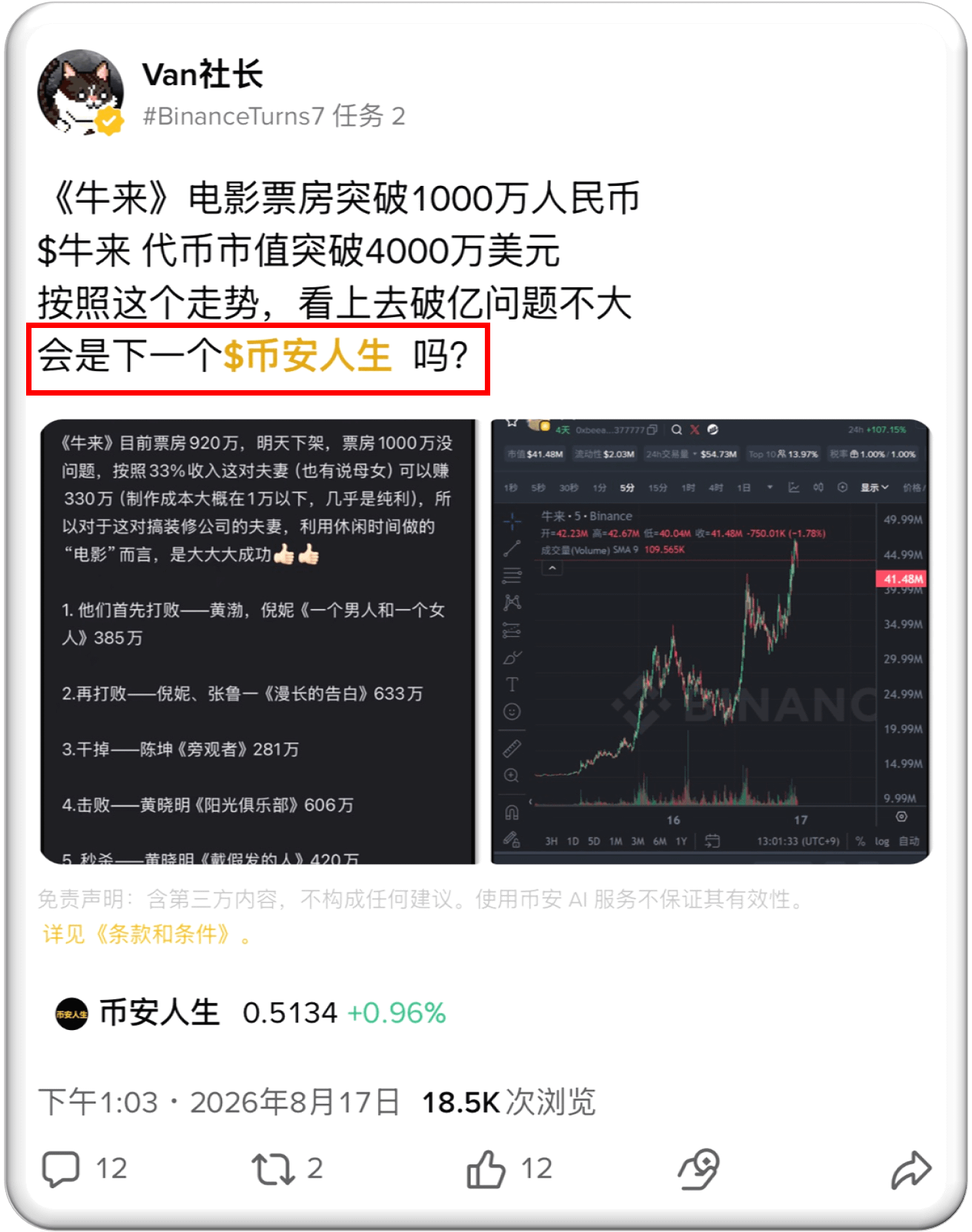
Content is the face that attracts readers, while the end-of-article prompt is the key step that pulls readers into the scene.
Never treat “asking for interaction” as optional polite talk. In the platform’s recommendation logic, every click, comment, and share from your readers becomes a scoring factor used to determine whether to push your content into a larger public traffic pool. A good end-of-article prompt is like passing a baton at the finish line of a long race—giving readers who are still not done reading a clear, smooth, and effortless reason to speak.
Once you truly spark readers’ desire to express themselves, you’ll find that the article’s interaction rate and completion data improve instantly!