
易琳Ten
90 Posts

易琳Ten
耐心等风来,出手即收割。🐺📈
102 Following
18.5K+ Followers
5.9K+ Liked
Posts
All
Quotes
PINNED
PINNED

奕泽YIZZE
·
--
🧧🧧🧧🧧In the fast-changing digital economy tide, moving forward steadily is a long-term strategy. Follow LUCIC—seize the value and potential amid market fluctuations, and become a long-term, steady planner..
Follow, like, and share!
Follow, like, and share!


猫咪神9527
·
--
🔥🔥Fire alarm cat🔥🔥🔥
Make those who believe earn 100 times,
🔥🔥🔥🔥🔥🔥🔥
Make those who work hard earn 1,000 times,
🔥🔥🔥🔥🔥🔥🔥
Make those who keep going earn 10,000 times,
🔥🔥🔥🔥🔥🔥🔥
Make those who doubt regret it.
Make those who believe earn 100 times,
🔥🔥🔥🔥🔥🔥🔥
Make those who work hard earn 1,000 times,
🔥🔥🔥🔥🔥🔥🔥
Make those who keep going earn 10,000 times,
🔥🔥🔥🔥🔥🔥🔥
Make those who doubt regret it.

开心哥1314
·
--
#美联储加息是否已成定局



Muzamil Abbas⁷⁵ 穆扎米尔_阿巴斯
·
--
Bullish$DOGE
💰 $50 DOGE GIVEAWAY 🎁
A little DOGE surprise for the community! 🐶✨
Want to be part of it? Just complete these simple steps:
1️⃣ Follow Muzamil Abbas
2️⃣ Repost this post 🔄
3️⃣ Comment “1” 💬
4️⃣ Claim your reward 🎁
That’s it! Simple and easy. ❤️
Good luck everyone! May the DOGE luck be with you 🐕
#MuzammilAbbas⁷⁵穆扎米拉巴斯 🔥
$ZEC
$G
💰 $50 DOGE GIVEAWAY 🎁
A little DOGE surprise for the community! 🐶✨
Want to be part of it? Just complete these simple steps:
1️⃣ Follow Muzamil Abbas
2️⃣ Repost this post 🔄
3️⃣ Comment “1” 💬
4️⃣ Claim your reward 🎁
That’s it! Simple and easy. ❤️
Good luck everyone! May the DOGE luck be with you 🐕
#MuzammilAbbas⁷⁵穆扎米拉巴斯 🔥
$ZEC
$G

东吉大腿
·
--
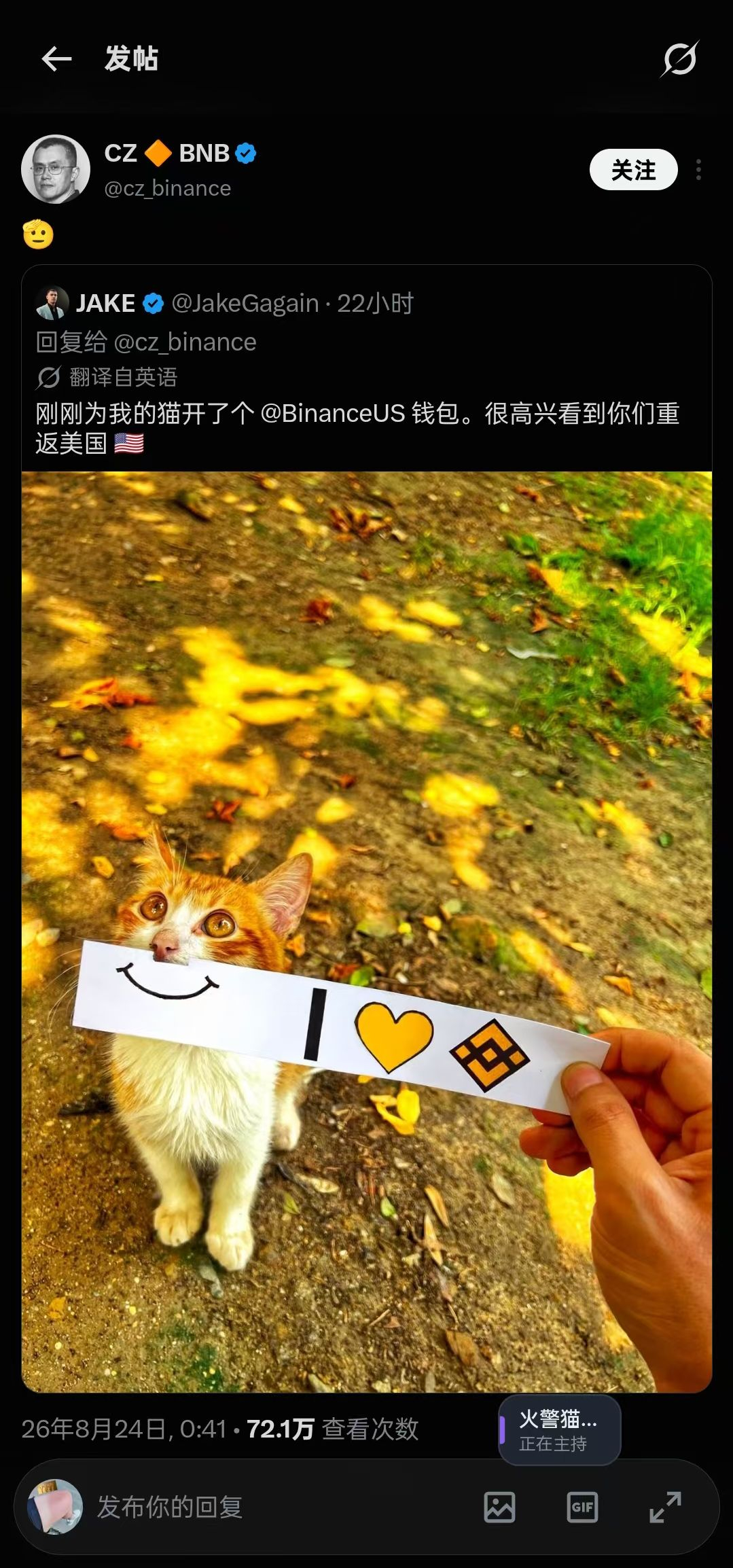
@CZ replied on X with (cat)
#火警猫 #Firecat is also a cat; let everyone build it up
@火警猫1688 @阿婧1688
Everyone enter the @火警猫1688 live room—there are daily air drops when you have time
#火警猫 #Firecat is also a cat; let everyone build it up
@火警猫1688 @阿婧1688
Everyone enter the @火警猫1688 live room—there are daily air drops when you have time



仙子131419
·
--
🔥🔥🔥🔥🔥🔥 The fire-alarm cat’s train has departed 👉👉👉 for you and me who are on the road to financial freedom 👌👌👌 Let’s welcome everyone who can board this train to financial freedom and keep it up 💪💪💪💪💪💪



紫气东来M天官赐福
·
--
New mark, quick look! Fire alarm cat, claim your red envelope!


圣克斯Lucky1688
·
--
🧧🎁🧧🎁🧧🎁
Around September 18, a series of important infrastructure upgrades, project pivots, and industry ecosystem developments took place in the blockchain sector:
1. The Vanar chain completed a major migration and formally shut down its independent L1 mainnet Vanar project. On September 18, it officially initiated the shutdown and liquidation procedures for its original independent Layer 1 blockchain. Before that, on September 17, the project had completed the migration of its token contracts, and trading of VANRY tokens on Ethereum and Polygon was formally paused, fully transitioning to the Base chain. This move marks its departure from the early era of independent public chains. In the future, its strategy will fully shift toward an AI application ecosystem built on the Base chain and “AI Organizations” (AI orgs) platform (such as the Foundry platform planned for release on October 1).
2. In mid-September, the industry’s pragmatic shift toward real-world Web3 business adoption accelerated. The focus of discussions in the Web3 space is moving faster from pure token speculation and concept hype toward “eliminating real-world friction in commerce.” Developers and startups are increasingly inclined to apply blockchain technology to scenarios that truly require multi-party trust, tamper-proof credentials, supply-chain anti-counterfeiting, and digital identity verification—while keeping sensitive data and core business logic off-chain. The emphasis is on “trust infrastructure is better than token theater.”
3. Global regional Web3 and blockchain conferences continued to advance. With mid-September approaching, Web3 technical events and conferences combining academia and industry (such as regional tech events like Brazil’s Web3 PE, etc.) are also rolling out in close succession. These discussions mainly focus on concrete deployment cases of blockchain in areas such as the digital economy, compliant payments, and the creative industries. Overall, as of September 18, the Web3 industry is undergoing structural adjustments: public-chain ecosystems are converging toward mainstream high-performance networks (such as Base) through architectural upgrades, while the industry’s application layer is becoming more pragmatic and compliant.
Follow me and get the $SOL red envelope in Answer 1!
🧧🎁🧧🎁🧧🎁
Around September 18, a series of important infrastructure upgrades, project pivots, and industry ecosystem developments took place in the blockchain sector:
1. The Vanar chain completed a major migration and formally shut down its independent L1 mainnet Vanar project. On September 18, it officially initiated the shutdown and liquidation procedures for its original independent Layer 1 blockchain. Before that, on September 17, the project had completed the migration of its token contracts, and trading of VANRY tokens on Ethereum and Polygon was formally paused, fully transitioning to the Base chain. This move marks its departure from the early era of independent public chains. In the future, its strategy will fully shift toward an AI application ecosystem built on the Base chain and “AI Organizations” (AI orgs) platform (such as the Foundry platform planned for release on October 1).
2. In mid-September, the industry’s pragmatic shift toward real-world Web3 business adoption accelerated. The focus of discussions in the Web3 space is moving faster from pure token speculation and concept hype toward “eliminating real-world friction in commerce.” Developers and startups are increasingly inclined to apply blockchain technology to scenarios that truly require multi-party trust, tamper-proof credentials, supply-chain anti-counterfeiting, and digital identity verification—while keeping sensitive data and core business logic off-chain. The emphasis is on “trust infrastructure is better than token theater.”
3. Global regional Web3 and blockchain conferences continued to advance. With mid-September approaching, Web3 technical events and conferences combining academia and industry (such as regional tech events like Brazil’s Web3 PE, etc.) are also rolling out in close succession. These discussions mainly focus on concrete deployment cases of blockchain in areas such as the digital economy, compliant payments, and the creative industries. Overall, as of September 18, the Web3 industry is undergoing structural adjustments: public-chain ecosystems are converging toward mainstream high-performance networks (such as Base) through architectural upgrades, while the industry’s application layer is becoming more pragmatic and compliant.
Follow me and get the $SOL red envelope in Answer 1!
🧧🎁🧧🎁🧧🎁




阿婧1688
·
--
In the direction of warm sunshine, you carry your own brilliance, good morning✨
$BNB $SOL
$BNB $SOL

易琳Ten
·
--
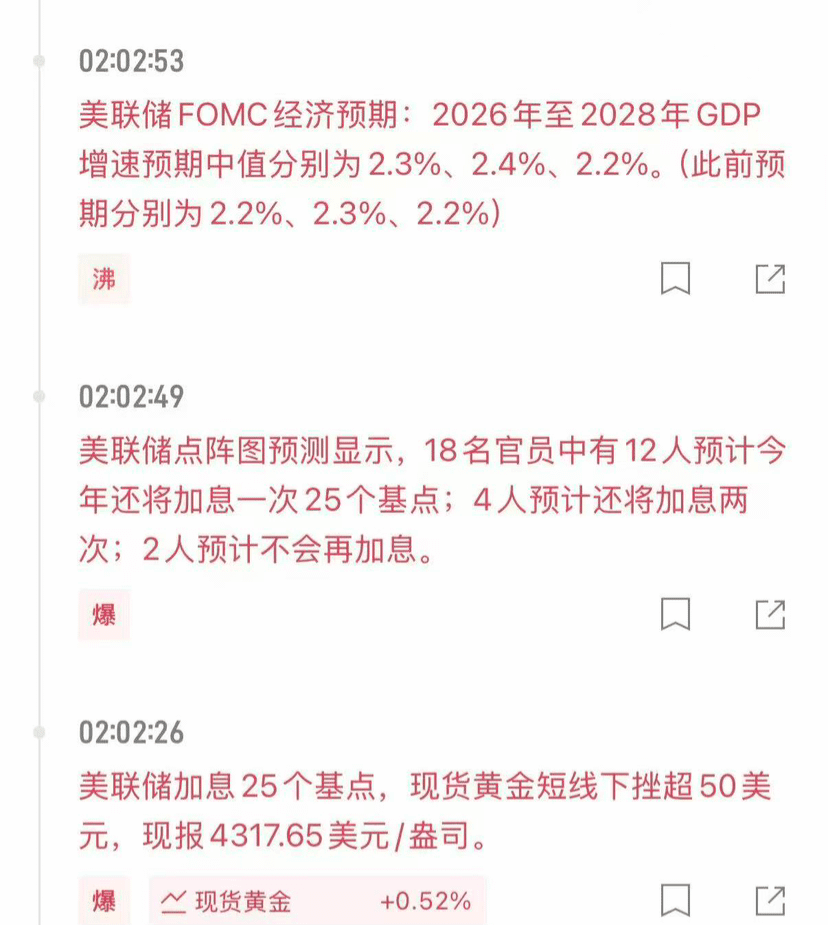
For the buy, I choose to go long on Ethereum. Even with bearish news, I still choose to go long—adding more on pullbacks.
易琳Ten
·
--
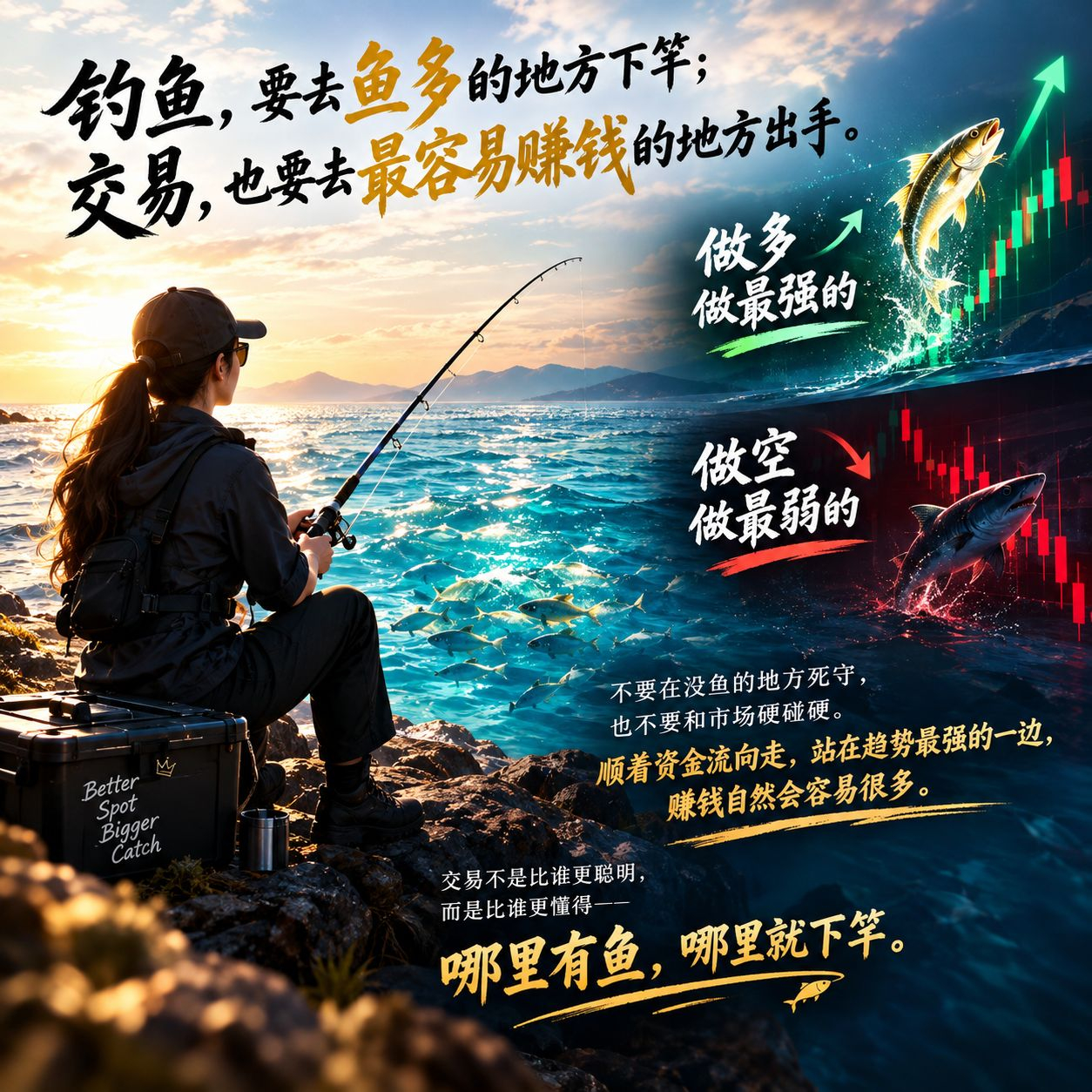
Fishing, you should go to places with lots of fish to cast your line;
Trading, you should go to the places where it’s easiest to make money to place your orders.
Go long—choose the strongest.
Go short—choose the weakest.
Don’t hold your ground where there are no fish, and don’t clash head-on with the market.
Follow the direction of the capital flows; stand on the side where the trend is strongest, and making money will naturally be much easier.
Trading isn’t about who is smarter,
but about who understands better—where there are fish, that’s where you cast your line. 🎣📈
Trading, you should go to the places where it’s easiest to make money to place your orders.
Go long—choose the strongest.
Go short—choose the weakest.
Don’t hold your ground where there are no fish, and don’t clash head-on with the market.
Follow the direction of the capital flows; stand on the side where the trend is strongest, and making money will naturally be much easier.
Trading isn’t about who is smarter,
but about who understands better—where there are fish, that’s where you cast your line. 🎣📈

听澜321
·
--
Song: “Go out and take a stroll” then meet the “little fox fairy” 😀
🌺 @听澜321 is the “wild singer” crash site 😂
High notes are powered by yelling; low notes by sighing.
Singing badly is the norm; singing well is a surprise.
Thanks to everyone for stopping by 🥰
#币安 #直播 #听澜321随笔
🌺 @听澜321 is the “wild singer” crash site 😂
High notes are powered by yelling; low notes by sighing.
Singing badly is the norm; singing well is a surprise.
Thanks to everyone for stopping by 🥰
#币安 #直播 #听澜321随笔




Log in to explore more content