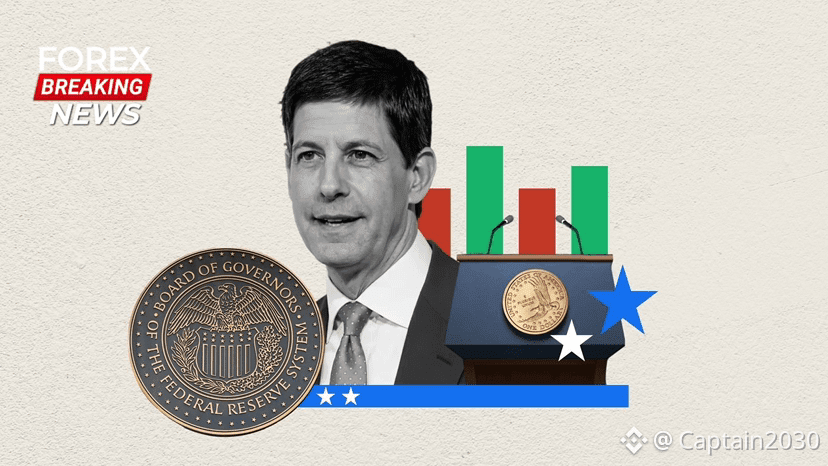
🏛 The Federal Reserve raises interest rates for the first time in 3 years.. But does it tackle inflation at its source? 🇺🇸
💥 The U.S. Federal Reserve raised interest rates by 25 basis points to a range of 3.75% – 4.00%, its first hike since July 2023. The decision came unanimously from the 12-0 committee members. The Fed confirmed that inflation is still high and that the decision aims to speed up its return toward the 2% level.
⚠️ But the core of the crisis lies elsewhere..
🔸 An important part of the current inflation pressures is linked to rising energy and shipping costs due to geopolitical disruptions and disrupted navigation through the Strait of Hormuz and the Bab el-Mandeb, two of the most important strategic routes for global energy trade. Recent data indicates that transit through Hormuz remains far below its usual levels.
🔸 And here is the dilemma: raising interest rates can curb demand and credit, but it cannot increase oil production, reopen shipping lanes, or directly reduce transportation costs.
🔸 Therefore, critics of the decision argue that using a more stringent monetary policy to tackle inflation—partly driven by a supply-and-energy shock—carries the risk of increasing pressure on businesses and consumers, without addressing the direct geopolitical cause.
#HYPEJumpsOver11% #HYPEJumpsOver11% #NEARSurges26%Past$3.45 #BitcoinSpotETFsNetInflow$159M
#HYPEJumpsOver11% $BTC
$BEB
$XRP
💥 The U.S. Federal Reserve raised interest rates by 25 basis points to a range of 3.75% – 4.00%, its first hike since July 2023. The decision came unanimously from the 12-0 committee members. The Fed confirmed that inflation is still high and that the decision aims to speed up its return toward the 2% level.
⚠️ But the core of the crisis lies elsewhere..
🔸 An important part of the current inflation pressures is linked to rising energy and shipping costs due to geopolitical disruptions and disrupted navigation through the Strait of Hormuz and the Bab el-Mandeb, two of the most important strategic routes for global energy trade. Recent data indicates that transit through Hormuz remains far below its usual levels.
🔸 And here is the dilemma: raising interest rates can curb demand and credit, but it cannot increase oil production, reopen shipping lanes, or directly reduce transportation costs.
🔸 Therefore, critics of the decision argue that using a more stringent monetary policy to tackle inflation—partly driven by a supply-and-energy shock—carries the risk of increasing pressure on businesses and consumers, without addressing the direct geopolitical cause.
#HYPEJumpsOver11% #HYPEJumpsOver11% #NEARSurges26%Past$3.45 #BitcoinSpotETFsNetInflow$159M
#HYPEJumpsOver11% $BTC
$BEB
$XRP