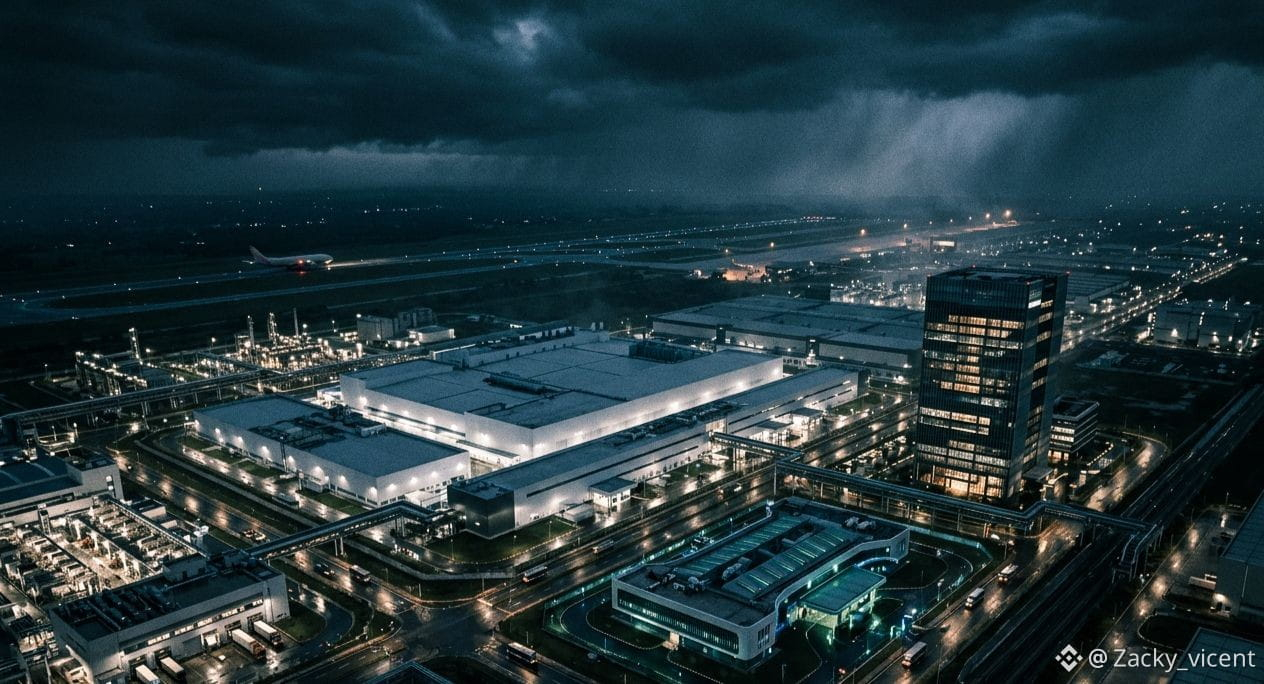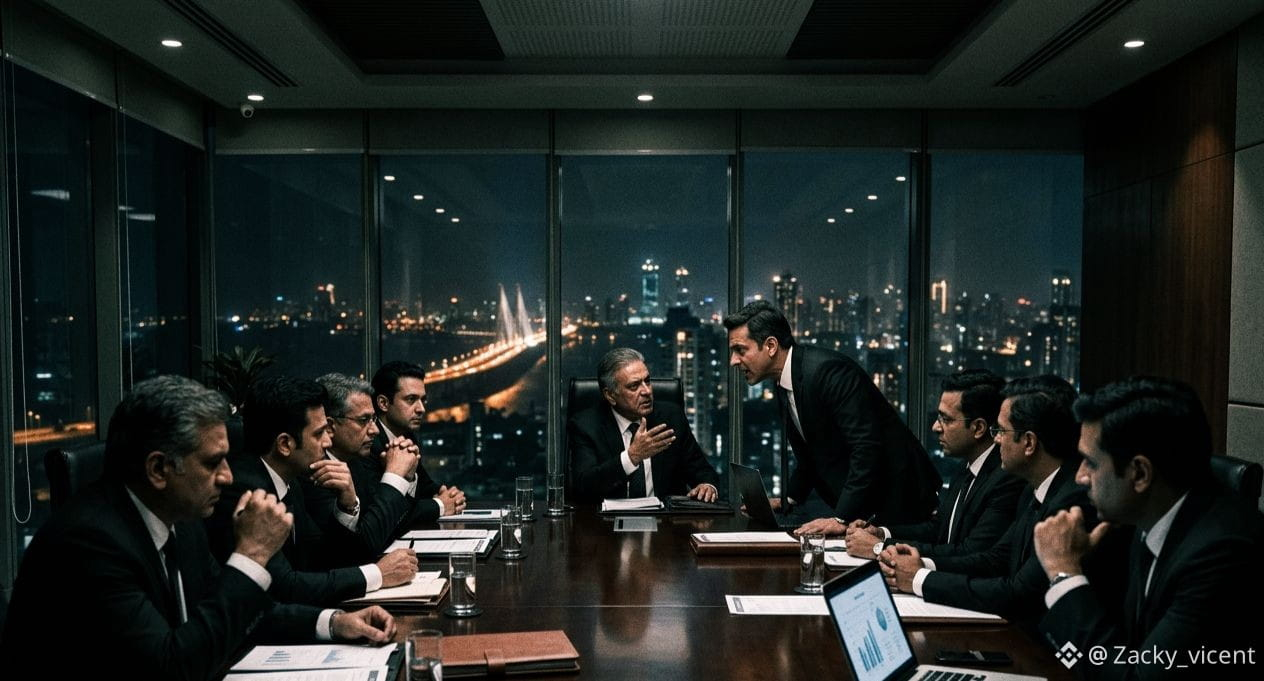
TATA GROUP IS AT WAR — AND THE BATTLE IS HAPPENING INSIDE THE BOARDROOM.
One of India’s most powerful business empires is now facing a brutal internal power struggle.
N. Chandrasekaran has been reappointed as Chairman of Tata Sons for another five-year term.
But Noel Tata, Chairman of Tata Trusts and a key figure of the Tata family, has openly rejected the decision — calling the reappointment “illegal.”
This is NOT a small corporate disagreement.
This is a battle over CONTROL, CAPITAL, OWNERSHIP, AND THE FUTURE OF THE TATA EMPIRE.
Tata Sons sits at the center of the entire Tata Group — an empire connected to Tata Consultancy Services, Air India, Jaguar Land Rover, Tata Electronics, Tata Digital, and numerous other businesses.
And here is where things get ugly.
Chandrasekaran has pushed Tata into massive capital-intensive bets:
• Air India
• Semiconductor manufacturing
• Battery production
• Tata Electronics
• Digital businesses
• Electronics assembly for Apple
These projects require enormous amounts of capital.
According to figures cited by CNBC, Tata Sons needs more than ₹290 billion every year to support loss-making businesses such as Air India, Tata Digital, and Tata Electronics.
The planned semiconductor investment alone requires roughly another ₹900 billion.
Meanwhile, Tata Sons generated just over ₹300 billion in dividends.
DO THE MATH.
The capital gap is massive.
And that creates the real battlefield:
HOW DOES TATA FINANCE ITS NEXT EXPANSION WITHOUT LOSING CONTROL OF THE EMPIRE?
Tata Trusts owns roughly 66% of Tata Sons.
Shapoorji Pallonji Group owns around 18%.
Tata Group companies hold roughly 13%.
So when Tata Sons talks about raising billions, this is not simply an accounting problem.
It is a POWER problem.
A public listing could provide access to massive amounts of capital.
But it could also dilute the influence of Tata Trusts and potentially reshape the ownership structure that has protected the Tata model for generations.
#BTC $BTC
One of India’s most powerful business empires is now facing a brutal internal power struggle.
N. Chandrasekaran has been reappointed as Chairman of Tata Sons for another five-year term.
But Noel Tata, Chairman of Tata Trusts and a key figure of the Tata family, has openly rejected the decision — calling the reappointment “illegal.”
This is NOT a small corporate disagreement.
This is a battle over CONTROL, CAPITAL, OWNERSHIP, AND THE FUTURE OF THE TATA EMPIRE.
Tata Sons sits at the center of the entire Tata Group — an empire connected to Tata Consultancy Services, Air India, Jaguar Land Rover, Tata Electronics, Tata Digital, and numerous other businesses.
And here is where things get ugly.
Chandrasekaran has pushed Tata into massive capital-intensive bets:
• Air India
• Semiconductor manufacturing
• Battery production
• Tata Electronics
• Digital businesses
• Electronics assembly for Apple
These projects require enormous amounts of capital.
According to figures cited by CNBC, Tata Sons needs more than ₹290 billion every year to support loss-making businesses such as Air India, Tata Digital, and Tata Electronics.
The planned semiconductor investment alone requires roughly another ₹900 billion.
Meanwhile, Tata Sons generated just over ₹300 billion in dividends.
DO THE MATH.
The capital gap is massive.
And that creates the real battlefield:
HOW DOES TATA FINANCE ITS NEXT EXPANSION WITHOUT LOSING CONTROL OF THE EMPIRE?
Tata Trusts owns roughly 66% of Tata Sons.
Shapoorji Pallonji Group owns around 18%.
Tata Group companies hold roughly 13%.
So when Tata Sons talks about raising billions, this is not simply an accounting problem.
It is a POWER problem.
A public listing could provide access to massive amounts of capital.
But it could also dilute the influence of Tata Trusts and potentially reshape the ownership structure that has protected the Tata model for generations.
#BTC $BTC