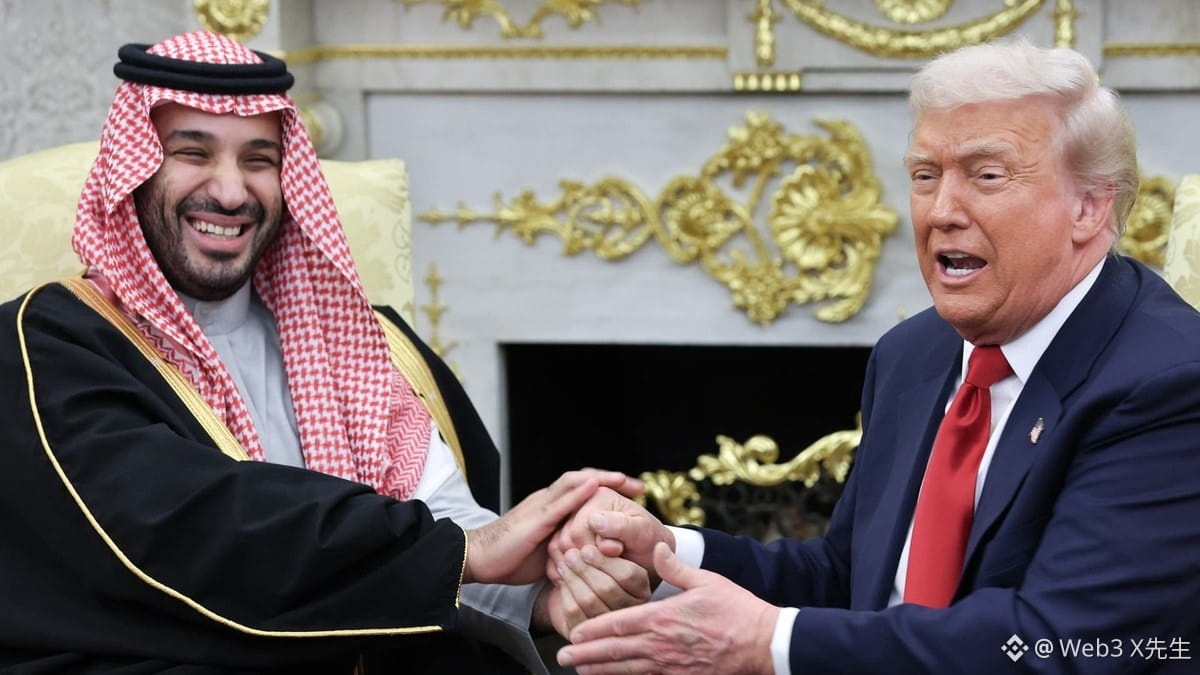
【US selling 48 F-35s to Saudi Arabia, but the Strait of Hormuz might still be lost?🔥🛢️】
Group chat: 📲 加入X先生的粉丝群聊
This message is pretty interesting. The United States gave a nod on Thursday. 48 F-35s are set to be sold to Saudi Arabia.
The total price is $24.3 billion, and it includes 49 engines 💸. Saudi Arabia is both the buyer and the one surrounded.
The Houthis have been making big moves recently. They’ve moved into Yemen’s Mokha, trying to choke the Strait of Hormuz. This waterway is where all global oil has to pass.
That front in Yemen has been dragging on for many years. This time they want to take the strait—ambition is not small.
Once the strait tightens, Brent crude reacts immediately. It’s still hovering below $105 for now. If oil prices rise, inflation will follow.
The Federal Reserve just raised rates, for the first time in three years. It fears most that oil prices will push higher again.
The yield on 10-year US Treasuries has just ended an eight-day winning streak. Gold is also rising—money is looking for a place to hide.
The US dollar, US Treasuries, and gold have all been following the same script lately. No one dares to place big bets.
Bitcoin, on the other hand, rose last night. It’s now around $77,000, up by more than 1%. Money is betting on two things.
One: that oil prices won’t get out of control. Two: that the Federal Reserve won’t strike again. No one gets to decide either one 😅.
What’s interesting is that after circling around, the money still flows back to the United States. Defense contractor stocks, the dollar, US Treasuries—none of them can escape.
Lockheed Martin, the fighter-jet seller, can keep making money on this deal for a long time. With 48 aircraft, production will take several years to run through.
There are still 30 days in Congress to block this deal. Some people have already stepped out to oppose it, saying the technology must not be allowed to leak abroad.
Last year, the US and Saudi Arabia signed a $14.2 billion arms deal. This year they added another one—the pace hasn’t slowed at all.
Saudi Arabia isn’t short of oil; what it lacks is a sense of security. Yemen is just too close to it.
Money in the Middle East has already been using crypto to route payments. Once the fighting heats up, this line will only get busier.
If oil prices really surge, the crypto side won’t look good either. After all, once inflation rises, don’t expect rate cuts.
📌 They’re selling fighter jets, they’re choking the strait, and the bill is paid by global oil prices.
Do you think this wave of oil prices will break 110? Or is it just a false alarm? Let’s talk in the comments.
Group chat: 📲 加入X先生的粉丝群聊
This message is pretty interesting. The United States gave a nod on Thursday. 48 F-35s are set to be sold to Saudi Arabia.
The total price is $24.3 billion, and it includes 49 engines 💸. Saudi Arabia is both the buyer and the one surrounded.
The Houthis have been making big moves recently. They’ve moved into Yemen’s Mokha, trying to choke the Strait of Hormuz. This waterway is where all global oil has to pass.
That front in Yemen has been dragging on for many years. This time they want to take the strait—ambition is not small.
Once the strait tightens, Brent crude reacts immediately. It’s still hovering below $105 for now. If oil prices rise, inflation will follow.
The Federal Reserve just raised rates, for the first time in three years. It fears most that oil prices will push higher again.
The yield on 10-year US Treasuries has just ended an eight-day winning streak. Gold is also rising—money is looking for a place to hide.
The US dollar, US Treasuries, and gold have all been following the same script lately. No one dares to place big bets.
Bitcoin, on the other hand, rose last night. It’s now around $77,000, up by more than 1%. Money is betting on two things.
One: that oil prices won’t get out of control. Two: that the Federal Reserve won’t strike again. No one gets to decide either one 😅.
What’s interesting is that after circling around, the money still flows back to the United States. Defense contractor stocks, the dollar, US Treasuries—none of them can escape.
Lockheed Martin, the fighter-jet seller, can keep making money on this deal for a long time. With 48 aircraft, production will take several years to run through.
There are still 30 days in Congress to block this deal. Some people have already stepped out to oppose it, saying the technology must not be allowed to leak abroad.
Last year, the US and Saudi Arabia signed a $14.2 billion arms deal. This year they added another one—the pace hasn’t slowed at all.
Saudi Arabia isn’t short of oil; what it lacks is a sense of security. Yemen is just too close to it.
Money in the Middle East has already been using crypto to route payments. Once the fighting heats up, this line will only get busier.
If oil prices really surge, the crypto side won’t look good either. After all, once inflation rises, don’t expect rate cuts.
📌 They’re selling fighter jets, they’re choking the strait, and the bill is paid by global oil prices.
Do you think this wave of oil prices will break 110? Or is it just a false alarm? Let’s talk in the comments.