
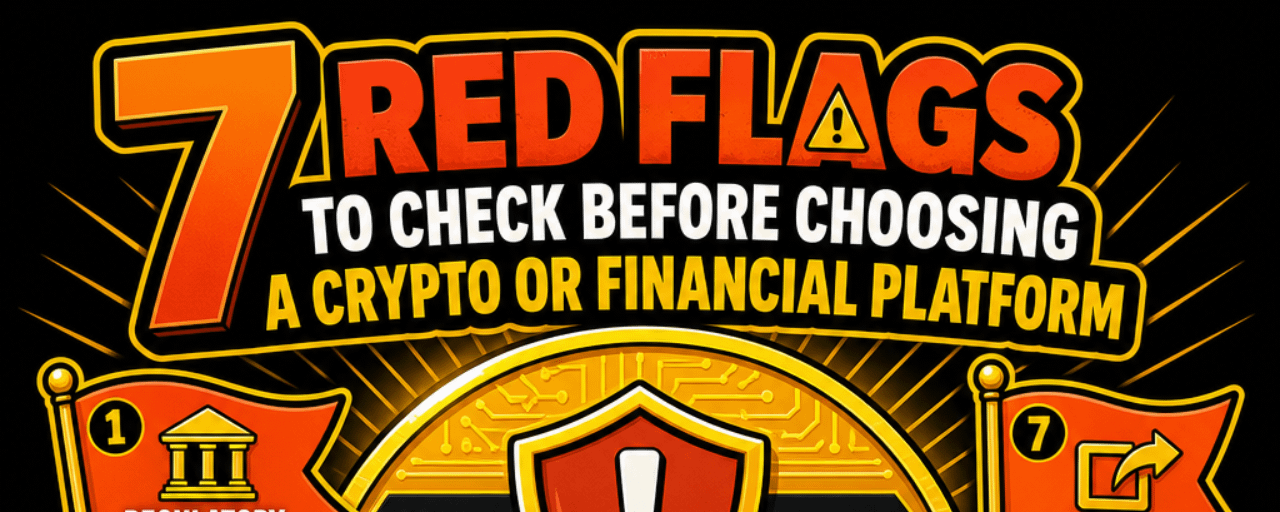

Executive Summary (TL;DR) Before choosing a crypto or financial platform, check its regulatory status, security protections, custody of assets, fee structure, and withdrawal rules. Warning signs include unclear licensing, promises of guaranteed returns, hidden costs, weak account controls, low transparency, withdrawal restrictions, and inaccessible support.
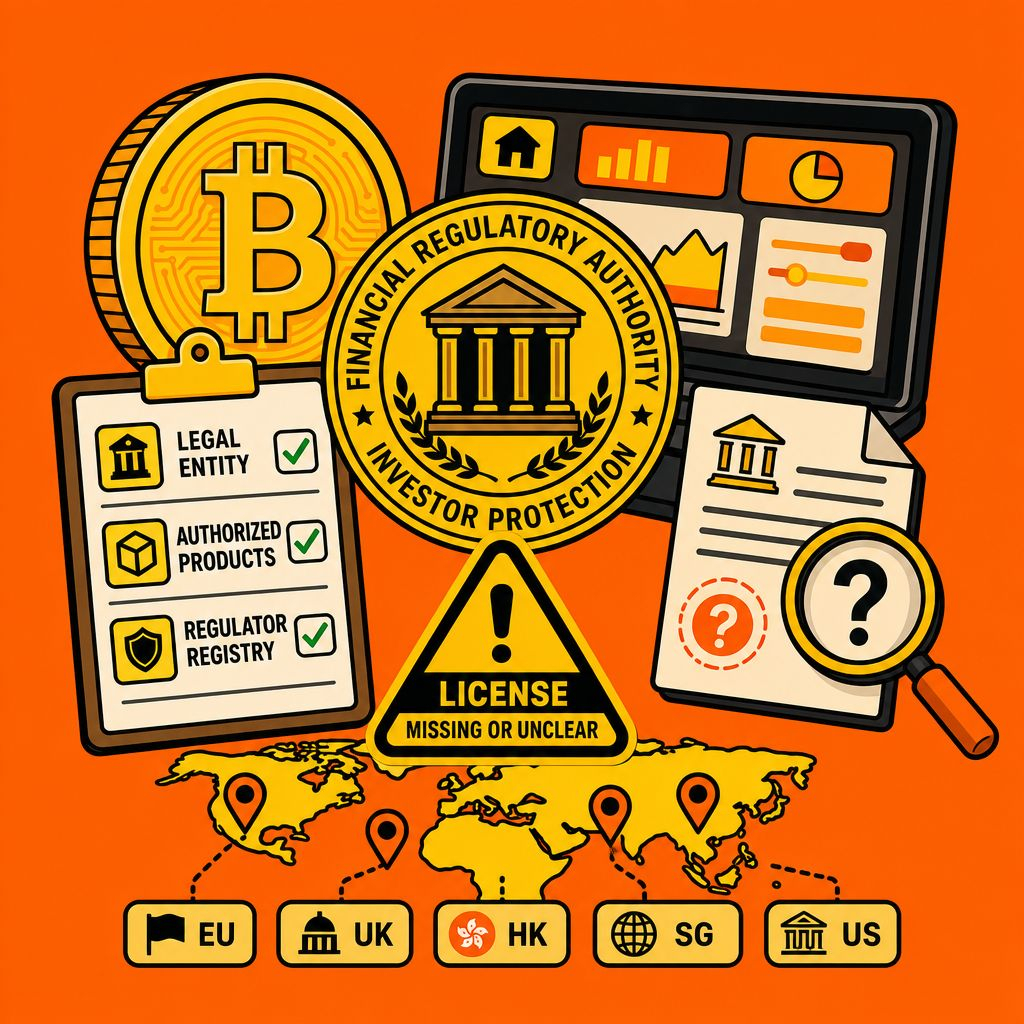
WARNING SIGN 1: UNCERTAIN LICENSE OR REGULATORY STATUS
The first step is to identify the legal entity that will provide the service and confirm whether it is authorized to operate in the user’s jurisdiction. The platform’s brand name is not enough: global companies may offer different products by country through separate entities under specific rules.
The article does not state the reader’s region. Therefore, it is not possible to say whether Binance is available or regulated in {Region}. This verification must be done in the official registry of the local regulator and in the terms of the entity that will actually serve the user. The lack of clear information about licensing, jurisdiction, and authorized products is a warning sign.
WARNING SIGN 2: LACK OF TRANSPARENCY ABOUT CUSTOMERS’ ASSETS
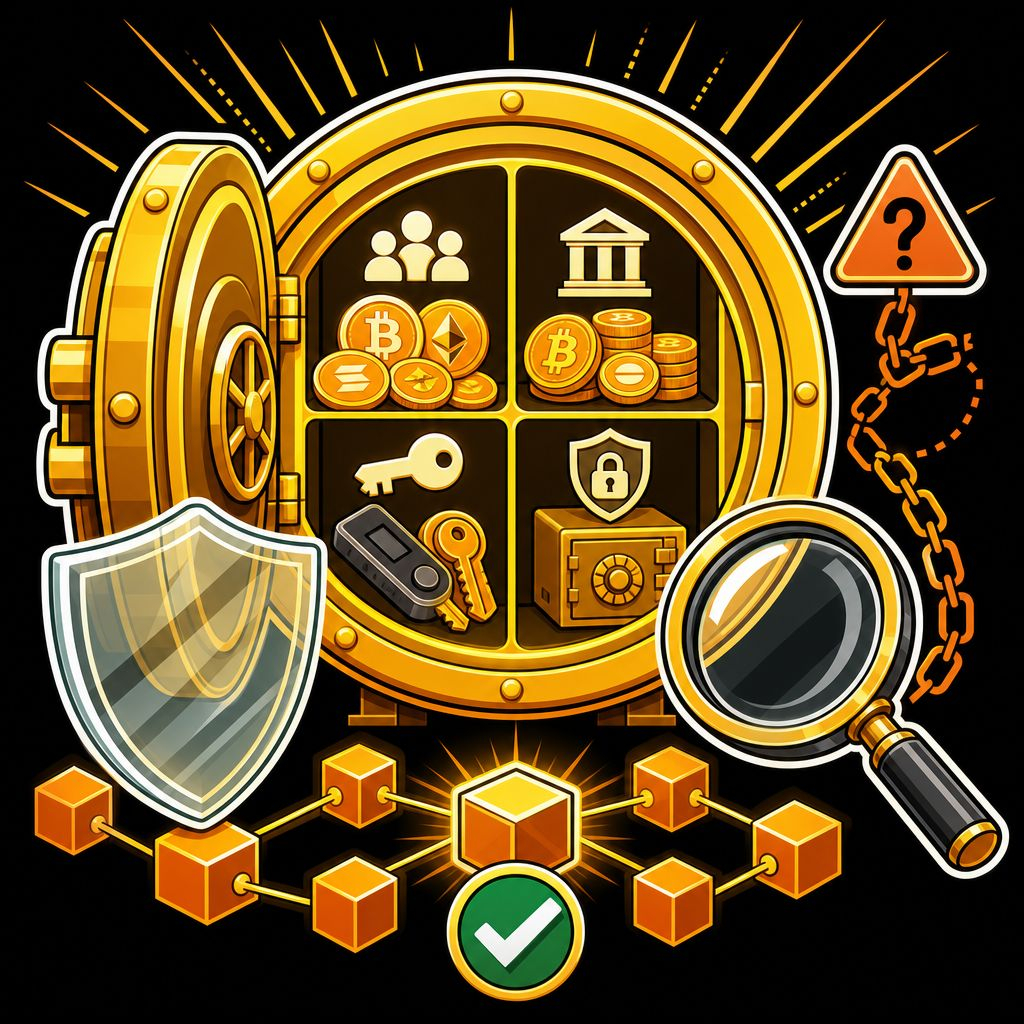
The user should understand where their assets are held, who controls the keys or custody mechanisms, and whether customers’ funds are separated from the funds used in the platform’s operations. It can also be important to know which assets are under direct custody, which ones can be moved, and what risks arise in the event of insolvency or service interruption.
In the case of Binance, the analysis should consider the information disclosed by the platform itself regarding safeguards and custody of assets, as well as the terms applicable to the entity and the product used. Generic statements do not replace details about segregation, transferability, responsibility, and access to funds. If these answers are not available, transparency is insufficient.
WARNING SIGN 3: ABSENCE OF VERIFIABLE PROOF OF RESERVES
Proof of Reserves (PoR) is a way to present evidence about certain assets held by the platform relative to the client balances included in the verification. It is not a complete audit, does not eliminate market or counterparty risks, and should not be interpreted as a guarantee of future solvency.
Binance provides a Proof of Reserves system in which the user can check whether the account balance was included. The exact procedure should be followed on the platform’s official page, usually using an identifier or a verification mechanism associated with the report. The user should check the snapshot date, the assets covered, and the method’s limitations, rather than accepting only a reserves claim without verifiable evidence.
WARNING SIGN 4: NO EMERGENCY FUND
An emergency fund can work as an additional layer for certain incidents, but it does not replace transparent custody, access controls, risk management, or regulatory compliance. The user must verify which events are covered, which assets can be used, and whether there are conditions or limits for any eventual coverage.
Binance presents the Secure Asset Fund for Users (SAFU) as a protection fund for users. The current SAFU value was not provided in the article, nor was it accompanied by a source or reference date. Therefore, it is not possible to state a current amount without risking the presentation of outdated information.
WARNING SIGN 5: WEAK ACCOUNT SECURITY CONTROLS
A platform that offers only a password and email, without additional layers, leaves the user more exposed to phishing, credential theft, and improper changes. Before opening an account, check whether it’s possible to enable passkeys, two-factor authentication, anti-phishing codes, and a whitelist of authorized withdrawal addresses.
Binance provides tools such as passkeys, two-factor authentication, anti-phishing codes, and withdrawal allowlisting. Each feature reduces a category of risk, but none eliminates the need to protect the device, verify the domain you’re accessing, and review notifications and addresses before confirming a transaction.
WARNING SIGN 6: RETURN PROMISES, HIDDEN FEES, AND VAGUE CONDITIONS
Promises of guaranteed returns, risk-free profit, or fixed yield should be treated as warning signs. In cryptoassets and financial products, the result can depend on volatility, liquidity, fees, product rules, and counterparty risk. Marketing language should not replace an objective explanation of possible losses.
Compare trading, deposit, conversion, network, and withdrawal fees. Also check spreads, limits, variable fees, and costs that only appear in the final stage of the transaction. A trustworthy platform should present the cost structure before confirmation, without hiding relevant conditions in hard-to-find pages.
WARNING SIGN 7: RESTRICTED WITHDRAWALS AND UNAVAILABLE SUPPORT
Before depositing significant funds, read the withdrawal rules, limits, timelines, additional checks, and the situations that may suspend withdrawals. Restrictions may exist for operational, security, or compliance reasons, but they should be communicated clearly. Making it difficult to access funds without a consistent explanation is an important risk sign.
Support should also be tested: look for official channels, hours, languages, support protocols, and ways to track a request. In the most common questions, confirm: Is Binance regulated in {Region}? How can you tell if Binance is safe? How does Binance protect customers’ assets? What is Binance’s Proof of Reserves? The answer about {Region} remains indeterminate because the region and a regulatory source were not provided.
Conclusion
A platform assessment should combine regulatory status, custody transparency, verifiable evidence of assets, emergency mechanisms, account security, costs, and ease of withdrawals and support. No single feature eliminates all risks. The best decision starts by confirming the responsible entity, reading the product terms, and testing the controls before moving significant funds. Which of these warning signs would you check first?
Disclaimer: Purely educational/informational content, without investment advice.