
We will see thousands of new crypto-focused games in the coming months. We are definitely at a turning point for Web3 now, and if you want to prepare for the future today, the information here will be very useful.
Web3 and Games
Social media giants have now started to work in the Metaverse field in line with their web3 goals. Because the next stage of liking posts on Instagram is for all of us to enter the metaverse, that is, the augmented real world of social media. Here, you will be able to communicate at a high level, visually and audibly, with your friends on social media, and you will be able to share in a much different way in your own space. This is great and all this is just the Web3 equivalent of social media.
So, what kind of “thing” will games evolve into with Web3? We still call this a “thing” because it is very difficult to define the future today, today we imagine the future just as a person who made the first online order in the world many years ago imagined Instagram, Facebook or Twitter. Rest assured, in those days, people could not imagine that social media would be such a huge and functional "thing". The same goes for those of us trying to imagine the new "thing" that today's games will take on after the Web3 revolution. It is possible to make some predictions about the future from the Web3 games whose demos we see today;
Virtual assets in the game will be portable with Web3. You will be able to store these assets in your cryptocurrency wallet.
You will see that the virtual assets in your wallet can be used in different games. In order to attract more users, many new games will, for example, allow you to bring in your high-end weapons from another similar game.
The farming you do in the games will now have financial value. For example, today you can spend time playing some games and earn tokens and sell them on the stock exchanges. This will be doable at a much more advanced level.
Markets within the game are extremely important. If you have spent time in online games such as Knight or Metin2, you must know how important and in demand the objects in the game are. Imagine if the majority of these objects were stored on the blockchain and you could sell your objects in-game or on NFT markets.
Imagine being able to connect your MetaMask wallet directly to the game and dress your objects on your game character.
Imagine that the tokens that allow you to buy e-pin style paid items in the game turn into crypto money.
Some of these can be done today, and last night Unity took a great step to enable more to be done. Now existing and new games will be able to enter the Web3 space much more easily.
What is Unity?
For those who don't know, we need to explain the Unity brand a little to understand the subject. This is a game engine. All of the games you play today are built through a game engine. Large-scale games may use more than one game engine, and many game companies even design their own game engines to protect their copyrights. Unity brings you the ability to build games without needing high-level coding knowledge for simple games.
If you sell the game you built with Unity and earn less than 100 thousand dollars annually, you do not pay anything to the game engine. For top talent, you'll need to upgrade your free membership.
In summary, Unity is a kind of code compiler for game developers. For example, if you are going to write a program in C#, you need to do this with Visual Studio or other applications that do the same job. Notepad is enough to code an HTML page. To make a design, you need applications such as Paint at the most basic level, Photoshop at the intermediate and high level.
There are many popular games made with Unity;
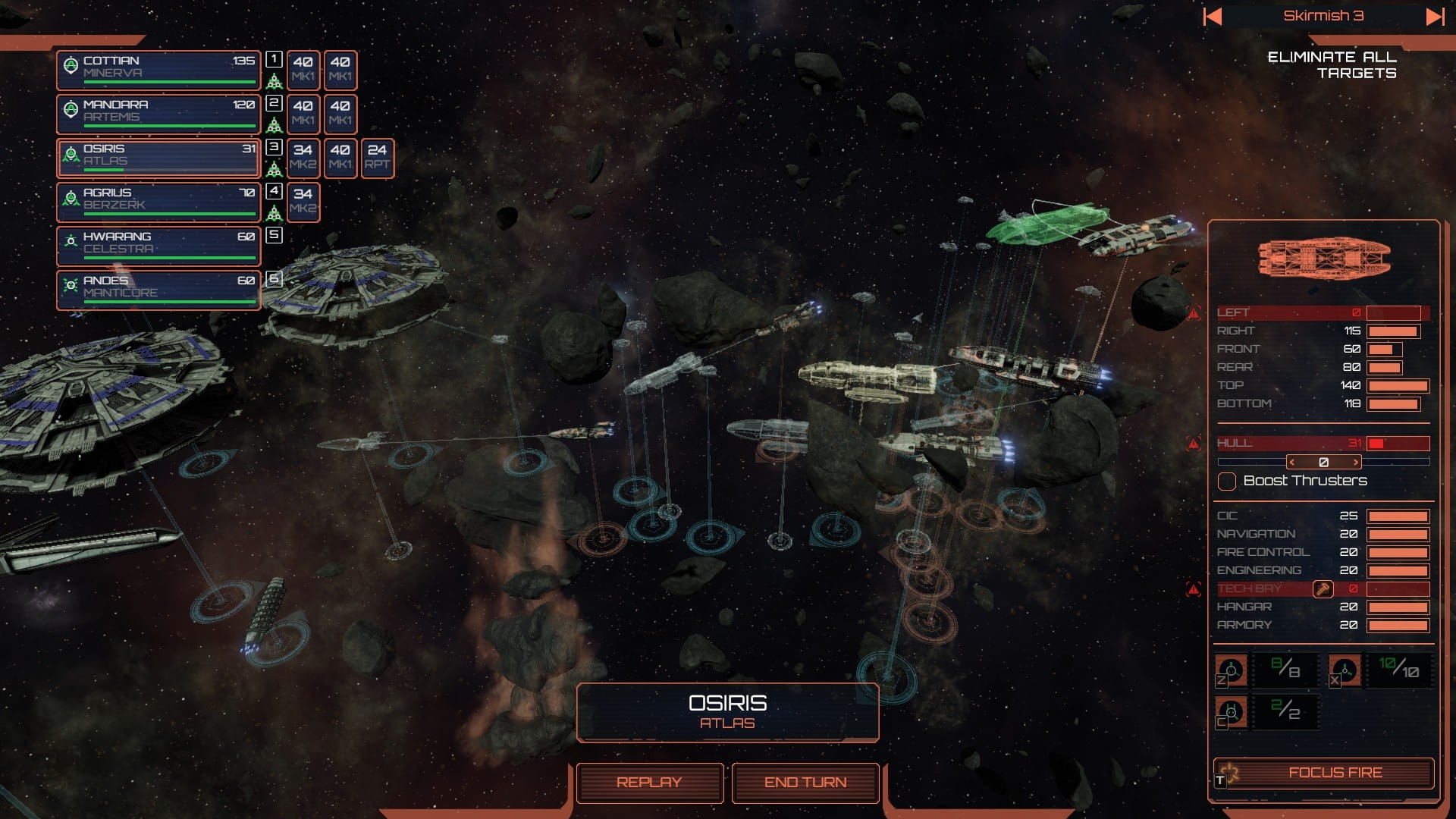
Battlestar Galactica Online
Firewatch
Unturned
Layers of Fear
Armello
The Long Dark
Traffic Racer
Pillars of Eternity
So, on which portal, operating system or device can games/applications built with Unity be played?
Android
Android TV
Facebook
Four OS
Gear VR
Google Cardboard
HTC Vive
IOS
Linux
macOS
Nintendo Switch
PlayStation
Windows
Xbox One
And there are many more options. You can develop the application or game once and publish it so that it can work on all of them. Even the Battlestar Galactica Online game reached 10 million players in 1 year and attracted serious attention until it was closed in 2019.
Unity and Crypto Based Games
We touched upon Web3 and the transformation it will trigger on games in the future. We fully understood what Unity is and what it is not. Now, we have the details of the move taken for Web3-based (or commonly defined as crypto-based) games, which we announced last night. The Unity team opened the Decentralized category to the game developers' code store yesterday.
What is Unity Code Store?
The section where the Decentralized category opens is where codes and designs are listed, where game developers can obtain the digital hardware they need for their games. You can see it as a kind of hardware store. When you want to build a building, you need hammers and other tools. When you want to build software (be it a game, an application, etc.), you need code libraries (SDK, API). For example, you are building a game and you want match scores to be automatically shared on Twitter. Then you need to have the Twitter API library. Or, in a much more difficult way, you can use this library to provide the features you need.
The Unity store is a place where many game-related codes and design patterns you can think of, from in-game characters to free or paid, can be obtained.
Then why might the Decentralized category be opened here? Of course, so that crypto companies can offer their code libraries to game developers.
Unity Decentralized Category
Vetted third-party solutions that will help you manage digital assets, create smart contracts, build games on blockchain and more are published in the Decentralized category. In the context of video game development, decentralization typically refers to in-game ownership models. In practice, this means enabling game mechanics that allow players to create, earn, or acquire in-game resources that they can sell or trade. Examples of technologies that enable decentralization in games include smart contracts, virtual wallets, NFT and cryptocurrencies. Examples include Sandbox, Decentraland or DOGAMÍ.
Unity and Compatible Crypto Solutions
Now that we have explained what this category means, we can now talk about the code libraries offered. MetaMask comes at the top of the list. As a matter of fact, MetaMask announced an SDK months ago and we shared it with you. Thanks to this SDK, it became easier to integrate the popular cryptocurrency wallet into applications and games.
MetaMask SDK
Thanks to this SDK, game developers will be able to integrate the popular Web3 wallet into their applications much more easily. We can list some of its advantages as follows.
Mobile deep links or simple QR code automation
Access, distribute and use tokens such as NFTs as in-game assets
Signing transactions on Ethereum, BNB Chain (formerly Binance Smart Chain), Polygon and Avalanche networks
Play2Own models to enable players to own, trade and hold in-game assets
Verify with digital wallet instead of login credentials
Cross-platform compatibility of your in-game assets
Players can purchase and trade in-game assets using tokens from their MetaMask wallets
In-game assets/collectibles: Skins, items, achievements, badges
Tokens/Currencies: coins used for in-game economies
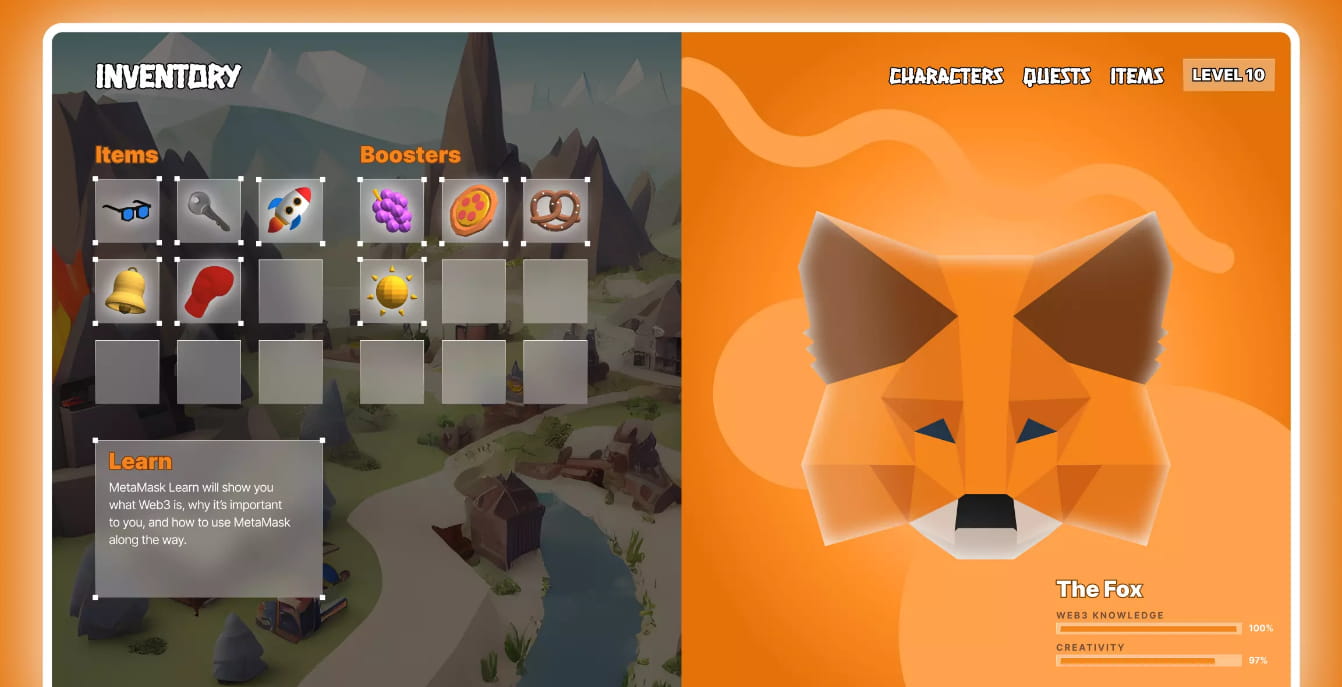
Moreover, MetaMask support team is ready to help developers.
Algorand SDK
Thanks to this application library, you can integrate your game with Algorand. Create and sign Algorand transactions, use Algorand's REST APIs, and connect wallets. The SDK that enables all of this is a great solution that developers can use to natively integrate a variety of decentralized features into your game, including in-app purchases and transactions, NFTs and in-game asset ownership, and other smart contract use cases.
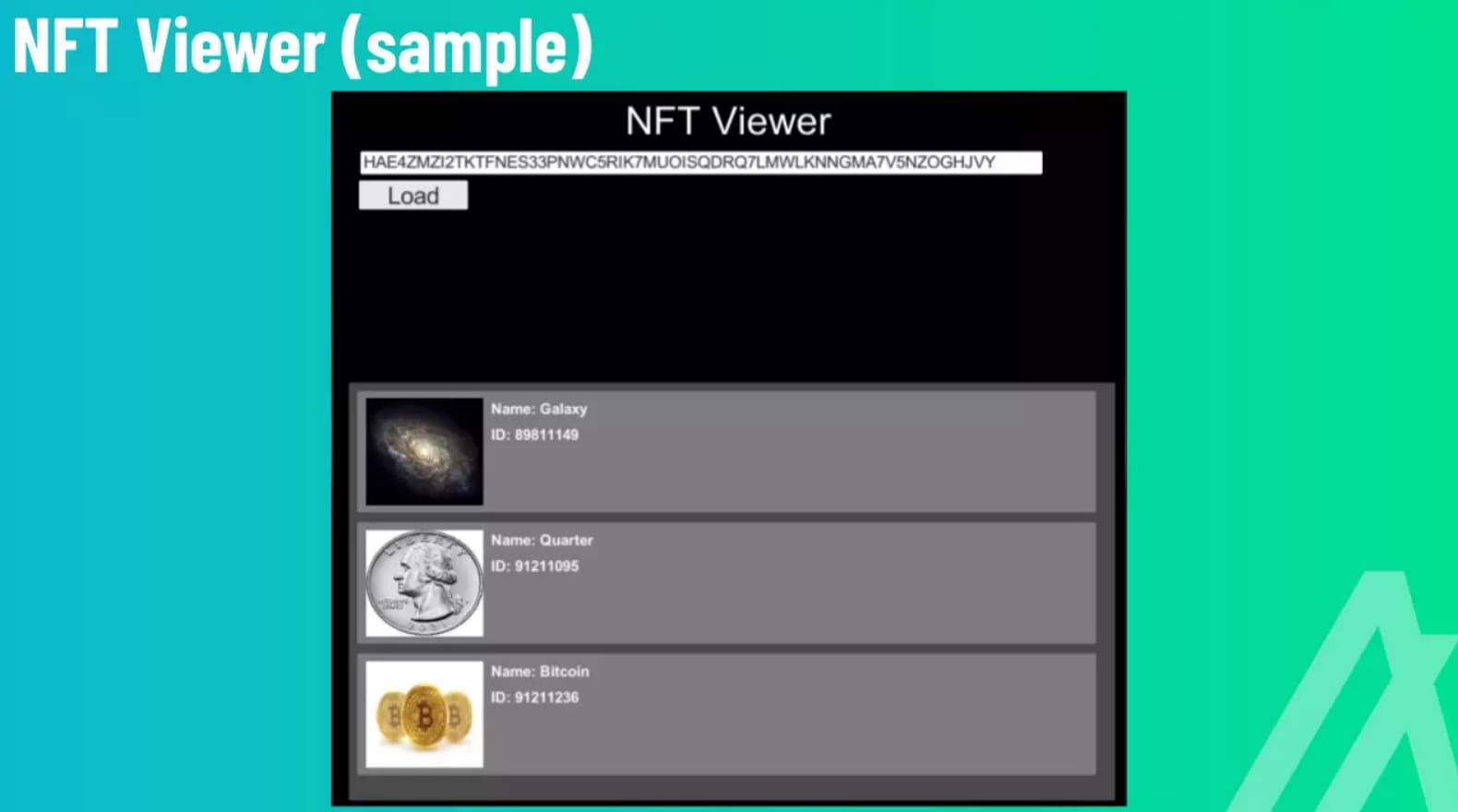
SDK Height
Altura makes it easy to build, scale, and monetize Web3 games natively within Unity. Altura's Unity SDK allows you to create, update, and transfer NFTs in-game without technical complexity or costly investment. Ethereum, BNB, Polygon, Avalanche, Fantom, Arbitrum and Optimism networks and ERC-20, ERC-721 and ERC-1155 token standards are supported.
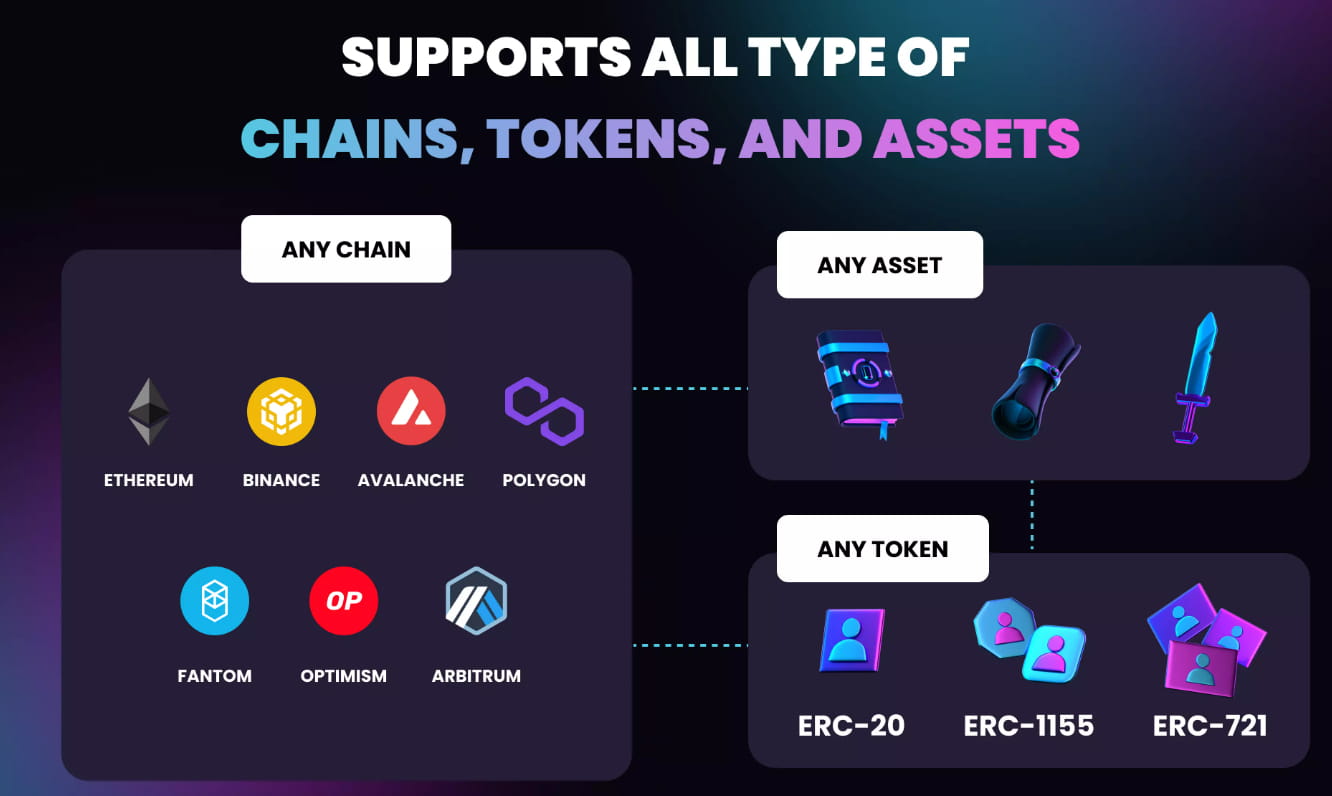
Thanks to smart NFTs, you can send updates to in-game items programmatically with Altura SDK. So, you can change the name of an in-game character, increase his level, age, skill or add a weapon with magical properties. You can even have the item break down over time and use to balance gameplay. All of this gives developers great capabilities.
Apts SDK
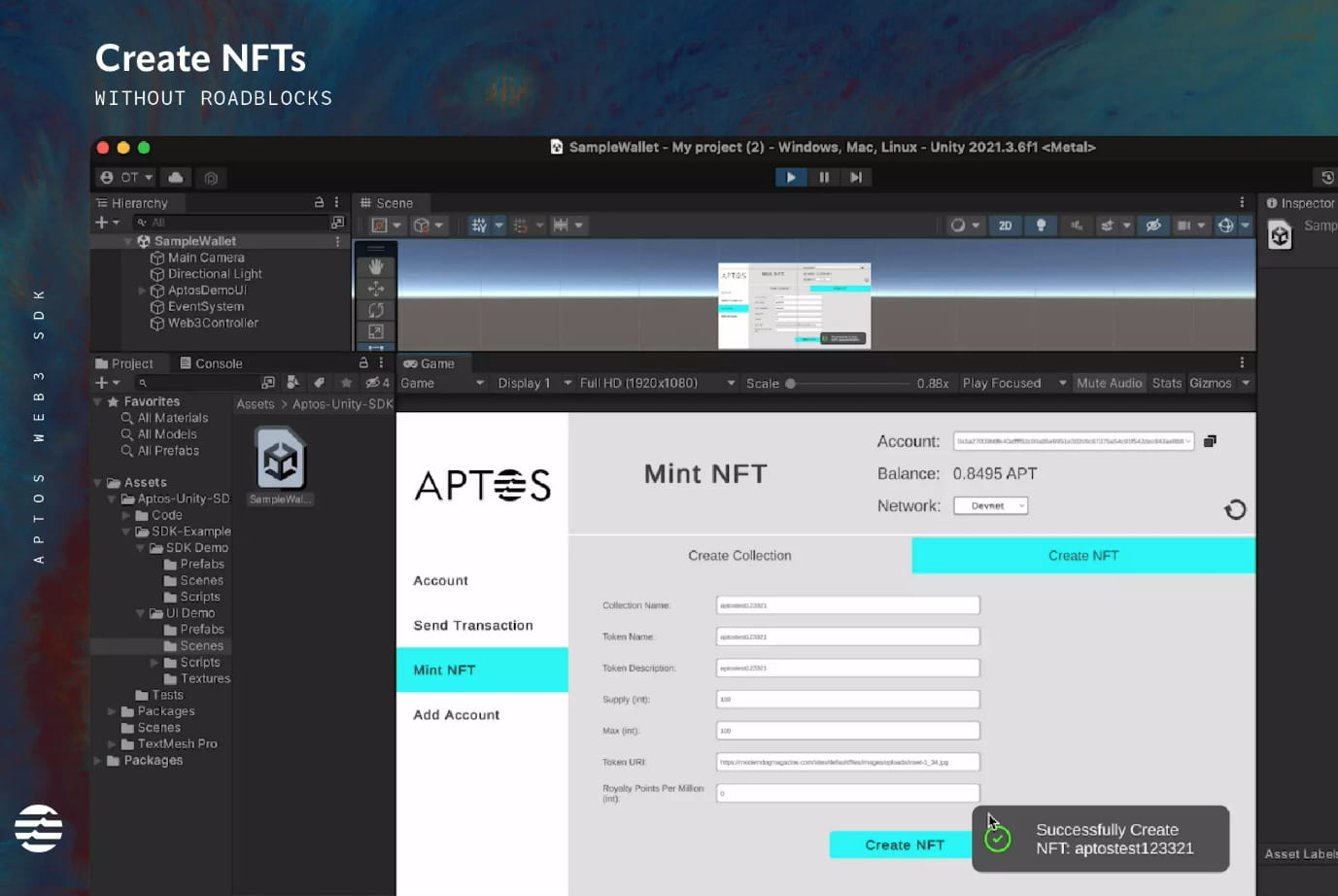
Aptos SDK simplifies blockchain development so you can focus on development. With integrated digital collections and account management, you can effortlessly collaborate and create transparent games. Imagine developers building Aptos-based games months later and seeing them get a lot of attention. Web3 is not just about the APT Token price, and Unity has taken a giant leap forward.
Flow SDK
It allows Unity developers to integrate their games and applications with the Flow network.
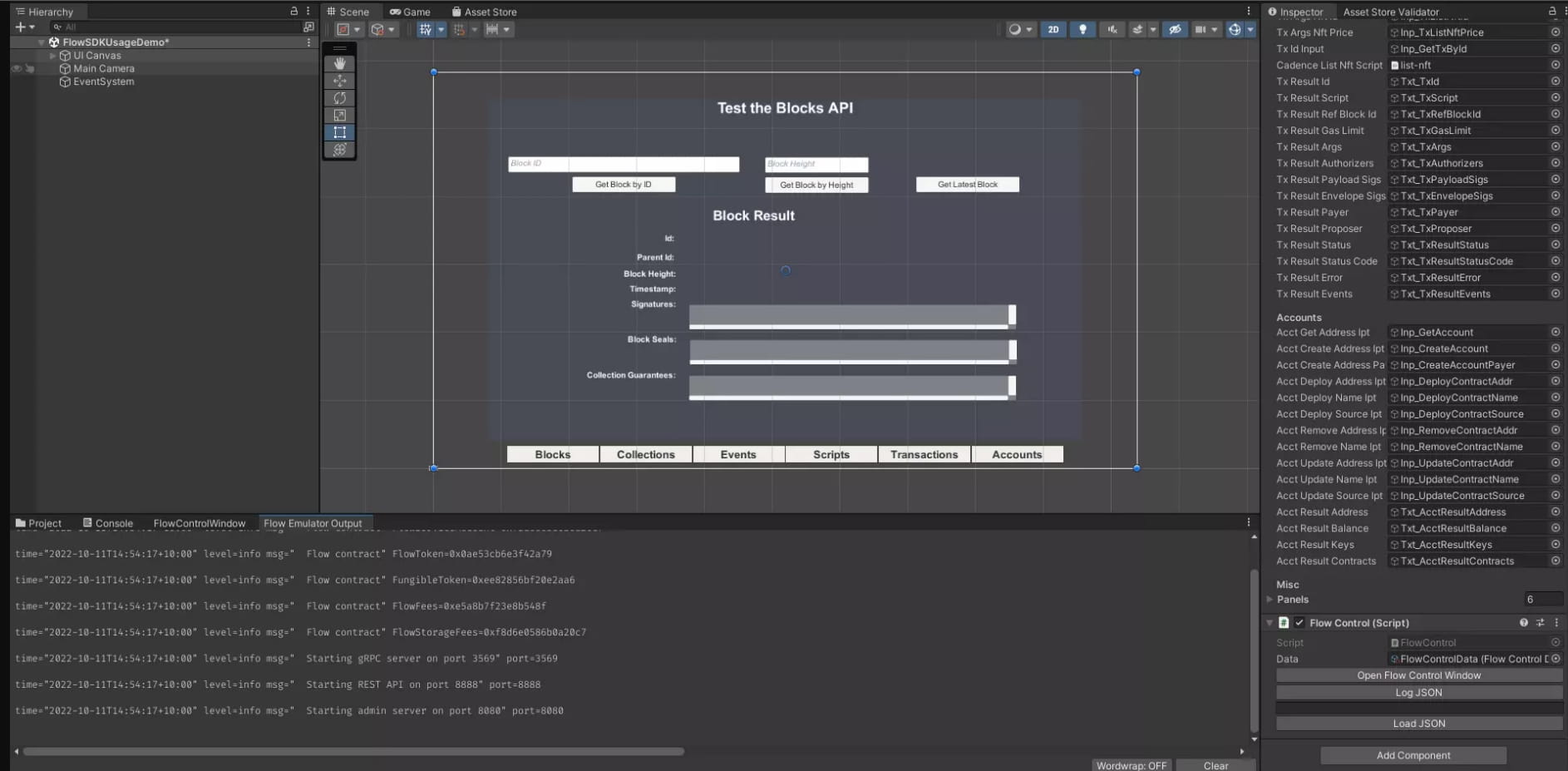
FLOW SDK seamlessly integrates with a native FLOW emulator, making it easy to develop, test and debug your blockchain applications in a sandbox environment. With the emulator, you can simulate the blockchain environment, test transactions, and debug the code before deploying it to the main blockchain.
ImmutableX SDK
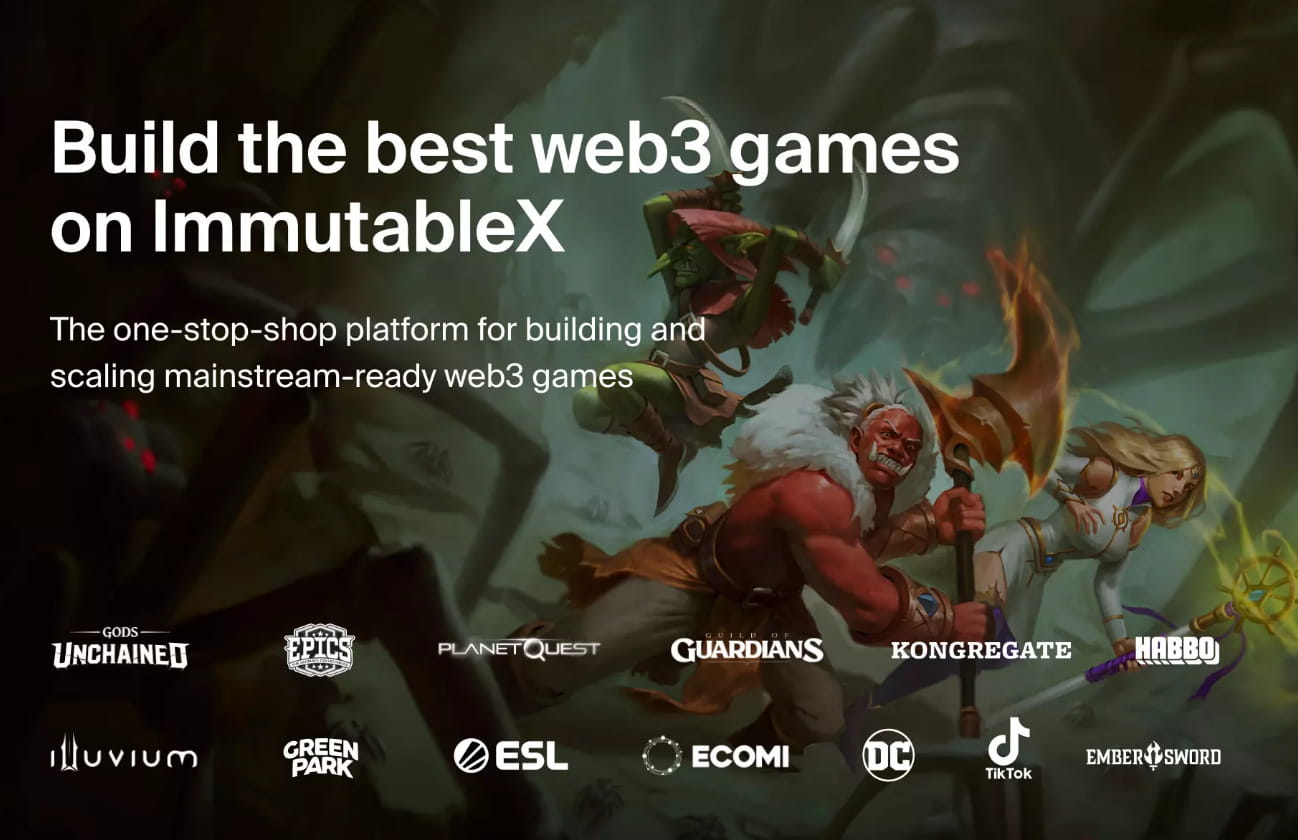
It is one of the best solutions for building and scaling web3 games on thereum. Gods Unchained and Guild of Guardians were developed here. Immutable Unity SDK offers everything you need to incorporate web3 technology into your game, backed by proven security, global scale, and seamless user experiences. Download millions of NFTs for free and unlock truly scalable web3 games. Leading layer 2, zero-knowledge proof, carbon-neutral scaling solutions allow you to mint your assets with zero gas fees while relying on Ethereum's core security.
Infura SDK
Infura has been one of the most successful projects in the web3 space since 2016 and is used by more than 400 thousand developers. Infura is a node operator that provides tools and infrastructure that enable developers to easily take blockchain applications from testing to scale deployment with simple, reliable access to Ethereum and other networks, including Polygon, Avalanche, or IPFS.
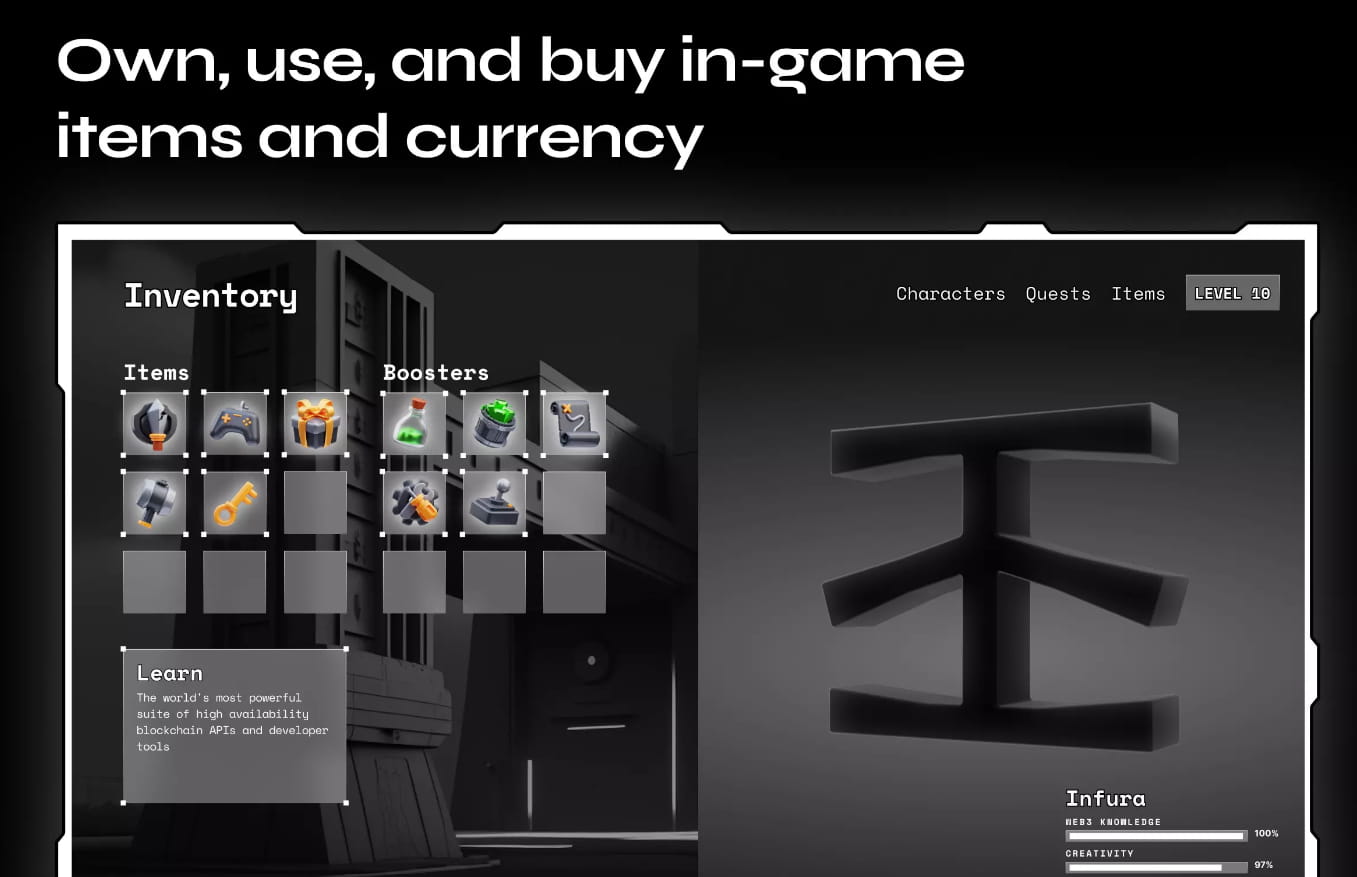
We can briefly touch upon some of its benefits.
Players can use the character(s) they own in the game (and other compatible games)
Players can use the gear they own in the game (and other compatible games)
Players can acquire an NFT associated with a certain level or achievement in the game
Players can reach a certain level if they own a certain NFT
If the game includes an in-game store, players can purchase additional characters, assets, etc. can buy
Oil SDK
Nefta's blockchain technology offers a solution to the problem of scarcity in games. By leveraging blockchain, developers can create legitimate scarcity for in-game items, assets, and experiences, giving players a sense of exclusivity and value that cannot be replicated or imitated.
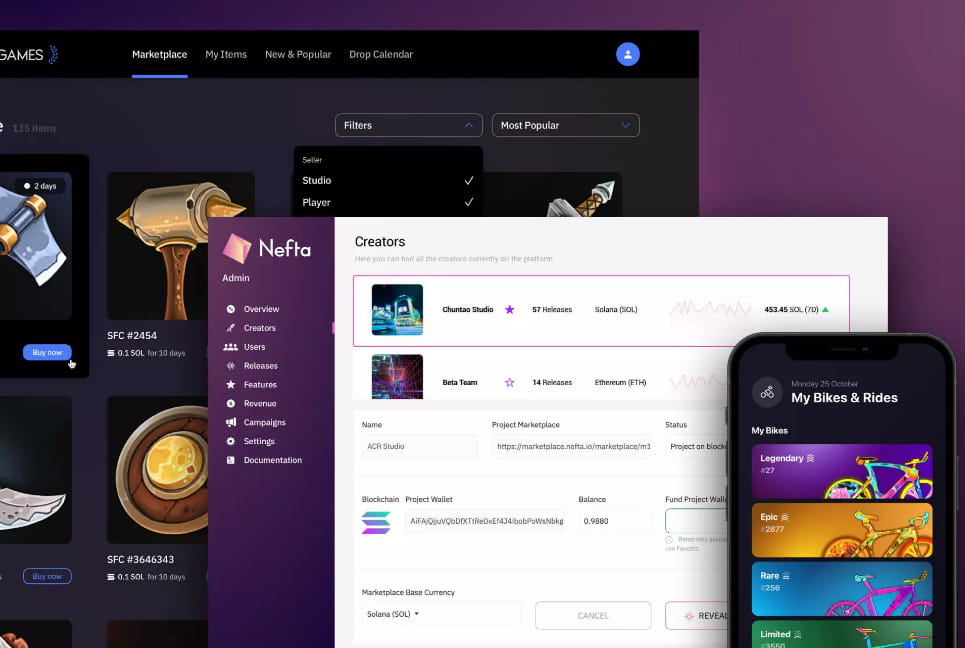
Using Nefta, game developers can assign an NFT to in-game items, allowing players to retain true ownership of their assets. NFTs also provide an immutable record of ownership and authenticity. These can live outside of the game and mirror their in-game counterparts.
With Nefta, game developers can implement marketplaces and trading systems for in-game items. This provides players with more options to buy and sell their assets while ensuring safe and transparent transactions.
Nefta can help game developers offer loyalty programs, challenges and other incentives to players.
ORE ID
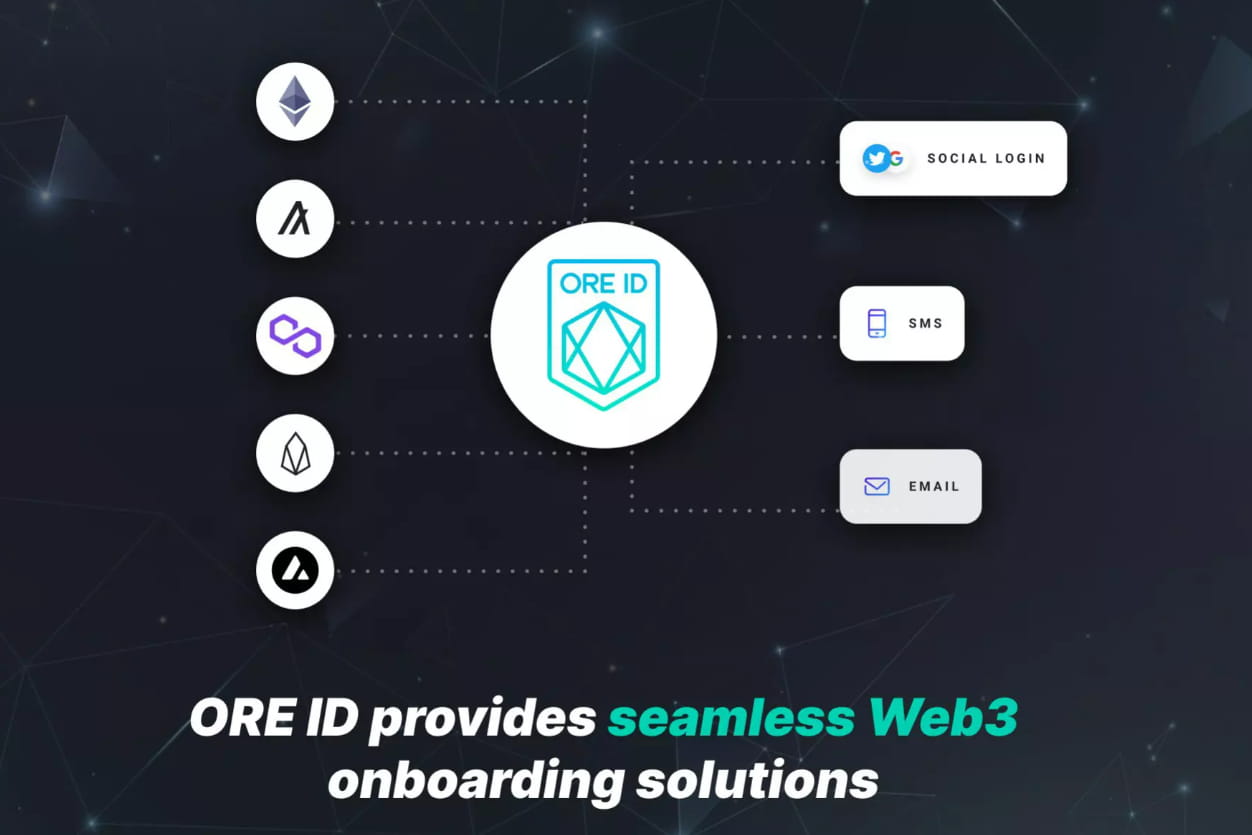
ORE ID is broadly compatible with games that leverage Blockchain, allowing players to seamlessly manage and trade tokens and NFTs in-game. ORE ID's API is designed to integrate with the Unity development environment. This will reduce the development time required for Blockchain integration without adding any additional operational overhead.
Quarters
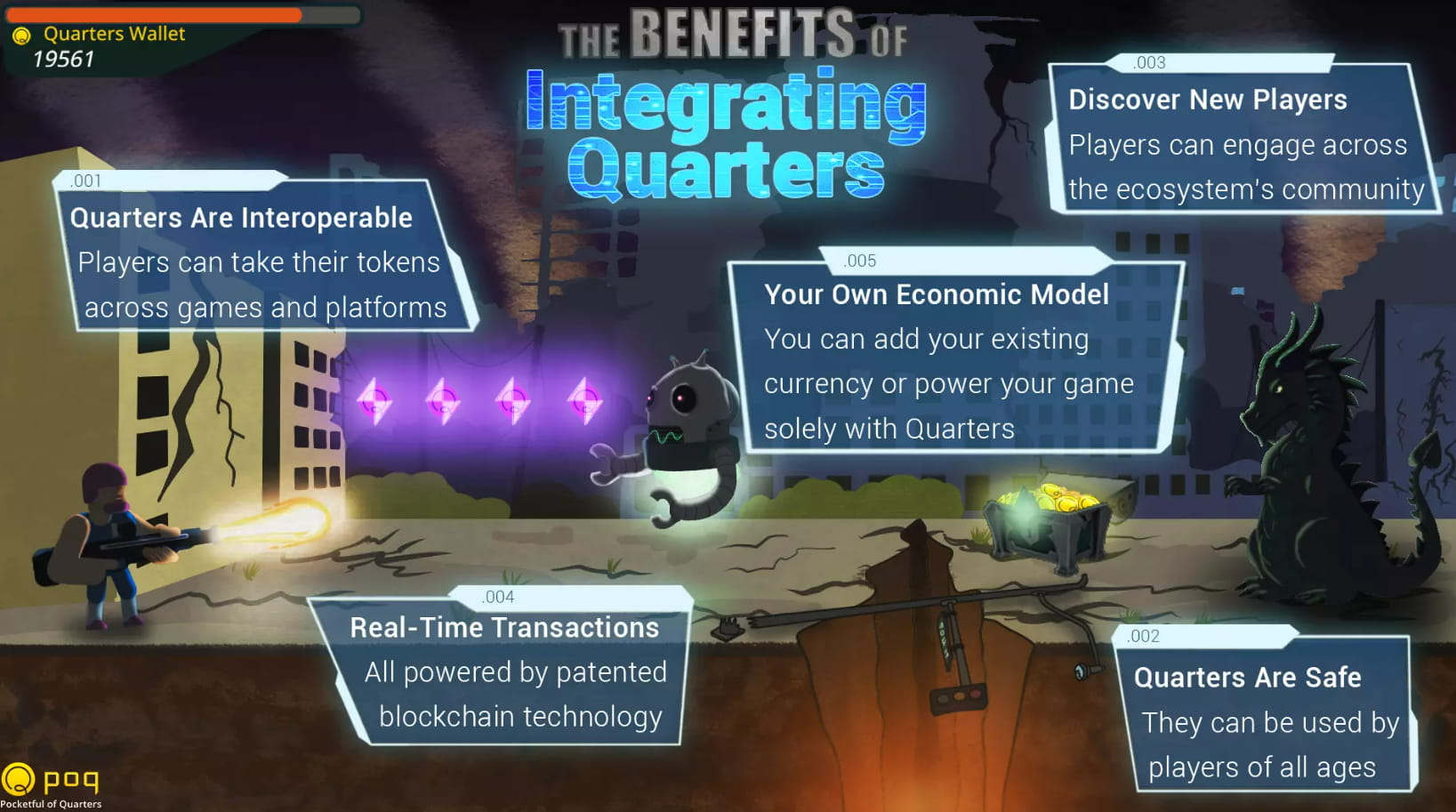
With Quarters, you can earn money from your game and grow your community. Build your own economies, share tokens between games and across platforms.
Solana SDK
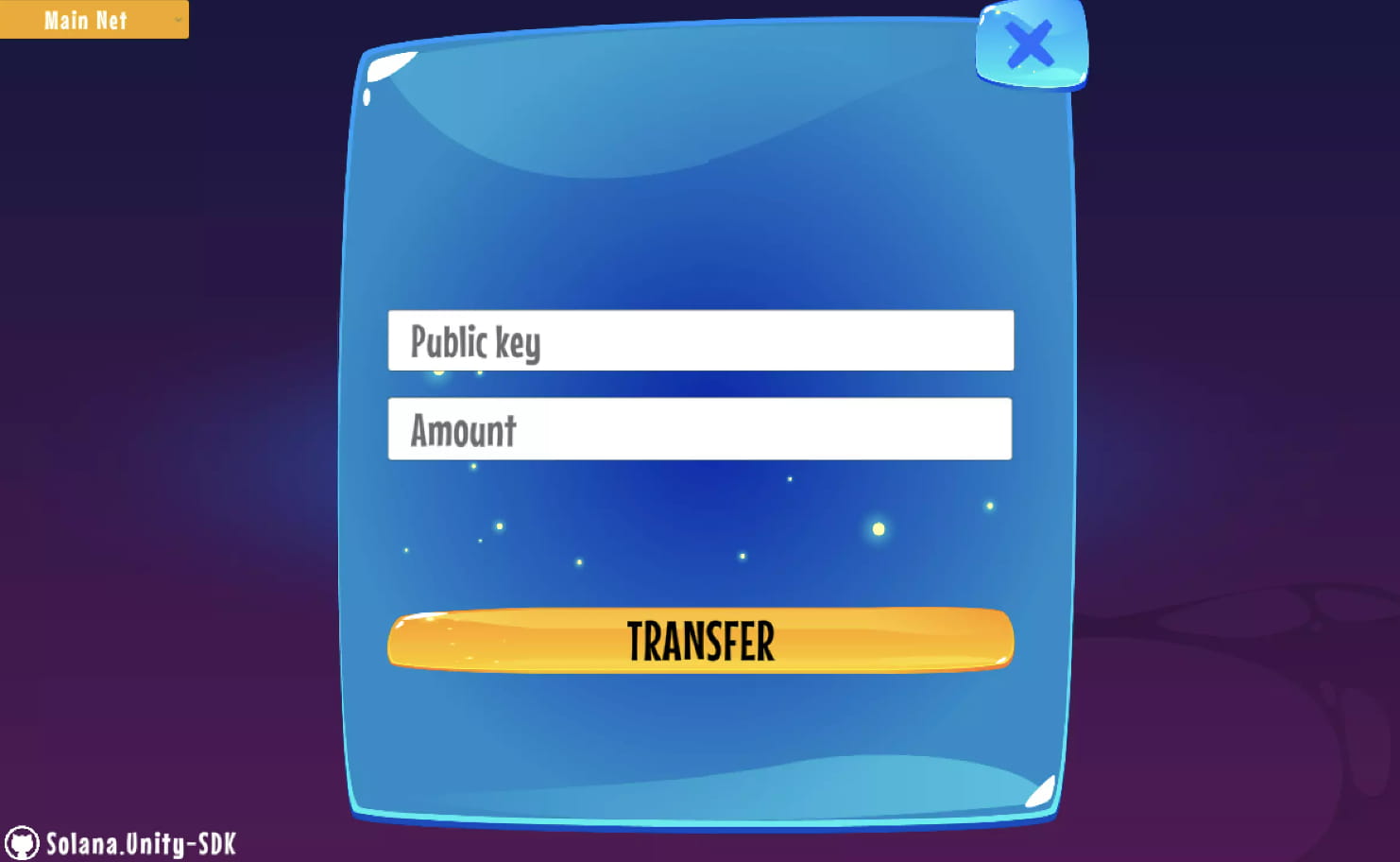
Magicblock's Solana SDK for Unity allows developers to quickly and cheaply build games running on a blockchain. NFT brings wallet transactions, trading, and more to your game.
Texos SDK
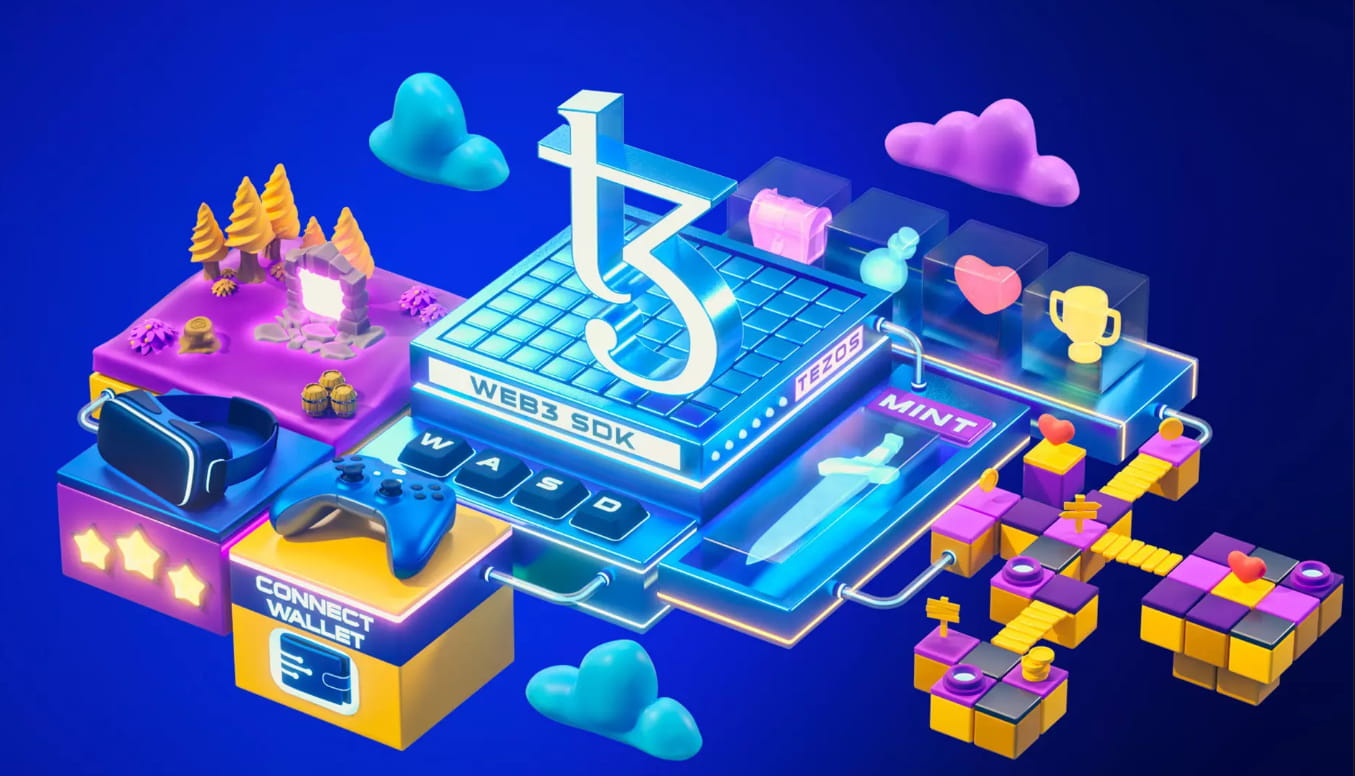
This SDK supports Desktop, Android, iOS and browsers. This means that beyond allowing game developers to interact with the Tezos blockchain, this SDK can also be used to develop any Tezos dApp (decentralized application) based on these platforms. Your games will be able to use the SDK to retrieve all kinds of data on the Tezos blockchain, for example checking which features of the game or in-game assets the user has. You will be able to fetch information such as the current balance in user accounts or the level of the latest block in the blockchain. Most importantly, you can manage the storage of smart contracts or call off-chain views, thus accessing any data stored on the blockchain. You will also be able to integrate your game with smart contracts and perform signature and verification transactions.
Truffle
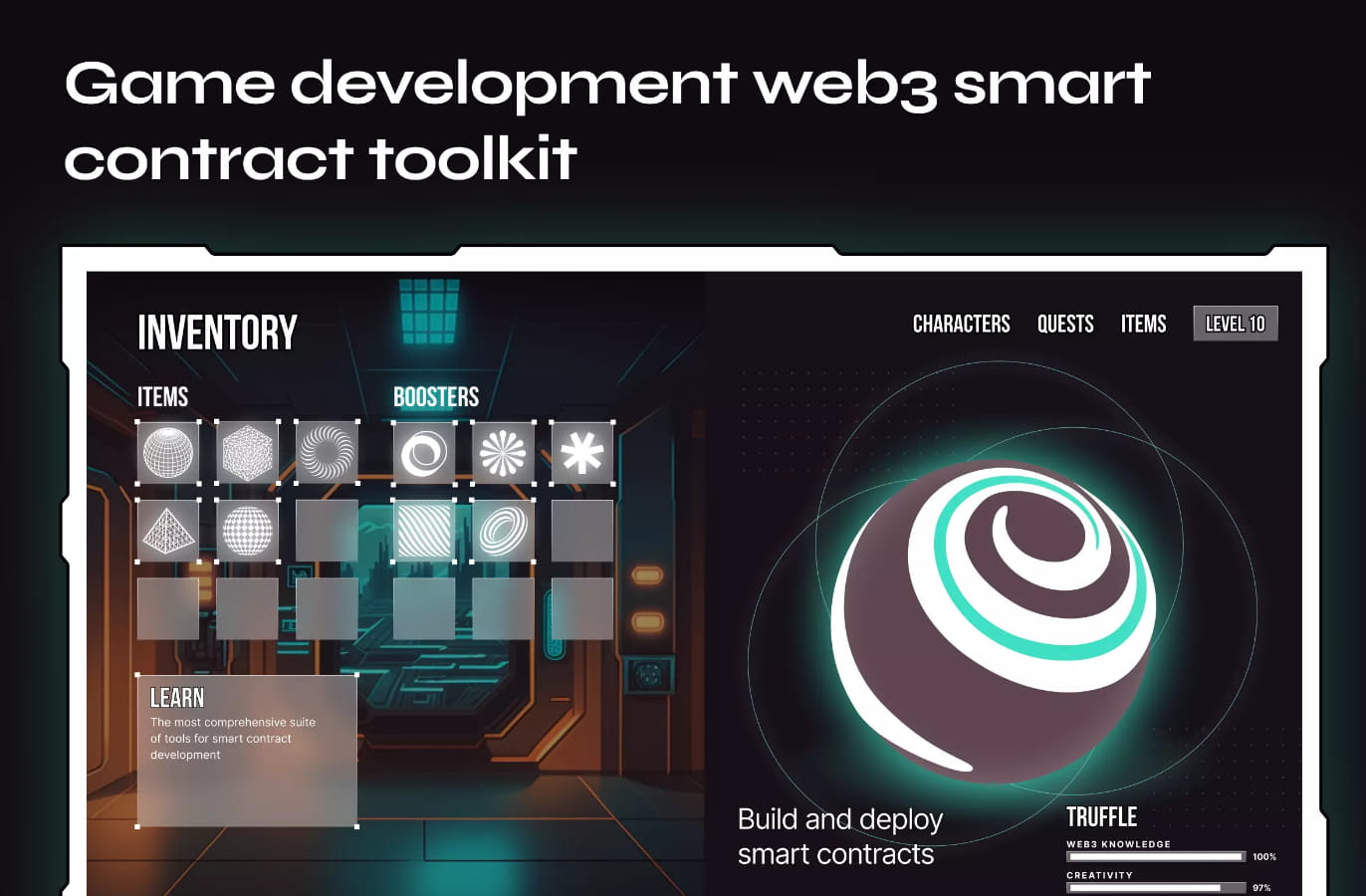
Truffle can be used for in-game smart contract integration. Truffle manages your contract artifacts, including custom distributions, library linking, and support for complex Ethereum implementations.
For example, what can you do?
Write a smart contract to enable NFT leasing for your players.
Integrate existing NFT marketplaces into your game with mainnet forking.
Players can rent a certain part of the in-game assets, land
Players can sell their earned or customized assets on any of the available NFT marketplaces
Conclusion
All these code libraries and the capabilities they bring tell us that we can see great web3 games in the coming months. More importantly, these SDKs can also be used by huge game developers. We are very close to seeing crypto tokens, NFTs, in the next GTA version or a new version of CS. While crypto wallets were connected to the game via the website in 2021, they will now be embedded in the game. These developments happened in a very short time and I am sure that we will see much more in the coming years.
But a warning: as crypto-based game development becomes easier, scammers will develop various traps in this area as well. Linking your wallet in unregulated games may cause you to lose all your money. Your devices may be infected with viruses. Your investments with fake game projects may be reset.