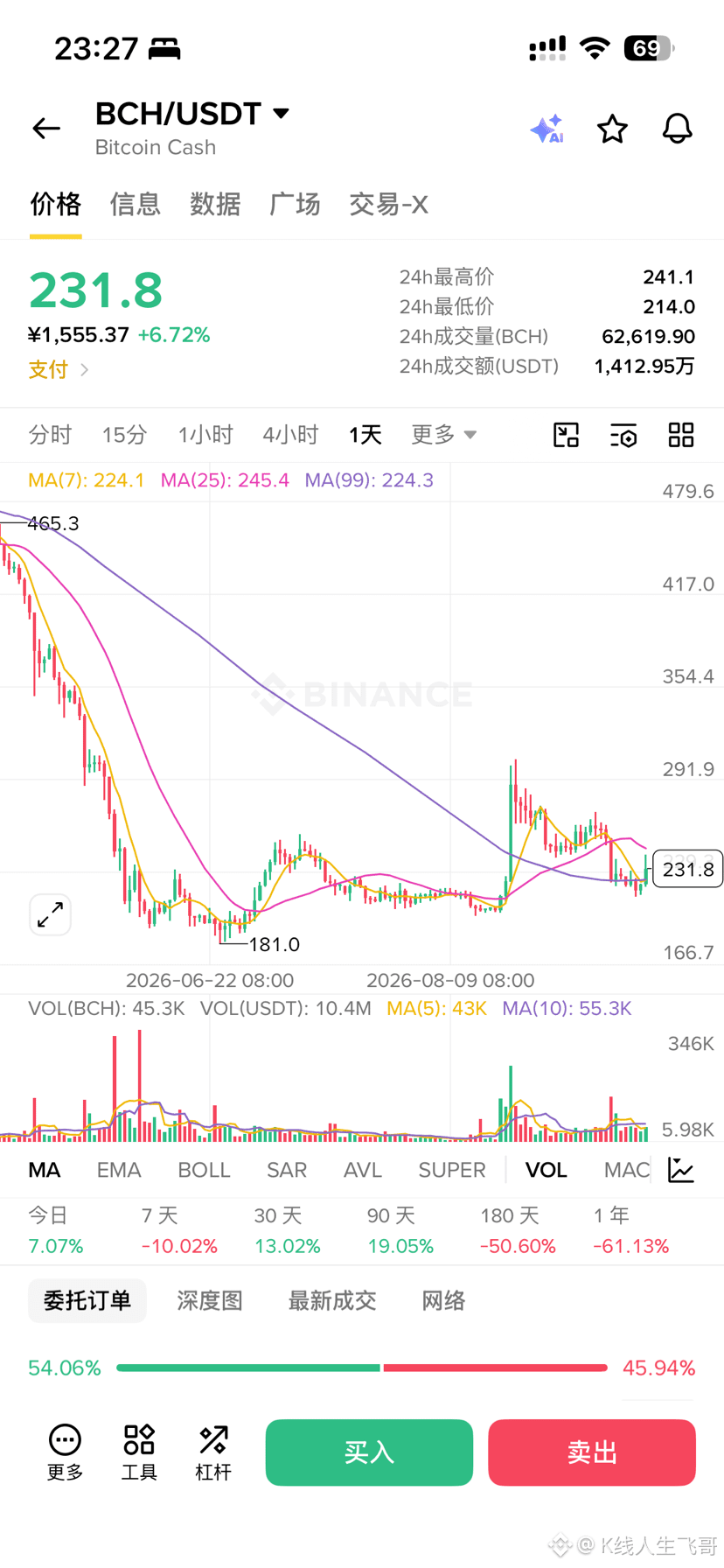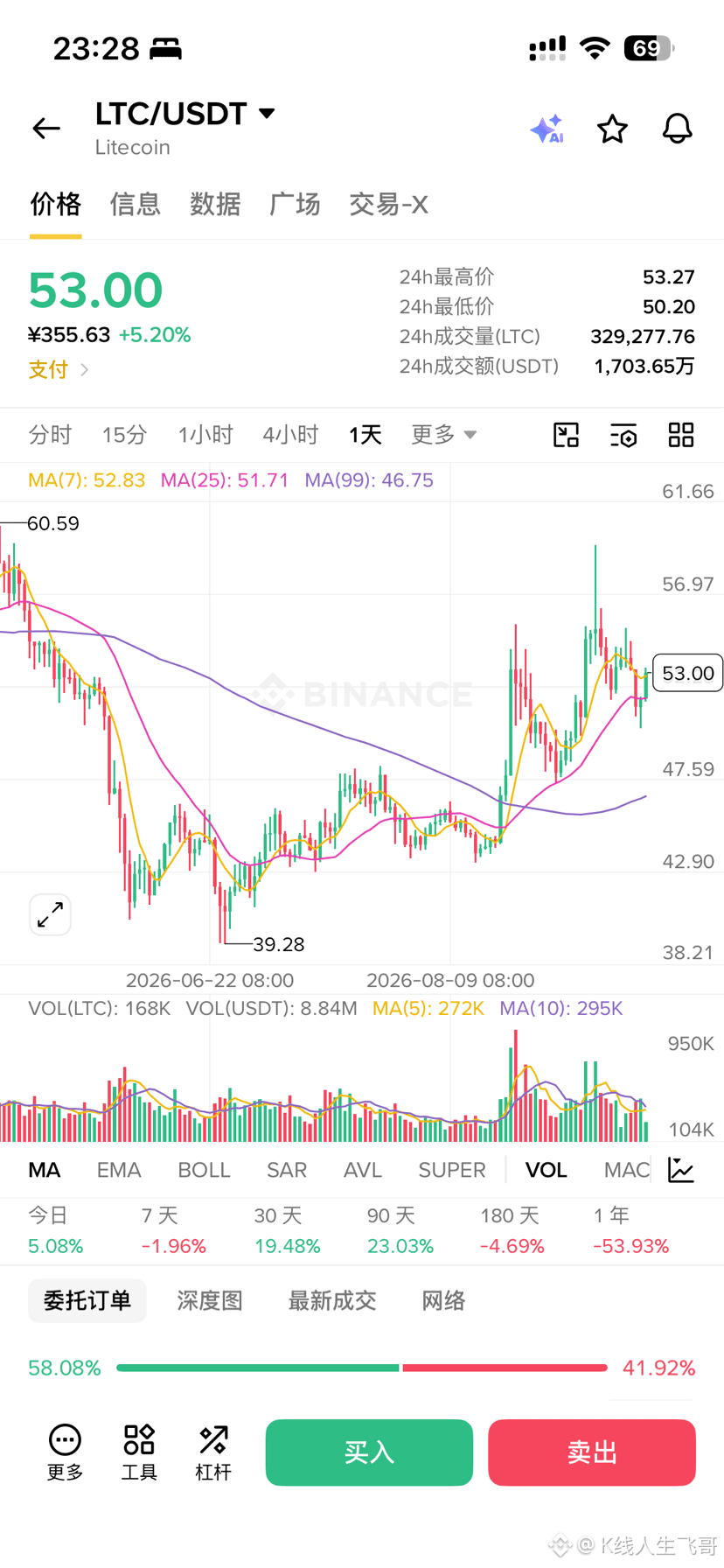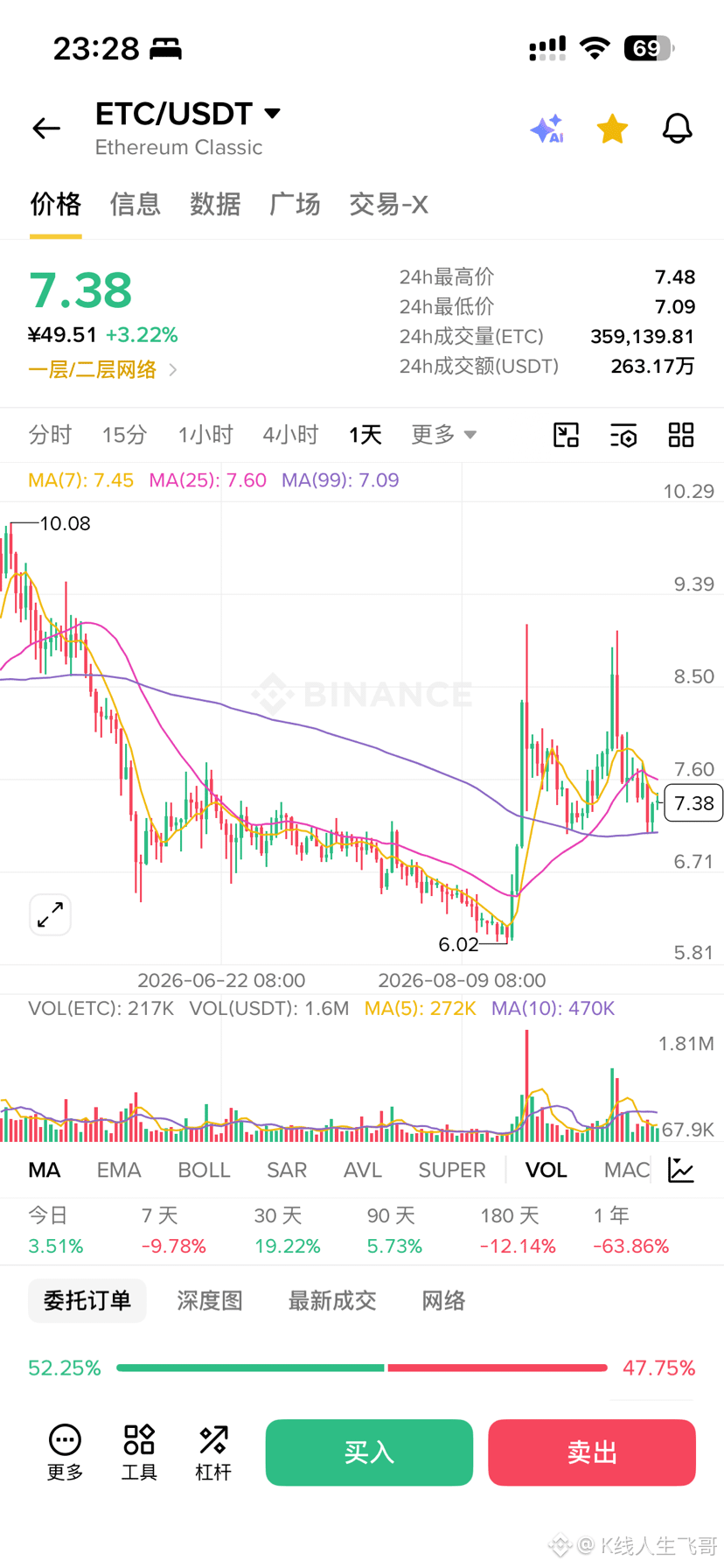
Compared to the three long-established POW coins $BCH $LTC $ETC , the imagination space in this bull cycle is
BCH has a market cap of $4.7 billion, LTC $4.1 billion, ETC $1.1 billion.
BCH is a Bitcoin fork, LTC is a BTC imitation, and ETC is Ethereum’s native chain.
At the moment, BCH is Grayscale’s third-largest holding, but the shell of BCH has already been sold to Middle Eastern capital, so it’s no longer controlled and operated by Bitmain. This is also why BCH performed so strongly in the previous bull cycle.
LTC is currently Grayscale’s second-largest holding, with a spot ETF boost as well. Although there is basically no capital inflow right now, judging by LTC’s consolidation pattern, it has already been in a multi-year washout for more than four years. If the “dog” operators are still around in this bull cycle, then it’s likely they will hype it up in a round.
ETC is Ethereum’s native chain. Back then, internal conflicts led to a split that produced ETH. After that, ETH grew rapidly, and ETC gradually declined, becoming a doomsday war machine. In the previous bull cycle, the biggest rise for ETC was basically only about a 2x from the bottom. In other words, it basically didn’t really go up. Of course, one of the most important reasons is that ETH performed poorly in the previous bull cycle, and ETC is highly correlated with ETH from the start.
Based on the current distribution of holdings (chip structure), LTC has the heaviest load in the “bag,” BCH comes next, and almost nobody is paying attention to ETC. Therefore, from a returns perspective in this bull cycle, the returns from BCH and ETC should be greater than LTC. BCH is highly linked to BTC—basically every time BTC surges upward and hits higher highs, BCH follows. ETC is highly linked to ETH. In this bull cycle, ETH has already started showing signs of outperforming BTC. If this trend continues, ETC’s market cap of only $1.1 billion means there is a lot of room for hype. As for LTC, there isn’t a clear narrative yet. Next year there will be a halving (reduction in issuance), plus spot ETFs—so it remains to be seen how Grayscale will operate it.
BCH has a market cap of $4.7 billion, LTC $4.1 billion, ETC $1.1 billion.
BCH is a Bitcoin fork, LTC is a BTC imitation, and ETC is Ethereum’s native chain.
At the moment, BCH is Grayscale’s third-largest holding, but the shell of BCH has already been sold to Middle Eastern capital, so it’s no longer controlled and operated by Bitmain. This is also why BCH performed so strongly in the previous bull cycle.
LTC is currently Grayscale’s second-largest holding, with a spot ETF boost as well. Although there is basically no capital inflow right now, judging by LTC’s consolidation pattern, it has already been in a multi-year washout for more than four years. If the “dog” operators are still around in this bull cycle, then it’s likely they will hype it up in a round.
ETC is Ethereum’s native chain. Back then, internal conflicts led to a split that produced ETH. After that, ETH grew rapidly, and ETC gradually declined, becoming a doomsday war machine. In the previous bull cycle, the biggest rise for ETC was basically only about a 2x from the bottom. In other words, it basically didn’t really go up. Of course, one of the most important reasons is that ETH performed poorly in the previous bull cycle, and ETC is highly correlated with ETH from the start.
Based on the current distribution of holdings (chip structure), LTC has the heaviest load in the “bag,” BCH comes next, and almost nobody is paying attention to ETC. Therefore, from a returns perspective in this bull cycle, the returns from BCH and ETC should be greater than LTC. BCH is highly linked to BTC—basically every time BTC surges upward and hits higher highs, BCH follows. ETC is highly linked to ETH. In this bull cycle, ETH has already started showing signs of outperforming BTC. If this trend continues, ETC’s market cap of only $1.1 billion means there is a lot of room for hype. As for LTC, there isn’t a clear narrative yet. Next year there will be a halving (reduction in issuance), plus spot ETFs—so it remains to be seen how Grayscale will operate it.