Good evening, brothers
Last night I mentioned some data about why I think it’s impossible for the market to fall further. Today I’ll go into more detail.
First, understand a basic logic principle:
The essence of a bear market bottom is: the complete exhaustion of selling power.
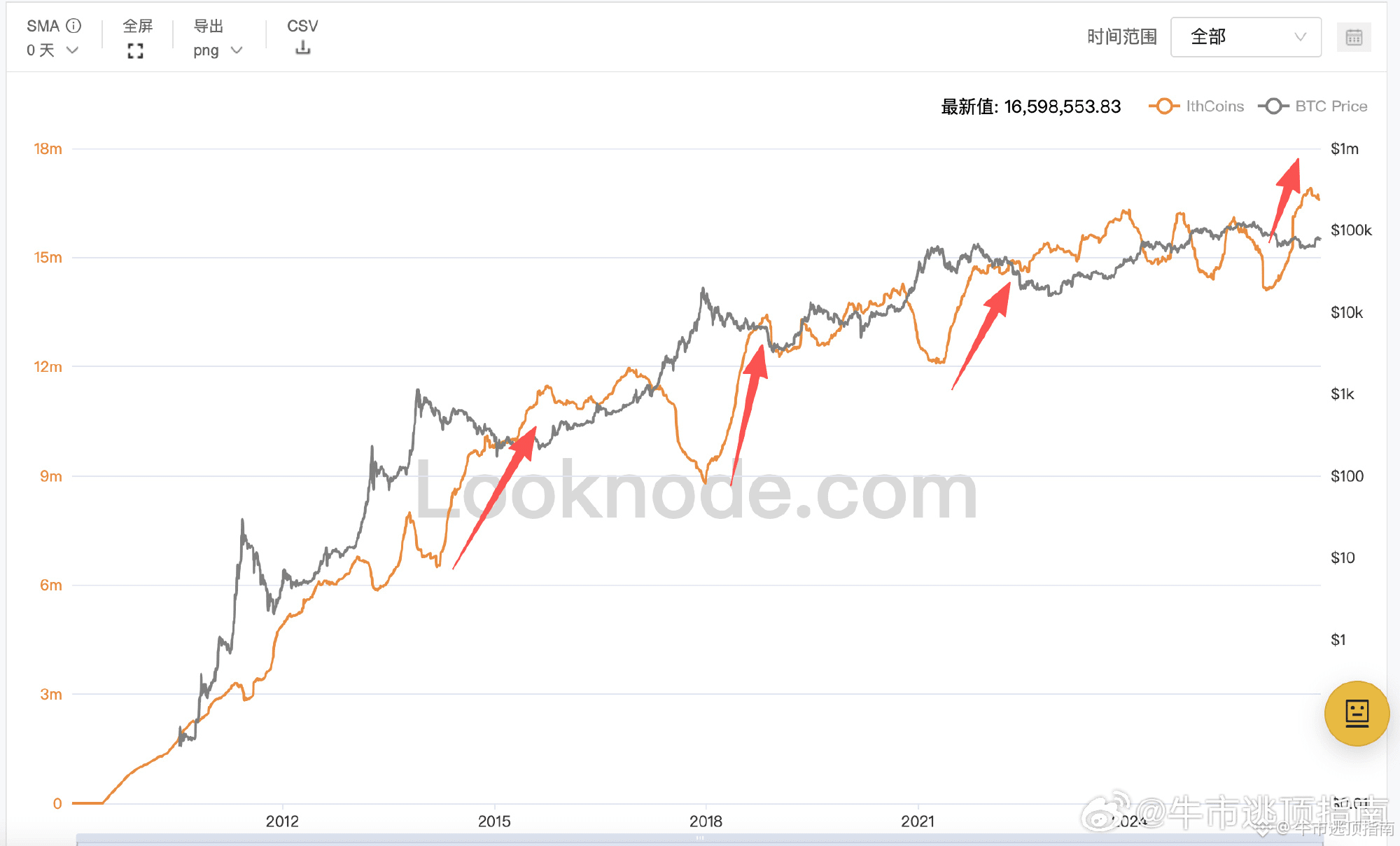
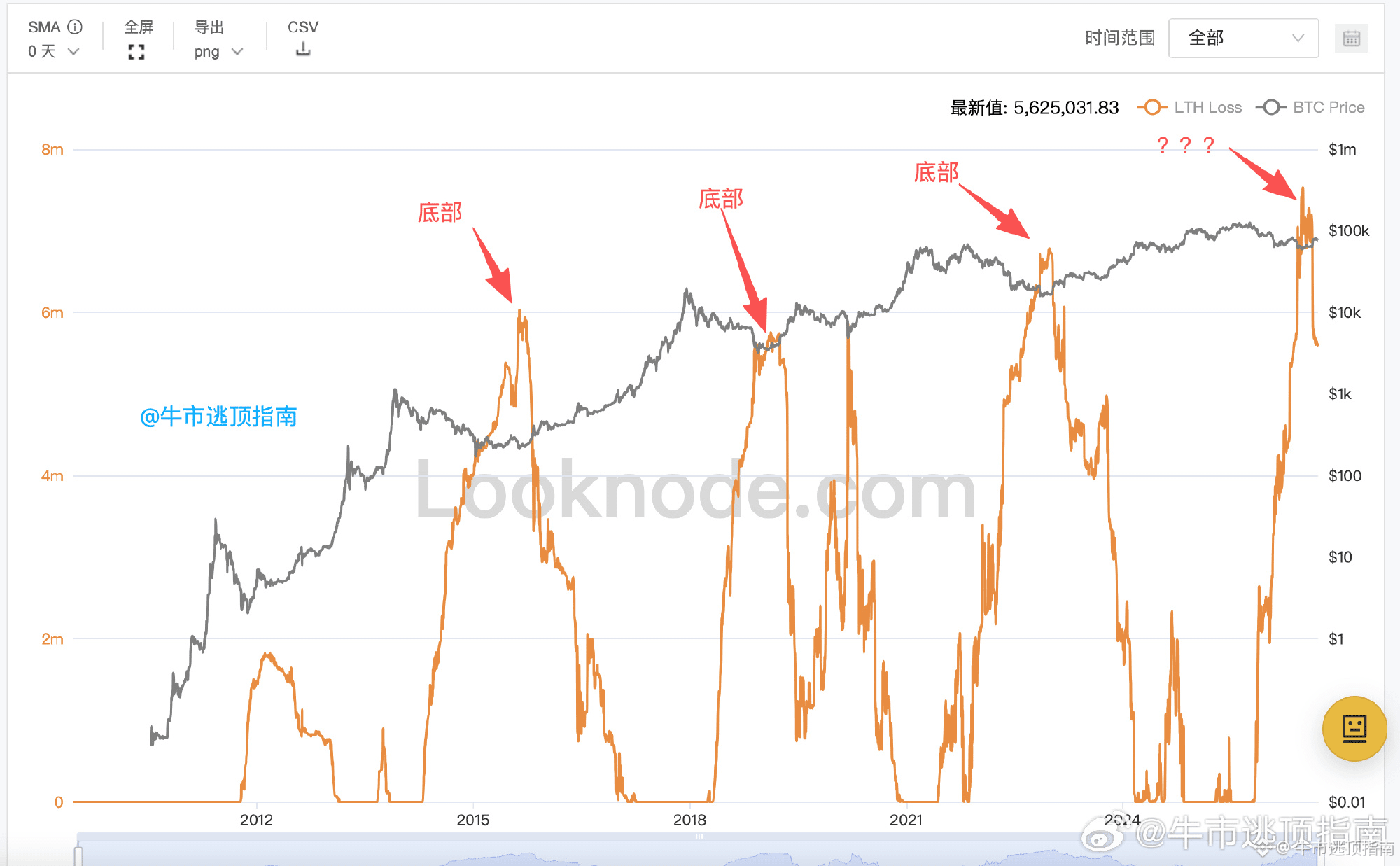
Figure 1 shows the holdings of long-term holders; Figure 2 shows the holdings of long-term holders that are currently at a loss.
The path of every market decline is actually fixed:
1. First, the least-committed short-term speculators start selling. As the drop deepens and time stretches, losses gradually reach holders whose cost basis is lower and who are more firmly committed—long-term holders.
2. When even long-term holders begin to cut losses at a large scale, and the amount of those cut-loss sales reaches a peak, it means that in the market, “those who can’t hold on and are willing to sell” have basically already been cleared out. What remains are extremely steadfast holders, and the selling pressure gradually enters a state of exhaustion. (Figure 2)
And the fact that long-term holders’ positions increase against the trend (Figure 1) indicates that during the decline, there wasn’t a collapse-style wave of selling. Instead, there are long-term funds actively stepping in to buy. The chips are transferring from weak hands to strong hands, so the support at the bottom should be stronger.
In this cycle, from the high point to the current lowest point—nearly a half-drop—the holdings of long-term holders increased from 14.12 million coins to 16.59 million coins, up 17.5%, and has kept setting new historical highs;
This means that during the decline, only this group has been steadily accumulating actively. The selling pressure was fully absorbed, and there wasn’t any sign of a breakdown where chips loosened.
According to historical backtests, the bottoms of four bear markets almost always occurred after the losses surged to a phase peak and then pulled back. After that, the price began a new bull market. Accuracy is currently 100%.
Finally, what I want to say is: data can indeed reflect many activities and trajectories on the chain, but market policies change endlessly. Especially the fact that “Chuanzi” always comes up with something new every day—nobody can guarantee that there won’t be black swans or extreme events.
So controlling your position size is still the top priority. Don’t go all-in. Buy gradually, so that if a black swan happens, you still have enough ability to pick up the blood-stained chips.