
Nadyisom
17.4k Posts

Nadyisom
 Square Verified+
im not a financial advisor Entrepreneur artist creator NFT enthusiast blockchain builder curators and collectors Art lover

DeFi Challenge Participant
491 Following
62.6K+ Followers
59.4K+ Liked
1 Badges
Posts
All
Quotes
Videos
Live
PINNED
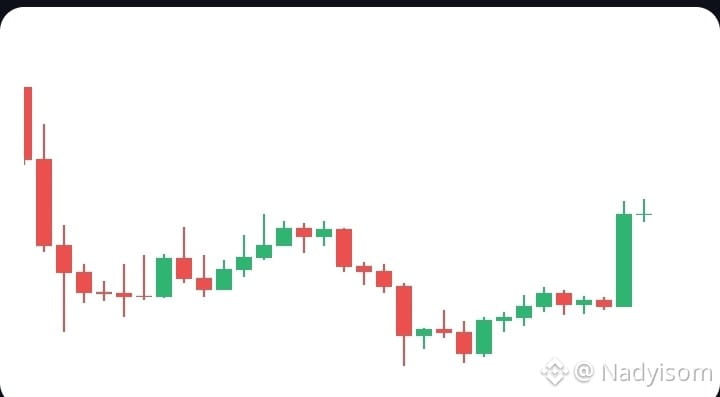
ETH is looking good not because of noise but because people keep coming back to use it. $ETH
tap
Tapu13
·
--
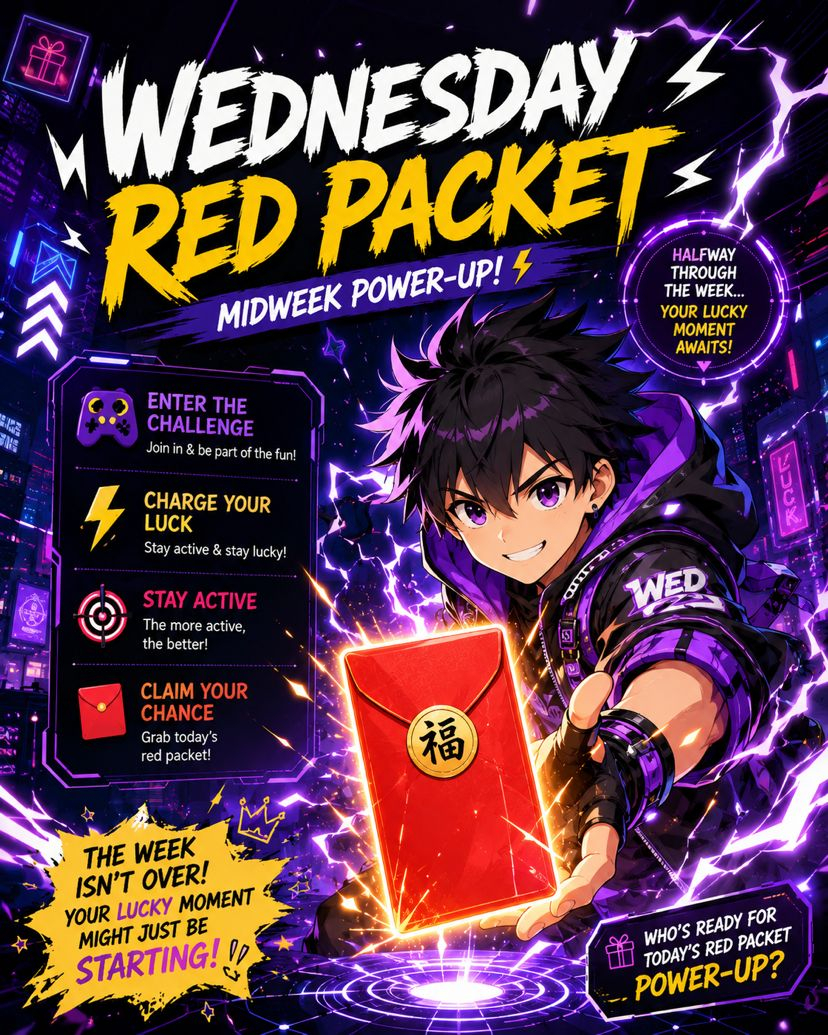
Theme: ⚡ “Midweek Power-Up” ⚡
🧧 WEDNESDAY RED PACKET 🧧
Halfway through the week…
time for a MIDWEEK POWER-UP⚡🔥
🎮 Enter the challenge
⚡ Charge your luck
🎯 Stay active
🧧 Claim your chance
The week isn’t over your lucky moment might just be starting. 👀❤️
Who’s ready for today’s RED PACKET POWER-UP? 🔥
🧧 WEDNESDAY RED PACKET 🧧
Halfway through the week…
time for a MIDWEEK POWER-UP⚡🔥
🎮 Enter the challenge
⚡ Charge your luck
🎯 Stay active
🧧 Claim your chance
The week isn’t over your lucky moment might just be starting. 👀❤️
Who’s ready for today’s RED PACKET POWER-UP? 🔥
yas

YASH DHALIWAL 31_加密 143
·
--
🌹👻🌹👻🌹👻🌹👻🌹👻🌹👻🌹👻🌹👻🌹👻🌹👻🌹👻🌹👻🌹👻🌹👻🌹👻🌹👻🌹👻🌹👻🌹👻🌹👻🌹👻🌹👻🌹
🔥🔥🔥🔥🔥🔥🔥🔥🔥🔥🔥🔥🔥🔥🔥🎊🎊🎊🎊🎊🎊🎊🎊🎊🎊🎊🎊🎊🎊🎊✨✨✨✨✨✨✨✨✨✨✨✨✨✨✨🔥🔥🔥🔥🔥🔥🔥🔥🔥🔥🔥🔥🔥🔥🔥
$NVDAB $GOOGL.US $BTC
🔥🔥🔥🔥🔥🔥🔥🔥🔥🔥🔥🔥🔥🔥🔥🎊🎊🎊🎊🎊🎊🎊🎊🎊🎊🎊🎊🎊🎊🎊✨✨✨✨✨✨✨✨✨✨✨✨✨✨✨🔥🔥🔥🔥🔥🔥🔥🔥🔥🔥🔥🔥🔥🔥🔥
$NVDAB $GOOGL.US $BTC
anuu..

CZ_ANUU
·
--
🤍❤🤍❤🤍❤🤍❤🤍❤🤍❤🤍❤🤍
✅✅✅✅✅follow e please ✅✅✅✅✅
❤🤍❤🤍❤🤍❤🤍❤🤍❤🤍❤🤍❤
✅✅✅✅✅follow e please ✅✅✅✅✅
❤🤍❤🤍❤🤍❤🤍❤🤍❤🤍❤🤍❤

fatima 🧧🎁

Fatima 5
·
--
🎁 BIG $BNB GIVEAWAY!
A little engagement can bring a big opportunity! 🚀
Join this exciting BNB Giveaway and complete the simple steps:
❤️ Like this post
💬 Comment your thoughts
👥 Follow for more updates
Whether you’re already part of the Binance community or just exploring Web3, this is a great chance to participate and connect with fellow crypto enthusiasts. 🔥
Don’t miss your opportunity to be part of the action! 🎉
Like • Comment • Follow • Participate 💛
$BNB
A little engagement can bring a big opportunity! 🚀
Join this exciting BNB Giveaway and complete the simple steps:
❤️ Like this post
💬 Comment your thoughts
👥 Follow for more updates
Whether you’re already part of the Binance community or just exploring Web3, this is a great chance to participate and connect with fellow crypto enthusiasts. 🔥
Don’t miss your opportunity to be part of the action! 🎉
Like • Comment • Follow • Participate 💛
$BNB

welcome to Zhou 👑💜 live

周周1688
·
--
[Replay] 🎙️ Let’s talk about the market and invest in BNB spot through dollar-cost averaging!
03 h 21 m 01 s · 16.8k listens
·
--
🎙️ Did they all turn red after I woke up in one night? Are the bulls leaving?
End
02 h 38 m 22 s
10.8k
27
stay safu must read


Binance Security
·
--
ClickFix: When “Verify You’re Human” Is the Attack
ClickFix is a fast-growing scam technique that skips hacking your device and instead convinces you to do it yourself. Attackers disguise malware as a routine fix: a CAPTCHA that “failed to load,” an urgent “system update,” a broken audio or video prompt before a call, or a document that “won't display” without extra steps.
Unlike traditional malware delivery methods, ClickFix often avoids asking users to manually download and open a suspicious file or attachment. Instead, it may only need you to copy a command, paste it, and press Enter.
How the Attack Works
You land on a fake page through a malicious ad, a compromised website, a link shared in a Telegram/Discord group, or a fake meeting invite.The page shows a familiar-looking error or verification prompt and quietly copies a command to your clipboard in the background.You're told to press Windows + R (or open Terminal on Mac), paste, and hit Enter to “complete verification” or apply the “fix.”That single paste-and-Enter runs a hidden PowerShell or shell command. Because you executed it yourself using trusted system tools, there may be no obvious download prompt, and no immediate antivirus warning. Malware installs silently in the background, most often an infostealer built to harvest saved credentials.
Why This Matters for Crypto Users
Traditional malware defenses mostly watch for malicious downloads or attachments. ClickFix skips that step as you are the one executing the command through Run, PowerShell, or Terminal, tools your own operating system already trusts.
These infostealers are increasingly built to target:
Browser-based wallet extensionsSaved passwords and session cookiesSeed phrases typed, copied, or stored on the deviceHardware wallet software, sometimes replaced with tampered versions
Because these threats can run silently and leave few traces, users may not realize their device is compromised until funds are already gone.
How to Stay SAFU
No real verification requires system access. Legitimate CAPTCHAs, software updates, and troubleshooting flows should not require you to open Run, Terminal, or PowerShell and paste a command from a webpage.Never paste blind. Don't paste anything into a system dialog because a webpage told you to — you often can't see what's on your clipboard before you paste it.Slow down on unusual prompts. If a verification step feels unusual, close the tab and reload the site independently instead of following on-page instructions.Update wallet software from official sources only. Download tools directly from the vendor's official site, never through a pop-up “fix.”Act fast if exposed. If you've already pasted and run a command like this, disconnect from the internet, avoid entering any passwords or seed phrases, run a full malware scan, and move funds using a clean, separate device.
Final Reminder
ClickFix succeeds by turning you into the installer, using tools your computer already trusts. No real fix, update, or verification should require you to copy and paste a command into Run, Terminal, or PowerShell.
If a page asks you to do that, close it immediately. No matter how convincing it looks.
#Binancesecurity #SAFU🙏
Unlike traditional malware delivery methods, ClickFix often avoids asking users to manually download and open a suspicious file or attachment. Instead, it may only need you to copy a command, paste it, and press Enter.
How the Attack Works
You land on a fake page through a malicious ad, a compromised website, a link shared in a Telegram/Discord group, or a fake meeting invite.The page shows a familiar-looking error or verification prompt and quietly copies a command to your clipboard in the background.You're told to press Windows + R (or open Terminal on Mac), paste, and hit Enter to “complete verification” or apply the “fix.”That single paste-and-Enter runs a hidden PowerShell or shell command. Because you executed it yourself using trusted system tools, there may be no obvious download prompt, and no immediate antivirus warning. Malware installs silently in the background, most often an infostealer built to harvest saved credentials.
Why This Matters for Crypto Users
Traditional malware defenses mostly watch for malicious downloads or attachments. ClickFix skips that step as you are the one executing the command through Run, PowerShell, or Terminal, tools your own operating system already trusts.
These infostealers are increasingly built to target:
Browser-based wallet extensionsSaved passwords and session cookiesSeed phrases typed, copied, or stored on the deviceHardware wallet software, sometimes replaced with tampered versions
Because these threats can run silently and leave few traces, users may not realize their device is compromised until funds are already gone.
How to Stay SAFU
No real verification requires system access. Legitimate CAPTCHAs, software updates, and troubleshooting flows should not require you to open Run, Terminal, or PowerShell and paste a command from a webpage.Never paste blind. Don't paste anything into a system dialog because a webpage told you to — you often can't see what's on your clipboard before you paste it.Slow down on unusual prompts. If a verification step feels unusual, close the tab and reload the site independently instead of following on-page instructions.Update wallet software from official sources only. Download tools directly from the vendor's official site, never through a pop-up “fix.”Act fast if exposed. If you've already pasted and run a command like this, disconnect from the internet, avoid entering any passwords or seed phrases, run a full malware scan, and move funds using a clean, separate device.
Final Reminder
ClickFix succeeds by turning you into the installer, using tools your computer already trusts. No real fix, update, or verification should require you to copy and paste a command into Run, Terminal, or PowerShell.
If a page asks you to do that, close it immediately. No matter how convincing it looks.
#Binancesecurity #SAFU🙏
Attention everyone
Must read this.
Must read this.
Binance Risk Sniper
·
--
Phishing Texts Are on the Rise — Don't Tap That Link
We've recently observed an increase in phishing attacks targeting crypto users. Attackers send fake "security alert" text messages to trick users into clicking links and draining their accounts.
Common signs of a phishing text:
Disguised as an official notification — "Your account settings were changed" or "Suspicious login detected"Contains a shortened link asking you to "verify immediately"Creates urgency so you act before you think
Remember: Binance will never ask you to tap a link in a text message to "verify" or "secure" your account.
🛡️ Three Things to Protect Your Account
1. Don't tap unfamiliar links
If you receive a text with a link claiming to be a security alert — don't tap it. To verify if it's genuinely from Binance, use Binance Verify: https://www.binance.com/en/official-verification
2. Enable Withdrawal Address Whitelist
Turn on Withdrawal Address Whitelist in your security settings. Once enabled, funds can only go to addresses you've pre-approved. Learn how to set it up
3. Enable Anti-Phishing Code
Turn on Anti-Phishing Code in your security settings. Genuine Binance emails will always include your unique code — if an email doesn't have it, it's not from us. Learn how to set it up
Received a suspicious text or already tapped a link? Contact Binance Customer Support immediately through the official app.
📚 Further Reading
How to Identify and Avoid Binance Imposters With Binance VerifyShare-Seed-Phrase Scams: A Binance Guide to Protecting Yourself Against a Rising Threat
This content is for informational purposes only and does not constitute financial, legal, or investment advice.
Common signs of a phishing text:
Disguised as an official notification — "Your account settings were changed" or "Suspicious login detected"Contains a shortened link asking you to "verify immediately"Creates urgency so you act before you think
Remember: Binance will never ask you to tap a link in a text message to "verify" or "secure" your account.
🛡️ Three Things to Protect Your Account
1. Don't tap unfamiliar links
If you receive a text with a link claiming to be a security alert — don't tap it. To verify if it's genuinely from Binance, use Binance Verify: https://www.binance.com/en/official-verification
2. Enable Withdrawal Address Whitelist
Turn on Withdrawal Address Whitelist in your security settings. Once enabled, funds can only go to addresses you've pre-approved. Learn how to set it up
3. Enable Anti-Phishing Code
Turn on Anti-Phishing Code in your security settings. Genuine Binance emails will always include your unique code — if an email doesn't have it, it's not from us. Learn how to set it up
Received a suspicious text or already tapped a link? Contact Binance Customer Support immediately through the official app.
📚 Further Reading
How to Identify and Avoid Binance Imposters With Binance VerifyShare-Seed-Phrase Scams: A Binance Guide to Protecting Yourself Against a Rising Threat
This content is for informational purposes only and does not constitute financial, legal, or investment advice.
$BNB Levels worth watching
Support: ~$615–620 the 50/200-day averages
Resistance: $700, then $725
Support: ~$615–620 the 50/200-day averages
Resistance: $700, then $725
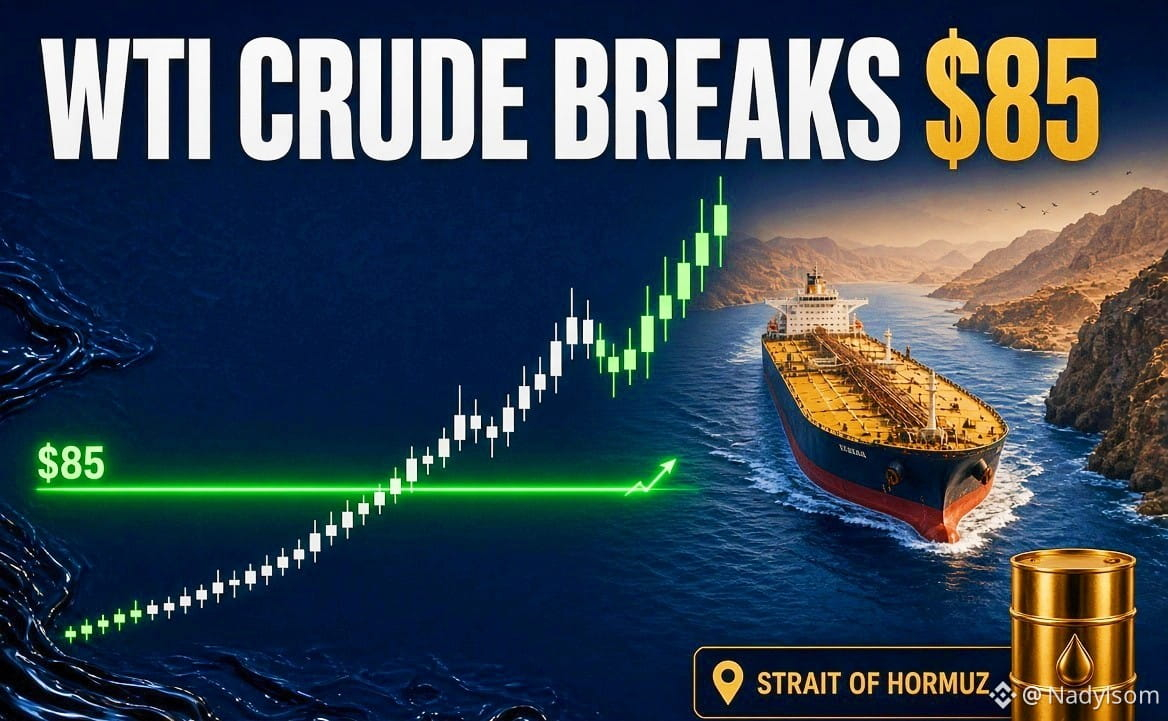
WTI crude broke back above $85 a barrel.
Iran tensions and tight flows through the Strait of Hormuz are still driving this. Prices have been choppy for weeks, swinging on every headline out of the region.
whether $85 holds, or we get another pullback like before?. $CL
Iran tensions and tight flows through the Strait of Hormuz are still driving this. Prices have been choppy for weeks, swinging on every headline out of the region.
whether $85 holds, or we get another pullback like before?. $CL
waiting

Binance TG Community
·
--
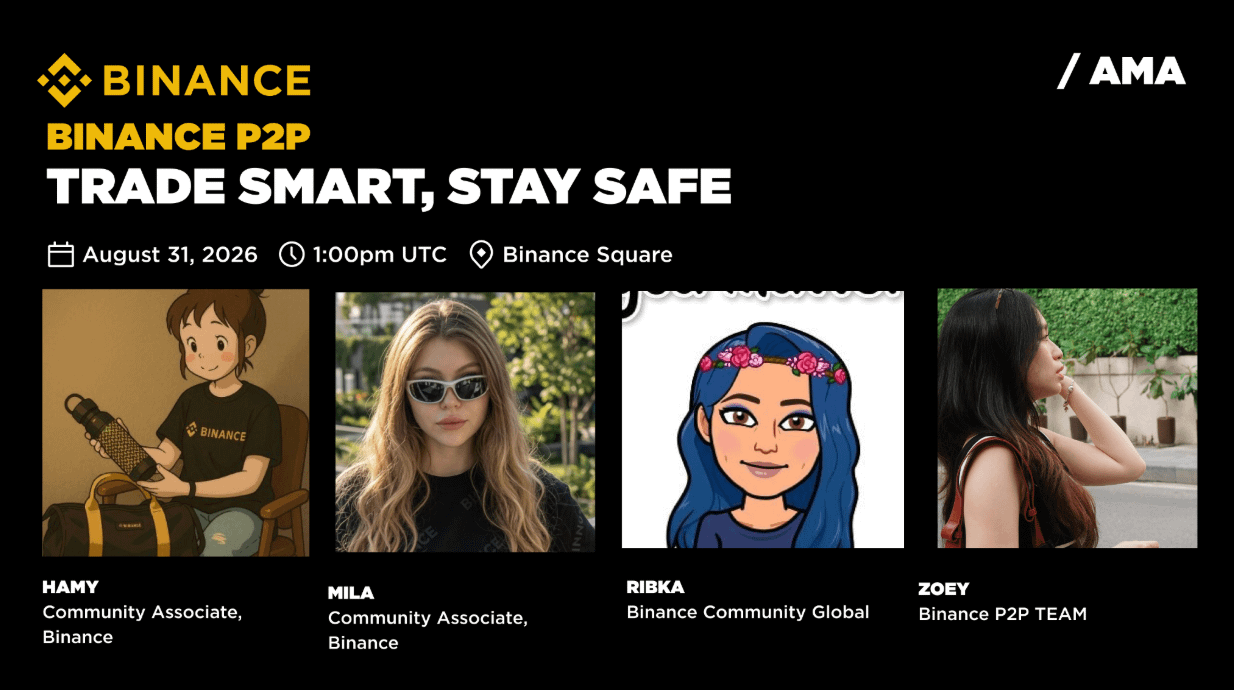
BullishJoin us for a session with 🎉 | Binance p2p team😀
🗓 Date: August 31 th , 2026
⏰ Time: 1 PM UTC 💪 subscribe here via @Binance Angels
#BinanceSquareTG $NVDAB
🗓 Date: August 31 th , 2026
⏰ Time: 1 PM UTC 💪 subscribe here via @Binance Angels
#BinanceSquareTG $NVDAB
Verified
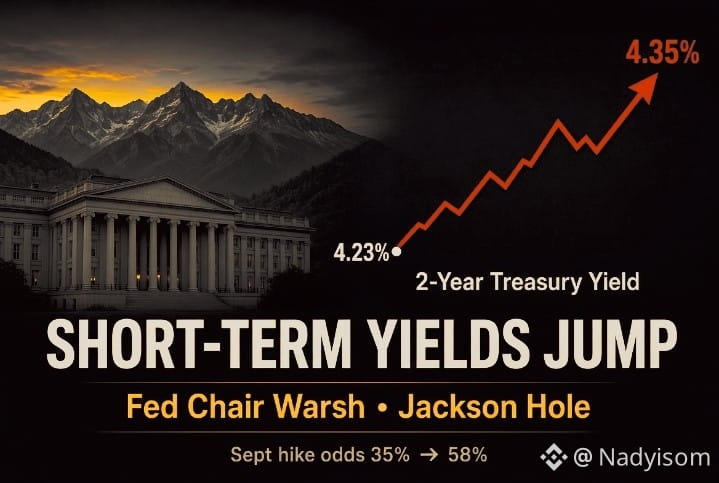
Short term Treasury yields jumped Friday after Fed Chair Warsh spoke at Jackson Hole. The 2 year yield rose about 12 basis points and finished near 4.35 percent. That is a large one day move for the front of the curve.
Markets heard him say inflation is still not cooling fast enough. Summer PCE and CPI numbers looked better on the surface. He said those prints do not show the underlying trend has really improved. His line was simple. The Fed has to be confident inflation is moving toward 2 percent clearly and at a decent speed. If not they still have work to do.
Traders treated that as hawkish. Odds of a September rate hike rose from around 35 percent to almost 58 percent. Short term yields moved more than the 10 year and 30 year because they track Fed policy more closely than longer bonds do.
A hike is not locked in. Jobs data lands next week and that can still shift the picture. For now the front end just priced in a higher chance that rates stay higher or go up sooner than people thought a day earlier.
Bond prices fall when yields rise. That part is straightforward. The open question is whether this move holds once people sit
with the speech over the weekend. #USShortTermTreasuryYieldsJump
Markets heard him say inflation is still not cooling fast enough. Summer PCE and CPI numbers looked better on the surface. He said those prints do not show the underlying trend has really improved. His line was simple. The Fed has to be confident inflation is moving toward 2 percent clearly and at a decent speed. If not they still have work to do.
Traders treated that as hawkish. Odds of a September rate hike rose from around 35 percent to almost 58 percent. Short term yields moved more than the 10 year and 30 year because they track Fed policy more closely than longer bonds do.
A hike is not locked in. Jobs data lands next week and that can still shift the picture. For now the front end just priced in a higher chance that rates stay higher or go up sooner than people thought a day earlier.
Bond prices fall when yields rise. That part is straightforward. The open question is whether this move holds once people sit
with the speech over the weekend. #USShortTermTreasuryYieldsJump
TRENd is friend !
$ETH
still looks solid.
About 35 percent of supply is staked. People are still lining up to get in. Almost nobody is rushing out.
L1 is doing close to 2 million txs a day. Fees are tiny. Gas is sitting around 0.1 gwei. The chain is not congested. It is just doing its job.
Burn is weak right now so supply is growing a little. That is the tradeoff for cheap blockspace.
Not a mania tape. Just a network that is working. Feels like another decent season from here.
still looks solid.
About 35 percent of supply is staked. People are still lining up to get in. Almost nobody is rushing out.
L1 is doing close to 2 million txs a day. Fees are tiny. Gas is sitting around 0.1 gwei. The chain is not congested. It is just doing its job.
Burn is weak right now so supply is growing a little. That is the tradeoff for cheap blockspace.
Not a mania tape. Just a network that is working. Feels like another decent season from here.
The quiet BNB holders who never sold through the bans the FUD and the dead chain headlines now sit on the busiest rails in crypto while the loud ones beg to come back. $BNB
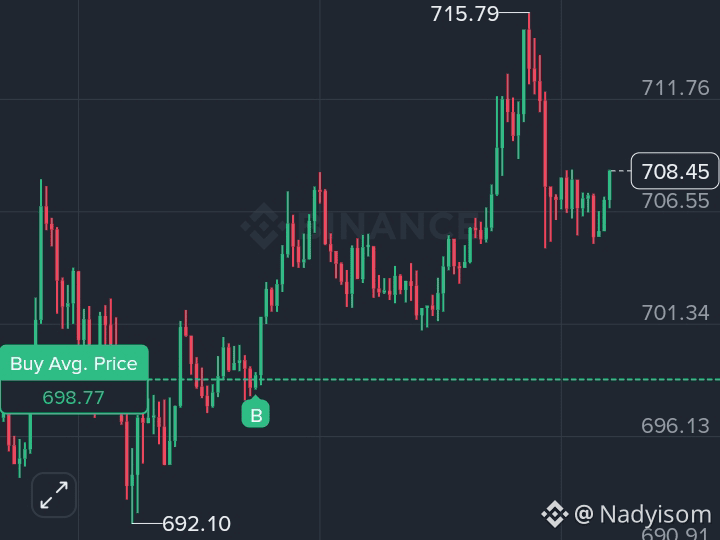
Buying BNB always hits different. That feeling stays the same no matter what the price is doing. $BNB
Log in to explore more content