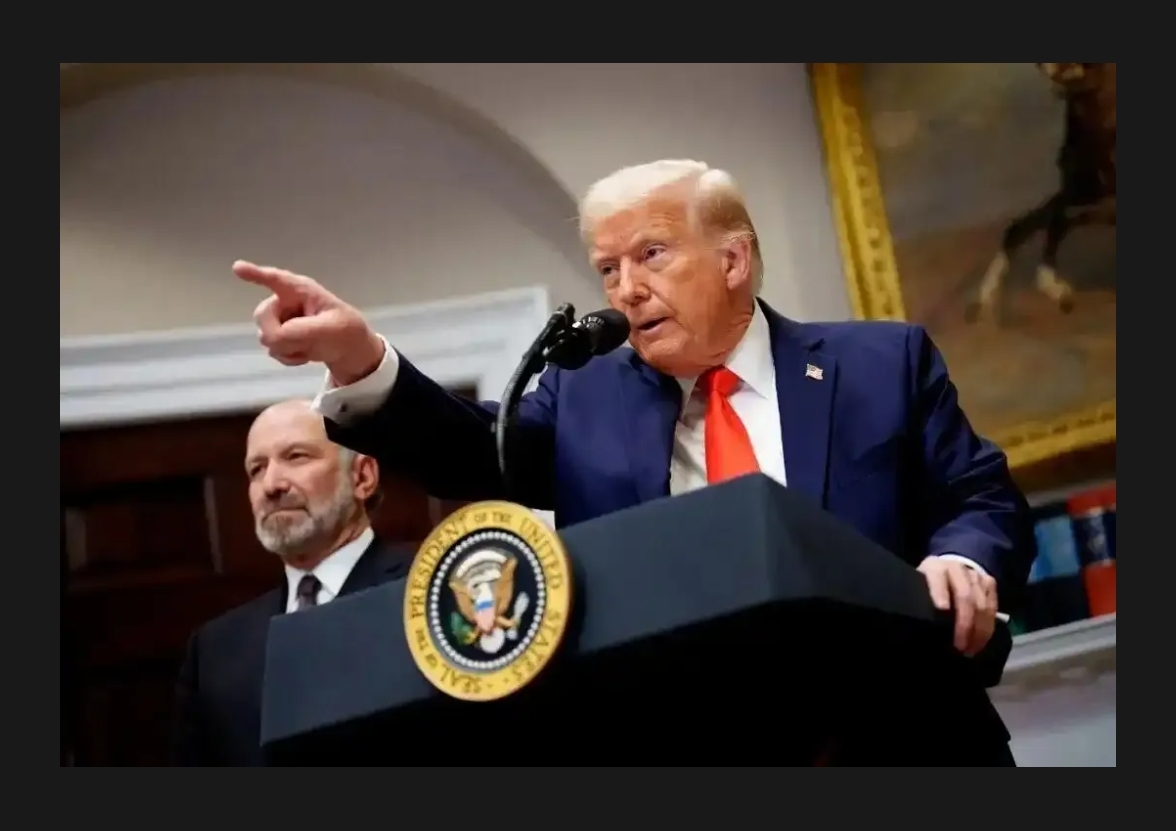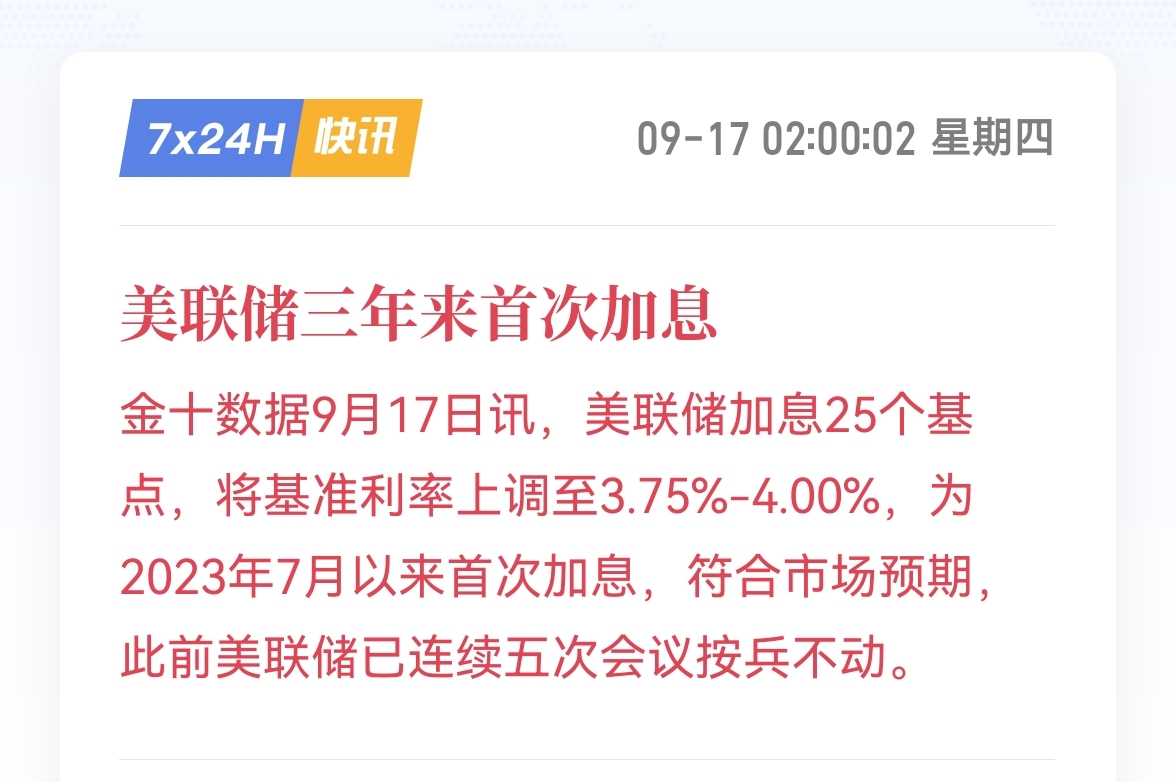

Wosh uses rate hikes to flex his authority, and Old Terr likely has a thousand wild horses galloping in his mind!
At Jackson Hole, Wosh pulled the discussion of rate hikes from the realm of “not on the table” back to the agenda: “We have to be confident that inflation is moving clearly and sufficiently fast down to 2%, or we have work to do.”
Look at the trend, not single data points. He’s watching the breadth of inflation—among 199 PCE subcategories, the share of those whose prices have risen more than 3% over the past 12 months. It’s now 54%; 6 months ago it was 49%. That’s below the post-pandemic peak of 77%, but far above the pre-pandemic 20-year average of 32%. More importantly, the 12-month breadth has climbed steadily from the 37% low in February 2025—meaning the “price-rising” footprint is expanding. This isn’t the kind of single-point, energy-driven inflation of 2022; it’s broad-based inflation.
With the unemployment rate at 4.2%–4.4% and core PCE still at 3.3%, real interest rates are already at the floor—i.e., essentially stuck near zero or even negative. In this context, tightening via rate hikes isn’t so much about suppressing inflation as about reshaping credibility, while also avoiding resource misallocation and asset bubbles.
Market expectations for further rate hikes cluster around 50–75 bps, with no consensus on a “spiral hike.” The pattern is more like “emergency-style hikes”—one or two clearly signaled actions to establish authority, not the start of a brand-new tightening cycle.
The risk for U.S. Treasuries isn’t being sold off—it’s being抢购 (bought aggressively). 76.8% is held domestically; pension funds and money market funds act as stabilizers. Overseas exposure is down to just 23.2%. If a true credit event were to occur, funds are more likely to rotate from corporate bonds toward Treasury bonds. The balance-sheet reduction path is likely to be “passive reduction, with the long end prioritized for non-renewal.” The duration risk would be pushed back into the private market, while the short end would actually create room for MMFs to allocate.
AI compute has moved from narrative to performance verification. Q2 cloud-provider data is strong: Google Cloud growth is 81.8%, AWS 36.8%, and Microsoft’s Intelligent Cloud 29.6%. The five major CSPs’ CAPEX next year is about $300 billion, with a 50% growth rate. The difference from the 2000 bubble is that this time there’s clear commercialization—cloud revenue and compute leasing, not just a pure concept.
In one sentence: rate hikes are an emergency show of authority, not the start of a cycle. The real risk isn’t that Treasuries will be dumped—but rather the interest burden and credit tiering effects under high rates. #点阵图预示2026年再加息一次 #美众院推进比特币储备法案
At Jackson Hole, Wosh pulled the discussion of rate hikes from the realm of “not on the table” back to the agenda: “We have to be confident that inflation is moving clearly and sufficiently fast down to 2%, or we have work to do.”
Look at the trend, not single data points. He’s watching the breadth of inflation—among 199 PCE subcategories, the share of those whose prices have risen more than 3% over the past 12 months. It’s now 54%; 6 months ago it was 49%. That’s below the post-pandemic peak of 77%, but far above the pre-pandemic 20-year average of 32%. More importantly, the 12-month breadth has climbed steadily from the 37% low in February 2025—meaning the “price-rising” footprint is expanding. This isn’t the kind of single-point, energy-driven inflation of 2022; it’s broad-based inflation.
With the unemployment rate at 4.2%–4.4% and core PCE still at 3.3%, real interest rates are already at the floor—i.e., essentially stuck near zero or even negative. In this context, tightening via rate hikes isn’t so much about suppressing inflation as about reshaping credibility, while also avoiding resource misallocation and asset bubbles.
Market expectations for further rate hikes cluster around 50–75 bps, with no consensus on a “spiral hike.” The pattern is more like “emergency-style hikes”—one or two clearly signaled actions to establish authority, not the start of a brand-new tightening cycle.
The risk for U.S. Treasuries isn’t being sold off—it’s being抢购 (bought aggressively). 76.8% is held domestically; pension funds and money market funds act as stabilizers. Overseas exposure is down to just 23.2%. If a true credit event were to occur, funds are more likely to rotate from corporate bonds toward Treasury bonds. The balance-sheet reduction path is likely to be “passive reduction, with the long end prioritized for non-renewal.” The duration risk would be pushed back into the private market, while the short end would actually create room for MMFs to allocate.
AI compute has moved from narrative to performance verification. Q2 cloud-provider data is strong: Google Cloud growth is 81.8%, AWS 36.8%, and Microsoft’s Intelligent Cloud 29.6%. The five major CSPs’ CAPEX next year is about $300 billion, with a 50% growth rate. The difference from the 2000 bubble is that this time there’s clear commercialization—cloud revenue and compute leasing, not just a pure concept.
In one sentence: rate hikes are an emergency show of authority, not the start of a cycle. The real risk isn’t that Treasuries will be dumped—but rather the interest burden and credit tiering effects under high rates. #点阵图预示2026年再加息一次 #美众院推进比特币储备法案