🔥Don’t get fooled by the Fed rate hikes! I just checked three pieces of data on the Fed’s official website—now I get it: $BTC . That’s why it can’t drop. The future trend you care about is all here too. I don’t guess up or down—I only look at Fed data.
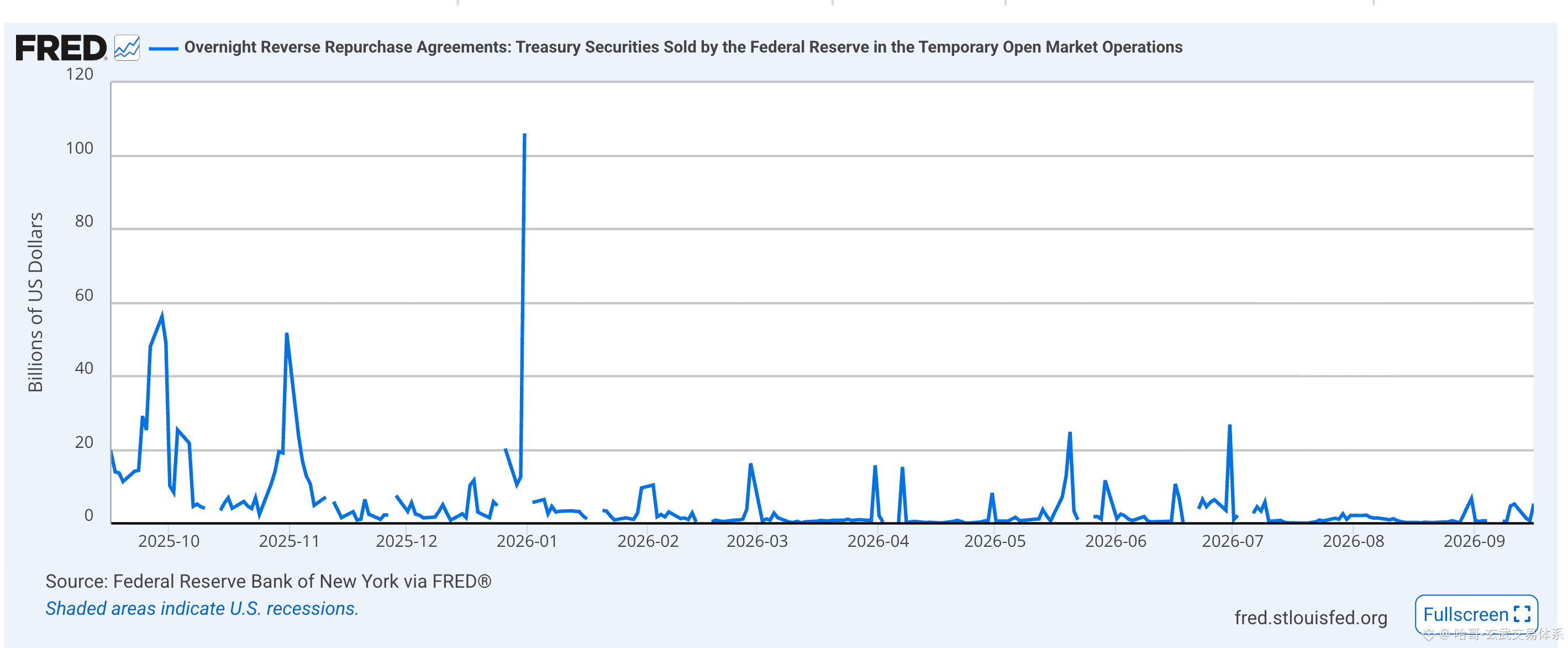
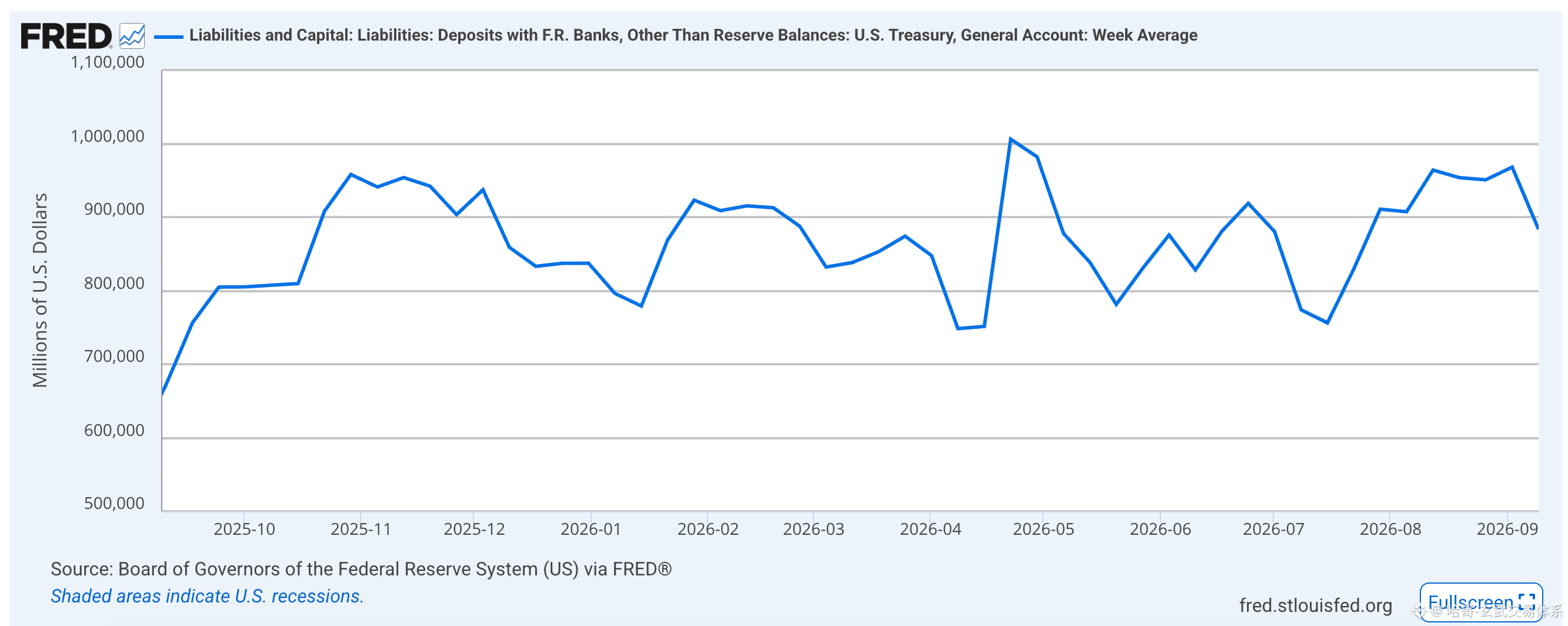
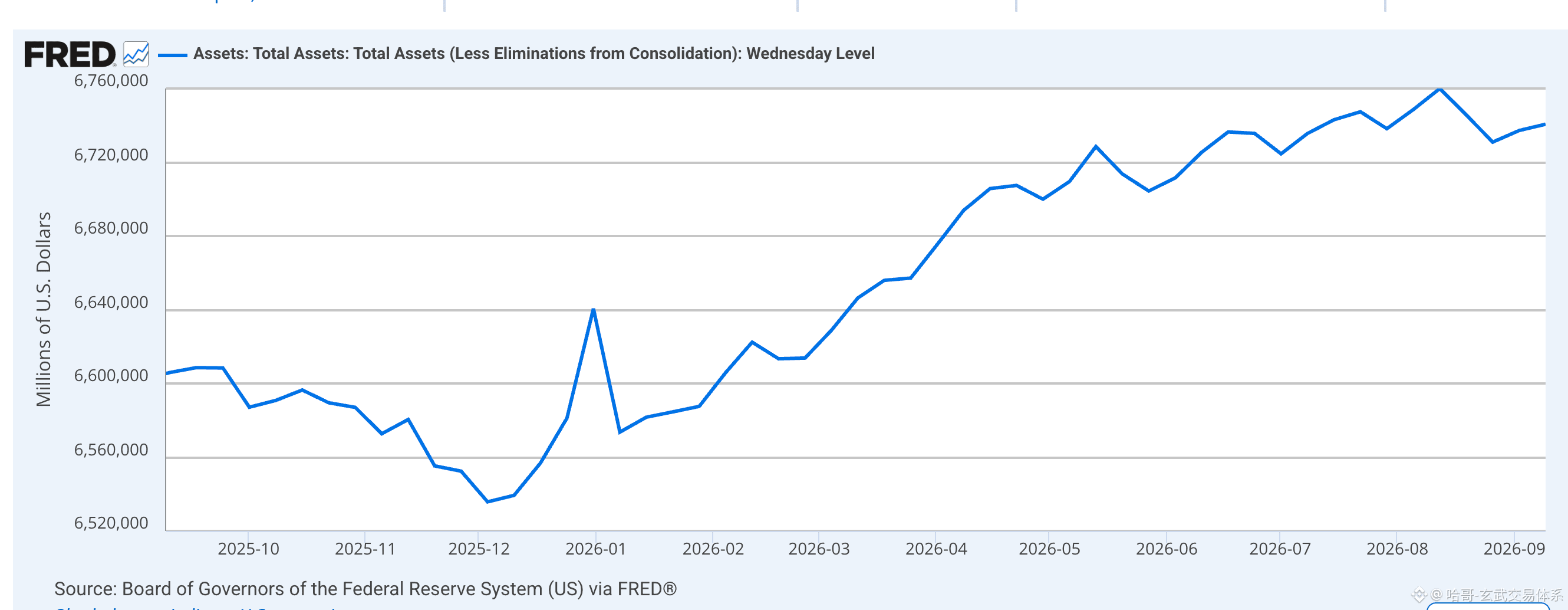
Last night, the Fed announced a rate hike. Many people thought the market would collapse, but as it turned out, BTC didn’t move an inch—actually it rebounded. The answer is hidden in these three underlying data points on the Fed’s website: WALCL (total assets), TGA (Treasury’s account), and RRP (reverse repos).
👉One-sentence summary: Rate hikes just make the ticket more expensive, but the water in the pool is actually increasing.
The thing that determines BTC’s direction has never been what the Fed says—it’s how much water there is in the pool.
When you add it all up, the water in the swimming pool isn’t drying out—it’s even a little more than last week. If the water level hasn’t fallen, how could BTC floating on the surface possibly crash?
👉What happens next with US stocks and BTC?
🔥US stocks (big trucks): Extremely sensitive to funding costs. Higher rates make the “truck body” heavier, and short-term valuations will inevitably come under pressure. In terms of strategy, it’s suitable to short into strength intraday $SPY $QQQ , and you can also keep making spot DCA into SPY or QQQ.
🔥BTC (speedboat): Not sensitive to interest rates—only cares about whether there’s more or less water. The current “water level” is holding the lower bound (it won’t fall much), but compared with the liquidity at the time of the first push toward $100,000, it’s still far behind (can’t rally).
Conclusion: Don’t expect BTC to take off in the short term—an extreme crash is unlikely. Sideways trading is the main theme. The best setup is to play swings or sell high/buy low.
Will BTC go up or down next? What do you think?🤪
#美联储SEP预计2026利率4.1% #美联储加息25基点美股收跌
Last night, the Fed announced a rate hike. Many people thought the market would collapse, but as it turned out, BTC didn’t move an inch—actually it rebounded. The answer is hidden in these three underlying data points on the Fed’s website: WALCL (total assets), TGA (Treasury’s account), and RRP (reverse repos).
👉One-sentence summary: Rate hikes just make the ticket more expensive, but the water in the pool is actually increasing.
The thing that determines BTC’s direction has never been what the Fed says—it’s how much water there is in the pool.
When you add it all up, the water in the swimming pool isn’t drying out—it’s even a little more than last week. If the water level hasn’t fallen, how could BTC floating on the surface possibly crash?
👉What happens next with US stocks and BTC?
🔥US stocks (big trucks): Extremely sensitive to funding costs. Higher rates make the “truck body” heavier, and short-term valuations will inevitably come under pressure. In terms of strategy, it’s suitable to short into strength intraday $SPY $QQQ , and you can also keep making spot DCA into SPY or QQQ.
🔥BTC (speedboat): Not sensitive to interest rates—only cares about whether there’s more or less water. The current “water level” is holding the lower bound (it won’t fall much), but compared with the liquidity at the time of the first push toward $100,000, it’s still far behind (can’t rally).
Conclusion: Don’t expect BTC to take off in the short term—an extreme crash is unlikely. Sideways trading is the main theme. The best setup is to play swings or sell high/buy low.
Will BTC go up or down next? What do you think?🤪
#美联储SEP预计2026利率4.1% #美联储加息25基点美股收跌