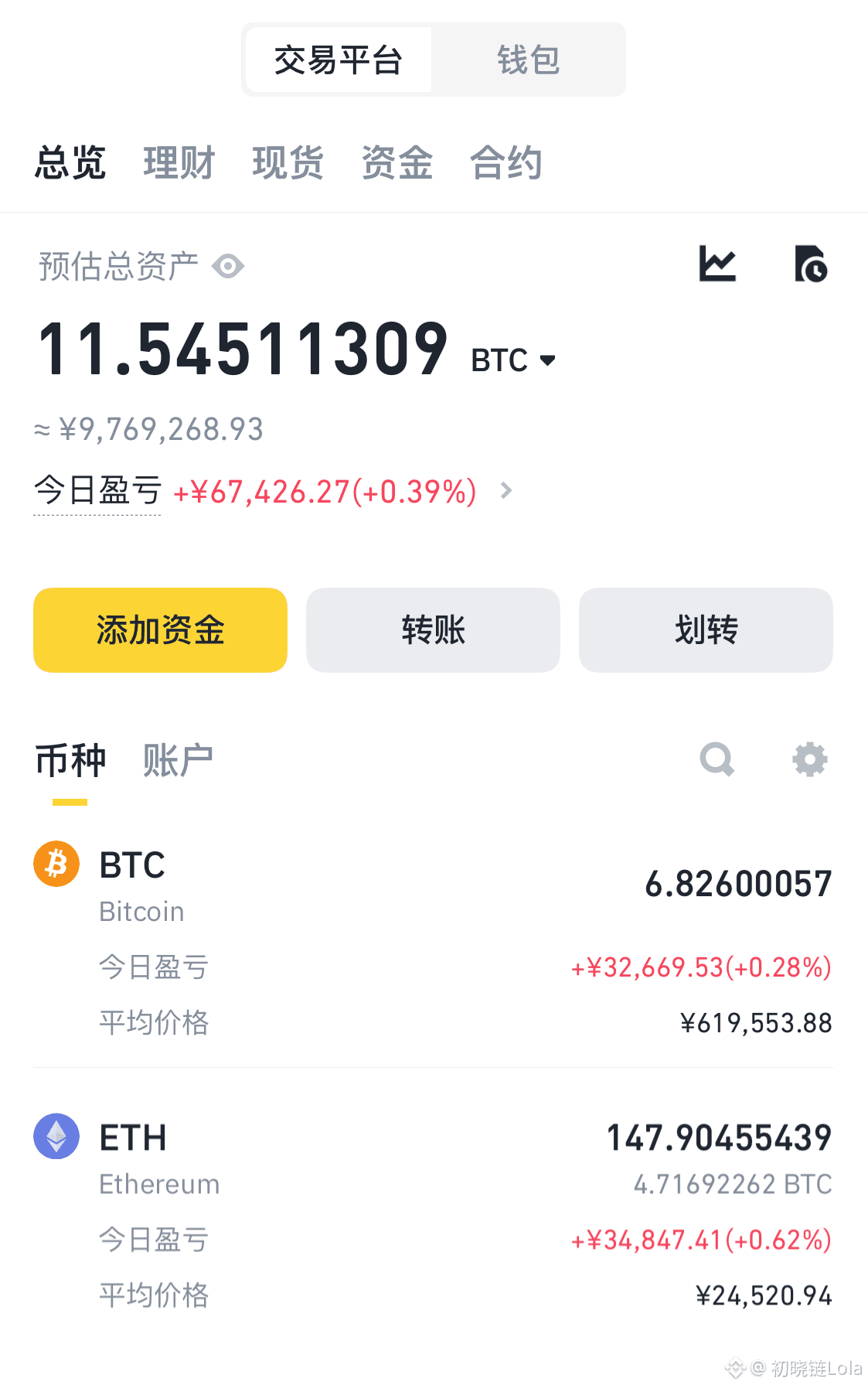
He’s gone, but the coins are still there—so why can’t the family access them?
Yesterday many people lamented the sudden death of that young crypto KOL.
Today, people are discussing: since the person is gone but the coins remain, how can family members inherit the crypto assets?
He usually took part in on-chain activities like Memes and air-drop farming.
We can assume some of his assets are spread across different wallets, different blockchains, and different protocols.
His wife knows how many assets there are—how can she find and obtain them?
If it’s not someone from the crypto world, getting access to these assets is even harder!
On-chain assets are decentralized.
No one can freeze a wallet, and they can’t be automatically transferred or inherited.
In the event of an unexpected accident, on-chain assets become effectively locked.
Traditional bank accounts, property, and the like have clear identity and inheritance systems.
Crypto assets are different in nature, and so is the inheritance method.
A person may have dozens of wallets and dozens of sets of mnemonic phrases,
holding $BTC , $ETH , and various tokens,
distributed across different networks such as #bitcoin , Ethereum, BSC, and others.
There are also exchange accounts, DeFi, NFTs, staked assets, and more.
If the family members don’t know about cryptocurrencies,
and they don’t even know where the wallets are or what the assets are,
how to operate them becomes impossible too.
Even if these assets exist forever on-chain,
the family can’t even know they exist—much less know how to take control of them.
This is a real issue in a decentralized world:
the person is gone, the coins are still there, but they can’t be moved.
No one knows whether tomorrow or an accident will come first.
Players should not only protect themselves against theft,
but also consider the future destination of their assets.
If something happens, how can family members locate their own assets?
1️⃣ Create an asset inventory
2️⃣ Prepare an emergency plan
3️⃣ Leave your family an “asset map,” not just “keys”
4️⃣ Update it regularly
They say private keys are safest when only you know them.
But from another angle, knowing them only by yourself also means that if an accident happens, no one else will know.
The crypto world gives individuals true control of their assets.
That’s freedom—and also responsibility.
Protecting assets isn’t only about preventing hackers or avoiding liquidation.
It also means whether, when the individual can no longer manage them, these assets can be inherited by the people they truly want to protect.
On-chain coins can exist for decades, but people may not.
Leaving yourself an asset map is also leaving your family the last layer of protection.
#加密资产
Yesterday many people lamented the sudden death of that young crypto KOL.
Today, people are discussing: since the person is gone but the coins remain, how can family members inherit the crypto assets?
He usually took part in on-chain activities like Memes and air-drop farming.
We can assume some of his assets are spread across different wallets, different blockchains, and different protocols.
His wife knows how many assets there are—how can she find and obtain them?
If it’s not someone from the crypto world, getting access to these assets is even harder!
On-chain assets are decentralized.
No one can freeze a wallet, and they can’t be automatically transferred or inherited.
In the event of an unexpected accident, on-chain assets become effectively locked.
Traditional bank accounts, property, and the like have clear identity and inheritance systems.
Crypto assets are different in nature, and so is the inheritance method.
A person may have dozens of wallets and dozens of sets of mnemonic phrases,
holding $BTC , $ETH , and various tokens,
distributed across different networks such as #bitcoin , Ethereum, BSC, and others.
There are also exchange accounts, DeFi, NFTs, staked assets, and more.
If the family members don’t know about cryptocurrencies,
and they don’t even know where the wallets are or what the assets are,
how to operate them becomes impossible too.
Even if these assets exist forever on-chain,
the family can’t even know they exist—much less know how to take control of them.
This is a real issue in a decentralized world:
the person is gone, the coins are still there, but they can’t be moved.
No one knows whether tomorrow or an accident will come first.
Players should not only protect themselves against theft,
but also consider the future destination of their assets.
If something happens, how can family members locate their own assets?
1️⃣ Create an asset inventory
2️⃣ Prepare an emergency plan
3️⃣ Leave your family an “asset map,” not just “keys”
4️⃣ Update it regularly
They say private keys are safest when only you know them.
But from another angle, knowing them only by yourself also means that if an accident happens, no one else will know.
The crypto world gives individuals true control of their assets.
That’s freedom—and also responsibility.
Protecting assets isn’t only about preventing hackers or avoiding liquidation.
It also means whether, when the individual can no longer manage them, these assets can be inherited by the people they truly want to protect.
On-chain coins can exist for decades, but people may not.
Leaving yourself an asset map is also leaving your family the last layer of protection.
#加密资产