
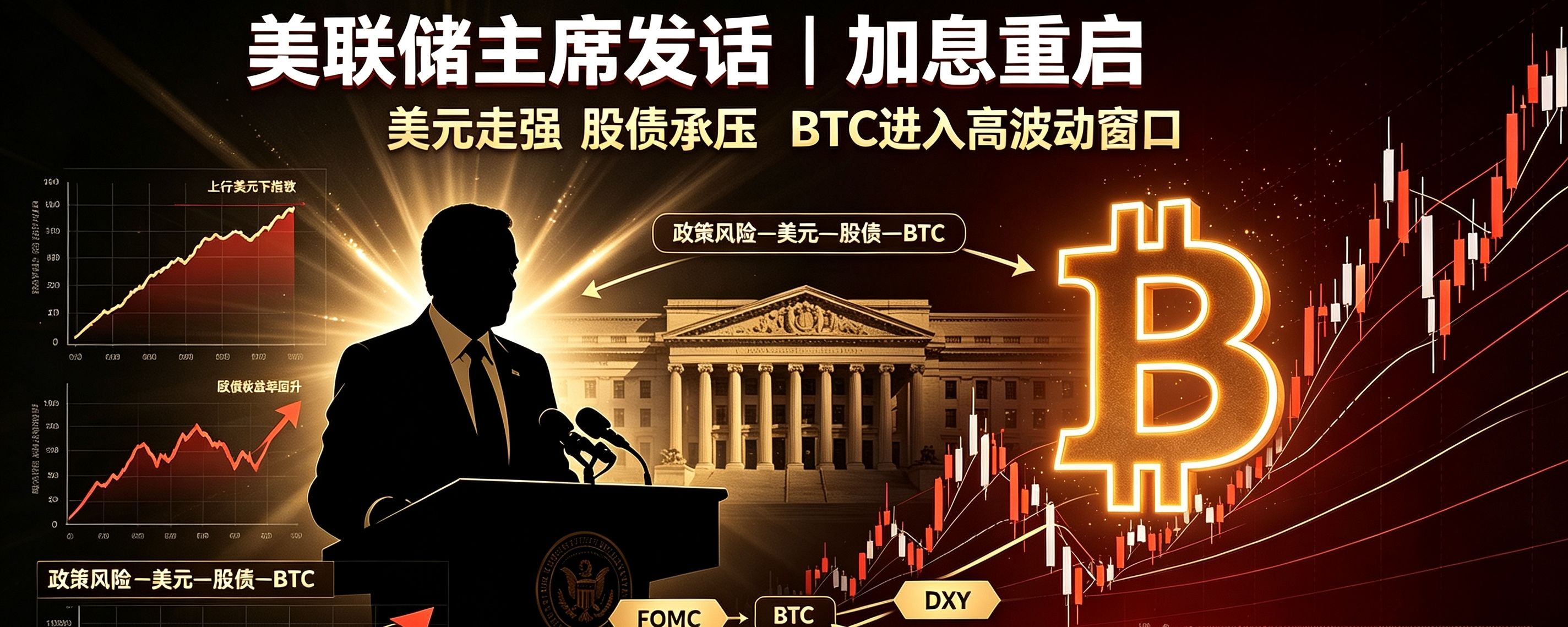


At 2:00 a.m. on September 17, Beijing time, the Federal Reserve announced a 25-basis-point rate hike, raising the target range for the federal funds rate to 3.75%–4.00%, the first hike since 2023. The decision was passed unanimously, and the latest projections also point to the possibility of further hikes within the year.
At 2:30 a.m., Chairman Wosch emphasized at the press conference that inflation remains persistently high. Summer data did not show any clear improvement in underlying inflation trends, and the Federal Reserve will continue to focus on controlling inflation.
Two sets of messages answered two questions: how much this time, and whether there will be more hikes next. After the 25-basis-point move takes effect, the market still needs to assess the future level of interest rates and how long they will remain elevated.
US stocks: Broadly down, but without a full sell-off. The Dow closed down 1.21%, the S&P 500 fell 0.45%, and the Nasdaq was only down 0.01%. Higher interest rates increase firms’ financing costs and reduce the value today of future earnings, putting pressure on valuations. However, the Nasdaq is close to its close, suggesting performance remains differentiated across sectors, so it can’t be simply understood as “all stocks will fall after rate hikes.”
US Treasuries: Yields rose, putting pressure on bond prices. On the day, the yield on the US two-year Treasury touched 4.725%, and the ten-year yield reached 5.003%. Rising yields make new bond purchases more attractive in terms of returns, but weigh on the prices of existing fixed-rate bonds. Higher long-term rates will also filter through to mortgage rates and corporate financing.
US dollar: Supported, but that doesn’t necessarily mean the RMB must fall. The US Dollar Index strengthened after the decision and hit about a five-week high. Higher US interest rates increase the appeal of dollar-denominated assets. However, the Dollar Index mainly reflects the dollar’s performance against a basket of currencies; the RMB exchange rate also depends on domestic policy, capital flows, and hedging/sales-and-purchases demand.
Gold: In the short term, it’s under pressure from both the dollar and interest rates. Spot gold fell by more than 1% after the rate hike. Gold itself doesn’t pay interest; when returns on holding dollars and bonds improve, the opportunity cost of holding gold increases. A stronger dollar also weighs on gold priced in dollars. However, a short-term decline isn’t enough to judge the long-term trend—geopolitical risks and safe-haven demand will still influence prices.
BTC: The macro environment is relatively tight, but you can’t attribute all of the earlier decline to rate hikes. According to Reuters, when the report was published, Bitcoin was steady around $75,809, down about 4% the previous day, and also affected by stalled progress on US crypto legislation. Higher interest rates are typically unfavorable for risk appetite, but the actual price action still depends on fund inflows, leverage liquidations, and industry news.
Real economy: Borrowing costs have already started to rise. Major banks such as JPMorgan and Bank of America increased their prime lending rate from 6.75% to 7%. This will affect some floating-rate financing such as corporate loans and credit cards, gradually squeezing room for consumption and investment.
Next, focus on three variables: whether inflation can continue to cool, whether employment weakens, and whether oil prices keep pushing up costs. If inflation doesn’t fall and employment remains strong, the likelihood of further rate hikes will rise; if demand and employment clearly cool, the room for additional rate hikes will narrow. #美联储主席鲍威尔讲话 #美联储会议
