
09/16/2026
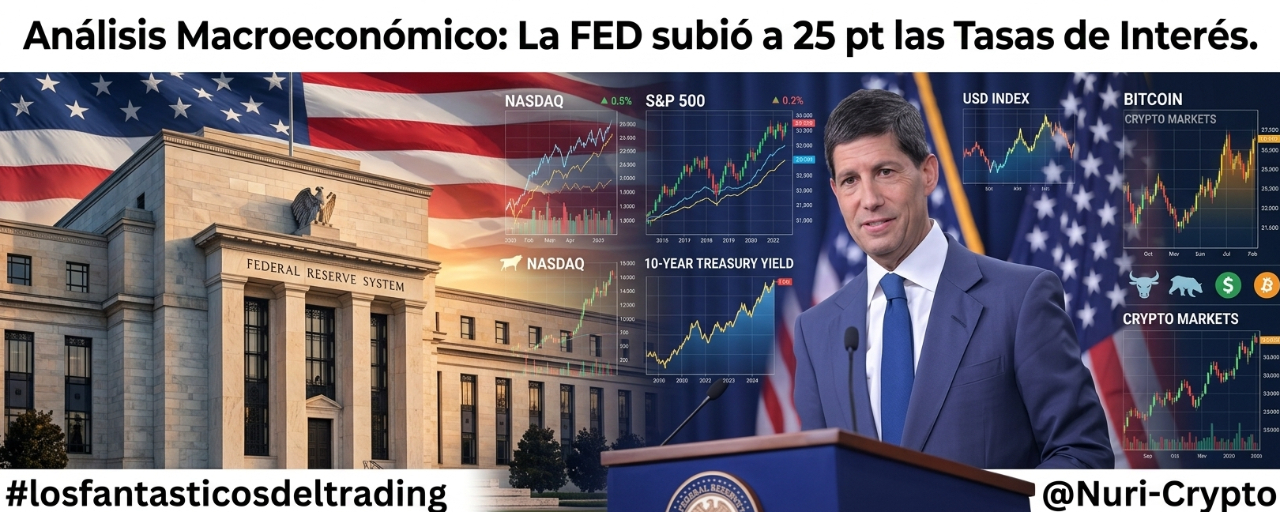
For the first time in more than three years, the U.S. Federal Reserve (Fed), under the leadership of Kevin Warsh, broke the market’s calm and made a drastic decision: it raised interest rates by 25 basis points, setting the range between 3.75% and 4.00%.
The vote was unanimous (12-0). The main reason is persistent inflation fueled by geopolitical tensions in the Middle East, the rise in fuel prices, and the massive energy cost of deploying Artificial Intelligence.
Impact on the Markets
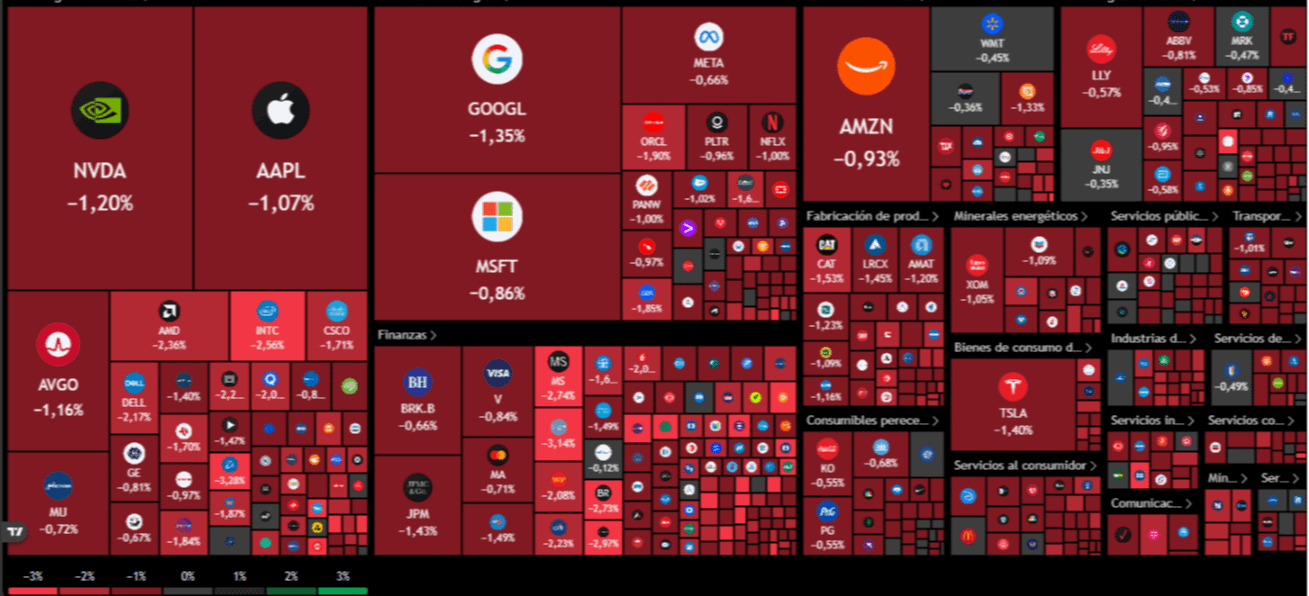
1.- Stock Market: NASDAQ 100 and S&P 500
Effect: Downward pressure and higher volatility.
Why?: Higher interest rates increase the cost of capital for large growth tech companies (NASDAQ 100), which require massive funding for infrastructure and AI. At the same time, the rise in Treasury bond yields makes traditional S&P 500 stocks less attractive.
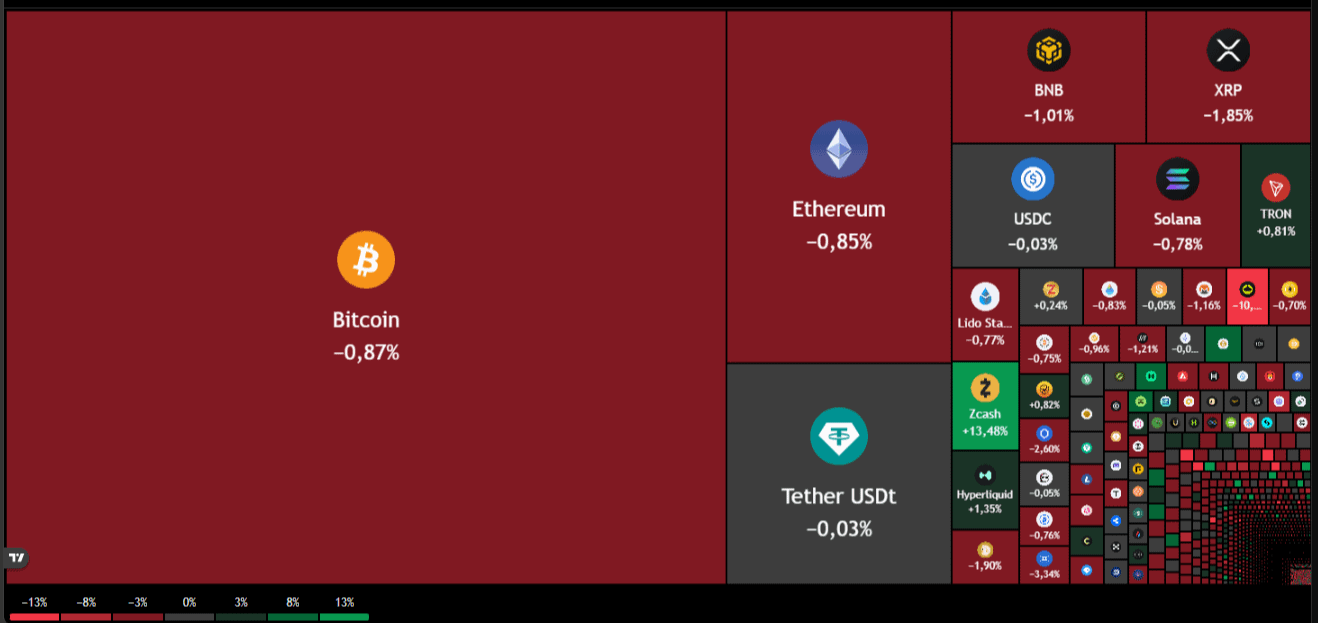
2.- Cryptocurrencies (Bitcoin and Altcoins)
Effect: A slowdown in liquidity and a temporary correction.
Why?: Risk assets thrive in environments with abundant liquidity and low rates. A Fed adjustment absorbs liquidity from the system and encourages large capital to seek safe, risk-free returns in dollars, moving away from crypto speculation in the short term.
3.- The U.S. Dollar (DXY Index)
Effect: Global strengthening.
Why?: When the Fed raises its rates, it offers better returns to investors who keep capital in dollars. This boosts global demand for the currency versus other international currencies.
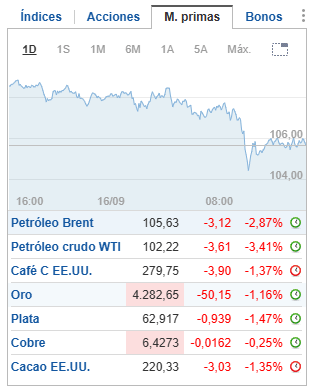
4.- Oil, Gold, Silver, and Copper
Oil (WTI/Brent): It stays in a tug-of-war. On the one hand, geopolitical tension pushes prices up; on the other, a strong dollar and high rates curb consumption and put downward pressure on prices.
Gold and Silver: They experience downward pressure in the short term. As real rates rise and the dollar strengthens, the "opportunity cost" of holding metals that don’t pay interest increases, although uncertainty keeps them as a safe haven.
Copper and Industrial Metals: Price moderation amid expectations of a slowdown in global construction and industry.
5.- The impact on your wallet: U.S. and LATAM
For the citizen in the United States:
Against: Direct increase in credit card interest, auto loans, and variable-rate mortgages.
In favor: High-yield savings accounts (High-Yield Savings) and certificates of deposit (CDs) will deliver better returns.
For the citizen in Latin America (LATAM):
Currency pressure: A stronger dollar typically devalues local currencies (Mexican peso, Colombian peso, real, sol, etc.).
Imported inflation: As the dollar rises, it makes imported food, inputs, and technology more expensive in the region.
More expensive credit: LATAM central banks are forced to maintain or raise their own rates to defend their currencies, slowing local lending.
The Fed has made it clear that the battle against inflation isn’t over. This move redraws the rules for investors, entrepreneurs, and families alike.
And you—how are you preparing your portfolio and finances for this change?
Do you take the opportunity to buy discounted assets?
Do you prefer securing liquidity in dollars?
Do you keep your strategy intact?
Leave your opinion in the comments. 👇 If this information added value, give it a LIKE 👍, SHARE 🔁 this post, and FOLLOW me so you don’t miss the next financial analysis.
🔥 I invite you to our public groups:
Trading is fantastic! 🔥🚀💵
Cryptocurrencies and stocks 💜🌹🔥
May the power of the trend be with you! 🔥💚🦁🔥
#Fed #WallStreetNews #Binance #losfantasticosdeltrading #nuricrypto
$BTC Operate here ⬇️⬇️⬇️