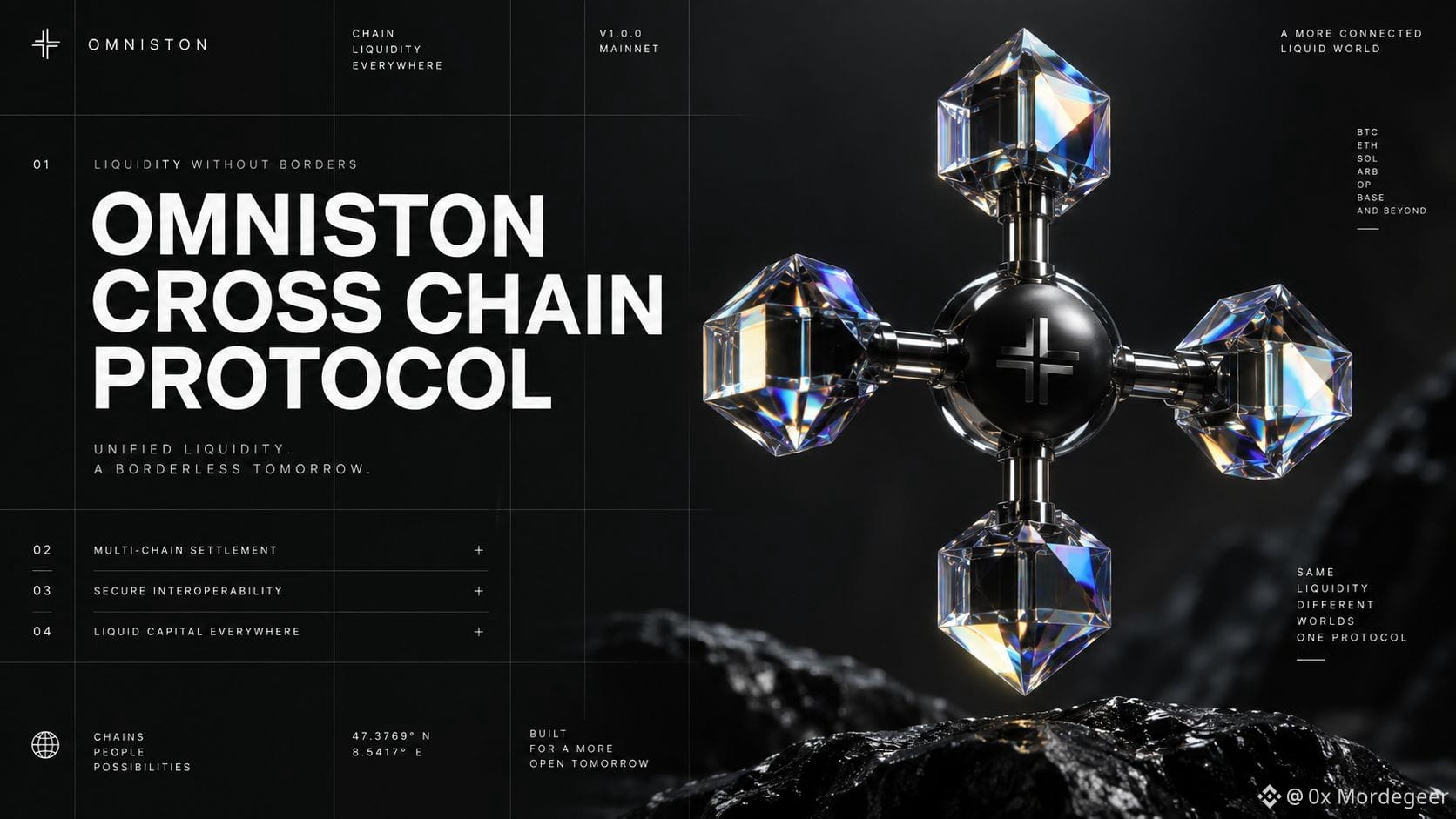
📊 Cross-chain without bridges: why the Omniston protocol from STON.fi changes the rules of the game for traders
Traditional cross-chain bridges based on Lock-and-Mint are the main source of risks in DeFi. Smart contract hacks and low capital efficiency of “wrapped” tokens regularly lead to fund losses and massive slippage during large swaps.
The Omniston protocol, being developed on the basis of STON.fi, offers a solution: cross-chain liquidity aggregation without using custodial bridges.
💡 What does this mean for traders and investors?
1. Reduced MEV risks and slippage when swapping between networks.
2. Enterprise-grade security thanks to the absence of failure points in the form of custodian contracts.
3. Inflow of external liquidity into the TON blockchain, increasing the value of the entire ecosystem.
TON’s asynchronous architecture combined with Omniston’s algorithms lays the foundation for a new DEX standard.
#TON #STONfi
Traditional cross-chain bridges based on Lock-and-Mint are the main source of risks in DeFi. Smart contract hacks and low capital efficiency of “wrapped” tokens regularly lead to fund losses and massive slippage during large swaps.
The Omniston protocol, being developed on the basis of STON.fi, offers a solution: cross-chain liquidity aggregation without using custodial bridges.
💡 What does this mean for traders and investors?
1. Reduced MEV risks and slippage when swapping between networks.
2. Enterprise-grade security thanks to the absence of failure points in the form of custodian contracts.
3. Inflow of external liquidity into the TON blockchain, increasing the value of the entire ecosystem.
TON’s asynchronous architecture combined with Omniston’s algorithms lays the foundation for a new DEX standard.
#TON #STONfi