
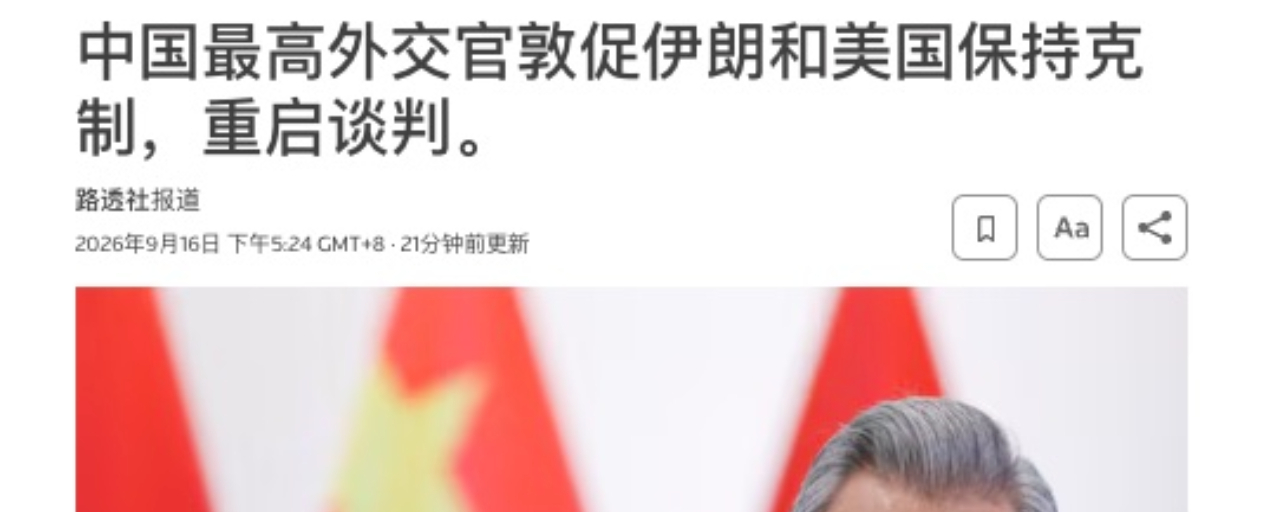

After energy exports from the Middle East fell to “near freezing levels,” a turnaround has emerged. Iran’s foreign minister’s visit to China has received substantive mediation support from the Chinese side!
Data shows that this week traffic through the Strait of Hormuz has basically dropped to about 4 vessels per day, and there is no passage of large tankers. Energy exports from the Strait of Hormuz have fallen to near freezing levels.
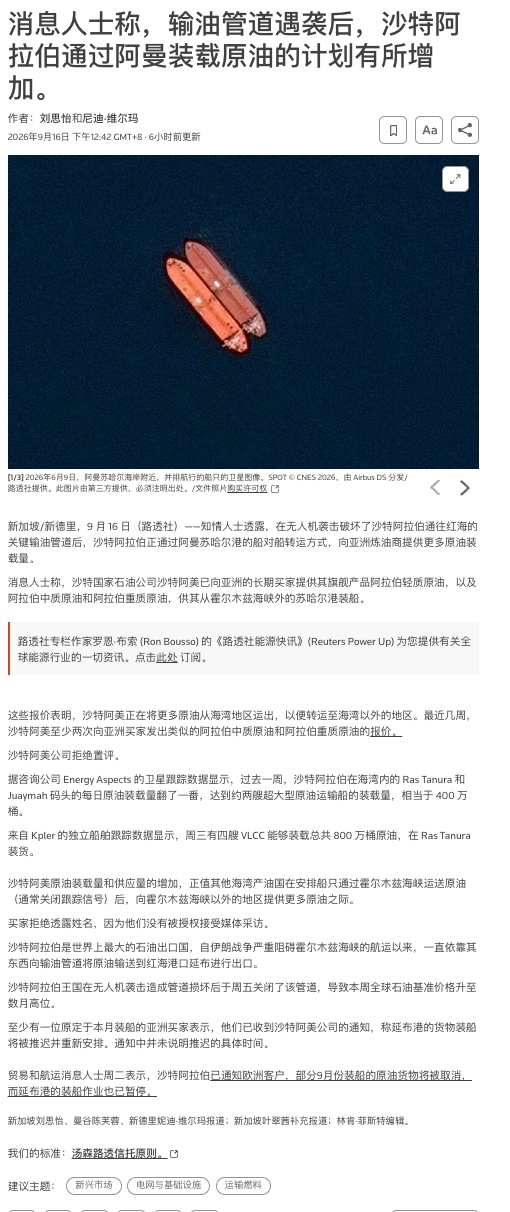
After Saudi energy facilities are damaged and require several weeks of repairs, they have chosen to reroute via the port of Sohar in Oman, temporarily easing the energy export tightness caused by the damage to Saudi energy facilities. This is a good turning point after energy exports from the Middle East have fallen to near freezing levels.
Iran’s Foreign Minister Hossein Amir Abdollahian is visiting China today and holding talks with Wang Yi. Compared with previous routine visits, this meeting has included more substantive content. The following points have been compiled based on Wang Yi’s public statements to the outside world:
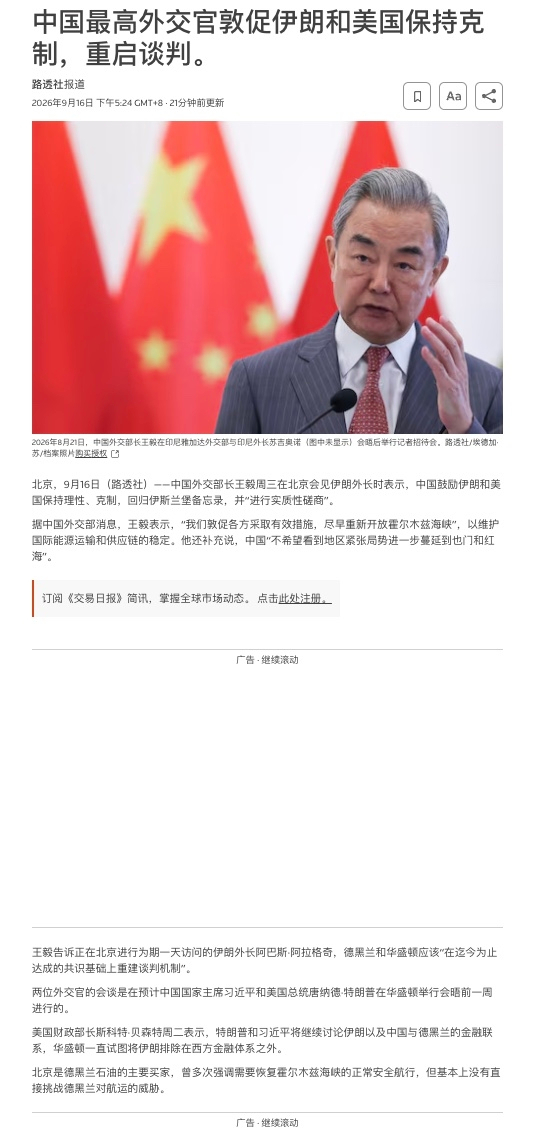
1,要求美伊重回谈判桌,并且给出以此前达成的(伊斯兰堡备忘录)的基础上进行实质性的凑上,并且提出美国应该在共识基础上重建谈判机制
这里需要注意,此次王毅讲话不再是以往泛泛的“呼吁和平”而是提出了比较明确的外交谈判路线——以伊斯兰堡协议为基础,到恢复谈判机制,再到实质性磋商
2,王毅直接点名霍尔木海峡,希望尽早开放海峡,维护国际能源运输与供应链稳定,并且表示中方不希望地区紧张局势进一步外溢到也门与红海
王毅外长提到这些内容意味着中方在中东外交的态度上已经升级,从以往的关注美伊之外增加了对海峡,对也门红海局势,对全球能源供应链的关注,外交态度升级
3,王毅提出更长期的谈判方向——现有中东安全框架已经不够用,需要建立新的框架,这与此前中方一直推动的“海湾集体安全”思路是基本一致的。
王毅提出,妥善处理海峡问题+改善邻国关系+推进海湾国家集体安全,
截止目前,通过阿格拉奇访华得到的反馈来看,中方在中东问题上从原来的形式性劝和已经进一步提出了斡旋方案与路径,
虽然这些并不能完全证明中国已经成为美伊斡旋的核心调停方,但是这个态度我认为对于美伊转机是有好处的
态度已经明确,接下里就要看阿格拉奇返回伊朗会后汇报工作,然后伊朗的态度会再次反馈给中国,下周恰逢中方领导人访问美国,目前来看,访美之后给中东迎来短期转机是非常有概率的。
那么按照时间线,9月24日访美,后续5-10天将会是美伊本次冲突的重要转折契机!