#skhynixintalkstomakememorychipsinus
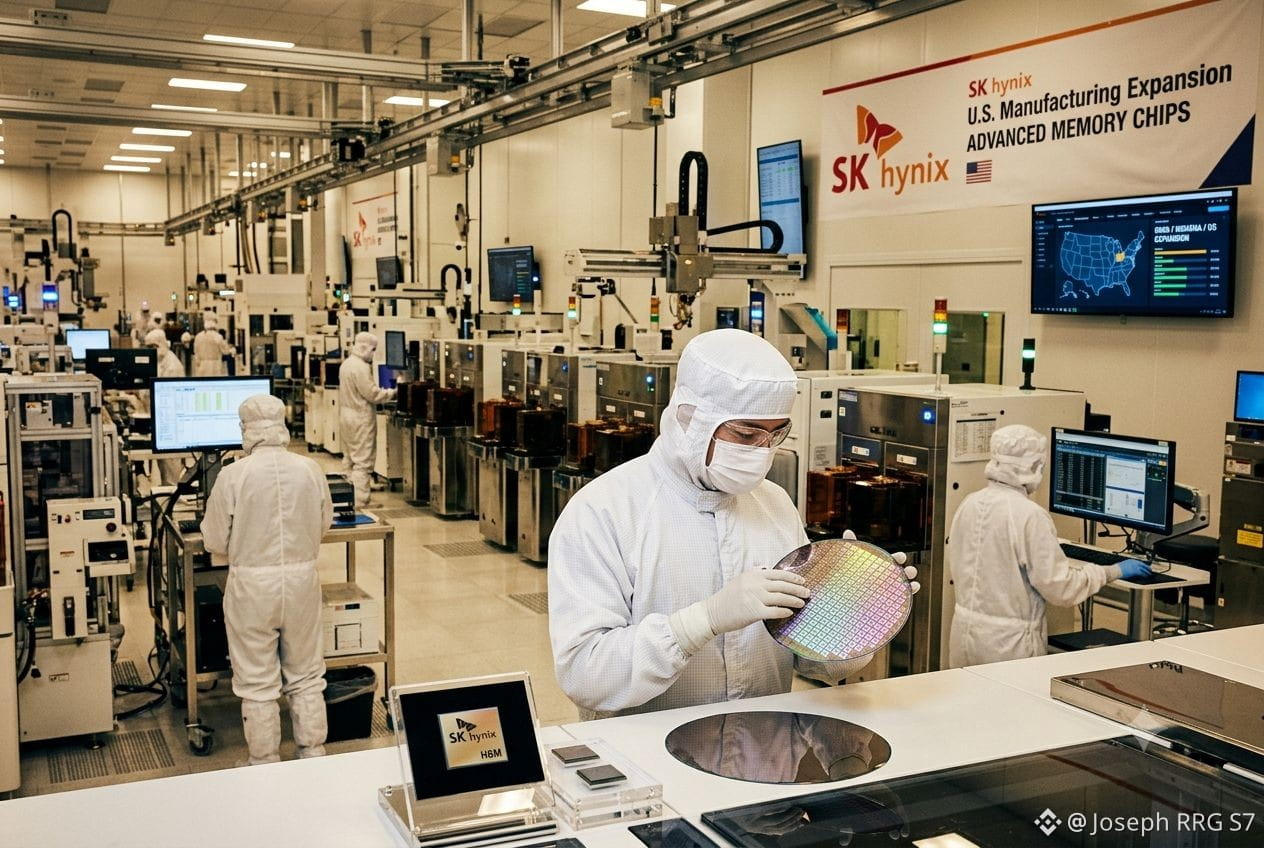
SK Hynix considers expanding its memory chip production to the U.S., driving the race of Artificial Intelligence
The South Korean semiconductor giant SK Hynix, one of the world’s largest memory manufacturers, is moving forward with strategic talks to establish chip production capabilities on U.S. soil. The move seeks to respond to rising global demand for Artificial Intelligence (AI) infrastructure and align with the technology incentive policies of the North American government.
Key points of the strategic move
Boost for AI and HBM memory: SK Hynix is a key supplier of high bandwidth memory (HBM), essential components for graphics processors and AI accelerators developed by companies such as Nvidia.
Incentives and the CHIPS Act: The initiative leverages subsidy frameworks and tax incentives in the U.S. aimed at relocating the supply chain for critical technology and encouraging local manufacturing.
Geographic diversification: Setting up plants in the U.S. helps mitigate geopolitical risks and brings manufacturing closer to major data centers and technology giants in the North American market.
This potential expansion further strengthens the reshaping of the global microchip map, where the proximity between advanced hardware manufacturing and AI software development has become a determining factor.
$SYN
$SKHY
$AKE
SK Hynix considers expanding its memory chip production to the U.S., driving the race of Artificial Intelligence
The South Korean semiconductor giant SK Hynix, one of the world’s largest memory manufacturers, is moving forward with strategic talks to establish chip production capabilities on U.S. soil. The move seeks to respond to rising global demand for Artificial Intelligence (AI) infrastructure and align with the technology incentive policies of the North American government.
Key points of the strategic move
Boost for AI and HBM memory: SK Hynix is a key supplier of high bandwidth memory (HBM), essential components for graphics processors and AI accelerators developed by companies such as Nvidia.
Incentives and the CHIPS Act: The initiative leverages subsidy frameworks and tax incentives in the U.S. aimed at relocating the supply chain for critical technology and encouraging local manufacturing.
Geographic diversification: Setting up plants in the U.S. helps mitigate geopolitical risks and brings manufacturing closer to major data centers and technology giants in the North American market.
This potential expansion further strengthens the reshaping of the global microchip map, where the proximity between advanced hardware manufacturing and AI software development has become a determining factor.
$SYN
$SKHY
$AKE