
橙子Joyce
352 Posts

橙子Joyce
 Square Verified+
十年以上美股市场投研策略|WEB3项目投研|BTC.ETH.BNB.SOL|贵金属投资策略黄金.白银.铜|中长期价值投资者|推特X:@Joyce88AI

SOL Holder
Frequent Trader
8.7 Years
805 Following
34.8K+ Followers
43.1K+ Liked
Posts
All
Quotes
Videos
Live
PINNED
Verified

TSLAUS+0.85%
NVDAUS+0.77%
SPCXUS+1.15%

龙虾量化带单
·
--
BullishFollow me to get your bonus. I will also pick 3 people from the reposters to win $5 each.
Follow me to get your bonus. 3 reposters will win $5 each.
Follow me to get your bonus. 3 reposters will win $5 each.


Mira小白桃
·
--
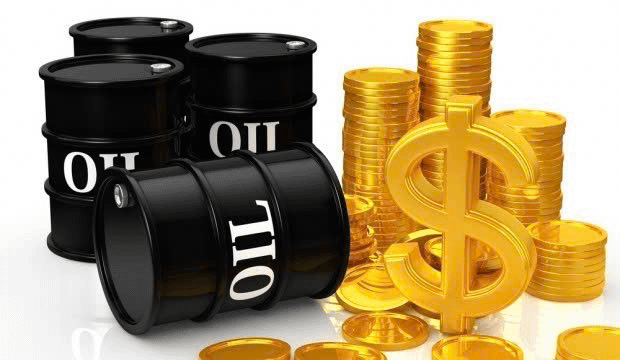
Crude Oil Rises—Why Is Gold Under Pressure Instead?
Recently, the market has been influenced at the same time by geopolitical risks, energy prices, and expectations for Federal Reserve policy.
At present, Brent crude is around $107, while WTI is around $105. Oil prices have remained at elevated levels. What the market is most worried about is not crude oil itself, but its impact on inflation expectations.
The logic is simple:
Oil prices rise → inflation pressure increases → the Fed’s room to cut rates is constrained → U.S. Treasury yields rise → gold comes under pressure.
So right now, gold is being pulled by two forces:
On one hand, safe-haven demand driven by geopolitical conditions supports gold;
On the other hand, higher oil prices boost inflation and rate-expectation pressures that suppress gold.
That’s also why you can’t simply understand it as:
“Geopolitical risk rises = gold must rise.”
In reality, gold’s short-term price action still depends on the U.S. dollar and U.S. Treasury yields.
Currently, the 10-year Treasury yield is already around 5%. If yields continue to move higher, gold’s short-term downside pressure could increase further.
Next, I will focus on three variables:
First, crude oil.
If oil prices keep rising quickly, inflation expectations may heat up further.
Second, Treasury yields.
If the 10-year yield keeps moving higher, gold may continue to be weighed down.
Third, the Federal Reserve.
Today’s FOMC rate decision is only the first step; more important is the policy guidance/signals after the meeting.
If the Fed releases more hawkish signals:
A stronger dollar and firmer yields → gold faces pressure.
If the policy statement is not as hawkish as the market expected:
Yields fall back → gold receives support.
So my view on gold now won’t be based solely on geopolitical news.
Crude oil determines inflation expectations, interest rates determine the cost of capital, and risk-off/safe-haven sentiment determines how much support is underneath gold.
Only when all three factors move at the same time is the key to understanding this round of the gold market.
$XAU
$CL
$BZ
Recently, the market has been influenced at the same time by geopolitical risks, energy prices, and expectations for Federal Reserve policy.
At present, Brent crude is around $107, while WTI is around $105. Oil prices have remained at elevated levels. What the market is most worried about is not crude oil itself, but its impact on inflation expectations.
The logic is simple:
Oil prices rise → inflation pressure increases → the Fed’s room to cut rates is constrained → U.S. Treasury yields rise → gold comes under pressure.
So right now, gold is being pulled by two forces:
On one hand, safe-haven demand driven by geopolitical conditions supports gold;
On the other hand, higher oil prices boost inflation and rate-expectation pressures that suppress gold.
That’s also why you can’t simply understand it as:
“Geopolitical risk rises = gold must rise.”
In reality, gold’s short-term price action still depends on the U.S. dollar and U.S. Treasury yields.
Currently, the 10-year Treasury yield is already around 5%. If yields continue to move higher, gold’s short-term downside pressure could increase further.
Next, I will focus on three variables:
First, crude oil.
If oil prices keep rising quickly, inflation expectations may heat up further.
Second, Treasury yields.
If the 10-year yield keeps moving higher, gold may continue to be weighed down.
Third, the Federal Reserve.
Today’s FOMC rate decision is only the first step; more important is the policy guidance/signals after the meeting.
If the Fed releases more hawkish signals:
A stronger dollar and firmer yields → gold faces pressure.
If the policy statement is not as hawkish as the market expected:
Yields fall back → gold receives support.
So my view on gold now won’t be based solely on geopolitical news.
Crude oil determines inflation expectations, interest rates determine the cost of capital, and risk-off/safe-haven sentiment determines how much support is underneath gold.
Only when all three factors move at the same time is the key to understanding this round of the gold market.
$XAU
$CL
$BZ

Fida Ahpun
·
--
🙋Hey my Binance square family claim reward
🪹 like
👍share
🪺 comment
#GIVEAWAY🎁 #growwithahpun $SOL
🪹 like
👍share
🪺 comment
#GIVEAWAY🎁 #growwithahpun $SOL


阿婧1688
·
--
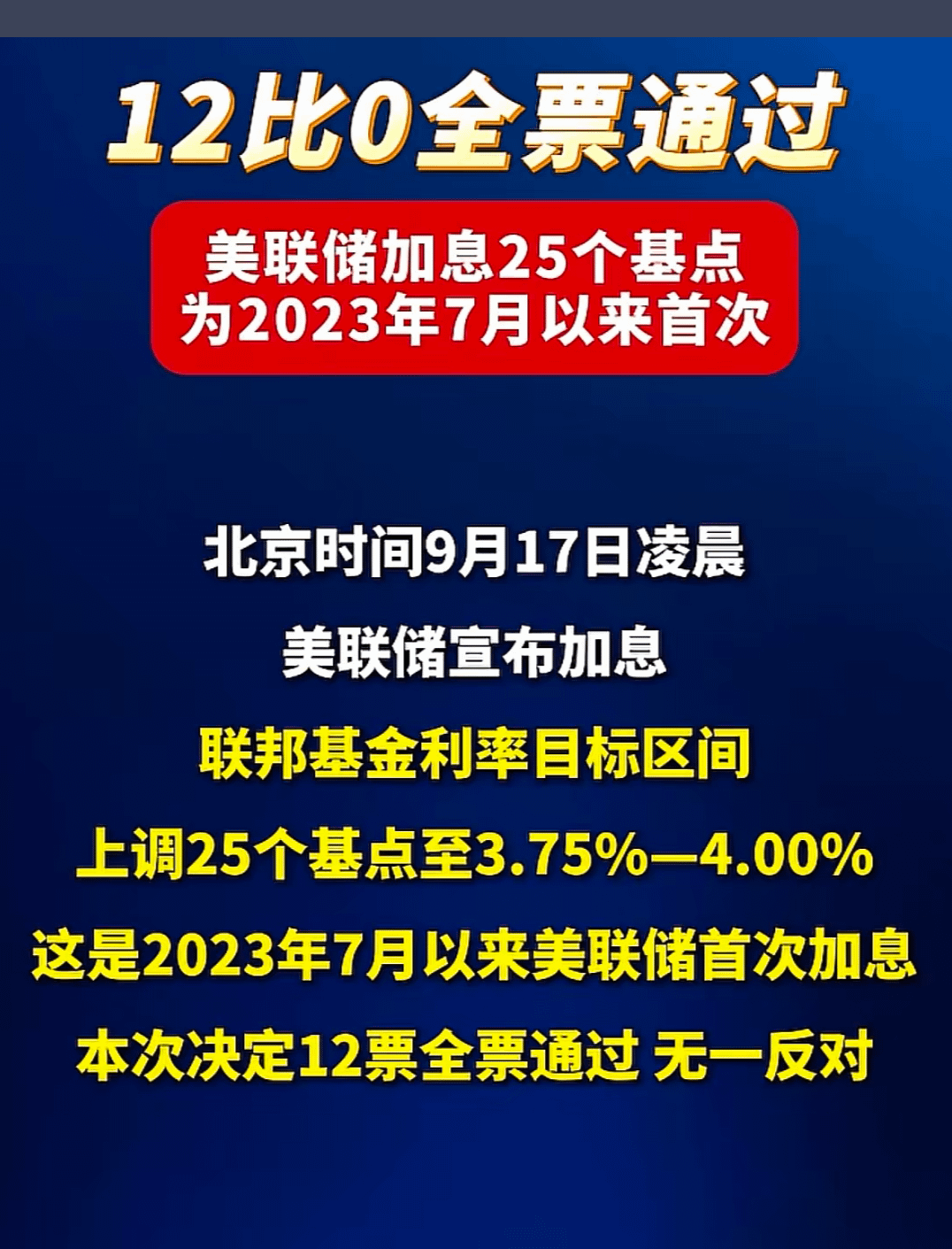
The interest rate has been raised. On 2026-09-16, the U.S. Federal Reserve announced a 25 basis point (0.25%) rate increase, raising the target range for the federal funds rate to 3.75%–4.00%. The resolution was approved 12:0. The official statement emphasized that inflation is still too high—this is the first rate hike since 2023. (federalreserve.gov)
For the crypto market, rate hikes typically put pressure on high-volatility risk assets through higher risk-free rates and expectations for the dollar and liquidity. However, the immediate market reaction also depends on whether the market had already fully priced in the move, as well as subsequent policy guidance and inflation data.
For the crypto market, rate hikes typically put pressure on high-volatility risk assets through higher risk-free rates and expectations for the dollar and liquidity. However, the immediate market reaction also depends on whether the market had already fully priced in the move, as well as subsequent policy guidance and inflation data.

Bilverse
·
--
🔥 MASSIVE SOL RED PACKET GIVEAWAY! 🧧💰
Who’s ready to grab some Big SOL right now? I’m dropping heavy Solana Red Packets—and you definitely don't want to miss this one.
Getting your share takes less than 10 seconds:
❤️ Like this post
💬 Drop a comment “SOL”
🔁 Repost to share the wealth with the squad
👥 Follow to lock in your spot for every future drop
🚀 Pro Tip: Want to double your bag?
CLICK HERE! 🧧🚀
Let’s blow this community up and keep the SOL drops coming.
#SOL #Bilverse #RedPacketMission
Who’s ready to grab some Big SOL right now? I’m dropping heavy Solana Red Packets—and you definitely don't want to miss this one.
Getting your share takes less than 10 seconds:
❤️ Like this post
💬 Drop a comment “SOL”
🔁 Repost to share the wealth with the squad
👥 Follow to lock in your spot for every future drop
🚀 Pro Tip: Want to double your bag?
CLICK HERE! 🧧🚀
Let’s blow this community up and keep the SOL drops coming.
#SOL #Bilverse #RedPacketMission


乘风Sunshine
·
--
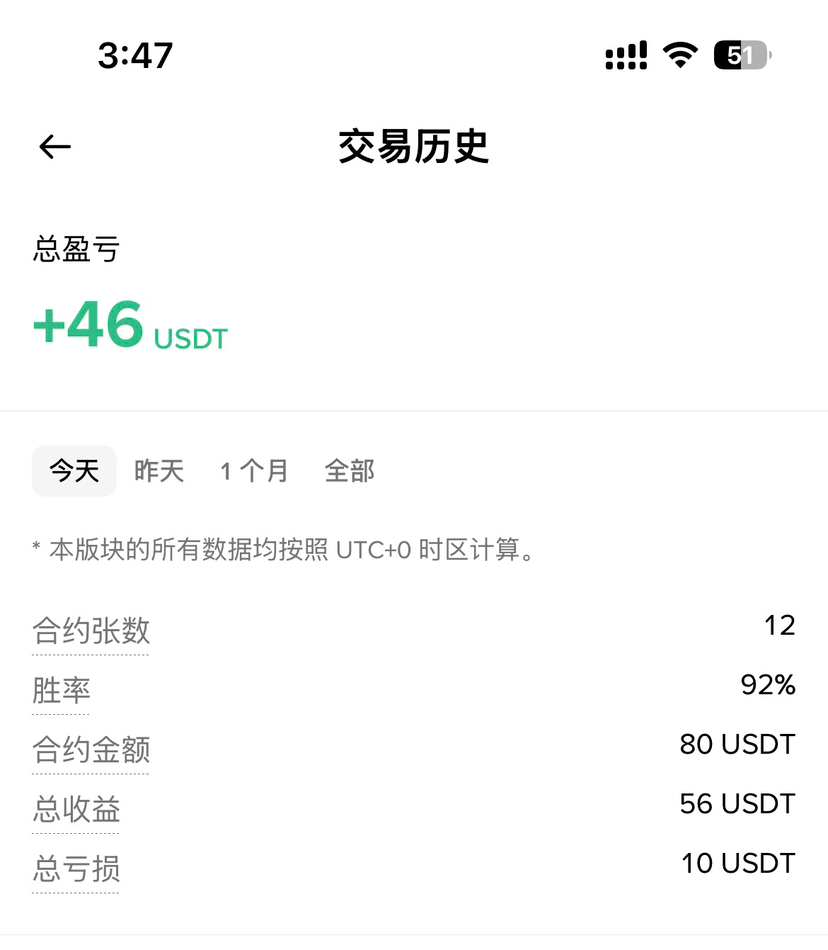
Combat power is still recovering. Number 12 clears number 11 alone—I'll be back to stream once I'm recovered, brothers. (ps: The estimated stream times are still the old schedule: 7 AM, 3 PM for event contracts, and 10 PM for perpetual contracts.)



VeronX143
·
--
Who wants a little extra luck today? 👀💰
I’m dropping a Red Packet for my crypto family ❤️🧧
👉 Like this post 👍
👉 Comment “DONE” 💬
👉 Repost this post 🔄
👉 Follow me so you don’t miss the next drop 🚀
The more you support, the more Red Packets I’ll bring! 🧧🔥
Good luck everyone 🍀❤️
Let’s see who claims it first! 👀💰
I’m dropping a Red Packet for my crypto family ❤️🧧
👉 Like this post 👍
👉 Comment “DONE” 💬
👉 Repost this post 🔄
👉 Follow me so you don’t miss the next drop 🚀
The more you support, the more Red Packets I’ll bring! 🧧🔥
Good luck everyone 🍀❤️
Let’s see who claims it first! 👀💰


正乾商学--四条2
·
--
Are you really suited to make a living by trading?
Serial [5]
⑤ Only after you solve the first four questions will you truly stand at the starting line of trading
Pay attention.
What I covered earlier—
income sources, daily routine, time you can trade, trading instruments, your personal character, your trading style…
All of it is just to help you reach: the starting line.
Not the finish line.
Only after you’ve truly reached the starting line do you begin the part everyone is most familiar with:
learning.
And not learning one or two indicators;
not stopping once you know what support and resistance are.
You must first gain broad understanding of:
Scalping—very short-term trading / scalp trading: frequent trades within a very short time (seconds to minutes) to profit from small price fluctuations
Day Trading: opening and closing positions on the same day, without holding overnight
Swing Trading: capturing market swings over several days to a few weeks, aiming to profit from swing trends
Trend Following: trading in line with the market’s main direction—for example, going long in an uptrend and short in a downtrend
Breakout Trading: entering the market when price breaks through a key resistance or support level
Mean Reversion: trading that assumes when price deviates from normal levels, it will return to the average value, seeking opportunities from that
Technical Analysis: analyzing the market through candlesticks, indicators, volume, and price structure
Fundamental Analysis: studying a project’s value—such as the team, economic data, industry development, and more
Macro: macroeconomic analysis studying how the global economic environment (interest rates, inflation, the US dollar, policies, etc.) affects the market
Risk Management: controlling trading risk, including stop-losses, position sizes, and capital protection
Position Sizing: position management—deciding how much capital to risk or allocate to each trade based on your account size and risk
Trading Psychology: managing emotions, discipline, and execution ability to prevent fear and greed from affecting your trading
Then test them one by one.
You must personally know:
what suits you.
what doesn’t suit you.
This is not something others can tell you directly.
If you’re interested in trading, feel free to leave a comment in the comment section or join the chat room to exchange ideas—learn together and grow together!
#美联储加息25基点美股收跌
Serial [5]
⑤ Only after you solve the first four questions will you truly stand at the starting line of trading
Pay attention.
What I covered earlier—
income sources, daily routine, time you can trade, trading instruments, your personal character, your trading style…
All of it is just to help you reach: the starting line.
Not the finish line.
Only after you’ve truly reached the starting line do you begin the part everyone is most familiar with:
learning.
And not learning one or two indicators;
not stopping once you know what support and resistance are.
You must first gain broad understanding of:
Scalping—very short-term trading / scalp trading: frequent trades within a very short time (seconds to minutes) to profit from small price fluctuations
Day Trading: opening and closing positions on the same day, without holding overnight
Swing Trading: capturing market swings over several days to a few weeks, aiming to profit from swing trends
Trend Following: trading in line with the market’s main direction—for example, going long in an uptrend and short in a downtrend
Breakout Trading: entering the market when price breaks through a key resistance or support level
Mean Reversion: trading that assumes when price deviates from normal levels, it will return to the average value, seeking opportunities from that
Technical Analysis: analyzing the market through candlesticks, indicators, volume, and price structure
Fundamental Analysis: studying a project’s value—such as the team, economic data, industry development, and more
Macro: macroeconomic analysis studying how the global economic environment (interest rates, inflation, the US dollar, policies, etc.) affects the market
Risk Management: controlling trading risk, including stop-losses, position sizes, and capital protection
Position Sizing: position management—deciding how much capital to risk or allocate to each trade based on your account size and risk
Trading Psychology: managing emotions, discipline, and execution ability to prevent fear and greed from affecting your trading
Then test them one by one.
You must personally know:
what suits you.
what doesn’t suit you.
This is not something others can tell you directly.
If you’re interested in trading, feel free to leave a comment in the comment section or join the chat room to exchange ideas—learn together and grow together!
#美联储加息25基点美股收跌

远方1688BNB
·
--
You don’t have to live as a “standard answer”
Keep going seriously
That’s your own answer
#定投BTC #定投BNB
Keep going seriously
That’s your own answer
#定投BTC #定投BNB


饼哥HODL
·
--
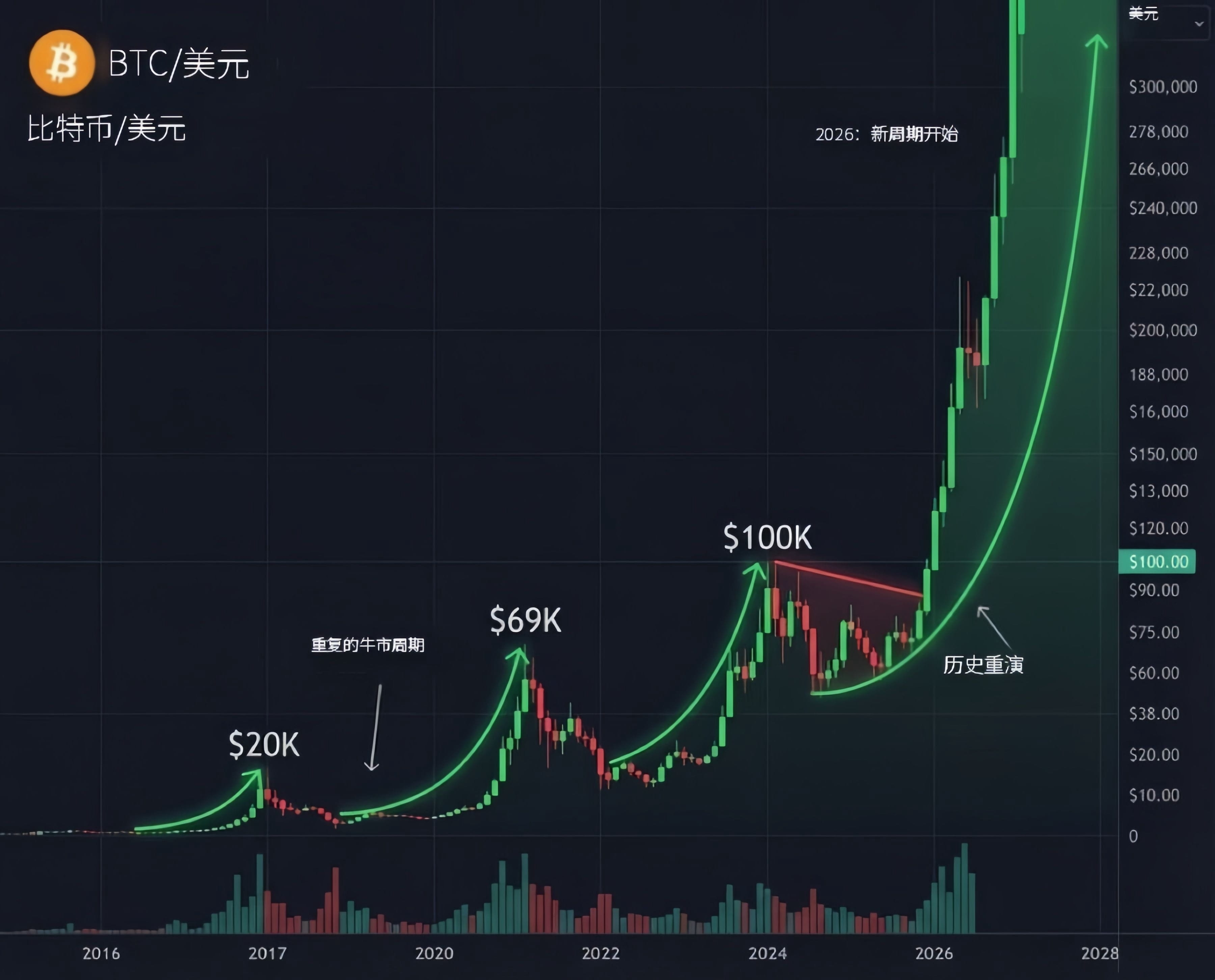
$BTC A new cycle reaching $300,000?
The chart explains everything. If you agree, please like 👍
The chart explains everything. If you agree, please like 👍

灰s1688
·
--
$ETH is currently in a battle between bulls and bears at the crucial $2,400 threshold. In mid-September, under a dual squeeze—both the Fed’s interest-rate decision and competing capital flows—the market saw violent fluctuations. Sentiment is cautious, with investors waiting on the sidelines.
🧧🧧🧧
In the early hours of September 16, the price spiked (took a quick dip) to around $2,357 due to news, then rebounded. It is now stabilizing above $2,400, but the rebound has been weak; even the MA10 moving average has not been fully regained.
Since September, ETH has mostly been trading in the $2,387–$2,615 range. The main overhead pressure is concentrated around $2,410–$2,440. Support lies at $2,370–$2,335.
After breaking below the lower bound of the consolidation range dating back to August 22 on the daily chart, downside room has opened in the short term. The sharp drop is accompanied by a significant increase in trading volume, showing a volume-expansion selloff pattern.
🧧🧧🧧
In the early hours of September 16, the price spiked (took a quick dip) to around $2,357 due to news, then rebounded. It is now stabilizing above $2,400, but the rebound has been weak; even the MA10 moving average has not been fully regained.
Since September, ETH has mostly been trading in the $2,387–$2,615 range. The main overhead pressure is concentrated around $2,410–$2,440. Support lies at $2,370–$2,335.
After breaking below the lower bound of the consolidation range dating back to August 22 on the daily chart, downside room has opened in the short term. The sharp drop is accompanied by a significant increase in trading volume, showing a volume-expansion selloff pattern.

SabTheTrader
·
--
Last night, the FOMC announcement was delivered, and the Federal Reserve raised rates by 25 bps as expected.
So what did everyone buy today? 👀
So what did everyone buy today? 👀


周周1688
·
--
🚨🚀z$ Sep 16|Crypto Market Brief
$BNB 🧧
🔥 Risk-Off: Two major catalysts land back-to-back
The CLARITY Act stalled in the U.S. Senate last night at a procedural vote, and BTC briefly dipped below $75K.
Today the market enters a true macro-wait mode: the FOMC rate decision + dot plot + Powell-style policy guidance.
📉 CLARITY Act: 49–50, failed to pass Cloture
The Senate needs 60 votes; in the end, only 49 voted in favor and 50 against.
This is not a final rejection of the bill—rather, it failed to move into the next review stage. Tillis proposed reconsideration, which means there is still procedural room; but in the short term, the regulatory catalyst has clearly cooled.
📊 ETF flows suddenly weaken
On September 15, U.S. spot BTC ETFs saw net outflows of about $450M, ETH ETFs about $142M, totaling nearly $593M.
Meanwhile, on September 14, BTC ETFs had net inflows of roughly $160M—more like a fast reversal than a multi-week, ongoing capital withdrawal.
⚡ Leverage gets quickly flushed
Over the past 24 hours, about $571M+ in long positions were liquidated, with BTC and ETH longs each around $190M.
The market had previously bet that CLARITY would keep progressing; once the vote result came out, leverage positions were quickly closed in the opposite direction.
🏦 FOMC: Today is the real big test
The market is currently pricing in roughly a 93% probability of +25bp. If delivered, it would be the first rate hike since 2023.
The 10Y U.S. Treasury yield is still around 5%, and oil prices plus inflation pressures are also keeping the market focused on the dot plot and the 2026–2028 rate path.
🟢 The only big structural highlight: Circle Arc
Circle launched its Arc public mainnet today.
This is an L1 built around USDC, stablecoin payments, and RWA, aiming for sub-second finality. Traditional financial institutions—including BlackRock, DTCC, Visa, Mastercard, and ICE—participate in the founding validation nodes.
It’s more of a long-term infrastructure story than a short-term “rescue the market” catalyst today.
📌 Market Snapshot
BTC ≈ $75.8K
ETH ≈ $2.40K
BNB ≈ $713
SOL ≈ $97
XRP ≈ $1.29
Market Cap ≈ $2.6T
🎯 Today there’s only one question: what will the Fed say.
CLARITY has already provided the answer,
ETF flows have already sent the signal,
and now the market puts everything in the hands of the FOMC + Dot Plot + Powell.
Regulatory expectations are fading; the macro answer will be revealed tonight.
#1688家族family #蓝朋友1688俱乐部🌐 #Ethereum #FOMC
$BNB 🧧
🔥 Risk-Off: Two major catalysts land back-to-back
The CLARITY Act stalled in the U.S. Senate last night at a procedural vote, and BTC briefly dipped below $75K.
Today the market enters a true macro-wait mode: the FOMC rate decision + dot plot + Powell-style policy guidance.
📉 CLARITY Act: 49–50, failed to pass Cloture
The Senate needs 60 votes; in the end, only 49 voted in favor and 50 against.
This is not a final rejection of the bill—rather, it failed to move into the next review stage. Tillis proposed reconsideration, which means there is still procedural room; but in the short term, the regulatory catalyst has clearly cooled.
📊 ETF flows suddenly weaken
On September 15, U.S. spot BTC ETFs saw net outflows of about $450M, ETH ETFs about $142M, totaling nearly $593M.
Meanwhile, on September 14, BTC ETFs had net inflows of roughly $160M—more like a fast reversal than a multi-week, ongoing capital withdrawal.
⚡ Leverage gets quickly flushed
Over the past 24 hours, about $571M+ in long positions were liquidated, with BTC and ETH longs each around $190M.
The market had previously bet that CLARITY would keep progressing; once the vote result came out, leverage positions were quickly closed in the opposite direction.
🏦 FOMC: Today is the real big test
The market is currently pricing in roughly a 93% probability of +25bp. If delivered, it would be the first rate hike since 2023.
The 10Y U.S. Treasury yield is still around 5%, and oil prices plus inflation pressures are also keeping the market focused on the dot plot and the 2026–2028 rate path.
🟢 The only big structural highlight: Circle Arc
Circle launched its Arc public mainnet today.
This is an L1 built around USDC, stablecoin payments, and RWA, aiming for sub-second finality. Traditional financial institutions—including BlackRock, DTCC, Visa, Mastercard, and ICE—participate in the founding validation nodes.
It’s more of a long-term infrastructure story than a short-term “rescue the market” catalyst today.
📌 Market Snapshot
BTC ≈ $75.8K
ETH ≈ $2.40K
BNB ≈ $713
SOL ≈ $97
XRP ≈ $1.29
Market Cap ≈ $2.6T
🎯 Today there’s only one question: what will the Fed say.
CLARITY has already provided the answer,
ETF flows have already sent the signal,
and now the market puts everything in the hands of the FOMC + Dot Plot + Powell.
Regulatory expectations are fading; the macro answer will be revealed tonight.
#1688家族family #蓝朋友1688俱乐部🌐 #Ethereum #FOMC


Jay_bnb
·
--
Celebrating when fans break 1w!
Send out a red envelope!🧧🧧
Reply 888 in the comments!
Claim your red envelope!💰💰
$BNB $BTC
Send out a red envelope!🧧🧧
Reply 888 in the comments!
Claim your red envelope!💰💰
$BNB $BTC


奋斗Hustle-1688
·
--
$BTC Hike rates already—stop threatening people every day. Once the shoe drops, the bad news is exhausted, and it directly turns into positives.


慢就是快Mike
·
--
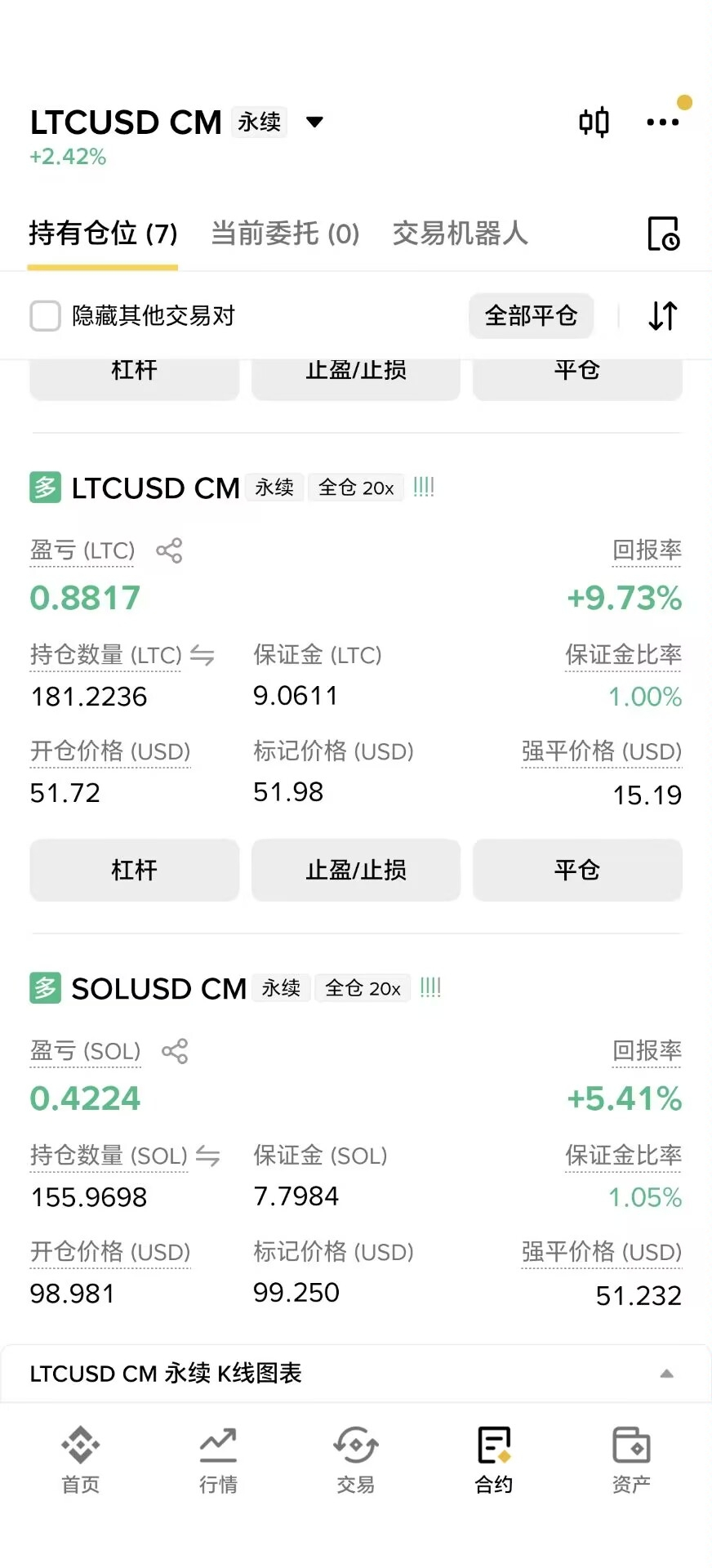
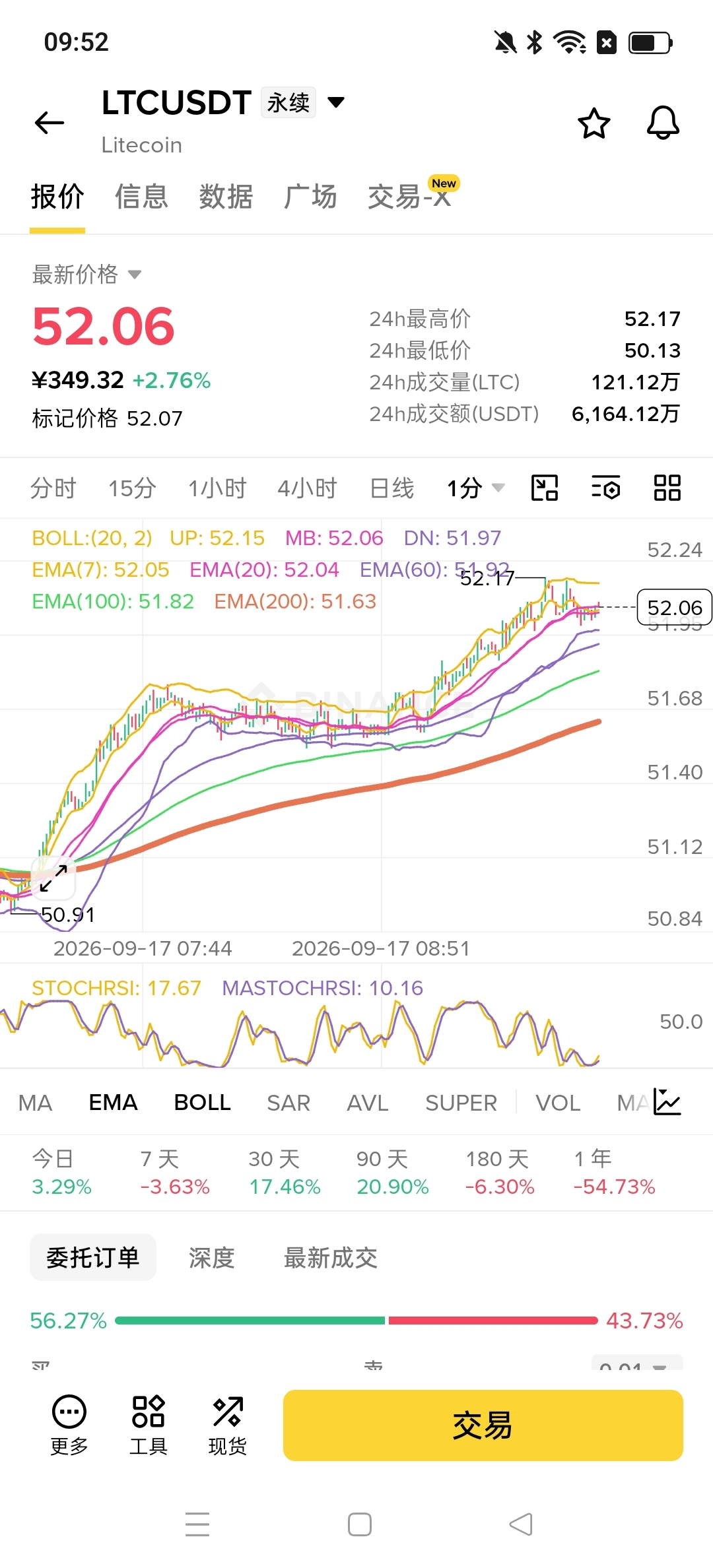
$LTC I don’t care whether you raise rates or whatever—if the bulls are coming, then whatever bad news there is won’t matter. Just do it, brothers—more of it!

生蚝哥Oyster
·
--
September 17|The Fed hikes rates again after three years, sparking a hawkish shock in the market
At the Fed FOMC meeting, all members voted in favor of a 25-basis-point rate hike. The target range for the federal funds rate has been raised to 3.75%‑4.00%, marking the first rate hike since July 2023.
The latest dot plot sends a clear signal: 16 officials believe there is a high probability of another rate hike within 2026. The median rate expectations for 2026 and 2027 remain at 4.1%.
After the meeting, Fed Chair Waller said the current U.S. economy and employment market are still very resilient, but the stubborn inflation problem has yet to be resolved. He noted that the committee has not yet seen convincing evidence that inflation is steadily moving back down toward the 2% target. He also said plainly that the key contradiction now is not economic growth, but persistently high inflation.
Regarding the rise in U.S. Treasury yields, Waller attributed it to three main factors: the strength of the U.S. economy, intensifying competition for capital, and geopolitical risk. While he did not directly comment on the U.S.-Iran conflict, he acknowledged that the geopolitical situation is reshaping economic assessments.
During the decision and press-conference phase, the market reaction was quite intense: spot gold briefly plunged by nearly $100; the U.S. dollar index surged by 40 points and climbed above the 100 level; the 2-year Treasury yield rose by 10 bps, and the 10-year yield increased by 5 bps, with equities across the board turning lower.
Rate-futures are being repriced: the market now expects a total of about 33 bps more rate hikes within 2026, up by 6 bps compared with before the decision. By next June, market pricing implies additional room for rate hikes totaling 75 bps, equivalent to three more 25-bp hikes.
At the Fed FOMC meeting, all members voted in favor of a 25-basis-point rate hike. The target range for the federal funds rate has been raised to 3.75%‑4.00%, marking the first rate hike since July 2023.
The latest dot plot sends a clear signal: 16 officials believe there is a high probability of another rate hike within 2026. The median rate expectations for 2026 and 2027 remain at 4.1%.
After the meeting, Fed Chair Waller said the current U.S. economy and employment market are still very resilient, but the stubborn inflation problem has yet to be resolved. He noted that the committee has not yet seen convincing evidence that inflation is steadily moving back down toward the 2% target. He also said plainly that the key contradiction now is not economic growth, but persistently high inflation.
Regarding the rise in U.S. Treasury yields, Waller attributed it to three main factors: the strength of the U.S. economy, intensifying competition for capital, and geopolitical risk. While he did not directly comment on the U.S.-Iran conflict, he acknowledged that the geopolitical situation is reshaping economic assessments.
During the decision and press-conference phase, the market reaction was quite intense: spot gold briefly plunged by nearly $100; the U.S. dollar index surged by 40 points and climbed above the 100 level; the 2-year Treasury yield rose by 10 bps, and the 10-year yield increased by 5 bps, with equities across the board turning lower.
Rate-futures are being repriced: the market now expects a total of about 33 bps more rate hikes within 2026, up by 6 bps compared with before the decision. By next June, market pricing implies additional room for rate hikes totaling 75 bps, equivalent to three more 25-bp hikes.


花涧空
·
--
“The Clear Bill’s failure is extremely detrimental to cryptocurrencies.”
“No, that’s not the case. Have you read this bill?”
“No. Have you?”
“No.”
“No, that’s not the case. Have you read this bill?”
“No. Have you?”
“No.”
Log in to explore more content