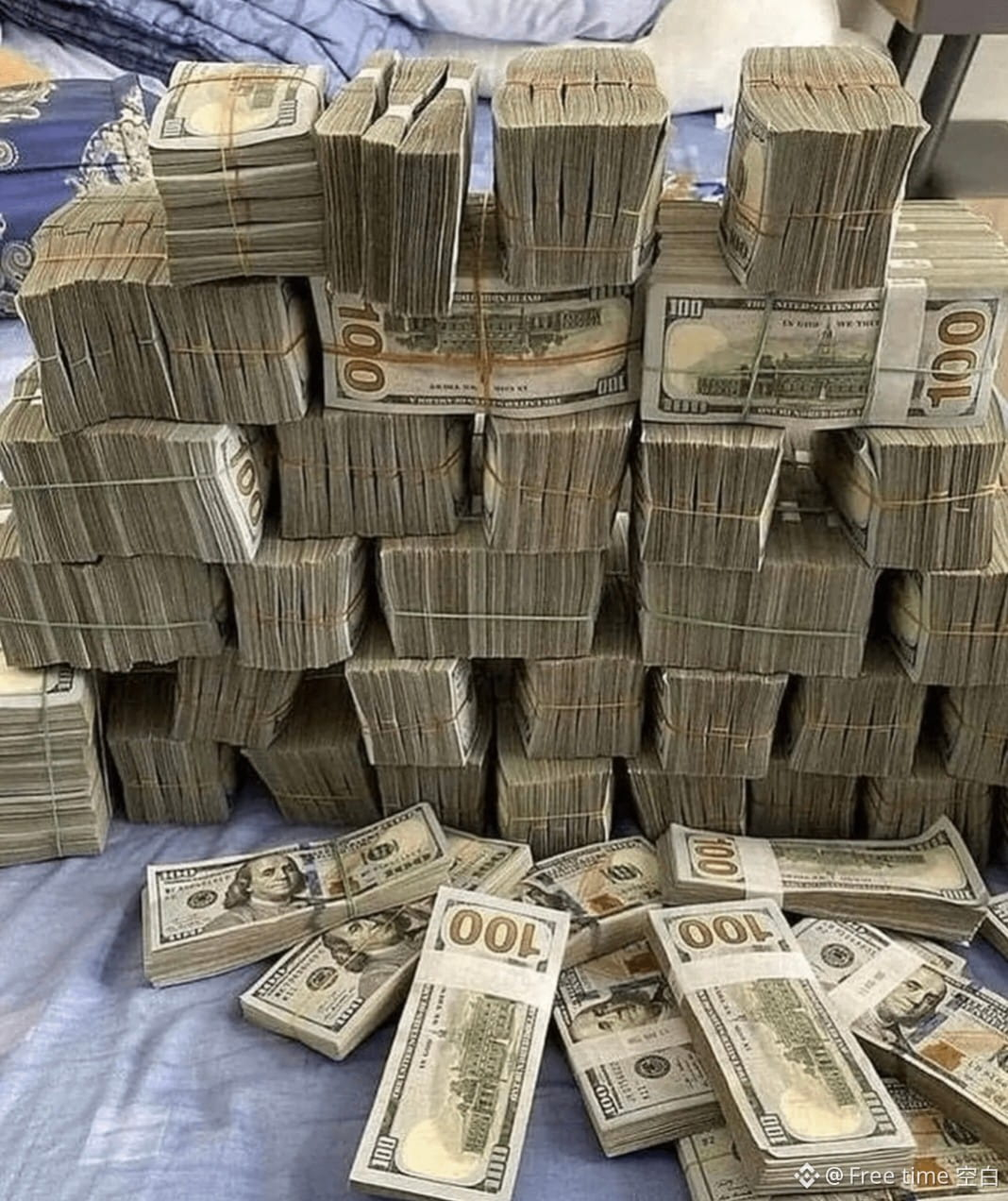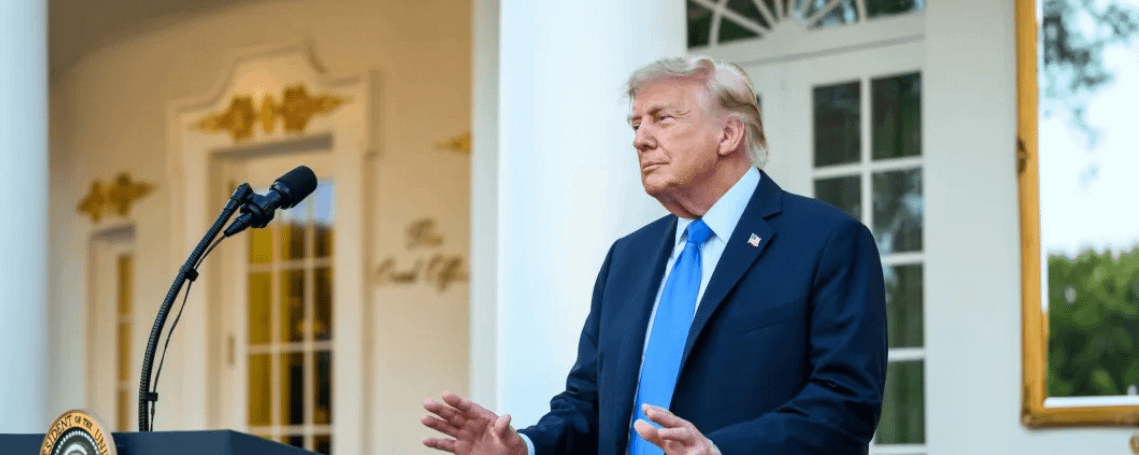

Did Trump go crazy trading stocks? In just 17 months, he made nearly 28,700 trades—wiping out even the total number of trades made by the entire Congress of 22,000! With this hand speed, even Wall Street has to call him “big brother.”
Even more astonishing: while he supports a bill to ban lawmakers and their families from trading stocks, the White House says the president’s holdings are managed by external institutions using index models. The House Republican leadership passed this measure in July—but it doesn’t apply to the president. You be the judge… really think it through.
Now look at the crypto side: on Tuesday, the Senate immediately killed the motion to end debate on the “CLARITY Act.” This was supposed to create the first regulatory framework for U.S. digital assets, but now it’s basically dead. With fewer than 36 statutory workdays left this year—and the next Congress won’t convene until after the midterm elections in mid-2027—can this bill still move forward? Hardly. $ZEC $KSTR $LSK #美联储加息是否已成定局 #比特币跌至7.6万美元 #美参议院否决CLARITY法案 #Strategy市值超越福特
Actually, before the August recess, it was already stuck. The argument is still over the moral clauses—whether officials and their families should be allowed to issue tokens or profit from digital assets while in office. Trump agreed to most of a bipartisan proposal; then on Monday, 18 state attorneys general jumped in again to oppose it, saying it would weaken the ability of states to crack down on crypto fraud.
So now the question is: who gets to decide federal crypto regulation? How should CFTC and SEC powers be divided? Where exactly do the ethical red lines lie? Nobody has answers.
Do you think Trump’s trading volume is normal? With the Senate blocking this, is it good news or bad news for the crypto world? Let’s argue in the comments section!
Even more astonishing: while he supports a bill to ban lawmakers and their families from trading stocks, the White House says the president’s holdings are managed by external institutions using index models. The House Republican leadership passed this measure in July—but it doesn’t apply to the president. You be the judge… really think it through.
Now look at the crypto side: on Tuesday, the Senate immediately killed the motion to end debate on the “CLARITY Act.” This was supposed to create the first regulatory framework for U.S. digital assets, but now it’s basically dead. With fewer than 36 statutory workdays left this year—and the next Congress won’t convene until after the midterm elections in mid-2027—can this bill still move forward? Hardly. $ZEC $KSTR $LSK #美联储加息是否已成定局 #比特币跌至7.6万美元 #美参议院否决CLARITY法案 #Strategy市值超越福特
Actually, before the August recess, it was already stuck. The argument is still over the moral clauses—whether officials and their families should be allowed to issue tokens or profit from digital assets while in office. Trump agreed to most of a bipartisan proposal; then on Monday, 18 state attorneys general jumped in again to oppose it, saying it would weaken the ability of states to crack down on crypto fraud.
So now the question is: who gets to decide federal crypto regulation? How should CFTC and SEC powers be divided? Where exactly do the ethical red lines lie? Nobody has answers.
Do you think Trump’s trading volume is normal? With the Senate blocking this, is it good news or bad news for the crypto world? Let’s argue in the comments section!