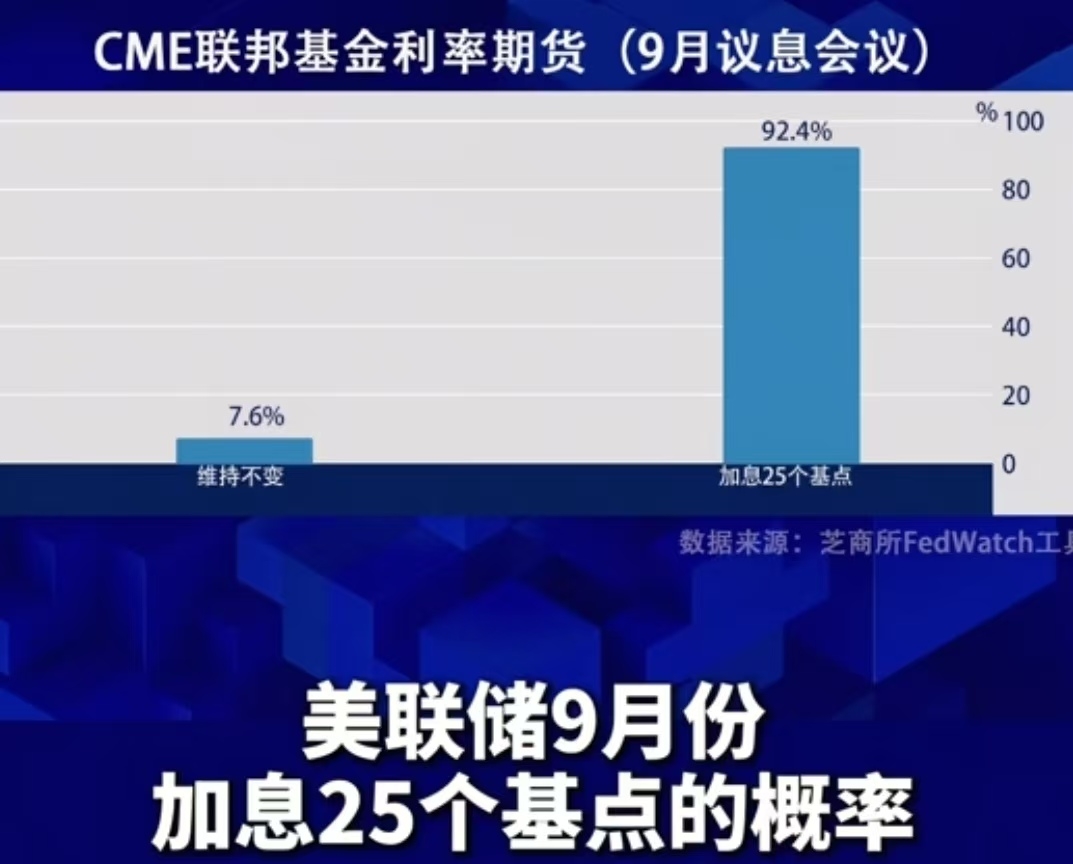

If the Federal Reserve does not act tonight, it will become the biggest “dovish surprise” since 1994—but the market almost doesn’t believe this could happen.
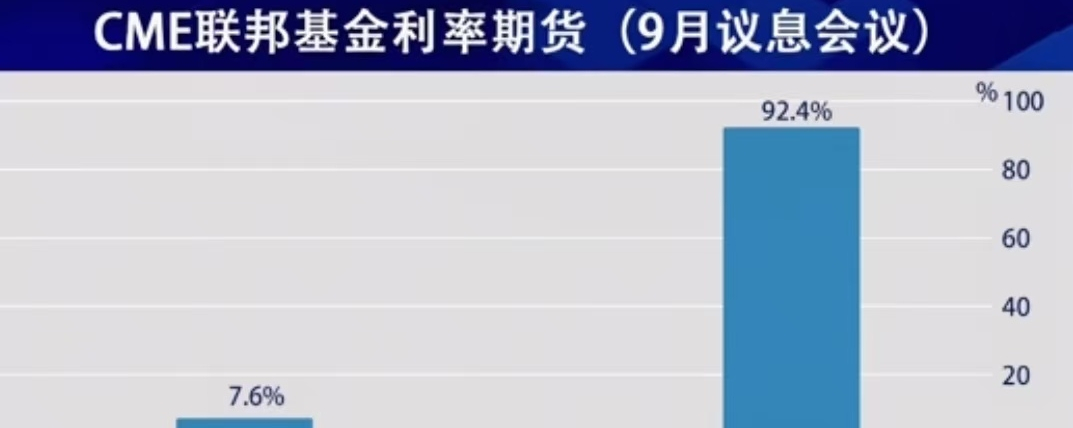
According to interest-rate swap contracts linked to the Federal Reserve meeting dates, traders think the probability that Fed Chair Kevin Walsh will raise the federal funds rate by 25 basis points from 3.5%–3.75% tonight is about 94%. And based on data traceable to 2008, whenever the expectation for a rate hike reached such a high level, the Fed has never “failed to deliver.”
Why is the market so certain?
The key reason is that inflation just won’t come down. U.S. inflation has been above the Fed’s target for more than five years, and the latest CPI data still shows virtually no signs of cooling. Morgan Stanley quickly adjusted its forecast; Citigroup, Goldman Sachs, and JPMorgan Chase also collectively abandoned their stance of “holding steady” and instead bet on a rate hike this month.
But the market’s reaction is far more than just a single round of rate hikes.
First, the bond market has already “blown up.” In intraday trading, the yield on the 10-year U.S. Treasury touched 5.04%, the highest since 2007; the 30-year yield broke above 5.40%. The auction yield on the 20-year Treasury reached 5.420%, also a historical high. A survey by JPMorgan Chase shows that the rate at which traders have built short positions is the fastest since early 2025. The bond market is voting with its feet: inflation expectations can’t be held back.
Second, oil prices have become an “enabler” of inflation. Due to the ongoing deterioration of the situation in the Middle East, Saudi Arabia’s key oil export pipeline has been shut down, and oil production in Libya has been halted. WTI crude surged 4.4% in a single day, breaking above $106. Soaring energy prices feed further into inflation, forming a negative feedback loop: “oil prices rise → inflation stays high → rate-hike expectations strengthen → interest rates rise.”
Third, US stocks are undergoing continued adjustment under dual pressure. The S&P 500 fell to a closing low not seen since August. Wells Fargo lowered its year-end target from 7,950 to 7,700, and also downgraded the technology sector rating from “overweight” to “neutral.” With interest rates rising, overvalued technology stocks are hit first.
What does this mean for the Chinese market?
China’s A-share market is also repeatedly tugged back and forth amid shrinking volume. Several leading private fund institutions said that although Fed rate hikes have largely been priced in by the market, the real variable lies in the post-meeting policy path wording—if there is a rate hike but no clear guidance on the subsequent pace, it may force traders to demand higher long-end yields, and volatility in global risk assets could intensify further.
At the same time, domestic hedging forces are not absent. The central bank carried out a reverse repo operation worth RMB 110 billion with a 7-day term today, and also conducted overnight reverse repos totaling RMB 6 trillion. The intent to support liquidity is evident. The steel industry has launched an initiative for self-discipline in production control to reduce inventories. The NDRC has convened a symposium with private enterprises to encourage them to increase investment in emerging industries—policy-side support efforts are underway.
For ordinary investors, what they most need to do right now is not to bet on direction, but to control their position size.
The mainstream view among private fund institutions is very clear: wait for the “shoe to drop.” A rate hike itself is not scary; what is scary is that the market’s “uncertainty” about the rate-hike path has not been fully released. After the Fed chair, Waller, gave up the practice of issuing advance policy guidance, every FOMC meeting is creating a new source of volatility.
Tonight’s outcome may only be the beginning of a new round of game-playing.#美联储加息是否已成定局