
周周1688
1.5k Posts

周周1688
 Square Verified+
1688品牌创始人 ‖ BNB布道者 ‖ 晚上19:00-22:00直播 ‖ KOL宣发&项目推广‖ 💗推特X:zzhou1688
High-Frequency Trader
9.1 Years
1.3K+ Following
100.4K+ Followers
156.3K+ Liked
Posts
All
Quotes
Videos
Live


K线人生飞哥
·
--
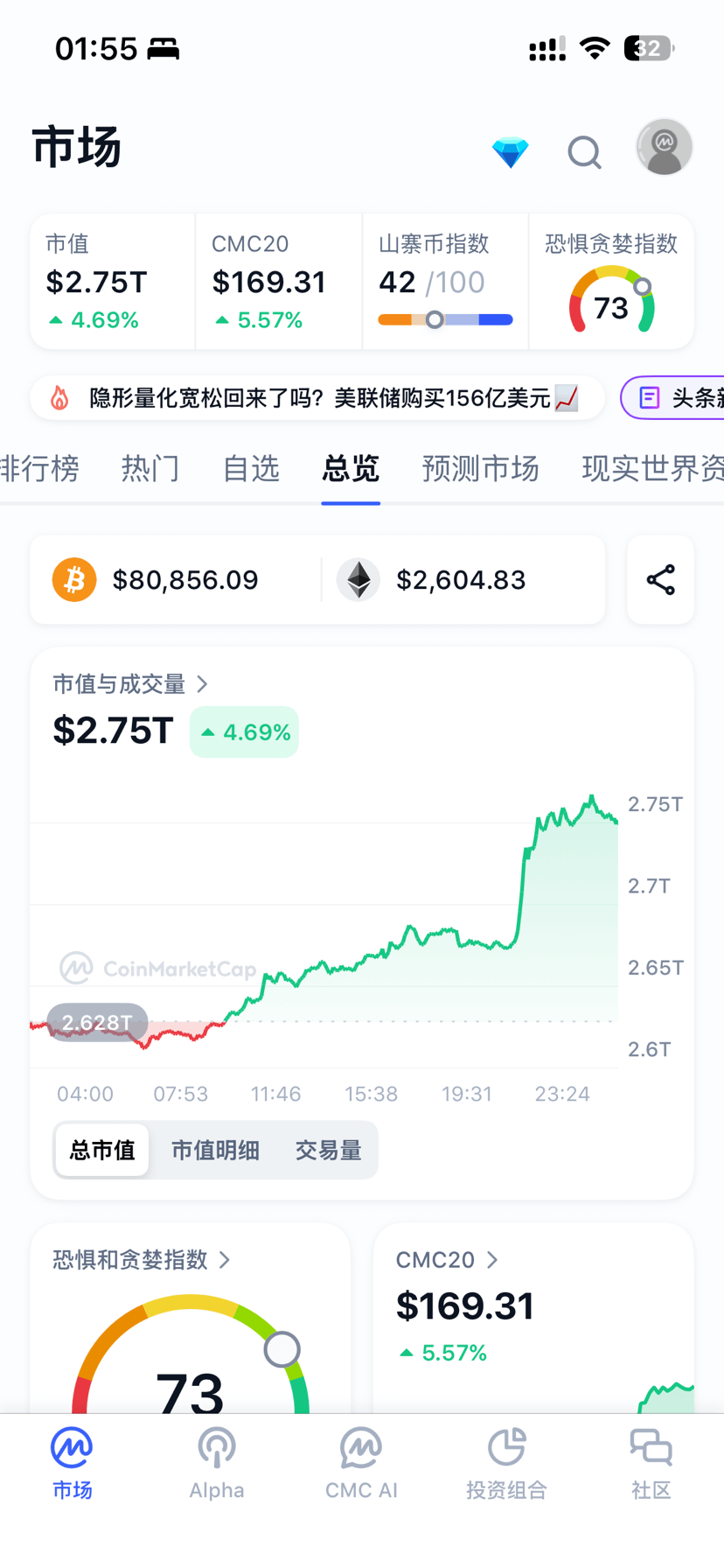
Address it directly—has the bear market ended???
Personally, I feel this round of bear market may have basically run its course. The market now looks more like it’s transitioning from a bear market to a bull market, based on the 2023行情.
There are now two very clear indicators: technicals and timing.
One is trend. The BTC weekly MA5 has already moved back above the MA25. To me, this is a pretty obvious change.
The other is time. If we count it, this bear market has already lasted close to a year. Of course, I don’t think that means it must reverse just because the cycle has played out for a year. In crypto, cycles have never been a precise clock. History can only be used for reference—it can’t be applied directly as a template.
Besides, this market already shows quite a few things that are different from the past. For example, the rapid sell-off in October last year, and this year’s rally in August—both are relatively rare situations in previous cycles. So we can’t blindly cling to old patterns. The only thing that never changes in the world is that everything keeps changing, and we need to keep up with those changes.
So if you keep waiting for a bottom where all indicators are confirmed and the lowest point can be pinpointed precisely, you’ll easily end up realizing that by the time you’ve confirmed it, the market has already moved a long way forward. That’s exactly why I previously kept suggesting DCA—because no one can buy at the very bottom precisely.
So for most people, what’s less important right now is guessing where the lowest point is.
What matters more is whether the market has started transitioning from a bear-market structure into a bull-market structure. As for what I’ll do next, it’s simple: every pullback will be an opportunity. Unlike others who keep shouting that the bull market has ended every time it dips, I plan to update a new post to share my approach for friends who missed the move. If you’re interested, please like and comment. If there are enough people, I’ll update it.
Personally, I feel this round of bear market may have basically run its course. The market now looks more like it’s transitioning from a bear market to a bull market, based on the 2023行情.
There are now two very clear indicators: technicals and timing.
One is trend. The BTC weekly MA5 has already moved back above the MA25. To me, this is a pretty obvious change.
The other is time. If we count it, this bear market has already lasted close to a year. Of course, I don’t think that means it must reverse just because the cycle has played out for a year. In crypto, cycles have never been a precise clock. History can only be used for reference—it can’t be applied directly as a template.
Besides, this market already shows quite a few things that are different from the past. For example, the rapid sell-off in October last year, and this year’s rally in August—both are relatively rare situations in previous cycles. So we can’t blindly cling to old patterns. The only thing that never changes in the world is that everything keeps changing, and we need to keep up with those changes.
So if you keep waiting for a bottom where all indicators are confirmed and the lowest point can be pinpointed precisely, you’ll easily end up realizing that by the time you’ve confirmed it, the market has already moved a long way forward. That’s exactly why I previously kept suggesting DCA—because no one can buy at the very bottom precisely.
So for most people, what’s less important right now is guessing where the lowest point is.
What matters more is whether the market has started transitioning from a bear-market structure into a bull-market structure. As for what I’ll do next, it’s simple: every pullback will be an opportunity. Unlike others who keep shouting that the bull market has ended every time it dips, I plan to update a new post to share my approach for friends who missed the move. If you’re interested, please like and comment. If there are enough people, I’ll update it.
Quoted content has been removed

Nadyisom
·
--
BTC isn’t a get-rich trade. It’s the only asset that doesn’t care if you understand it.

灰s1688
·
--
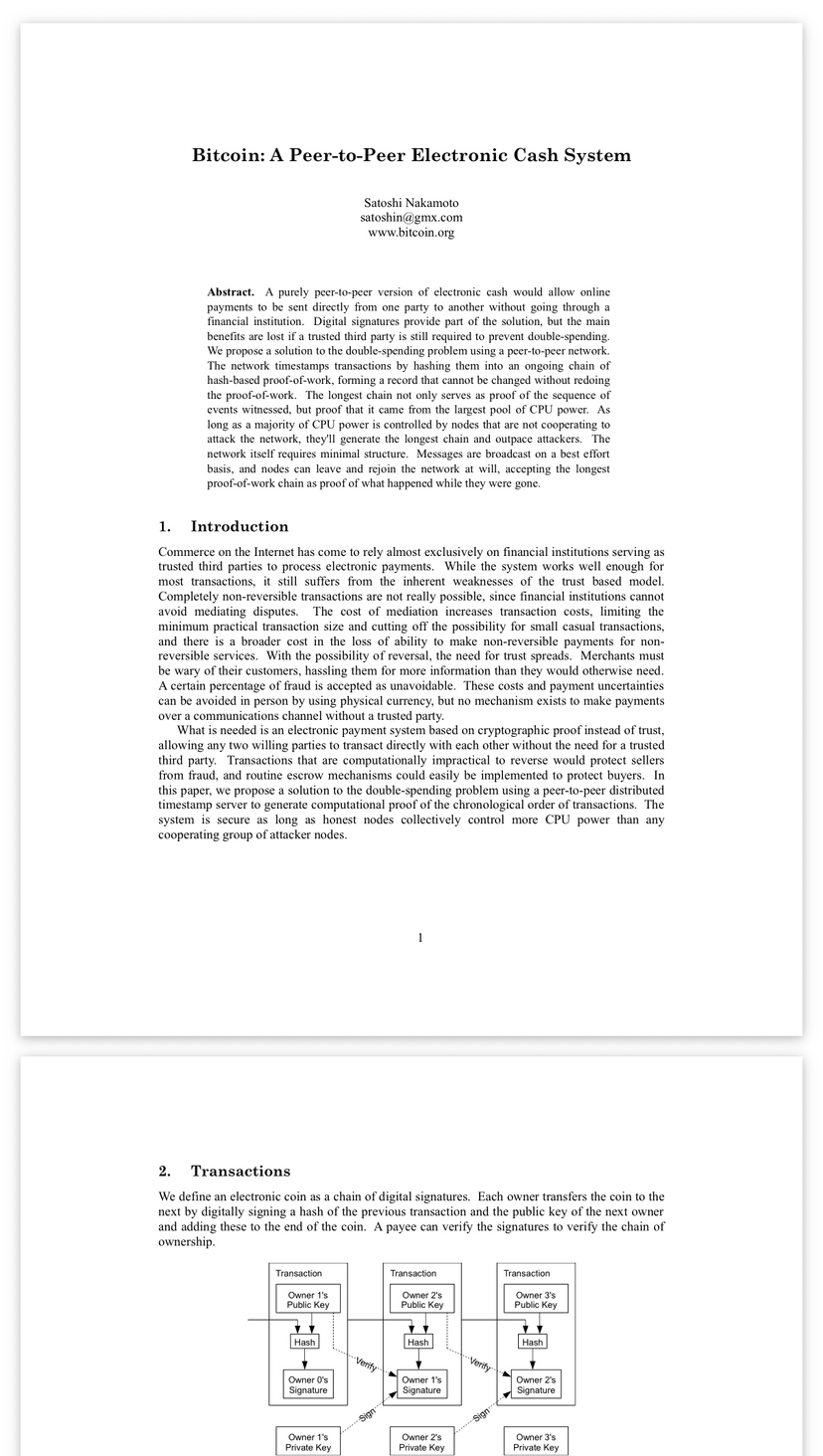
Sixteen years ago, Satoshi Nakamoto wrote the Bitcoin whitepaper—compared to the ETH PoS chain today, it’s almost like a small workshop’s product. But his ideas were ahead by more than just 16 years
$BTC
$BTC

心月势不可挡
·
--
Sing colorful songs for yourself; today is a day worth celebrating. I’ve finally put on a yellow crown—I'm also an Huang V now. Thank you, Binance Square, for building a platform for us to showcase our talents. In the future, I will be a loyal maintainer of Binance Square. Let’s all become better—better and better, more and more outstanding.🧧🧧🧧🧧🧧🧧🧧🧧🧧🧧🧧🧧🧧🧧🎉🎉🎉🎉🎉🎉🎉🎉🎉🌹🌹🌹🌹🌹🌹🌹🌹🌹


灼见
·
--
🚨 Bank of Japan raises rates to a 31-year high—what should BTC watch out for?
The Bank of Japan has raised its policy rate from 1.00% to 1.25%, reaching about the highest level in roughly 31 years.
Many people think:
Japan hikes rates—what does that have to do with BTC?
In fact, the connection could be bigger than you might imagine.
For many years, Japan has been one of the world’s key sources of low-cost funding.
Now that Japan’s interest rates continue to rise, it means:
💴 The cost of JPY funding increases
💧 Global liquidity at the margin tightens
📉 Carry trades may adjust further
⚡ Short-term volatility in risk assets like BTC could be amplified
But what the market truly needs to watch isn’t just this one +25 bps move.
It’s:
Whether Japan is entering a sustained rate-hike cycle.
If Japan’s rates keep normalizing, on top of the high-rate environment in the U.S., global funding costs may rise further.
For $BTC, the truly big variable is always:
Global liquidity.
So next, I’ll focus on monitoring—
JPY + U.S. Treasury yields + BTC’s reaction.
👇 Do you think Japan’s rate hike has on Crypto:
Little impact 🟢 / underestimated impact 🔴?
#BTC #ETH #BNB
The Bank of Japan has raised its policy rate from 1.00% to 1.25%, reaching about the highest level in roughly 31 years.
Many people think:
Japan hikes rates—what does that have to do with BTC?
In fact, the connection could be bigger than you might imagine.
For many years, Japan has been one of the world’s key sources of low-cost funding.
Now that Japan’s interest rates continue to rise, it means:
💴 The cost of JPY funding increases
💧 Global liquidity at the margin tightens
📉 Carry trades may adjust further
⚡ Short-term volatility in risk assets like BTC could be amplified
But what the market truly needs to watch isn’t just this one +25 bps move.
It’s:
Whether Japan is entering a sustained rate-hike cycle.
If Japan’s rates keep normalizing, on top of the high-rate environment in the U.S., global funding costs may rise further.
For $BTC, the truly big variable is always:
Global liquidity.
So next, I’ll focus on monitoring—
JPY + U.S. Treasury yields + BTC’s reaction.
👇 Do you think Japan’s rate hike has on Crypto:
Little impact 🟢 / underestimated impact 🔴?
#BTC #ETH #BNB


正乾商学--四条2
·
--
Are you really suited to make a living by trading?
Part Six
⑥ Finally, ask yourself one more question
Do you really spend a lot of time every day learning and analyzing?
Many people ask me:
“Why don’t I have results even after trading for a year?”
But if you dig in carefully:
How many hours do you actually spend learning every day?
Do you do a review afterward?
Do you keep a trading log?
Do you track your win rate, profit-to-loss ratio, and maximum drawdown?
Do you analyze what kinds of market conditions you are most likely to make mistakes in?
In the end, you’ll find that:
In fact, many people don’t really do it.
So some people say:
“I’m not good at trading, so trading isn’t for me.”
I think that conclusion was reached too quickly.
You should first ask yourself:
Have I really built a trading environment that suits me?
Have I really found a trading approach that fits my personality?
Have I really put in enough time to learn?
Have I systematically verified my method?
If these questions still haven’t been resolved,
then it’s time to say:
“Trading isn’t working.”
Actually, it’s still too early.
Finally, what I want to say is:
Many people understand “successful trading” as:
Finding a magical indicator.
But in reality, truly long-term, stable trading is more like a complete system:
your income structure
+your lifestyle
+your trading
+your personality
+a trading style that suits you
+knowledge
+risk management
+mental resilience
As long as any one of these elements has been a problem for a long time,
it may eventually show up in your trading results.
So before asking:
“Can I get rich by trading?”
first ask yourself:
“Is my current life really already prepared for me to become a trader?”
This may be far more important than learning another indicator.
If you’re interested in trading, feel free to leave a comment in the comment section or join the chat room to exchange ideas and learn together and grow together!
#Paradigm披露持有ZEC #Paradigm披露持有ZEC
Part Six
⑥ Finally, ask yourself one more question
Do you really spend a lot of time every day learning and analyzing?
Many people ask me:
“Why don’t I have results even after trading for a year?”
But if you dig in carefully:
How many hours do you actually spend learning every day?
Do you do a review afterward?
Do you keep a trading log?
Do you track your win rate, profit-to-loss ratio, and maximum drawdown?
Do you analyze what kinds of market conditions you are most likely to make mistakes in?
In the end, you’ll find that:
In fact, many people don’t really do it.
So some people say:
“I’m not good at trading, so trading isn’t for me.”
I think that conclusion was reached too quickly.
You should first ask yourself:
Have I really built a trading environment that suits me?
Have I really found a trading approach that fits my personality?
Have I really put in enough time to learn?
Have I systematically verified my method?
If these questions still haven’t been resolved,
then it’s time to say:
“Trading isn’t working.”
Actually, it’s still too early.
Finally, what I want to say is:
Many people understand “successful trading” as:
Finding a magical indicator.
But in reality, truly long-term, stable trading is more like a complete system:
your income structure
+your lifestyle
+your trading
+your personality
+a trading style that suits you
+knowledge
+risk management
+mental resilience
As long as any one of these elements has been a problem for a long time,
it may eventually show up in your trading results.
So before asking:
“Can I get rich by trading?”
first ask yourself:
“Is my current life really already prepared for me to become a trader?”
This may be far more important than learning another indicator.
If you’re interested in trading, feel free to leave a comment in the comment section or join the chat room to exchange ideas and learn together and grow together!
#Paradigm披露持有ZEC #Paradigm披露持有ZEC

英鸿³³₇
·
--
[Replay] 🎙️ When you reach a stage where you no longer feel anxious about being at 50 points, then you’ve entered the beginner level bnb
02 h 06 m 51 s · 4.6k listens

K大宝
·
--
[Replay] 🎙️ Maintain Ecological Balance and Build the Binance Plaza
04 h 18 m 36 s · 8.1k listens
·
--
🎙️ When you reach a level where you’re no longer anxious about 50 points, then you’re in the beginner stage, bnb

End
02 h 06 m 51 s
4.4k
13

静心1688
·
--
💥Chase the wind and race the moon—don’t pause. Strive right now, and live up to your youth, without letting yourself down.
#Arkham称贝莱德20天买入15亿美元ETH
#Arkham称贝莱德20天买入15亿美元ETH


九千金-融易挣乾
·
--
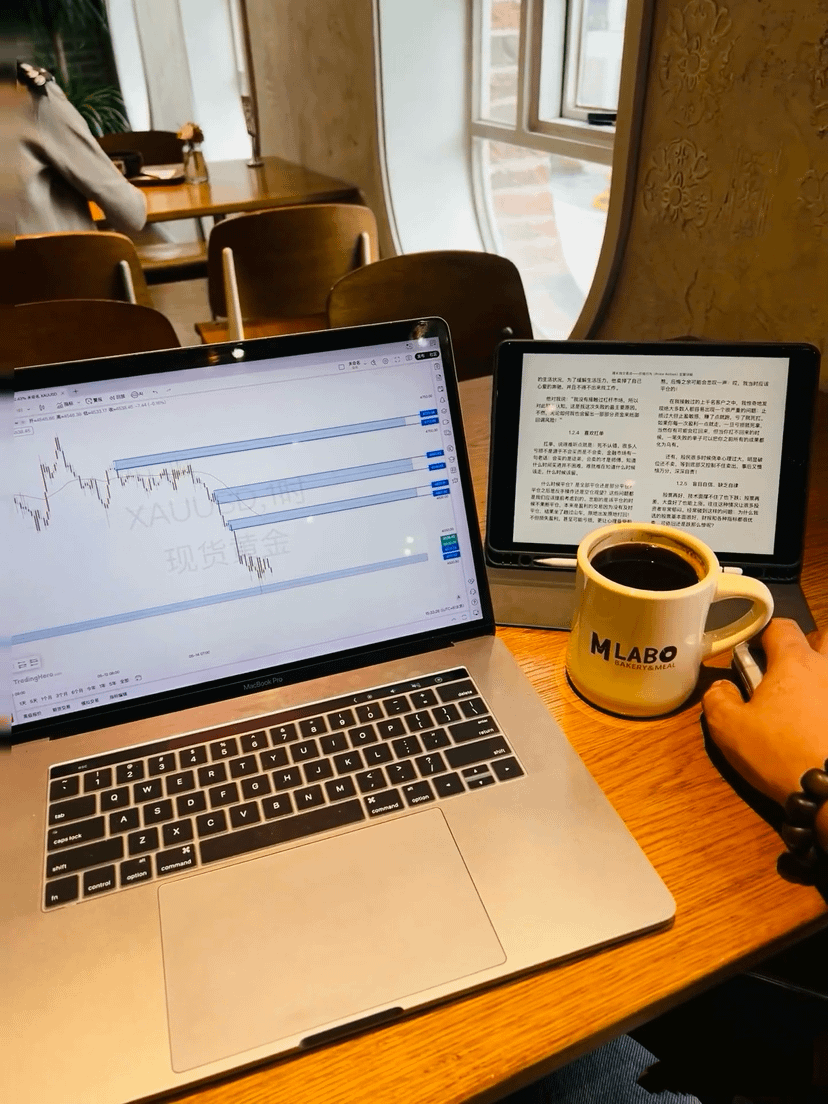
Half the happiness is carbs, half is the focus on making money
Refill coffee, keep trading, and live the days with flavor 📊
Refill coffee, keep trading, and live the days with flavor 📊


晚风Vesper_1688
·
--
🍃Walk forward with the mountain breeze, and let yourself settle through each step⛰️
When climbing to see the scenery, what matters most is focus on your footing—trading and “cultivation” are the same📊.
Market ups and downs come and go swiftly—don’t let short-term fluctuations disrupt your rhythm🕊️.
Stay independent in thinking, keep your inner order, and don’t blindly follow the crowd or chase trends✨.
Accumulate understanding slowly, hold your impulses in check—opportunities will come in their own time💎.
Keep your passion, delve deeper inward, and along the way you’ll have your own rewards🌿
#交易心理
#Paradigm披露持有ZEC
#1688家族family
When climbing to see the scenery, what matters most is focus on your footing—trading and “cultivation” are the same📊.
Market ups and downs come and go swiftly—don’t let short-term fluctuations disrupt your rhythm🕊️.
Stay independent in thinking, keep your inner order, and don’t blindly follow the crowd or chase trends✨.
Accumulate understanding slowly, hold your impulses in check—opportunities will come in their own time💎.
Keep your passion, delve deeper inward, and along the way you’ll have your own rewards🌿
#交易心理
#Paradigm披露持有ZEC
#1688家族family





蒋雅琪1368
·
--
Bitcoin rebounds—will it continue to rise further?
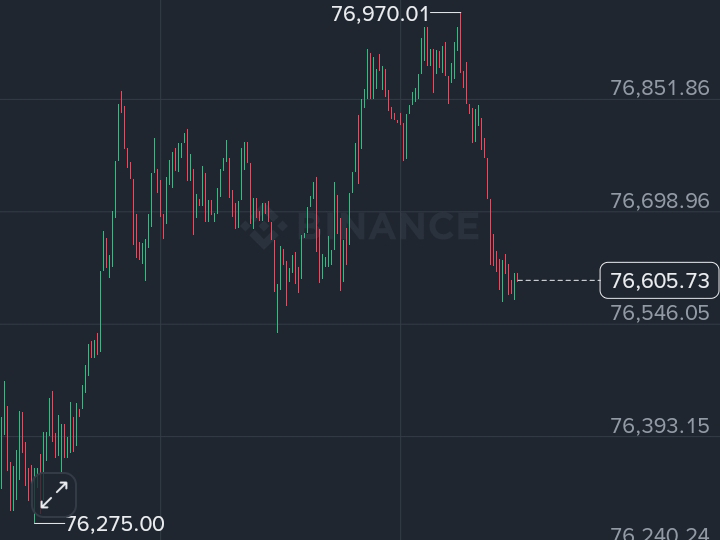
✅ Reasons for the rebound: Price pulled back to support above the 75,000 level that has been confirmed multiple times in the past, triggering the rebound.
Rebound targets: First target at 78,500; next resistance at 80,500. For more cautious investors, take profit around 78,500; spot holdings can take profits in batches.
✅ My view: The market is highly uncertain right now, so it’s not suitable for long-term holding. Tomorrow’s bill, Wednesday’s interest rate hike, and officials’ remarks are all unknown variables. The priority is to lock in existing profits, then re-enter with a heavier position once the market becomes clearer.
During yesterday’s sharp sell-off, I advised setting up spot positions around 76,000; it has now risen nearly 2,000 points. Strategy logic: Buy at support to catch the rebound; take profit at resistance. Do not open positions unless support is reached; if the price continues to surge and approaches the resistance zone, you can try shorting.
Strong resistance is at 81,000–82,000. Attempt shorts in this range; the expected win rate is about 70%. Swing trade based on support and resistance—if the price breaks out, cut losses. In complex market conditions, I’ll keep digging for opportunities and synchronize my real-time trading mindset every day.
✅ Reasons for the rebound: Price pulled back to support above the 75,000 level that has been confirmed multiple times in the past, triggering the rebound.
Rebound targets: First target at 78,500; next resistance at 80,500. For more cautious investors, take profit around 78,500; spot holdings can take profits in batches.
✅ My view: The market is highly uncertain right now, so it’s not suitable for long-term holding. Tomorrow’s bill, Wednesday’s interest rate hike, and officials’ remarks are all unknown variables. The priority is to lock in existing profits, then re-enter with a heavier position once the market becomes clearer.
During yesterday’s sharp sell-off, I advised setting up spot positions around 76,000; it has now risen nearly 2,000 points. Strategy logic: Buy at support to catch the rebound; take profit at resistance. Do not open positions unless support is reached; if the price continues to surge and approaches the resistance zone, you can try shorting.
Strong resistance is at 81,000–82,000. Attempt shorts in this range; the expected win rate is about 70%. Swing trade based on support and resistance—if the price breaks out, cut losses. In complex market conditions, I’ll keep digging for opportunities and synchronize my real-time trading mindset every day.

大丽7613
·
--
The strategy direction is already clear:
Spot first—enter in batches at 75,000 and 73,000, further improving fault tolerance;
At the 75,000 level for futures, we’ve repeatedly “harvested” there multiple times. Missing once is fine—wait for stronger support at 73,000;
ETH support reference: 2360, 2200.
Once a deep drawdown of 20% or so arrives—like a sudden bloodbath—this kind of “golden falling” window must be boldly used to build positions.
Simplicity is the ultimate sophistication. This strategy is simple yet very effective: sell when crowds are loud, buy when no one is paying attention.
After successfully escaping the top at a high level, the main task now is to gradually take back the chips on dips.
After that, when you encounter good trading opportunities, jump right in. For long-term positioning, hold steadfast; for short-term gains, also seize the moment.
Spot first—enter in batches at 75,000 and 73,000, further improving fault tolerance;
At the 75,000 level for futures, we’ve repeatedly “harvested” there multiple times. Missing once is fine—wait for stronger support at 73,000;
ETH support reference: 2360, 2200.
Once a deep drawdown of 20% or so arrives—like a sudden bloodbath—this kind of “golden falling” window must be boldly used to build positions.
Simplicity is the ultimate sophistication. This strategy is simple yet very effective: sell when crowds are loud, buy when no one is paying attention.
After successfully escaping the top at a high level, the main task now is to gradually take back the chips on dips.
After that, when you encounter good trading opportunities, jump right in. For long-term positioning, hold steadfast; for short-term gains, also seize the moment.

Mira小白桃
·
--
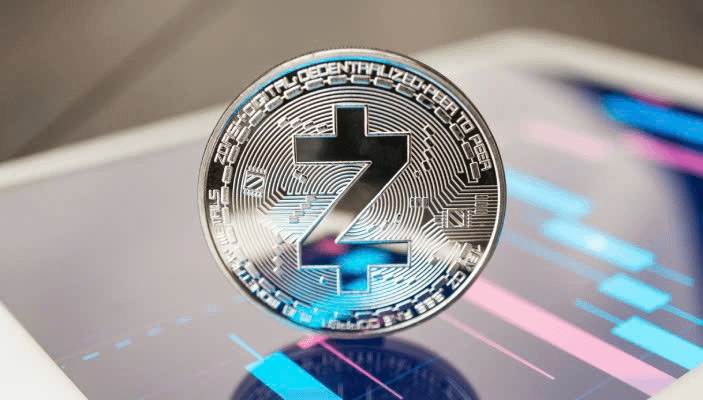
🔥$ZEC has rushed to 1500—can it still move higher from here?
This round of ZEC’s strength has indeed gone beyond many people’s expectations.
From breaking through a key resistance level and continuously setting new highs, it has now entered a very critical position:
The uptrend hasn’t shown obvious signs of being broken, but the short-term market has already entered a high-level standoff.
Currently, the market has a few viewpoints that are quite interesting.
Some traders believe that ZEC now looks more like high-level consolidation within a strong trend. As long as the core breakout zone can be defended, there’s still a possibility for further upward expansion.
But some analysts are starting to warn:
Rising too fast is itself a risk.
Derivatives positioning continues to increase, and technical indicators have also moved into a clearly overheated area.
So going forward, I won’t simply chase the number “1500.”
I’m watching three areas instead:
First, the breakout zone overhead.
If ZEC can continue to break the prior high with expanding volume, and after breaking out it can turn this zone into a new support level, then the strong uptrend still has room to continue.
For the next phase above, keep an eye on higher integer psychological levels.
Second, the pressure around 1500.
This is a very important psychological level.
If it spikes up and then quickly falls back, it suggests that profit-taking from higher levels has started to cash in.
In that case, the short term is more likely to enter consolidation rather than immediately pushing higher.
Third, the core support zone below.
Right now, market analysis is focused on the earlier breakout zone.
As long as this zone holds, ZEC is still in a strong structure.
But if it breaks down and the subsequent retest can’t reclaim it, then be careful—this rally may be entering a deeper correction. Earlier analysis also pointed to the next lower layer of support as an observation area if the trend starts to weaken.
So my conclusion is simple:
ZEC still has upside potential, but the risk of chasing after a spike is getting higher.
Strong breakout and holding firm → continue to look for trend extension.
Push high and then pull back at high levels → wait for the dip to confirm.
If core support is lost → guard against the uptrend structure weakening.
When the market is strong, you can’t rely on emotion to chase.
I’d rather wait for a comfortable entry point than FOMO just because I see 1500.
This round of ZEC’s strength has indeed gone beyond many people’s expectations.
From breaking through a key resistance level and continuously setting new highs, it has now entered a very critical position:
The uptrend hasn’t shown obvious signs of being broken, but the short-term market has already entered a high-level standoff.
Currently, the market has a few viewpoints that are quite interesting.
Some traders believe that ZEC now looks more like high-level consolidation within a strong trend. As long as the core breakout zone can be defended, there’s still a possibility for further upward expansion.
But some analysts are starting to warn:
Rising too fast is itself a risk.
Derivatives positioning continues to increase, and technical indicators have also moved into a clearly overheated area.
So going forward, I won’t simply chase the number “1500.”
I’m watching three areas instead:
First, the breakout zone overhead.
If ZEC can continue to break the prior high with expanding volume, and after breaking out it can turn this zone into a new support level, then the strong uptrend still has room to continue.
For the next phase above, keep an eye on higher integer psychological levels.
Second, the pressure around 1500.
This is a very important psychological level.
If it spikes up and then quickly falls back, it suggests that profit-taking from higher levels has started to cash in.
In that case, the short term is more likely to enter consolidation rather than immediately pushing higher.
Third, the core support zone below.
Right now, market analysis is focused on the earlier breakout zone.
As long as this zone holds, ZEC is still in a strong structure.
But if it breaks down and the subsequent retest can’t reclaim it, then be careful—this rally may be entering a deeper correction. Earlier analysis also pointed to the next lower layer of support as an observation area if the trend starts to weaken.
So my conclusion is simple:
ZEC still has upside potential, but the risk of chasing after a spike is getting higher.
Strong breakout and holding firm → continue to look for trend extension.
Push high and then pull back at high levels → wait for the dip to confirm.
If core support is lost → guard against the uptrend structure weakening.
When the market is strong, you can’t rely on emotion to chase.
I’d rather wait for a comfortable entry point than FOMO just because I see 1500.
正乾商学--四条2
·
--
Are you really suited to make a living by trading?
Part Six
⑥ Finally, ask yourself one more question
Do you really spend a lot of time every day learning and analyzing?
Many people ask me:
“Why don’t I have results even after trading for a year?”
But if you dig in carefully:
How many hours do you actually spend learning every day?
Do you do a review afterward?
Do you keep a trading log?
Do you track your win rate, profit-to-loss ratio, and maximum drawdown?
Do you analyze what kinds of market conditions you are most likely to make mistakes in?
In the end, you’ll find that:
In fact, many people don’t really do it.
So some people say:
“I’m not good at trading, so trading isn’t for me.”
I think that conclusion was reached too quickly.
You should first ask yourself:
Have I really built a trading environment that suits me?
Have I really found a trading approach that fits my personality?
Have I really put in enough time to learn?
Have I systematically verified my method?
If these questions still haven’t been resolved,
then it’s time to say:
“Trading isn’t working.”
Actually, it’s still too early.
Finally, what I want to say is:
Many people understand “successful trading” as:
Finding a magical indicator.
But in reality, truly long-term, stable trading is more like a complete system:
your income structure
+your lifestyle
+your trading
+your personality
+a trading style that suits you
+knowledge
+risk management
+mental resilience
As long as any one of these elements has been a problem for a long time,
it may eventually show up in your trading results.
So before asking:
“Can I get rich by trading?”
first ask yourself:
“Is my current life really already prepared for me to become a trader?”
This may be far more important than learning another indicator.
If you’re interested in trading, feel free to leave a comment in the comment section or join the chat room to exchange ideas and learn together and grow together!
#Paradigm披露持有ZEC #Paradigm披露持有ZEC
Part Six
⑥ Finally, ask yourself one more question
Do you really spend a lot of time every day learning and analyzing?
Many people ask me:
“Why don’t I have results even after trading for a year?”
But if you dig in carefully:
How many hours do you actually spend learning every day?
Do you do a review afterward?
Do you keep a trading log?
Do you track your win rate, profit-to-loss ratio, and maximum drawdown?
Do you analyze what kinds of market conditions you are most likely to make mistakes in?
In the end, you’ll find that:
In fact, many people don’t really do it.
So some people say:
“I’m not good at trading, so trading isn’t for me.”
I think that conclusion was reached too quickly.
You should first ask yourself:
Have I really built a trading environment that suits me?
Have I really found a trading approach that fits my personality?
Have I really put in enough time to learn?
Have I systematically verified my method?
If these questions still haven’t been resolved,
then it’s time to say:
“Trading isn’t working.”
Actually, it’s still too early.
Finally, what I want to say is:
Many people understand “successful trading” as:
Finding a magical indicator.
But in reality, truly long-term, stable trading is more like a complete system:
your income structure
+your lifestyle
+your trading
+your personality
+a trading style that suits you
+knowledge
+risk management
+mental resilience
As long as any one of these elements has been a problem for a long time,
it may eventually show up in your trading results.
So before asking:
“Can I get rich by trading?”
first ask yourself:
“Is my current life really already prepared for me to become a trader?”
This may be far more important than learning another indicator.
If you’re interested in trading, feel free to leave a comment in the comment section or join the chat room to exchange ideas and learn together and grow together!
#Paradigm披露持有ZEC #Paradigm披露持有ZEC
大丽7613
·
--
[Replay] 🎙️ Let's talk about the short-term BNB market
02 h 14 m 45 s · 8.9k listens
Log in to explore more content