
光明社区-阿波罗
540 Posts

光明社区-阿波罗
 Square Verified+
LUCiC·超级共识者‖光明社区·文化传播者‖利他主义·坚定奉行者 LUCiC·Super Consensus Holder‖Guangming Community·Cultural Communicator‖Steadfast Practitioner of Altruism.

BNB Holder
Frequent Trader
7.4 Years
661 Following
36.4K+ Followers
33.7K+ Liked
Posts
All
Quotes
Live
PINNED


乘风Sunshine
·
--
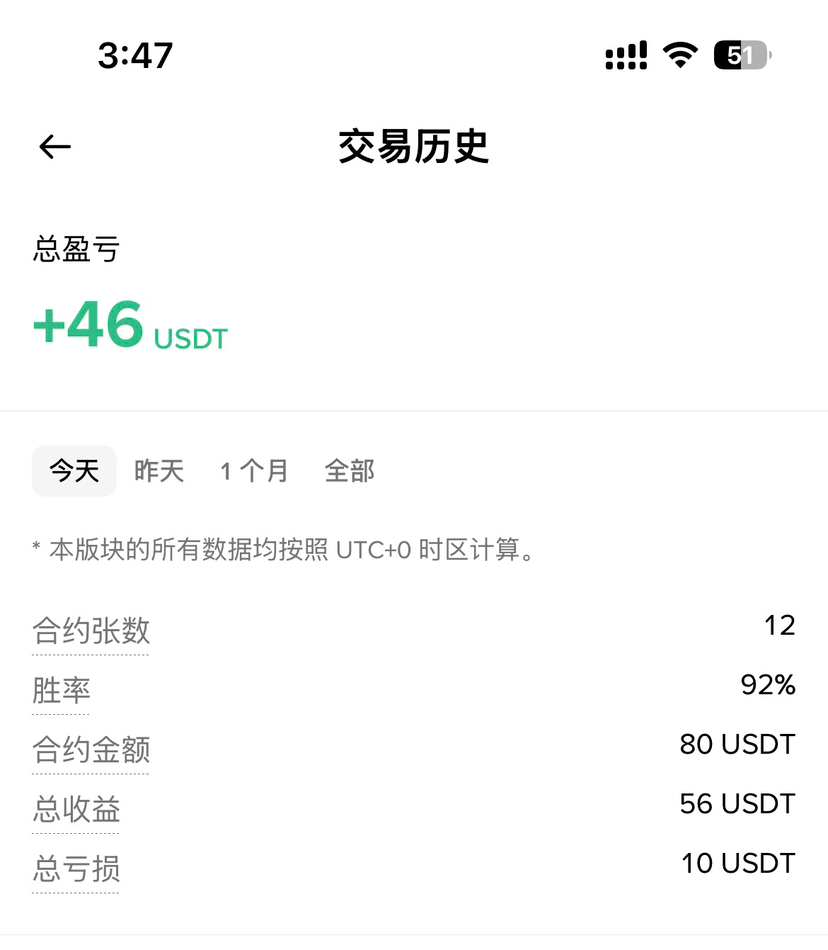
Combat power is still recovering. Number 12 clears number 11 alone—I'll be back to stream once I'm recovered, brothers. (ps: The estimated stream times are still the old schedule: 7 AM, 3 PM for event contracts, and 10 PM for perpetual contracts.)



大丽7613
·
--
$BTC
Bitcoin drops to a new low— is this a sign that the downturn is beginning? I’m going all-in on this level to buy the dip!
The Clarity Act failed—when will the next vote be? Get prepared in advance, because it will rise again before the next vote!
Let’s talk about where BTC, ETH, and SOL go next
Bitcoin drops to a new low— is this a sign that the downturn is beginning? I’m going all-in on this level to buy the dip!
The Clarity Act failed—when will the next vote be? Get prepared in advance, because it will rise again before the next vote!
Let’s talk about where BTC, ETH, and SOL go next

燕寶Melissa
·
--
Bearish🚀 ETF Store CEO: The Crypto Future Isn’t Determined by a Single Bill!
The “Clarity Act” will affect market sentiment for crypto, but it isn’t the only variable that determines the industry’s future.
ETF Store CEO Nate Geraci says:
Even if the “Clarity Act” can’t secure enough votes this week to move forward, the crypto industry’s progress won’t come to a halt.
The reason is simple—
The pace of market innovation is always faster than the pace of regulatory legislation.
Under the Trump administration’s environment, the SEC and CFTC may still use existing regulatory authority to drive the digital asset industry forward.
The real force that will change the financial system comes not only from policy documents, but from:
✅ Institutional capital continuing to flow in
✅ The capital bridge created by BTC ETFs
✅ Upgrades to on-chain financial infrastructure
✅ AI × Web3 fusion and innovation
✅ The global trend toward digitizing assets
The “Clarity Act” is more like an “accelerator” — boosting market confidence and helping the industry develop more smoothly.
But Crypto’s big-picture trajectory won’t pause because of a single bill.
As traditional finance gradually embraces blockchain, the upgrade to the future financial system may already be quietly underway.
#比特币下跌4%
$BTC
$ETH
$BNB
The “Clarity Act” will affect market sentiment for crypto, but it isn’t the only variable that determines the industry’s future.
ETF Store CEO Nate Geraci says:
Even if the “Clarity Act” can’t secure enough votes this week to move forward, the crypto industry’s progress won’t come to a halt.
The reason is simple—
The pace of market innovation is always faster than the pace of regulatory legislation.
Under the Trump administration’s environment, the SEC and CFTC may still use existing regulatory authority to drive the digital asset industry forward.
The real force that will change the financial system comes not only from policy documents, but from:
✅ Institutional capital continuing to flow in
✅ The capital bridge created by BTC ETFs
✅ Upgrades to on-chain financial infrastructure
✅ AI × Web3 fusion and innovation
✅ The global trend toward digitizing assets
The “Clarity Act” is more like an “accelerator” — boosting market confidence and helping the industry develop more smoothly.
But Crypto’s big-picture trajectory won’t pause because of a single bill.
As traditional finance gradually embraces blockchain, the upgrade to the future financial system may already be quietly underway.
#比特币下跌4%
$BTC
$ETH
$BNB


周周1688
·
--
This world isn’t about who’s faster
$BNB 🧧
It’s about endurance and perseverance
All the good things in this world
are worth taking time to enjoy slowly
#1688家族family
$BNB 🧧
It’s about endurance and perseverance
All the good things in this world
are worth taking time to enjoy slowly
#1688家族family


正乾商学--四条2
·
--
Are you really suited to make a living by trading?
Serial [5]
⑤ Only after you solve the first four questions will you truly stand at the starting line of trading
Pay attention.
What I covered earlier—
income sources, daily routine, time you can trade, trading instruments, your personal character, your trading style…
All of it is just to help you reach: the starting line.
Not the finish line.
Only after you’ve truly reached the starting line do you begin the part everyone is most familiar with:
learning.
And not learning one or two indicators;
not stopping once you know what support and resistance are.
You must first gain broad understanding of:
Scalping—very short-term trading / scalp trading: frequent trades within a very short time (seconds to minutes) to profit from small price fluctuations
Day Trading: opening and closing positions on the same day, without holding overnight
Swing Trading: capturing market swings over several days to a few weeks, aiming to profit from swing trends
Trend Following: trading in line with the market’s main direction—for example, going long in an uptrend and short in a downtrend
Breakout Trading: entering the market when price breaks through a key resistance or support level
Mean Reversion: trading that assumes when price deviates from normal levels, it will return to the average value, seeking opportunities from that
Technical Analysis: analyzing the market through candlesticks, indicators, volume, and price structure
Fundamental Analysis: studying a project’s value—such as the team, economic data, industry development, and more
Macro: macroeconomic analysis studying how the global economic environment (interest rates, inflation, the US dollar, policies, etc.) affects the market
Risk Management: controlling trading risk, including stop-losses, position sizes, and capital protection
Position Sizing: position management—deciding how much capital to risk or allocate to each trade based on your account size and risk
Trading Psychology: managing emotions, discipline, and execution ability to prevent fear and greed from affecting your trading
Then test them one by one.
You must personally know:
what suits you.
what doesn’t suit you.
This is not something others can tell you directly.
If you’re interested in trading, feel free to leave a comment in the comment section or join the chat room to exchange ideas—learn together and grow together!
#美联储加息25基点美股收跌
Serial [5]
⑤ Only after you solve the first four questions will you truly stand at the starting line of trading
Pay attention.
What I covered earlier—
income sources, daily routine, time you can trade, trading instruments, your personal character, your trading style…
All of it is just to help you reach: the starting line.
Not the finish line.
Only after you’ve truly reached the starting line do you begin the part everyone is most familiar with:
learning.
And not learning one or two indicators;
not stopping once you know what support and resistance are.
You must first gain broad understanding of:
Scalping—very short-term trading / scalp trading: frequent trades within a very short time (seconds to minutes) to profit from small price fluctuations
Day Trading: opening and closing positions on the same day, without holding overnight
Swing Trading: capturing market swings over several days to a few weeks, aiming to profit from swing trends
Trend Following: trading in line with the market’s main direction—for example, going long in an uptrend and short in a downtrend
Breakout Trading: entering the market when price breaks through a key resistance or support level
Mean Reversion: trading that assumes when price deviates from normal levels, it will return to the average value, seeking opportunities from that
Technical Analysis: analyzing the market through candlesticks, indicators, volume, and price structure
Fundamental Analysis: studying a project’s value—such as the team, economic data, industry development, and more
Macro: macroeconomic analysis studying how the global economic environment (interest rates, inflation, the US dollar, policies, etc.) affects the market
Risk Management: controlling trading risk, including stop-losses, position sizes, and capital protection
Position Sizing: position management—deciding how much capital to risk or allocate to each trade based on your account size and risk
Trading Psychology: managing emotions, discipline, and execution ability to prevent fear and greed from affecting your trading
Then test them one by one.
You must personally know:
what suits you.
what doesn’t suit you.
This is not something others can tell you directly.
If you’re interested in trading, feel free to leave a comment in the comment section or join the chat room to exchange ideas—learn together and grow together!
#美联储加息25基点美股收跌

远方1688BNB
·
--
You don’t have to live as a “standard answer”
Keep going seriously
That’s your own answer
#定投BTC #定投BNB
Keep going seriously
That’s your own answer
#定投BTC #定投BNB


灼见
·
--
🚨 BTC ETF saw an inflow of $160 million, yet the next day it saw an outflow of $450 million.
This set of data is more worth watching than just “ETF money is back.”
On September 14, U.S. spot BTC ETFs had a net inflow of about $160 million.
But on September 15, it flipped directly the other way:
Net outflow of about $450 million.
This shows institutional money hasn’t formed a consistent direction right now.
Macro interest rates, regulatory expectations, and the BTC price are all changing rapidly, and Wall Street is constantly adjusting its positions.
So at this stage, what I care about isn’t:
How much ETF money comes in on a given day.
Instead, it’s:
Whether there can be a return of continuous net inflows next.
That $160 million in one day is a signal.
Only a few days of funds returning could truly change the trend.
And if BTC can still hold key levels despite the repeated inflows and outflows of ETF funds—
that’s the more important thing to watch.
👇 What do you think the next round of ETF flows will be:
Return again 🟢 / Continue retreating 🔴?
#BTC #ETH #BNB
This set of data is more worth watching than just “ETF money is back.”
On September 14, U.S. spot BTC ETFs had a net inflow of about $160 million.
But on September 15, it flipped directly the other way:
Net outflow of about $450 million.
This shows institutional money hasn’t formed a consistent direction right now.
Macro interest rates, regulatory expectations, and the BTC price are all changing rapidly, and Wall Street is constantly adjusting its positions.
So at this stage, what I care about isn’t:
How much ETF money comes in on a given day.
Instead, it’s:
Whether there can be a return of continuous net inflows next.
That $160 million in one day is a signal.
Only a few days of funds returning could truly change the trend.
And if BTC can still hold key levels despite the repeated inflows and outflows of ETF funds—
that’s the more important thing to watch.
👇 What do you think the next round of ETF flows will be:
Return again 🟢 / Continue retreating 🔴?
#BTC #ETH #BNB


慢就是快Mike
·
--
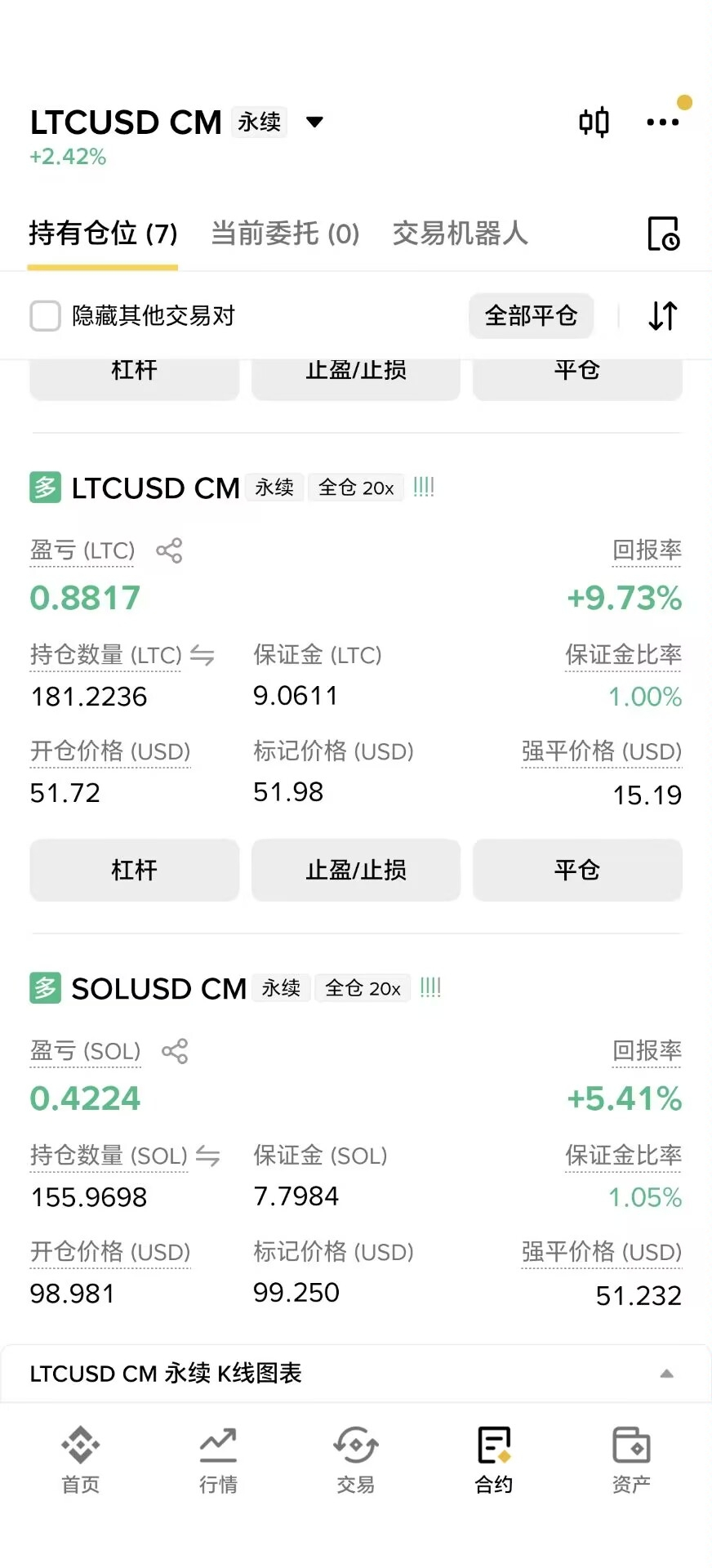
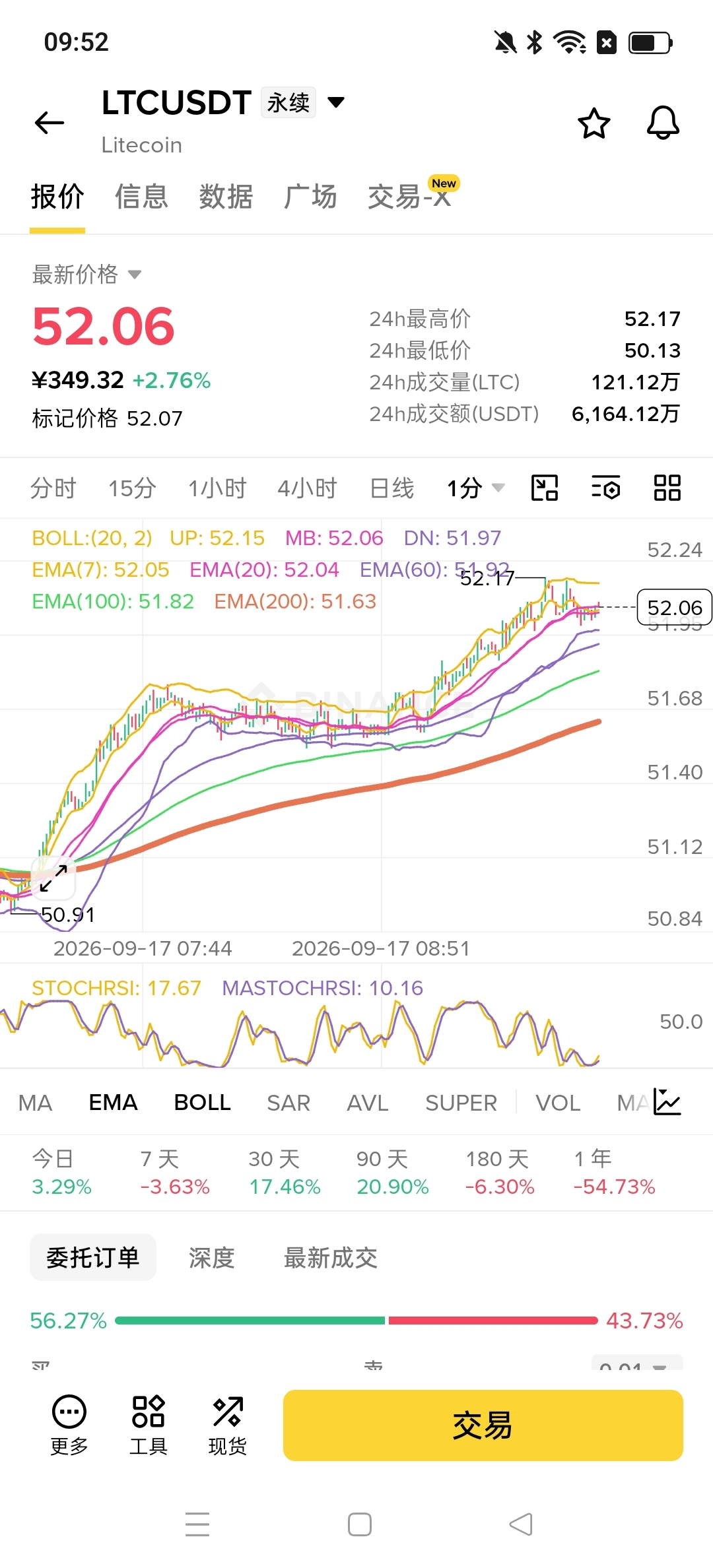
$LTC I don’t care whether you raise rates or whatever—if the bulls are coming, then whatever bad news there is won’t matter. Just do it, brothers—more of it!

心月势不可挡
·
--
It isn’t a flood of panic to raise interest rates, but it will change the price of capital and the ranking of assets.
In a low-interest-rate environment, many assets can be supported by liquidity; once rates rise, the market will evaluate profits, valuations, and risks more seriously. For investors, what truly matters isn’t predicting every rate hike, but assessing whether the interest-rate core will remain higher for the long term—and whether corporate earnings can absorb the increase in funding costs.
In a low-interest-rate environment, many assets can be supported by liquidity; once rates rise, the market will evaluate profits, valuations, and risks more seriously. For investors, what truly matters isn’t predicting every rate hike, but assessing whether the interest-rate core will remain higher for the long term—and whether corporate earnings can absorb the increase in funding costs.



路飞社区糖宝Luffy
·
--
Good morning, everyone! $SOL Sugar Treasure 13.30 live room—see you there!


CZ_ANUU
·
--
good morning🌞🌞 binance family👪
❤❤❤❤❤❤❤❤❤❤❤❤❤❤❤
❤❤❤❤❤❤❤❤❤❤❤❤❤❤❤


Sara_ k
·
--
Your exclusive rewards are just one click away 🔗🎁
.
claim here 👈
.
join now 👈
.
.
claim here 👈
.
join now 👈
.


Evie埃维利里什
·
--
Wishing you good health, good luck, and plenty of green candles!
RED PACKET DROP!
Follow
Like
Comment
$LSK
RED PACKET DROP!
Follow
Like
Comment
$LSK


FG发发发
·
--
🦋🦋Big Breaking News🦋🦋
As the butterfly momentum rises, good news arrives.
This Thursday, Butterfly President will appear live on the Binance livestream,
publicly take the stage, and personally cheer on Butterfly’s journey,
to share and forge a grand blueprint for the butterfly transformation.
🦋🦋Butterfly Life|Bstork Coin Equity-in-Common Sector🦋🦋
Currently leading globally in second place, with the goal to top the world by this Friday—number one!
The inclusive community is in full swing, and the shareholder team continues to grow stronger.
As the great tide surges forward, only by gathering as one can we ride the wind and break through the waves.
Witness Butterfly Life—perfectly surpassing what was before. We will spare no effort and go all in to reach the peak together!
🦋Butterfly Life: From Cocoon to Rise, Headed for the Peak🦋
The butterfly has endured long dormancy, only then can it spread its wings;
the business has weathered deep stillness, only then will its grandeur emerge.
Standing on the new track of equity-in-common for coin holders,
Bstork Coin is rising strongly, firmly holding the second place among global sectors,
while fully accelerating toward becoming number one worldwide.
With the whole inclusive community united in purpose and effort,
we continue to bring together golden, silver, and bronze shareholders,
holding fast to a shared consensus among countless people.
Breaking out of the cocoon is not a coincidence—it is the fruit of determined efforts from all our partners shoulder to shoulder.
As market tides surge and clouds roll in,
we embrace the resilience of the butterfly and directly face the challenges of the storm.
This time, the president’s personal appearance on the Binance livestream stage is both a solemn witness to the achievements of this phase,
and a loud call to kick off a brand-new journey.
Witness the rise of Butterfly Life—surpassing past constraints,
heading toward the era of glory that belongs to you and me.
With full effort, let’s go together and achieve brilliance.
As the butterfly momentum rises, good news arrives.
This Thursday, Butterfly President will appear live on the Binance livestream,
publicly take the stage, and personally cheer on Butterfly’s journey,
to share and forge a grand blueprint for the butterfly transformation.
🦋🦋Butterfly Life|Bstork Coin Equity-in-Common Sector🦋🦋
Currently leading globally in second place, with the goal to top the world by this Friday—number one!
The inclusive community is in full swing, and the shareholder team continues to grow stronger.
As the great tide surges forward, only by gathering as one can we ride the wind and break through the waves.
Witness Butterfly Life—perfectly surpassing what was before. We will spare no effort and go all in to reach the peak together!
🦋Butterfly Life: From Cocoon to Rise, Headed for the Peak🦋
The butterfly has endured long dormancy, only then can it spread its wings;
the business has weathered deep stillness, only then will its grandeur emerge.
Standing on the new track of equity-in-common for coin holders,
Bstork Coin is rising strongly, firmly holding the second place among global sectors,
while fully accelerating toward becoming number one worldwide.
With the whole inclusive community united in purpose and effort,
we continue to bring together golden, silver, and bronze shareholders,
holding fast to a shared consensus among countless people.
Breaking out of the cocoon is not a coincidence—it is the fruit of determined efforts from all our partners shoulder to shoulder.
As market tides surge and clouds roll in,
we embrace the resilience of the butterfly and directly face the challenges of the storm.
This time, the president’s personal appearance on the Binance livestream stage is both a solemn witness to the achievements of this phase,
and a loud call to kick off a brand-new journey.
Witness the rise of Butterfly Life—surpassing past constraints,
heading toward the era of glory that belongs to you and me.
With full effort, let’s go together and achieve brilliance.




白鲨观点
·
--
Today the market is down, and the group chats are once again full of wailing and despair.
I want to say something that may not sound very pleasant: the people who keep shouting “It’s over,” “It’s a bear market,” every time there’s a big drop are destined to never make big money.
Why? Because all they see is short-term price fluctuations, not long-term logic. In the crypto world over the past ten-plus years—from BTC costing just a few dollars to now costing tens of thousands of dollars—how many times have there been major crashes in between? Over 90% drawdowns have happened multiple times, and every time someone says, “Bitcoin is dead.” What actually happens? People die off, not Bitcoin.
Of course, I’m not saying you can mindlessly buy the bottom right now. There really is uncertainty around regulation, and in the short term it could still fall, and worse news could still come out. No one knows where the bottom is, and I don’t either.
But I know one thing: every major crisis is a good opportunity to pick up cheap chips. When the FTX collapse happened in 2022, when we hit 312 in 2020, and during the bleakest part of the 2018 bear market—looking back now, it’s all golden pits. Back then, most people who were right in the middle of it were panic-selling and cutting losses; not many had the nerve to buy.
So at a time like this, don’t just be afraid.
If you have cash, start building your position in batches;
If you have coins, don’t cut blindly. As long as what you hold is major coins like BTC and ETH, you won’t “die.”
The market always hits the bottom in fear, rises in hesitation, and ends in frenzy.
In this stage, is it more like “panic” or “hesitation”?
Think about it yourself.
At 9 p.m. I’ll chat in the live room about how to position yourself during a falling market. No order-chasing—just sharing my thoughts. If you want to join, go to my profile page.
$BTC $ETH #BinanceSquare #行情分析📈 #投资思路
I want to say something that may not sound very pleasant: the people who keep shouting “It’s over,” “It’s a bear market,” every time there’s a big drop are destined to never make big money.
Why? Because all they see is short-term price fluctuations, not long-term logic. In the crypto world over the past ten-plus years—from BTC costing just a few dollars to now costing tens of thousands of dollars—how many times have there been major crashes in between? Over 90% drawdowns have happened multiple times, and every time someone says, “Bitcoin is dead.” What actually happens? People die off, not Bitcoin.
Of course, I’m not saying you can mindlessly buy the bottom right now. There really is uncertainty around regulation, and in the short term it could still fall, and worse news could still come out. No one knows where the bottom is, and I don’t either.
But I know one thing: every major crisis is a good opportunity to pick up cheap chips. When the FTX collapse happened in 2022, when we hit 312 in 2020, and during the bleakest part of the 2018 bear market—looking back now, it’s all golden pits. Back then, most people who were right in the middle of it were panic-selling and cutting losses; not many had the nerve to buy.
So at a time like this, don’t just be afraid.
If you have cash, start building your position in batches;
If you have coins, don’t cut blindly. As long as what you hold is major coins like BTC and ETH, you won’t “die.”
The market always hits the bottom in fear, rises in hesitation, and ends in frenzy.
In this stage, is it more like “panic” or “hesitation”?
Think about it yourself.
At 9 p.m. I’ll chat in the live room about how to position yourself during a falling market. No order-chasing—just sharing my thoughts. If you want to join, go to my profile page.
$BTC $ETH #BinanceSquare #行情分析📈 #投资思路


易琳Ten
·
--
Fishing—go where the fish are; cast your line there.
Trading—go where it’s easiest to make money; execute your orders there.
Go long—only with the strongest.
Go short—only with the weakest.
Don’t stubbornly hold your ground where there’s no fish, and don’t clash head-on with the market.
Follow the flow of capital, stand on the side of the strongest trend—making money naturally becomes much easier.
Trading isn’t about who’s smarter,
it’s about who understands better—where there’s fish, that’s where you cast your line. 🎣📈
Trading—go where it’s easiest to make money; execute your orders there.
Go long—only with the strongest.
Go short—only with the weakest.
Don’t stubbornly hold your ground where there’s no fish, and don’t clash head-on with the market.
Follow the flow of capital, stand on the side of the strongest trend—making money naturally becomes much easier.
Trading isn’t about who’s smarter,
it’s about who understands better—where there’s fish, that’s where you cast your line. 🎣📈


橙子Joyce
·
--
BullishWill the Federal Reserve raise rates as expected this week? Wall Street is debating: will it end the U.S. stock bull market?
After an unexpectedly strong U.S. CPI report came out last Friday, traders generally expect the Federal Reserve to begin raising rates at this week’s policy meeting—marking the first rate hike in more than three years.
Historically, previous rounds of rate hikes have offered a reference point for today’s market. Based on past experience (though history of course can’t guarantee the future), U.S. stocks may first weaken, then rebound.
Among the six tightening cycles since 1994, during the first four months after the rate-hike cycle began, the S&P 500’s average return was negative.
This suggests that once the “rate-hike shoe” drops, U.S. stocks may look lackluster through the beginning of next year.
As of the close last Friday, the benchmark U.S. equity index, the S&P 500, is up nearly 12% year to date. Strong corporate earnings and a fairly resilient economy have provided solid support for bulls in the stock market.
If you extend the time horizon, the S&P 500’s performance tends to improve gradually: in the 12 months after the start of a rate-hiking cycle, the index’s average return is close to 7%, with a median return of about 11%. (Using median-based statistics helps remove distortions from extreme outliers—for example, the index surged more than 40% after hikes began in March 1997.)
If the Federal Reserve implements a rate hike this Wednesday, it will be the first hike since July 2023—when the Fed raised rates to a range of 5.25% to 5.50%.
Currently, the federal funds rate in the U.S. is at 3.50% to 3.75%. According to the CME Group’s FedWatch tool, futures traders currently assign an 86% probability to a 25-basis-point hike this week.
One positive factor for the market is that mega-scale cloud service providers are still driving growth in excess returns through large-scale AI spending. The S&P 500 component stocks’ forecast for earnings growth in 2027 is expected to reach double digits. If the outlook for AI spending remains unchanged, it may be enough to offset any cooling in optimistic sentiment caused by the rate hikes.
Another bright spot for equities is that although inflation remains sticky, it appears to be slowing. The inflation rate has fallen from a May peak of 4.2%. This should allow the Federal Reserve to take a more gradual approach, and the data shows that the pace of rate hikes is crucial for stock performance—slower pacing gives investors more time to absorb policy changes!
$BZ
$CL
Energy
After an unexpectedly strong U.S. CPI report came out last Friday, traders generally expect the Federal Reserve to begin raising rates at this week’s policy meeting—marking the first rate hike in more than three years.
Historically, previous rounds of rate hikes have offered a reference point for today’s market. Based on past experience (though history of course can’t guarantee the future), U.S. stocks may first weaken, then rebound.
Among the six tightening cycles since 1994, during the first four months after the rate-hike cycle began, the S&P 500’s average return was negative.
This suggests that once the “rate-hike shoe” drops, U.S. stocks may look lackluster through the beginning of next year.
As of the close last Friday, the benchmark U.S. equity index, the S&P 500, is up nearly 12% year to date. Strong corporate earnings and a fairly resilient economy have provided solid support for bulls in the stock market.
If you extend the time horizon, the S&P 500’s performance tends to improve gradually: in the 12 months after the start of a rate-hiking cycle, the index’s average return is close to 7%, with a median return of about 11%. (Using median-based statistics helps remove distortions from extreme outliers—for example, the index surged more than 40% after hikes began in March 1997.)
If the Federal Reserve implements a rate hike this Wednesday, it will be the first hike since July 2023—when the Fed raised rates to a range of 5.25% to 5.50%.
Currently, the federal funds rate in the U.S. is at 3.50% to 3.75%. According to the CME Group’s FedWatch tool, futures traders currently assign an 86% probability to a 25-basis-point hike this week.
One positive factor for the market is that mega-scale cloud service providers are still driving growth in excess returns through large-scale AI spending. The S&P 500 component stocks’ forecast for earnings growth in 2027 is expected to reach double digits. If the outlook for AI spending remains unchanged, it may be enough to offset any cooling in optimistic sentiment caused by the rate hikes.
Another bright spot for equities is that although inflation remains sticky, it appears to be slowing. The inflation rate has fallen from a May peak of 4.2%. This should allow the Federal Reserve to take a more gradual approach, and the data shows that the pace of rate hikes is crucial for stock performance—slower pacing gives investors more time to absorb policy changes!
$BZ
$CL
Energy

Bitroot铄鸿
·
--
Autumn frost dyes the leaves, no tender grace to harm; weaving subtle splendor, gracing nature’s final charm!
Autumn frost dyes the leaves, no tender grace to harm; weaving subtle splendor, gracing nature’s final charm!
Autumn frost dyes the leaves, no tender grace to harm; weaving subtle splendor, gracing nature’s final charm!


白鲨观点马来西亚
·
--
每次顶部震荡,下跌,再次冲顶的时候我都会想起2021年11月,btc冲到69000的那天晚上,我在一个群里,有一个刚入圈的朋友发了张截图,全仓做多,浮盈十几万美刀。他说这次不一样,年底十万不是梦,然后@所有人,问有没有一起冲的。
群里当时一片沸腾,只有一个老韭菜提醒他,恭喜呀,但要记得提现啊。
他没回话,估计觉得这老韭菜不懂行情。
一周后,大饼跌倒五万以下,他在没说过话,老韭菜也没再说过话,就好像他从没提醒过一样。
后来我才明白,币圈的老人很多都不喜欢劝人,这也不是冷漠,是劝过太多,都没用,终于知道了劝不住。
没亏过钱的人,你就算说再多风险,他都会觉得你在挡他的财路。
所有今天涨了,我也不说要跌了或者继续冲。
你觉得能拿着就拿着,你觉得该卖就卖,交易永远是自己的事,市场会教我们该记住什么的。
只是还是要记住一件事:赚钱的时候,就是最容易亏大钱的时候。
#BTC走势分析 #BiananceSquare
群里当时一片沸腾,只有一个老韭菜提醒他,恭喜呀,但要记得提现啊。
他没回话,估计觉得这老韭菜不懂行情。
一周后,大饼跌倒五万以下,他在没说过话,老韭菜也没再说过话,就好像他从没提醒过一样。
后来我才明白,币圈的老人很多都不喜欢劝人,这也不是冷漠,是劝过太多,都没用,终于知道了劝不住。
没亏过钱的人,你就算说再多风险,他都会觉得你在挡他的财路。
所有今天涨了,我也不说要跌了或者继续冲。
你觉得能拿着就拿着,你觉得该卖就卖,交易永远是自己的事,市场会教我们该记住什么的。
只是还是要记住一件事:赚钱的时候,就是最容易亏大钱的时候。
#BTC走势分析 #BiananceSquare

Log in to explore more content