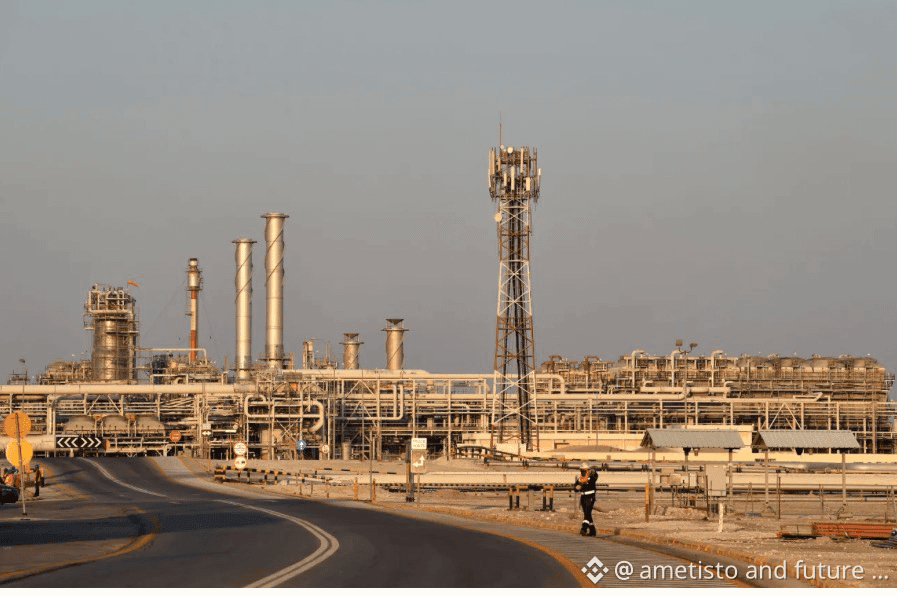
🇸🇦🛢️ Saudi Arabia could run out of oil for export within days
Saudi Arabia faces a new threat to its oil exports. The shutdown of its strategic East-West pipeline, following drone attacks, could leave the kingdom with just five to seven days of crude available for export in Yanbu if the flow is not restored quickly.
The pipeline, about 1,200 kilometers long, has become a critical piece of infrastructure because it allows transporting oil from the eastern fields of the country to the port of Yanbu on the Red Sea, bypassing the Strait of Hormuz. In recent months, it has been moving around 4 million barrels per day, nearly 4% of global supply.
The problem comes at the worst possible time. Oil flows through the Strait of Hormuz are already severely restricted by the regional conflict, while the Houthis have increased pressure on Red Sea and the Bab el-Mandeb shipping routes.
If the disruption lasts, the impact could be felt far beyond Saudi Arabia: less global supply, more expensive oil, and new inflationary pressure on fuels, transportation, and food.
The question now is how long it will take Riyadh to repair the pipeline and whether the conflict will allow alternative routes to remain open. The global energy market is operating with a shrinking safety margin.
Saudi Arabia faces a new threat to its oil exports. The shutdown of its strategic East-West pipeline, following drone attacks, could leave the kingdom with just five to seven days of crude available for export in Yanbu if the flow is not restored quickly.
The pipeline, about 1,200 kilometers long, has become a critical piece of infrastructure because it allows transporting oil from the eastern fields of the country to the port of Yanbu on the Red Sea, bypassing the Strait of Hormuz. In recent months, it has been moving around 4 million barrels per day, nearly 4% of global supply.
The problem comes at the worst possible time. Oil flows through the Strait of Hormuz are already severely restricted by the regional conflict, while the Houthis have increased pressure on Red Sea and the Bab el-Mandeb shipping routes.
If the disruption lasts, the impact could be felt far beyond Saudi Arabia: less global supply, more expensive oil, and new inflationary pressure on fuels, transportation, and food.
The question now is how long it will take Riyadh to repair the pipeline and whether the conflict will allow alternative routes to remain open. The global energy market is operating with a shrinking safety margin.