
乘风Sunshine
383 Posts

乘风Sunshine
币安合约现货永久八折返佣码:CFCF888 |X推特@KeShiqing57753|接KOL宣发&项目推广|
Frequent Trader
1.7 Years
360 Following
25.3K+ Followers
10.0K+ Liked
Posts
All
Quotes
Videos


心月势不可挡
·
--
BullishBeaches, sea waves, and seafood—
turn everyday life into a vacation.
turn everyday life into a vacation.



520龙行天下
·
--
Three things in the crypto world today: BTC breaks below 77,000, and the market is still digesting rate-hike expectations
LSK surged 500%+ the past two days—whether the chain is shut or not, it can still be traded
Tomorrow: the Federal Reserve meeting + the Senate voting on the CLARITY bill
Macroeconomics, regulation, and wild-card coins all on the table at the same time.
Whoever survives this week is the winner. First have some tea, then watch the charts. #币圈热点
LSK surged 500%+ the past two days—whether the chain is shut or not, it can still be traded
Tomorrow: the Federal Reserve meeting + the Senate voting on the CLARITY bill
Macroeconomics, regulation, and wild-card coins all on the table at the same time.
Whoever survives this week is the winner. First have some tea, then watch the charts. #币圈热点

寿山福禄Luffy
·
--
Every time I see this photo, I’m reminded of the Gobi Desert—and I just want to go back to that song, “My Loulan.”


DK短线复刻
·
--
Reply to receive red packets 🎁🎁

Flash闪光灯
·
--
BearishEvery day a package of福利, come follow me
🎁repost my pin post
Claim your gift🎁$ETH
🎁repost my pin post
Claim your gift🎁$ETH



王仔大王
·
--
What kind of abilities we have, we live the kind of life
No need to compete with others
Because people’s abilities differ
Different pursuits, different conditions
Don’t complain about the friction in life
And don’t chase a life that’s beyond your capabilities
The everyday bustle of the world—life isn’t easy
The greatest happiness in life is health and peace #AnthropicCEO呼吁放缓AI发展
No need to compete with others
Because people’s abilities differ
Different pursuits, different conditions
Don’t complain about the friction in life
And don’t chase a life that’s beyond your capabilities
The everyday bustle of the world—life isn’t easy
The greatest happiness in life is health and peace #AnthropicCEO呼吁放缓AI发展
静心1688
·
--
💥Misfortune lies in what gives rise to fortune; fortune also lies in what hides misfortune.
💥Explanation: Good fortune is concealed within calamity, and hidden within good fortune are lurking dangers. Misfortune and fortune transform into each other; there is no need for excessive joy or grief over gains and losses.
#代币化股票持有者增长619.1% #美国合众银行完成Stellar跨境支付试点
💥Explanation: Good fortune is concealed within calamity, and hidden within good fortune are lurking dangers. Misfortune and fortune transform into each other; there is no need for excessive joy or grief over gains and losses.
#代币化股票持有者增长619.1% #美国合众银行完成Stellar跨境支付试点
自由1688
·
--
Anthropic’s CEO Says the “China Factor” Is the Biggest Challenge in Slowing the AI Race
Debate in the artificial intelligence industry over whether development speed should be slowed is heating up rapidly, and China has been pushed to the center of this discussion. Recently, Dario Amodei, CEO of Anthropic, publicly stated that if the world attempts to set speed limits on AI development, the biggest practical challenge would not lie in the technology itself, but in how to deal with the possibility that competitive players such as China may continue to accelerate their efforts.
Debate in the artificial intelligence industry over whether development speed should be slowed is heating up rapidly, and China has been pushed to the center of this discussion. Recently, Dario Amodei, CEO of Anthropic, publicly stated that if the world attempts to set speed limits on AI development, the biggest practical challenge would not lie in the technology itself, but in how to deal with the possibility that competitive players such as China may continue to accelerate their efforts.

美国大总统
·
--
The U.S. restricts tankers from transiting through the Strait of Hormuz during air-defense windows
On September 12, Reuters reported that the United States has asked tankers transiting through the Strait of Hormuz to sail only during specific time windows to ensure military protection. Previously, Iran increased attacks on ships transiting at night. Since May, Washington has been providing air defense to vessels hoping to travel via a route close to the coast of Oman along the southern side of the strait, in order to counter Iranian attacks and keep some oil flowing out of the Gulf.
Shipowners must apply to the U.S. Naval Coordination and Guidance Service (NCAGS), which then provides crews with the coordinates to follow and allows them to transit during a wider nighttime time window, during which they can receive protection from U.S. aircraft. Emails sent from NCAGS to a maritime adviser show that this window was reduced to two specific daily time windows around early September, and ships are required to begin their transit at the specified times.
One email said they provide daily different recommended transit times, and ships are not required to follow them, but it is advised that they do. Another email said that given the threats faced by commercial vessels, “transiting during hours of darkness has been shown not to be the safest time of day.”


长得帅不如跑的快1688
·
--
🚨 Grayscale is making another ETF move — and this time it’s Litecoin.
Grayscale has filed updated paperwork with the SEC as it seeks to convert:
Grayscale Litecoin Trust (LTCN)
into the:
Grayscale Litecoin Trust ETF
with plans to list on NYSE Arca.
One important clarification:
⚠️ THIS IS NOT SEC APPROVAL.
The bigger question is:
WHY ARE MORE CRYPTO ASSETS BEING PACKAGED FOR WALL STREET?
Bitcoin went first.
Ethereum followed.
Now the ETF universe is expanding toward more crypto assets — including Litecoin.
And LTC is an interesting candidate.
It doesn’t have the hottest AI narrative.
It isn’t a new meme coin.
Some newer investors may even ask:
“Isn’t Litecoin an old-school crypto?”
Exactly.
From an institutional perspective, that history can actually matter.
⚪ Long operating history
⚪ Established Proof-of-Work network
⚪ Mature market infrastructure
⚪ Relatively straightforward regulatory profile
⚪ An existing Grayscale trust product: LTCN
So I’m not asking:
“HOW MUCH CAN LTC PUMP TODAY?”
I’m asking:
ARE CRYPTO ETFs EXPANDING BEYOND BTC AND ETH?
Think about the progression:
Phase 1 → BTC
Phase 2 → ETH
Phase 3 → LTC / SOL / XRP and more?
The long-term story isn’t one coin pumping 10%.
It’s traditional finance building more regulated doors into crypto.
Yesterday:
Exchange → Wallet → Private Keys → On-chain.
Tomorrow, millions of investors may simply:
OPEN A BROKERAGE ACCOUNT → BUY AN ETF.
Every time access becomes easier,
the potential capital pool becomes larger.
So when I see another Litecoin ETF filing,
I’m thinking beyond Litecoin.
AFTER BTC AND ETH, WHICH CRYPTO ASSETS GET THE NEXT SEATS ON WALL STREET’S SHELF?
👇 Pick ONE:
LTC / SOL / XRP?
#BTC #ETH #BNB
Grayscale has filed updated paperwork with the SEC as it seeks to convert:
Grayscale Litecoin Trust (LTCN)
into the:
Grayscale Litecoin Trust ETF
with plans to list on NYSE Arca.
One important clarification:
⚠️ THIS IS NOT SEC APPROVAL.
The bigger question is:
WHY ARE MORE CRYPTO ASSETS BEING PACKAGED FOR WALL STREET?
Bitcoin went first.
Ethereum followed.
Now the ETF universe is expanding toward more crypto assets — including Litecoin.
And LTC is an interesting candidate.
It doesn’t have the hottest AI narrative.
It isn’t a new meme coin.
Some newer investors may even ask:
“Isn’t Litecoin an old-school crypto?”
Exactly.
From an institutional perspective, that history can actually matter.
⚪ Long operating history
⚪ Established Proof-of-Work network
⚪ Mature market infrastructure
⚪ Relatively straightforward regulatory profile
⚪ An existing Grayscale trust product: LTCN
So I’m not asking:
“HOW MUCH CAN LTC PUMP TODAY?”
I’m asking:
ARE CRYPTO ETFs EXPANDING BEYOND BTC AND ETH?
Think about the progression:
Phase 1 → BTC
Phase 2 → ETH
Phase 3 → LTC / SOL / XRP and more?
The long-term story isn’t one coin pumping 10%.
It’s traditional finance building more regulated doors into crypto.
Yesterday:
Exchange → Wallet → Private Keys → On-chain.
Tomorrow, millions of investors may simply:
OPEN A BROKERAGE ACCOUNT → BUY AN ETF.
Every time access becomes easier,
the potential capital pool becomes larger.
So when I see another Litecoin ETF filing,
I’m thinking beyond Litecoin.
AFTER BTC AND ETH, WHICH CRYPTO ASSETS GET THE NEXT SEATS ON WALL STREET’S SHELF?
👇 Pick ONE:
LTC / SOL / XRP?
#BTC #ETH #BNB


大丽7613
·
--
#CPI数据来袭能否触发9月加息
🔥 CPI landing! Empty boots on the ground, btc ready to bounce
1. The CPI is out on schedule! 90% probability of an interest rate increase—an opportunity for BTC to hit 76k?
2. Focus! Core CPI exceeds expectations, and the real risk in the market isn’t this interest rate hike at all
3. Empty digestion? BTC hold at 76k. The rebound is coming.
🔥 CPI landing! Empty boots on the ground, btc ready to bounce
1. The CPI is out on schedule! 90% probability of an interest rate increase—an opportunity for BTC to hit 76k?
2. Focus! Core CPI exceeds expectations, and the real risk in the market isn’t this interest rate hike at all
3. Empty digestion? BTC hold at 76k. The rebound is coming.
光明社区-亮总
·
--
2025 is a turning point, 2026 is results-driven. For some, things take a nosedive; for others, they rise with the wind. Why run around in all directions? Brightness Community has everything you need.

最佳第6人
·
--
💰Sunlight on Golden Mountain—wealth in sight💰


静姐6888
·
--
Borrow peace from the mountains, and meet the gentleness of the world.
English translation: Borrow peace from the mountains, and meet the gentleness of the world.
English translation: Borrow peace from the mountains, and meet the gentleness of the world.


晚风Vesper_1688
·
--
🌙 As the night falls gently, let go of the clamor of the daytime dashboard 🍃
With the wind brushing the skirt, move freely and follow your own heart—so too is the trading journey 📊.
You don’t have to be swept up by short-term price swings; learn to accept the market’s ups and downs.
Hold on to your true self, don’t chase impatient fluctuations, and know when to slow your pace at the right time ✨.
Let your thoughts settle, manage your position steadily—good opportunities are worth waiting for patiently 💎.
May fellow travelers proceed calmly and confidently, heading toward your own cycle 🌌
#交易心理
#全网爆仓6.74亿美元
#1688家族family
With the wind brushing the skirt, move freely and follow your own heart—so too is the trading journey 📊.
You don’t have to be swept up by short-term price swings; learn to accept the market’s ups and downs.
Hold on to your true self, don’t chase impatient fluctuations, and know when to slow your pace at the right time ✨.
Let your thoughts settle, manage your position steadily—good opportunities are worth waiting for patiently 💎.
May fellow travelers proceed calmly and confidently, heading toward your own cycle 🌌
#交易心理
#全网爆仓6.74亿美元
#1688家族family


全球零撸达人
·
--
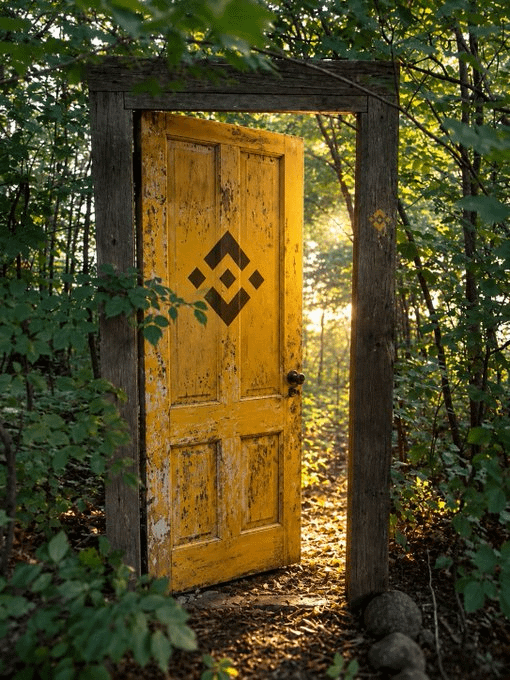
Good morning, push open the door to the world🌟$BTC 🧧🧧🧧

橙子Joyce
·
--
BullishApple’s new CEO John Ternus first publicly outlines his product philosophy, sketching an “Apple in the Ternus era” for the outside world.
Engineers take the helm; the roadmap leaves him “immensely excited”
Ternus officially assumed the role of Apple CEO last week, becoming the highest-ranking leader in Apple’s history with an engineering background. In an exclusive interview, he admitted that for someone steering “one of the world’s most important companies,” the feeling inside him is “excitement that makes the hair stand on end.”
Asked about expectations that his engineering background would “rekindle innovation” at Apple, Ternus did not directly accept that premise. Instead, he stressed that Apple’s innovation has never stopped, and that the new opportunities brought by AI are the biggest driving force right now.
Apple chose to enter the foldable-screen race only after the market matured, reflecting Ternus’s engineering philosophy—prefer to endure the criticism of being “late,” but wait until the durability of the hinge, slimmer design, and system-level interactions are polished to an industrial-grade level before launching into the market.
iPhone’s position is unshaken; Apple reiterates its “personal hub” strategy
Against the backdrop of intensifying competition in AI wearable devices, Ternus clearly rejected the market interpretation that “Apple is shifting its strategic focus from phones to wearables.”
Apple Watch and AirPods are excellent AI devices, but their positioning is as an auxiliary ecosystem built around the iPhone—not a replacement.
Privacy built into the chip, targeting controversy in the wearable market
When asked about the privacy concerns sparked by Meta AI glasses, Ternus pointed to the latest audio-intelligence features released on Apple Watch to explain how Apple’s privacy protections are implemented at the hardware-architecture level.
According to Apple, the feature generates no audio recordings, does not retain text transcriptions, and not even the user themselves can retrieve the data. To achieve this, Apple designed a brand-new chip for the new Apple Watch, embedding an independent secure enclave (exclave). Audio data exists only at the instant it is processed, and is then destroyed.
Jazz, Apple’s senior vice president of hardware engineering, added:
“If we don’t generate a recording, then no one will have a recording. It can’t be attacked by hackers, and it can’t be forcibly retrieved.”
This design logic directly addresses public concerns that AI-driven voice recording-type features may infringe on users’ privacy.
$AAPL.US
Long-term investment in Apple stock
Engineers take the helm; the roadmap leaves him “immensely excited”
Ternus officially assumed the role of Apple CEO last week, becoming the highest-ranking leader in Apple’s history with an engineering background. In an exclusive interview, he admitted that for someone steering “one of the world’s most important companies,” the feeling inside him is “excitement that makes the hair stand on end.”
Asked about expectations that his engineering background would “rekindle innovation” at Apple, Ternus did not directly accept that premise. Instead, he stressed that Apple’s innovation has never stopped, and that the new opportunities brought by AI are the biggest driving force right now.
Apple chose to enter the foldable-screen race only after the market matured, reflecting Ternus’s engineering philosophy—prefer to endure the criticism of being “late,” but wait until the durability of the hinge, slimmer design, and system-level interactions are polished to an industrial-grade level before launching into the market.
iPhone’s position is unshaken; Apple reiterates its “personal hub” strategy
Against the backdrop of intensifying competition in AI wearable devices, Ternus clearly rejected the market interpretation that “Apple is shifting its strategic focus from phones to wearables.”
Apple Watch and AirPods are excellent AI devices, but their positioning is as an auxiliary ecosystem built around the iPhone—not a replacement.
Privacy built into the chip, targeting controversy in the wearable market
When asked about the privacy concerns sparked by Meta AI glasses, Ternus pointed to the latest audio-intelligence features released on Apple Watch to explain how Apple’s privacy protections are implemented at the hardware-architecture level.
According to Apple, the feature generates no audio recordings, does not retain text transcriptions, and not even the user themselves can retrieve the data. To achieve this, Apple designed a brand-new chip for the new Apple Watch, embedding an independent secure enclave (exclave). Audio data exists only at the instant it is processed, and is then destroyed.
Jazz, Apple’s senior vice president of hardware engineering, added:
“If we don’t generate a recording, then no one will have a recording. It can’t be attacked by hackers, and it can’t be forcibly retrieved.”
This design logic directly addresses public concerns that AI-driven voice recording-type features may infringe on users’ privacy.
$AAPL.US
Long-term investment in Apple stock

湖南交易员之家
·
--
Bullish$牛来 •“Super Central Bank Week” arrives this week, with markets focused on the Fed’s interest rate decision
•Hassett: Trump and himself both believe there is no reason to raise rates
•Iran and Gulf states have postponed the meeting originally scheduled for September 14
•Sources say an interruption to the Saudi pipeline could result in a global loss equivalent to 4% of oil supply
•Negative for AI trading: OpenAI will not go public this year; the three tech giants slow down their AI development pace
•Korean stock market opens for an overnight session today, with trading extended until 8:00 PM #AnthropicCEO呼吁放缓AI发展
•Hassett: Trump and himself both believe there is no reason to raise rates
•Iran and Gulf states have postponed the meeting originally scheduled for September 14
•Sources say an interruption to the Saudi pipeline could result in a global loss equivalent to 4% of oil supply
•Negative for AI trading: OpenAI will not go public this year; the three tech giants slow down their AI development pace
•Korean stock market opens for an overnight session today, with trading extended until 8:00 PM #AnthropicCEO呼吁放缓AI发展
光明社区-阿波罗
·
--
Rushing to mountains and seas, collecting every inch of light, letting beauty happen naturally in the scenery.
Chase mountains and shores, capture every ray, let beauty unfold naturally.
Chase mountains and shores, capture every ray, let beauty unfold naturally.

Log in to explore more content