

VIRUS-逍遥
108 Posts

VIRUS-逍遥
Report
Block User
相信国家,相信党,相信爱情没有好下场
Frequent Trader
2.4 Years
108 Following
18.7K+ Followers
6.5K+ Liked
Posts
All
Videos
Live
PINNED
PINNED
·
--
Article
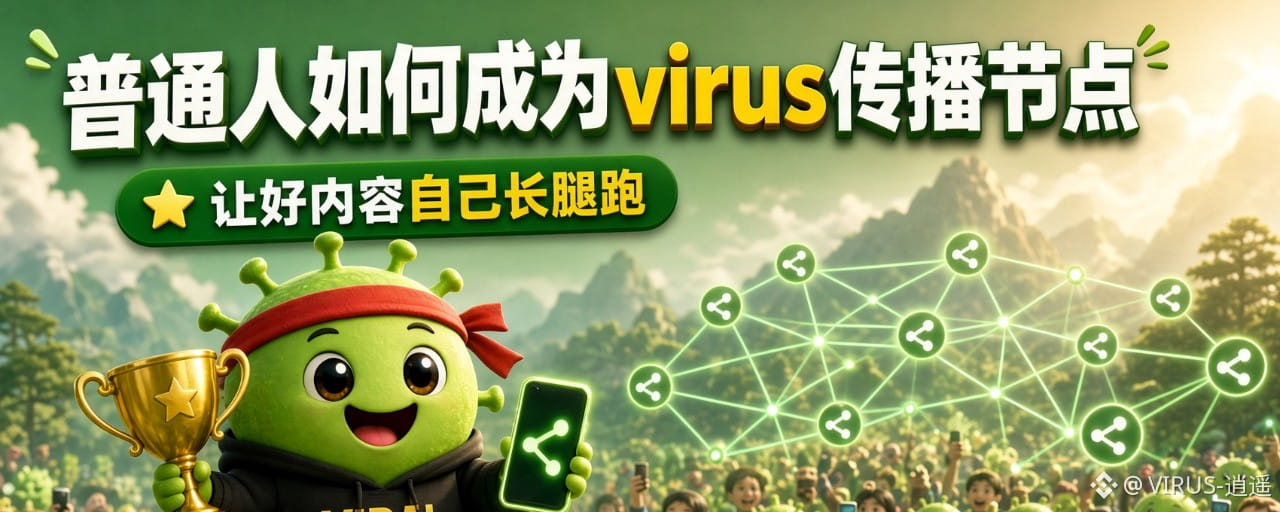
🧧 From Token Holders to Builders: How Ordinary People Become Virus Propagation Nodes?In many crypto communities, “token holders” are often understood as waiters.
Buy, put it in your wallet, watch the price, and wait for the market move.
Excited when prices are rising, anxious when they pull back, and gradually losing its voice once the market calms down.
But a truly vibrant community can’t be made up only of a group of people waiting for results. It needs more and more ordinary members to move from passive holding to active participation, from information recipients to value creators.
For Virus, this transition is especially important.
Because what Virus wants to build is not just a group of token holders, but a cultural network that can spread itself, create itself, and expand itself.
🧧 From Token Holders to Builders: How Ordinary People Become Virus Propagation Nodes?
In many crypto communities, “token holders” are often understood as waiters.
Buy, put it in your wallet, watch the price, and wait for the market move.
Excited when prices are rising, anxious when they pull back, and gradually losing its voice once the market calms down.
But a truly vibrant community can’t be made up only of a group of people waiting for results. It needs more and more ordinary members to move from passive holding to active participation, from information recipients to value creators.
For Virus, this transition is especially important.
Because what Virus wants to build is not just a group of token holders, but a cultural network that can spread itself, create itself, and expand itself.
Buy, put it in your wallet, watch the price, and wait for the market move.
Excited when prices are rising, anxious when they pull back, and gradually losing its voice once the market calms down.
But a truly vibrant community can’t be made up only of a group of people waiting for results. It needs more and more ordinary members to move from passive holding to active participation, from information recipients to value creators.
For Virus, this transition is especially important.
Because what Virus wants to build is not just a group of token holders, but a cultural network that can spread itself, create itself, and expand itself.
1.6k
4
67
1.6k
·
--
🧧🧧 It’s okay to slack off sometimes in life—just don’t ever give up! May you eat well and drink well, make plenty of money, and have every effort pay off. May happiness never be late ✨
🧧🧧 It’s okay to slack off sometimes in life—just don’t ever give up! May you eat well and drink well, make plenty of money, and have every effort pay off. May happiness never be late ✨

80
9
314
·
--
At midnight, his ex-girlfriend asked, “Now, what you can’t let go of the most—me, or Virus?” His answer was flawless.
At 1 a.m., his ex suddenly sent a message:
“I heard you’re still sticking with Virus. Tell me—what can’t you let go of, me or it?”
He stared at the screen for a long time, then replied:
“You’re not the same.”
The ex pressed, “How are we different?”
He said:
“After you left, you blocked me. But Virus’s contract records are still publicly left on-chain.”
The other person fell silent for five minutes, then asked:
“So you think it will definitely succeed?”
He answered:
“I can’t say for sure. The total supply, permissions, black hole address, and buyback records can all be verified; as for future price and outcomes, no one can guarantee them.”
The ex asked again:
“Then why are you still building?”
He said:
“Because what truly keeps me here isn’t just a token anymore. There are the partners who stayed when we hit rock bottom, the daily 8:30 p.m. livestream, the ever-growing content, and the goals everyone is getting ready to achieve together.”
The next day, his ex didn’t ask to get back together.
She simply entered the livestream and left a line:
“Let’s not talk about feelings for now, and don’t talk about price either. I want to hear what Virus is really doing.”
The highest form of dissemination isn’t forcing others to be convinced.
It’s making people who weren’t paying attention in the first place willing to ask the first question on their own.
#Virus #创意故事 #社区传播
At midnight, his ex-girlfriend asked, “Now, what you can’t let go of the most—me, or Virus?” His answer was flawless.
At 1 a.m., his ex suddenly sent a message:
“I heard you’re still sticking with Virus. Tell me—what can’t you let go of, me or it?”
He stared at the screen for a long time, then replied:
“You’re not the same.”
The ex pressed, “How are we different?”
He said:
“After you left, you blocked me. But Virus’s contract records are still publicly left on-chain.”
The other person fell silent for five minutes, then asked:
“So you think it will definitely succeed?”
He answered:
“I can’t say for sure. The total supply, permissions, black hole address, and buyback records can all be verified; as for future price and outcomes, no one can guarantee them.”
The ex asked again:
“Then why are you still building?”
He said:
“Because what truly keeps me here isn’t just a token anymore. There are the partners who stayed when we hit rock bottom, the daily 8:30 p.m. livestream, the ever-growing content, and the goals everyone is getting ready to achieve together.”
The next day, his ex didn’t ask to get back together.
She simply entered the livestream and left a line:
“Let’s not talk about feelings for now, and don’t talk about price either. I want to hear what Virus is really doing.”
The highest form of dissemination isn’t forcing others to be convinced.
It’s making people who weren’t paying attention in the first place willing to ask the first question on their own.
#Virus #创意故事 #社区传播
At 1 a.m., his ex suddenly sent a message:
“I heard you’re still sticking with Virus. Tell me—what can’t you let go of, me or it?”
He stared at the screen for a long time, then replied:
“You’re not the same.”
The ex pressed, “How are we different?”
He said:
“After you left, you blocked me. But Virus’s contract records are still publicly left on-chain.”
The other person fell silent for five minutes, then asked:
“So you think it will definitely succeed?”
He answered:
“I can’t say for sure. The total supply, permissions, black hole address, and buyback records can all be verified; as for future price and outcomes, no one can guarantee them.”
The ex asked again:
“Then why are you still building?”
He said:
“Because what truly keeps me here isn’t just a token anymore. There are the partners who stayed when we hit rock bottom, the daily 8:30 p.m. livestream, the ever-growing content, and the goals everyone is getting ready to achieve together.”
The next day, his ex didn’t ask to get back together.
She simply entered the livestream and left a line:
“Let’s not talk about feelings for now, and don’t talk about price either. I want to hear what Virus is really doing.”
The highest form of dissemination isn’t forcing others to be convinced.
It’s making people who weren’t paying attention in the first place willing to ask the first question on their own.
#Virus #创意故事 #社区传播

67
1
9
265
·
--
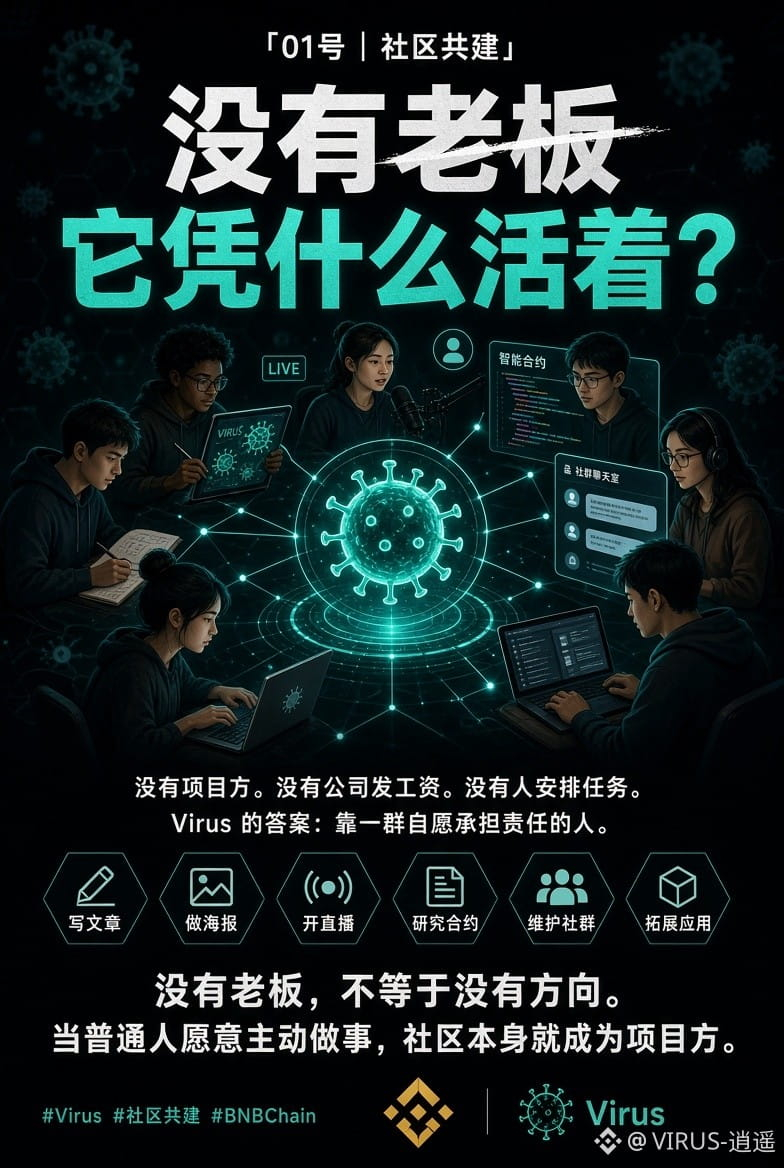
【Without a boss, what does it live on?】
If a token has no traditional project team, no company paying salaries, and no boss assigning tasks, what does it rely on to keep building continuously?
The answer Virus gives is: a group of people who voluntarily take responsibility.
Some write articles, some make posters, some go live, some research contracts, some maintain the community, and some expand applications.
Having no boss doesn’t mean having no direction.
As more and more ordinary people are willing to take initiative and do things, the community itself becomes the project team.
#Virus #社区共建 #BNBChain
【Without a boss, what does it live on?】
If a token has no traditional project team, no company paying salaries, and no boss assigning tasks, what does it rely on to keep building continuously?
The answer Virus gives is: a group of people who voluntarily take responsibility.
Some write articles, some make posters, some go live, some research contracts, some maintain the community, and some expand applications.
Having no boss doesn’t mean having no direction.
As more and more ordinary people are willing to take initiative and do things, the community itself becomes the project team.
#Virus #社区共建 #BNBChain
If a token has no traditional project team, no company paying salaries, and no boss assigning tasks, what does it rely on to keep building continuously?
The answer Virus gives is: a group of people who voluntarily take responsibility.
Some write articles, some make posters, some go live, some research contracts, some maintain the community, and some expand applications.
Having no boss doesn’t mean having no direction.
As more and more ordinary people are willing to take initiative and do things, the community itself becomes the project team.
#Virus #社区共建 #BNBChain
233
1
12
346
·
--
Article
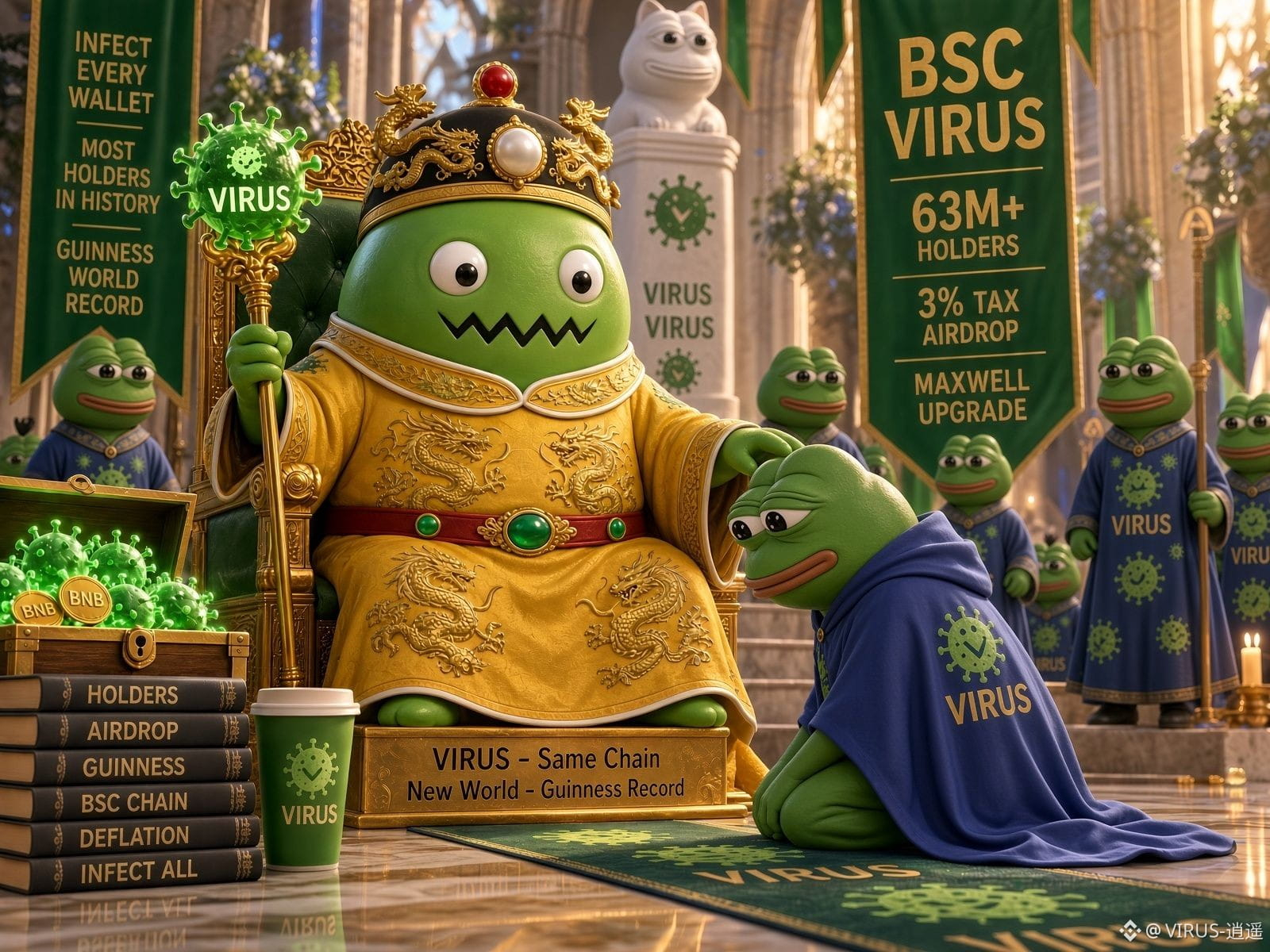
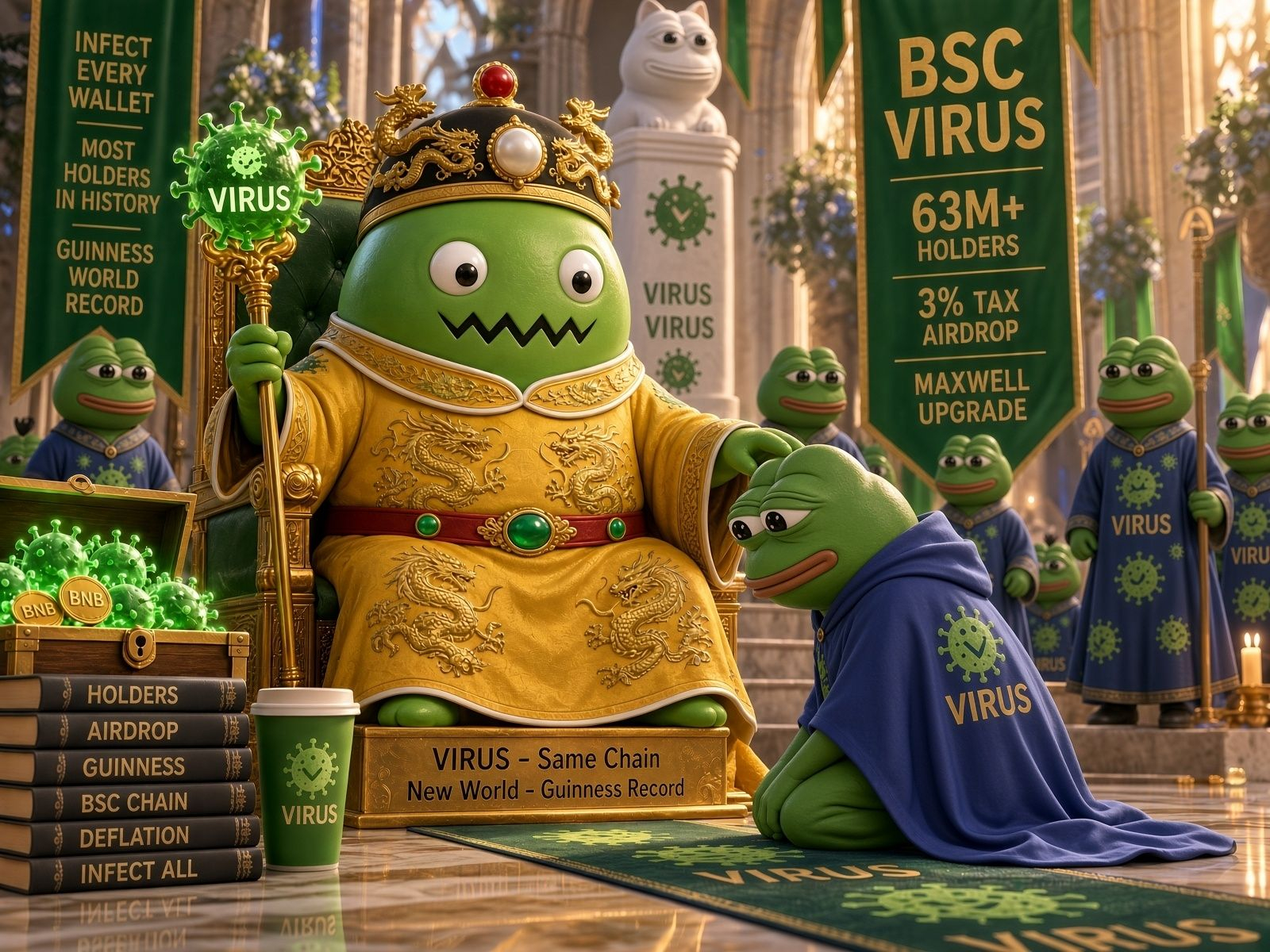
$VIRUS: Not just another Meme—a live experiment spreading across the whole chainMost memes rely on storytelling, hype calls, and fleeting attention. $VIRUS takes another path—by writing “propagation” into the contract, so that every buy and sell becomes fuel for spread.
It fair-launches on Flap, with no presale and no team allocation. Leveraging the much lower Gas after BSC Maxwell hard forks, the contract charges a 3% tax on both buys and sells, automatically repurchases tokens, and then randomly air-drops to on-chain wallets. With each transaction, the entire chain gets one more chance to be “infected.” Large amounts of airdrops go to dormant addresses, which is essentially continuous deflation. When the price falls, it automatically adds support via token destruction; when the price rises, it automatically amplifies demand via token destruction. The mechanism itself simultaneously does two things: it increases the number of token holders and raises the floor.
$VIRUS: Not just another Meme—a live experiment spreading across the whole chain
Most memes rely on storytelling, hype calls, and fleeting attention. $VIRUS takes another path—by writing “propagation” into the contract, so that every buy and sell becomes fuel for spread.
It fair-launches on Flap, with no presale and no team allocation. Leveraging the much lower Gas after BSC Maxwell hard forks, the contract charges a 3% tax on both buys and sells, automatically repurchases tokens, and then randomly air-drops to on-chain wallets. With each transaction, the entire chain gets one more chance to be “infected.” Large amounts of airdrops go to dormant addresses, which is essentially continuous deflation. When the price falls, it automatically adds support via token destruction; when the price rises, it automatically amplifies demand via token destruction. The mechanism itself simultaneously does two things: it increases the number of token holders and raises the floor.
It fair-launches on Flap, with no presale and no team allocation. Leveraging the much lower Gas after BSC Maxwell hard forks, the contract charges a 3% tax on both buys and sells, automatically repurchases tokens, and then randomly air-drops to on-chain wallets. With each transaction, the entire chain gets one more chance to be “infected.” Large amounts of airdrops go to dormant addresses, which is essentially continuous deflation. When the price falls, it automatically adds support via token destruction; when the price rises, it automatically amplifies demand via token destruction. The mechanism itself simultaneously does two things: it increases the number of token holders and raises the floor.
84
1
8
271
·
--
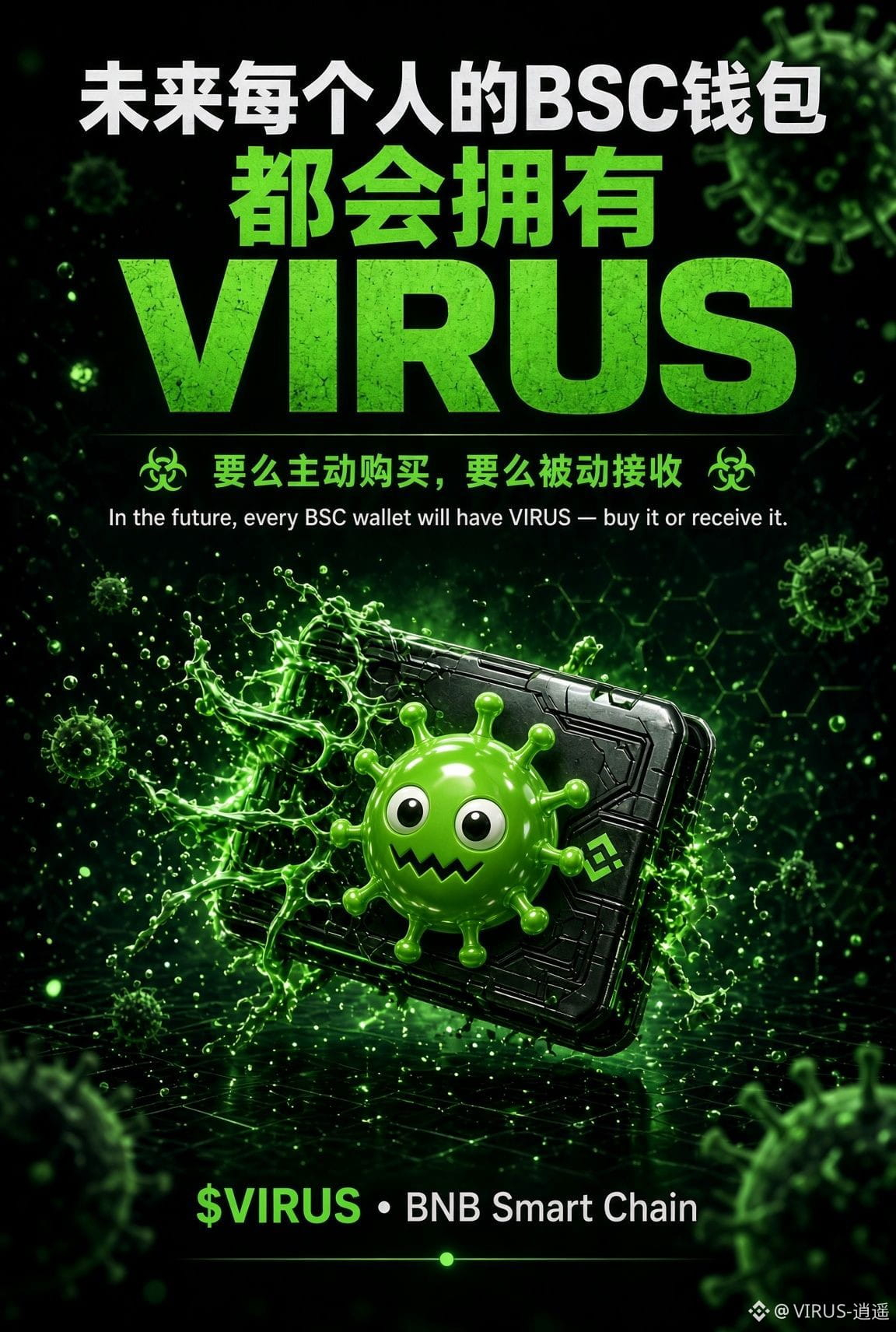
【The Old OG of 2025】
The meme market is never short of new projects. What’s truly scarce are the old projects that, even after going through a full cycle, still have people building.
Virus has made it from 2025 to today—going through periods of hype and also long, sustained slumps.
Prices can stay quiet, but building can’t stop.
#Virus #BNBChain #长期建设
【The Old OG of 2025】
The meme market is never short of new projects. What’s truly scarce are the old projects that, even after going through a full cycle, still have people building.
Virus has made it from 2025 to today—going through periods of hype and also long, sustained slumps.
Prices can stay quiet, but building can’t stop.
#Virus #BNBChain #长期建设
The meme market is never short of new projects. What’s truly scarce are the old projects that, even after going through a full cycle, still have people building.
Virus has made it from 2025 to today—going through periods of hype and also long, sustained slumps.
Prices can stay quiet, but building can’t stop.
#Virus #BNBChain #长期建设
124
13
273
·
--
🧧🧧Someone says the Virus looks like a champion.
But a true champion isn’t the moment you put on the crown—it’s when there’s no applause, when the market is quiet, yet someone still studies the data, creates content, and builds a community.
A champion isn’t something you shout about—it’s something you build step by step.
#virus #bnb #长期建设
🧧🧧Someone says the Virus looks like a champion.
But a true champion isn’t the moment you put on the crown—it’s when there’s no applause, when the market is quiet, yet someone still studies the data, creates content, and builds a community.
A champion isn’t something you shout about—it’s something you build step by step.
#virus #bnb #长期建设
But a true champion isn’t the moment you put on the crown—it’s when there’s no applause, when the market is quiet, yet someone still studies the data, creates content, and builds a community.
A champion isn’t something you shout about—it’s something you build step by step.
#virus #bnb #长期建设

379
2
25
403
·
--
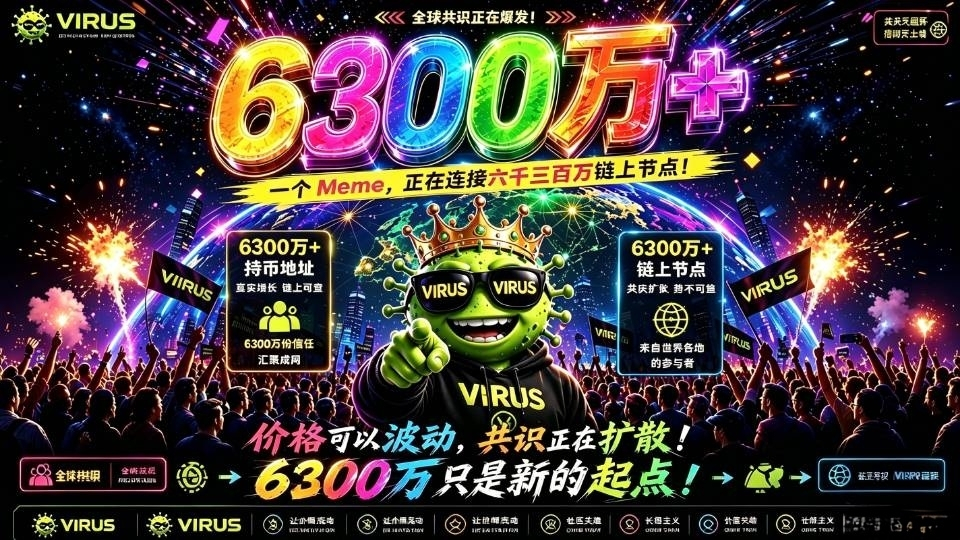
🎙️ 63 million address new starting point: building consensus, and creating a global Meme culture
End
02 h 14 m 07 s
1.3k
3
5
·
--
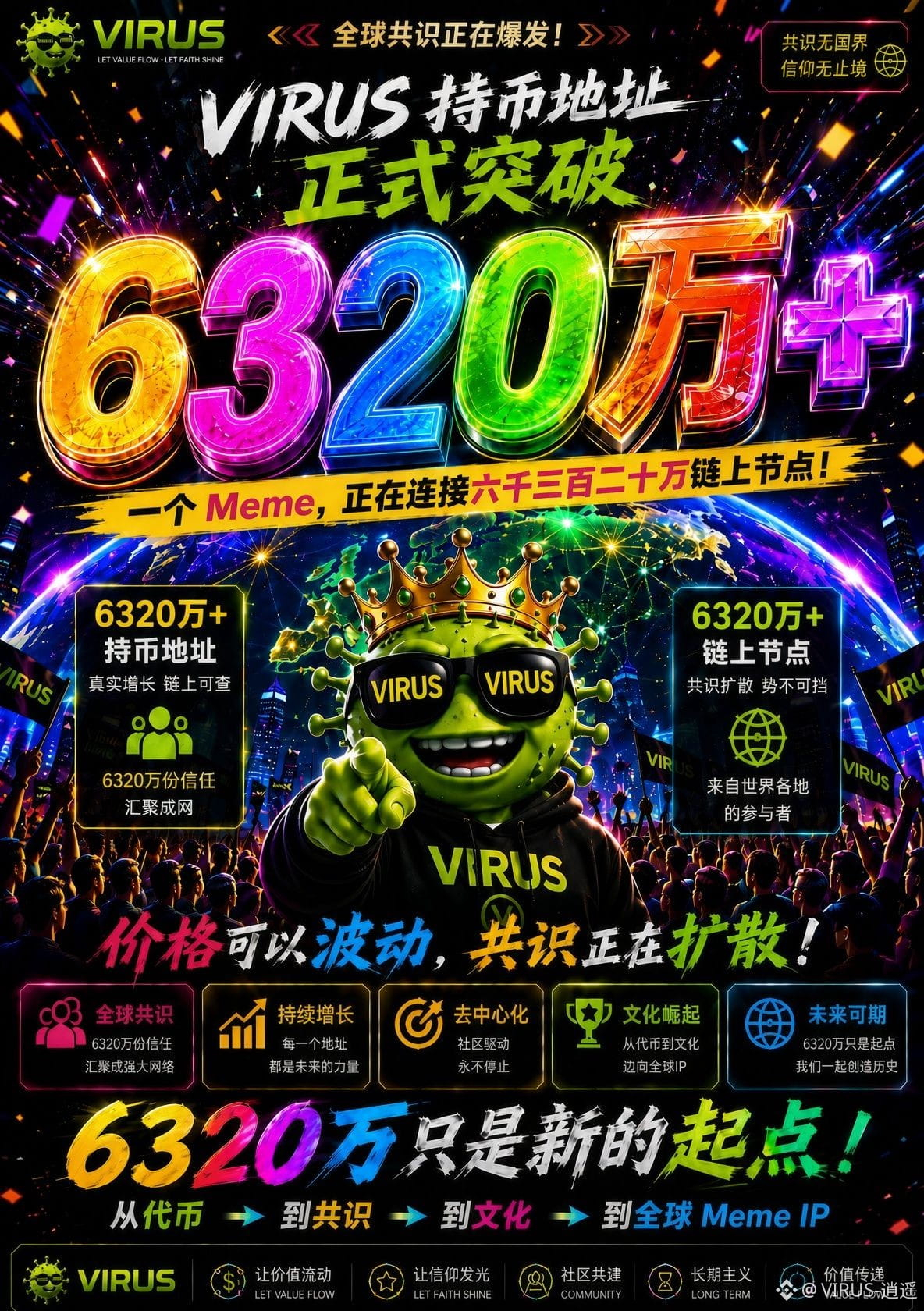
Just now, according to the latest on-chain statistics from the Virus community, the number of token-holding addresses has officially exceeded 63.2 million!
This isn’t just a number—it’s a continuously expanding on-chain network. Price follows today’s records; address growth drives the spread; and development shapes the future.
Let’s get Virus moving, and let’s spread Virus!
#Virus #BNB #链上数据
Just now, according to the latest on-chain statistics from the Virus community, the number of token-holding addresses has officially exceeded 63.2 million!
This isn’t just a number—it’s a continuously expanding on-chain network. Price follows today’s records; address growth drives the spread; and development shapes the future.
Let’s get Virus moving, and let’s spread Virus!
#Virus #BNB #链上数据
This isn’t just a number—it’s a continuously expanding on-chain network. Price follows today’s records; address growth drives the spread; and development shapes the future.
Let’s get Virus moving, and let’s spread Virus!
#Virus #BNB #链上数据
1.7k
2
65
1.7k
·
--
🧧🧧Trading isn’t about the number of moves, it’s about composure. Endure market fluctuations, seize opportunities—surviving is the way to go long-term.
🧧🧧Trading isn’t about the number of moves, it’s about composure. Endure market fluctuations, seize opportunities—surviving is the way to go long-term.
175
15
329
·
--
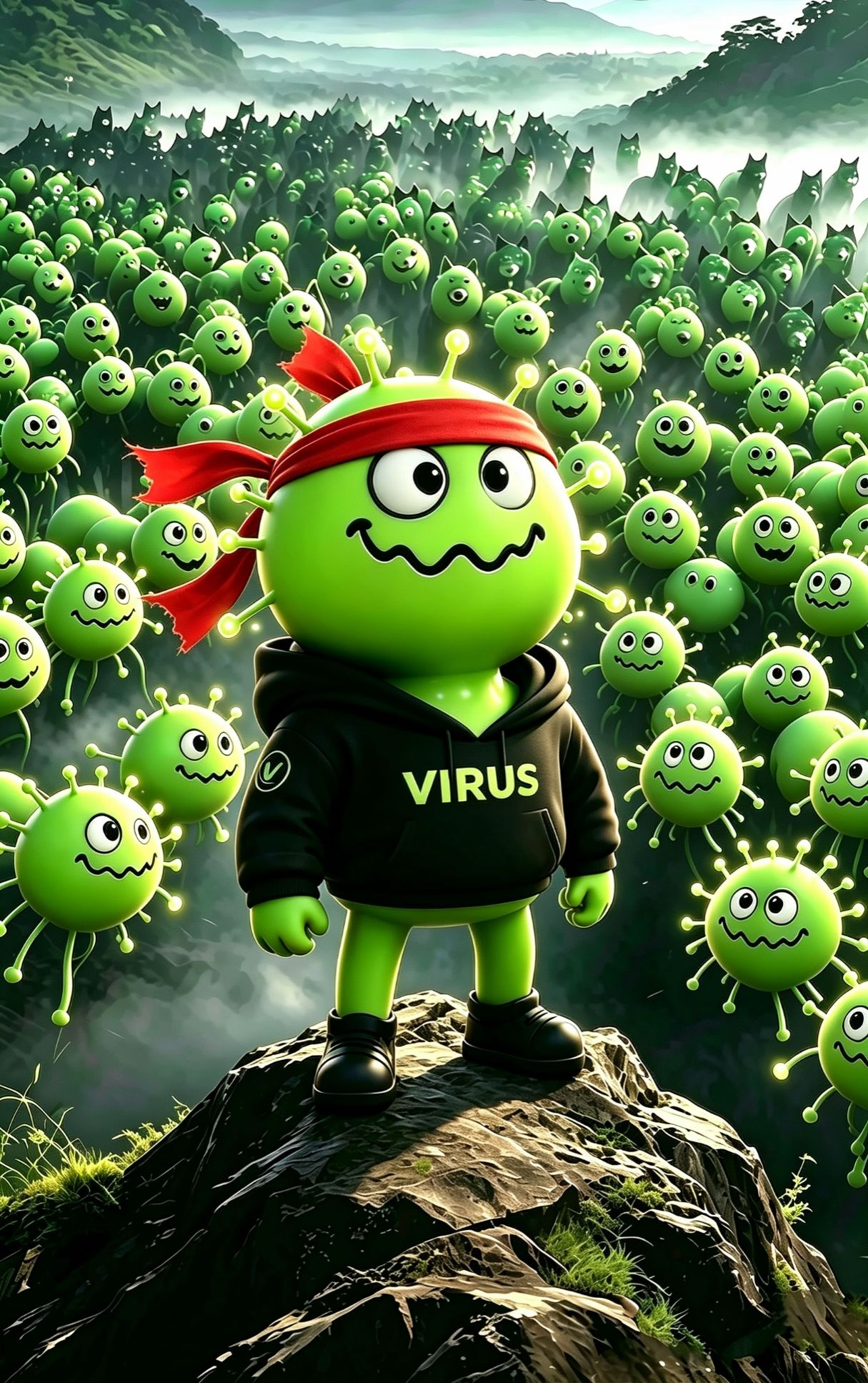
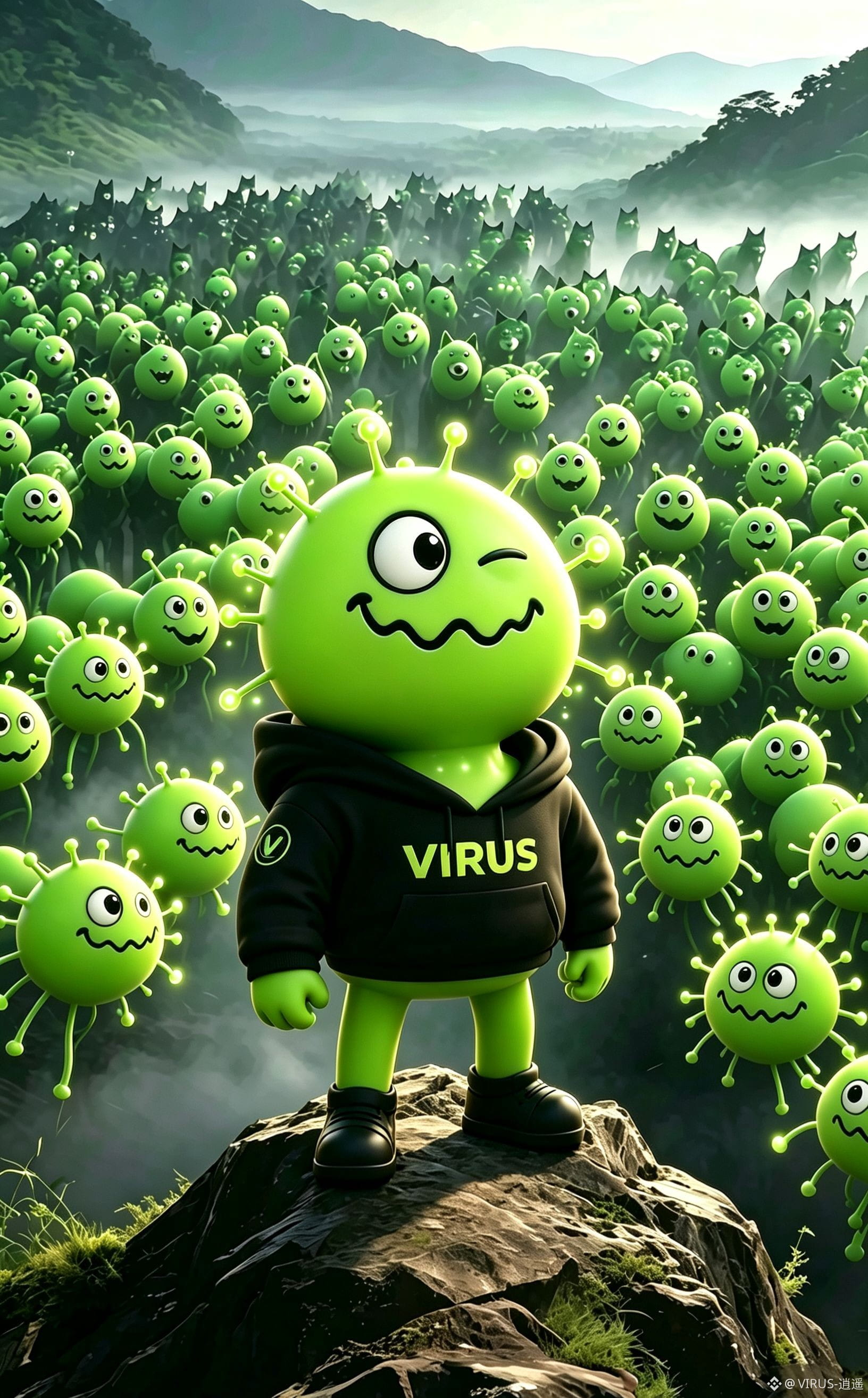
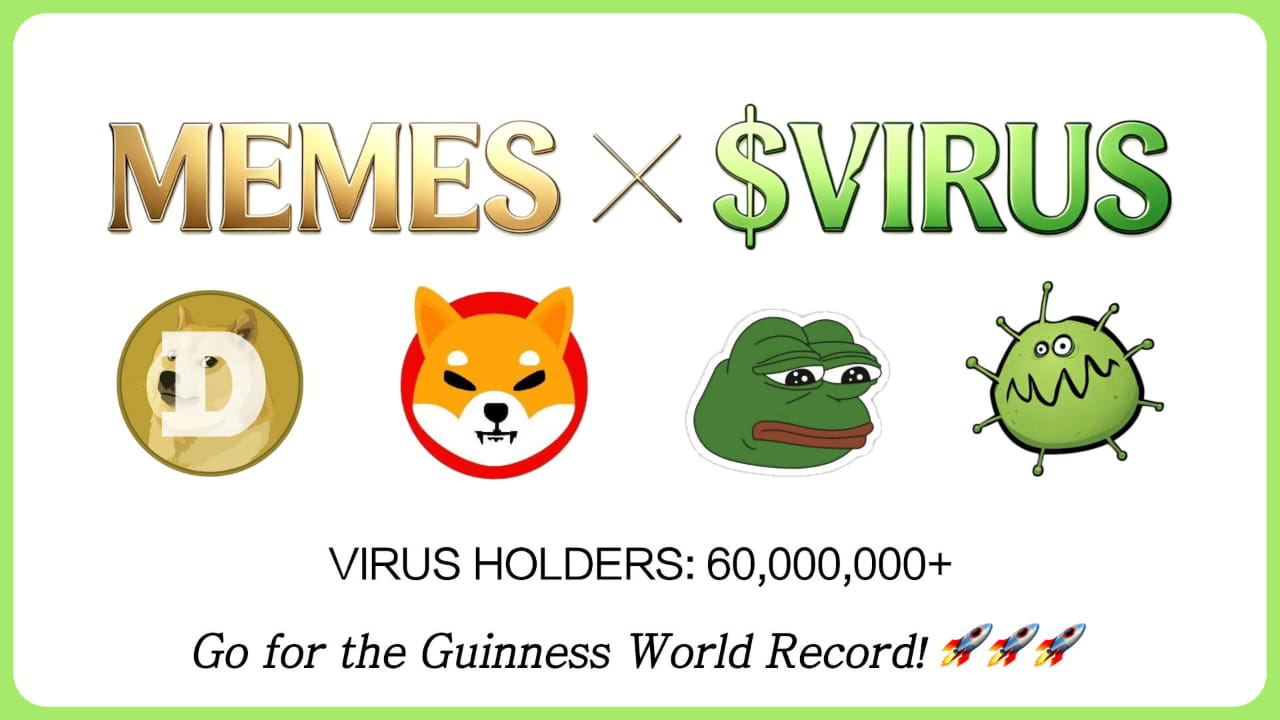
Alone stands atop the mountain, while countless comrades gather behind. The virus wave surges in—united in purpose, we forge ahead together to challenge a new summit 🚀
Alone stands atop the mountain, while countless comrades gather behind. The virus wave surges in—united in purpose, we forge ahead together to challenge a new summit 🚀
769
8
48
769
·
--
🎙️ Meme Breakthrough: Viral Celebration, Building a New Community Record

End
02 h 53 m 09 s
2.2k
5
1
·
--
Partly True
Article
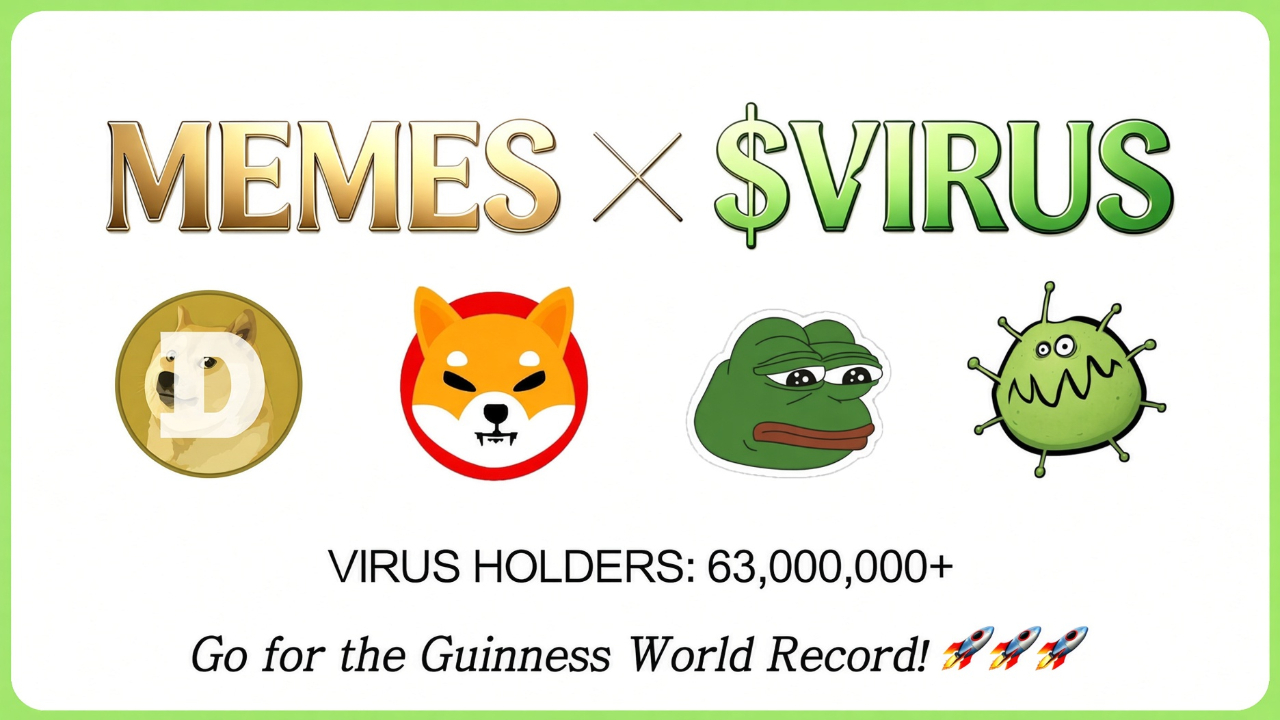
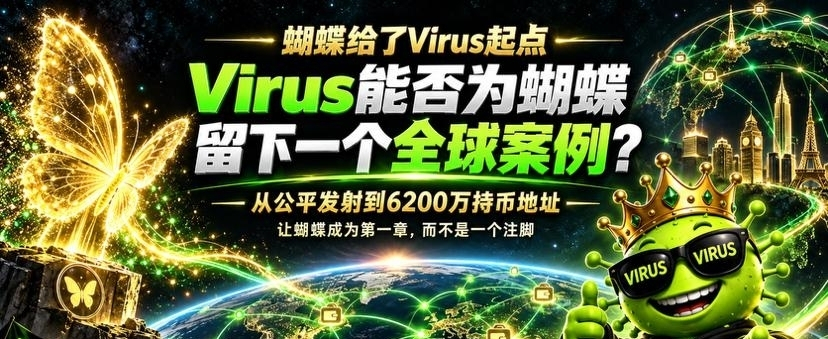
Did the butterfly give Virus a starting point—can Virus leave a global case study for the butterfly?A great platform opens the door, and a great community writes the starting point into history.
To measure the value of a token launch platform, you can't just look at how many projects it has launched, nor can you only look at how much trading volume it generated on a single day.
The moment when a platform truly has historical weight is years later, when people talk about a project that went global and they still clearly remember:
Where did it originate?
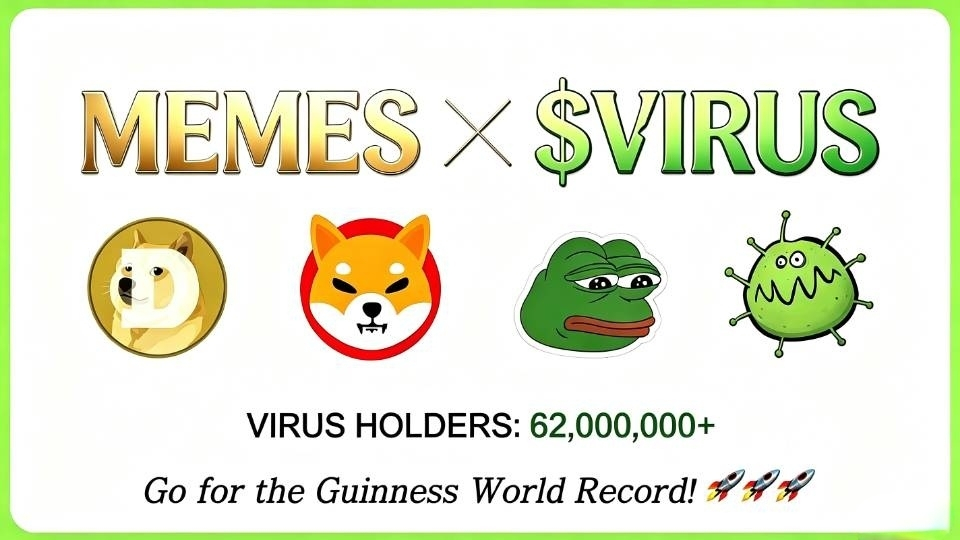
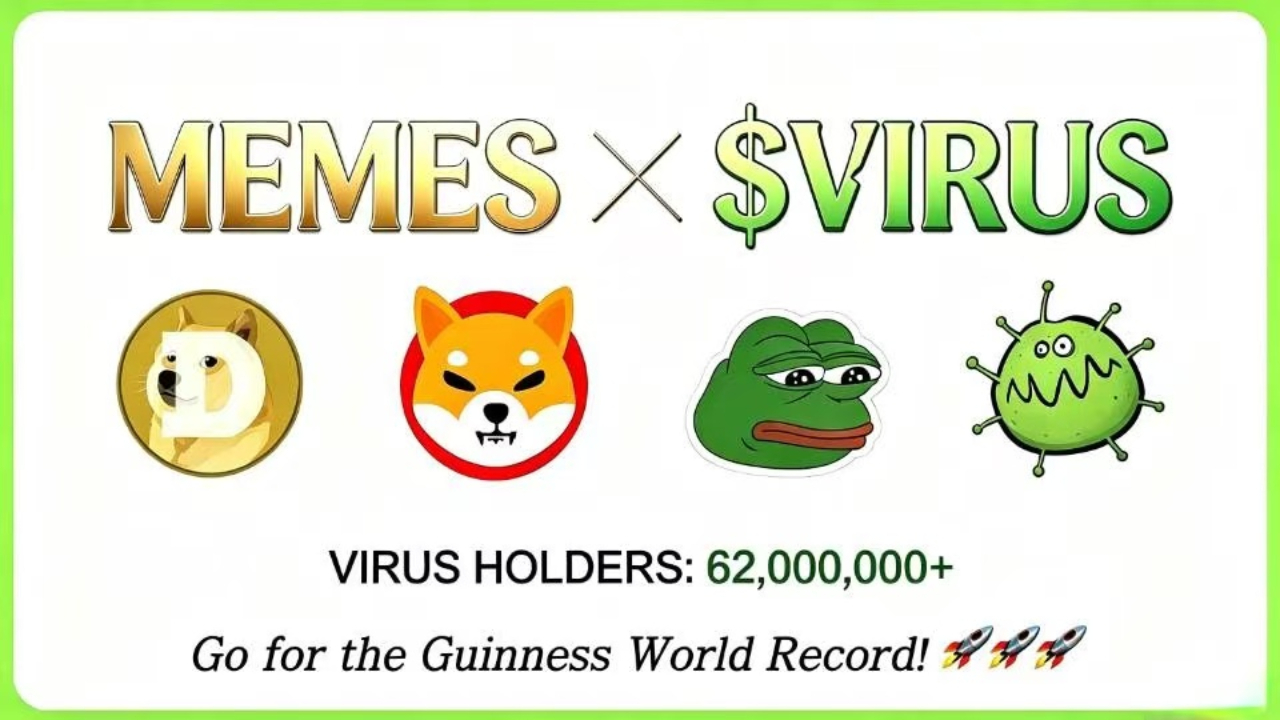
Dogecoin made people remember community culture.
Shib showed people the power of decentralized organizations.
Pepe proved that internet symbols can travel across languages.
Did the butterfly give Virus a starting point—can Virus leave a global case study for the butterfly?
A great platform opens the door, and a great community writes the starting point into history.
To measure the value of a token launch platform, you can't just look at how many projects it has launched, nor can you only look at how much trading volume it generated on a single day.
The moment when a platform truly has historical weight is years later, when people talk about a project that went global and they still clearly remember:
Where did it originate?
Dogecoin made people remember community culture.
Shib showed people the power of decentralized organizations.
Pepe proved that internet symbols can travel across languages.
To measure the value of a token launch platform, you can't just look at how many projects it has launched, nor can you only look at how much trading volume it generated on a single day.
The moment when a platform truly has historical weight is years later, when people talk about a project that went global and they still clearly remember:
Where did it originate?
Dogecoin made people remember community culture.
Shib showed people the power of decentralized organizations.
Pepe proved that internet symbols can travel across languages.
1.2k
9
84
1.2k
Log in to explore more content
Join global crypto users on Binance Square
⚡️ Get latest and useful information about crypto.
💬 Trusted by the world’s largest crypto exchange.
👍 Discover real insights from verified creators.
Email / Phone number
Trending Topics
CircleMints500MUSDCOnSolana
4 views
35 Discussing
#CircleMints500MUSDCOnSolana
🚨 JUST IN: Circle Mints $500M USDC on Solana.
💰 $500 MILLION in fresh USDC liquidity has been minted on Solana.
Why it matters 👇
• More stablecoin liquidity entering the Solana ecosystem
• Potentially deeper DEX liquidity
• More capital available for DeFi and payments
• Solana’s stablecoin supply is already near record levels
🔥 Is this fresh liquidity preparing for the **next crypto move**?
Bullish for SOL? 👀
#Circle #USDC #Solana $SOL
Faizan Crypto Learner
·0 Likes
·30 views
PolymarketBankFailureBetsDrawFDICConcern
7,795 views
313 Discussing
BlackRockBuildsTokenizedPortfoliosForOndo
5,877 views
220 Discussing