Day 25: Economic Data — Why the FX Market Follows U.S. Data
Beginner questions in forex are often: When crypto prices move that fast, who’s calling the shots?
The answer is hidden in a table called the Economic Data Calendar.
It’s not mysticism—it's economic statistics.
Three biggest U.S. data releases:
1. CPI (inflation rate): How much prices are rising—whether the central bank needs to hike rates
2. FOMC (Fed rate decision): Interest rates and the dot plot directly set the tone
3. Non-Farm Payrolls (new jobs): How fast the U.S. economic engine is running
Why does the U.S. dollar influence global currencies so much?
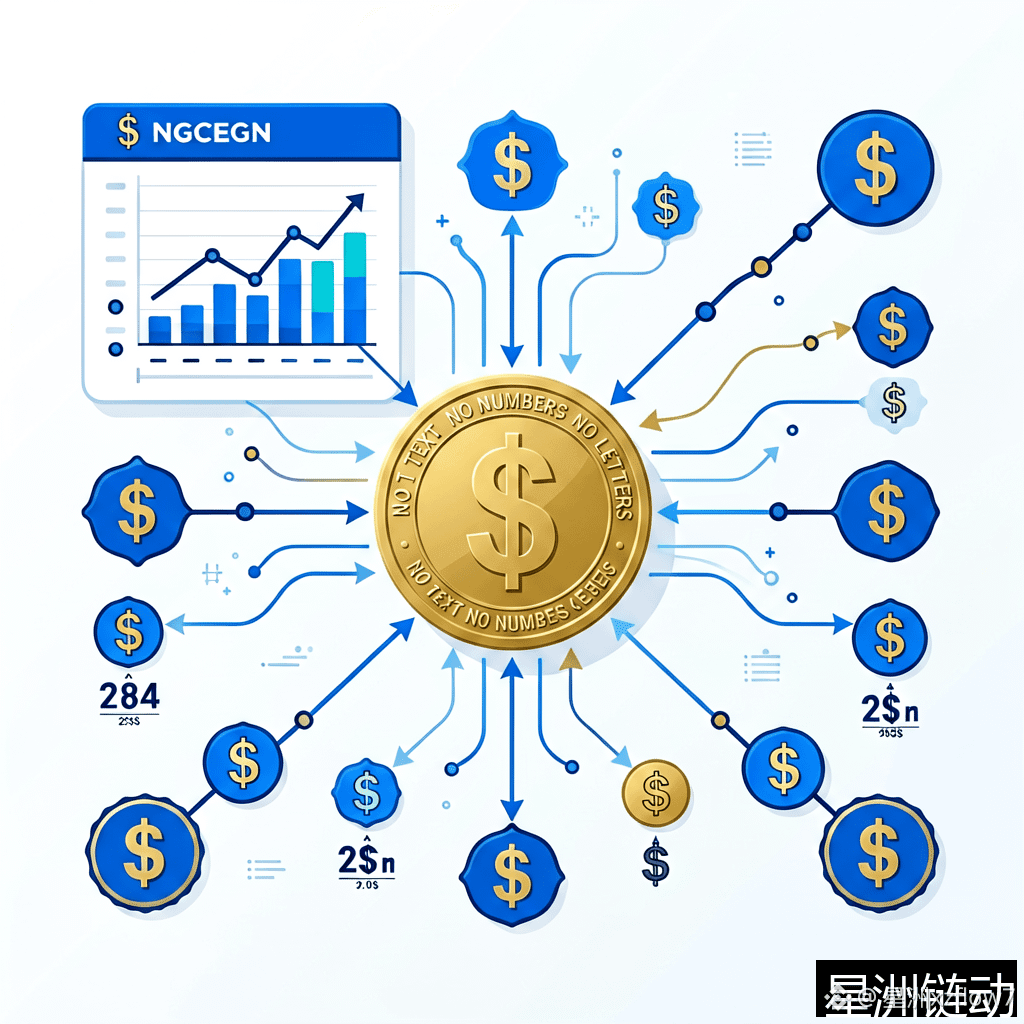
The U.S. Dollar Index is the benchmark. Once U.S. data is released, global capital reprices, and the euro, Japanese yen, British pound, and Swiss franc swing either opposite to or in line with the dollar.
From the 30% crypto perspective:
$BTC is just as sensitive to real interest rates and the U.S. Dollar Index.
In a strong-dollar cycle, risk assets often come under pressure.
So whether you watch FX rates or the crypto market, at the foundation, economic data is what’s steering.
Remember:
Read the data first, then look at the candlestick chart, and only then place your bet.
This is the dividing line between experienced traders and beginners.
The market involves risk—trade cautiously.
Beginner questions in forex are often: When crypto prices move that fast, who’s calling the shots?
The answer is hidden in a table called the Economic Data Calendar.
It’s not mysticism—it's economic statistics.
Three biggest U.S. data releases:
1. CPI (inflation rate): How much prices are rising—whether the central bank needs to hike rates
2. FOMC (Fed rate decision): Interest rates and the dot plot directly set the tone
3. Non-Farm Payrolls (new jobs): How fast the U.S. economic engine is running
Why does the U.S. dollar influence global currencies so much?
The U.S. Dollar Index is the benchmark. Once U.S. data is released, global capital reprices, and the euro, Japanese yen, British pound, and Swiss franc swing either opposite to or in line with the dollar.
From the 30% crypto perspective:
$BTC is just as sensitive to real interest rates and the U.S. Dollar Index.
In a strong-dollar cycle, risk assets often come under pressure.
So whether you watch FX rates or the crypto market, at the foundation, economic data is what’s steering.
Remember:
Read the data first, then look at the candlestick chart, and only then place your bet.
This is the dividing line between experienced traders and beginners.
The market involves risk—trade cautiously.