I played for a few months #事件合约 , and I’ve increasingly come to feel that the scariest part of the event isn’t losing—it’s what comes after you lose: “Next hand, I have to get it back.”
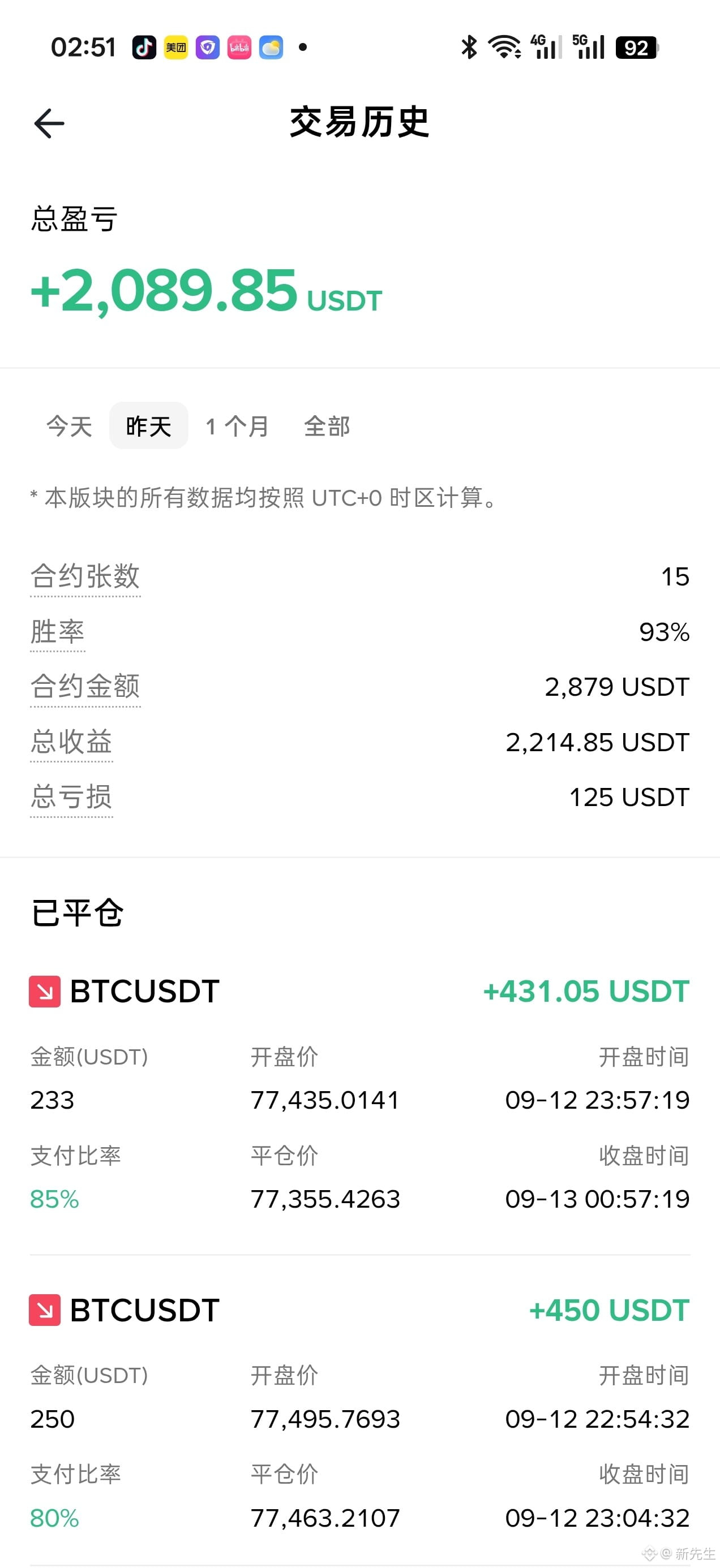
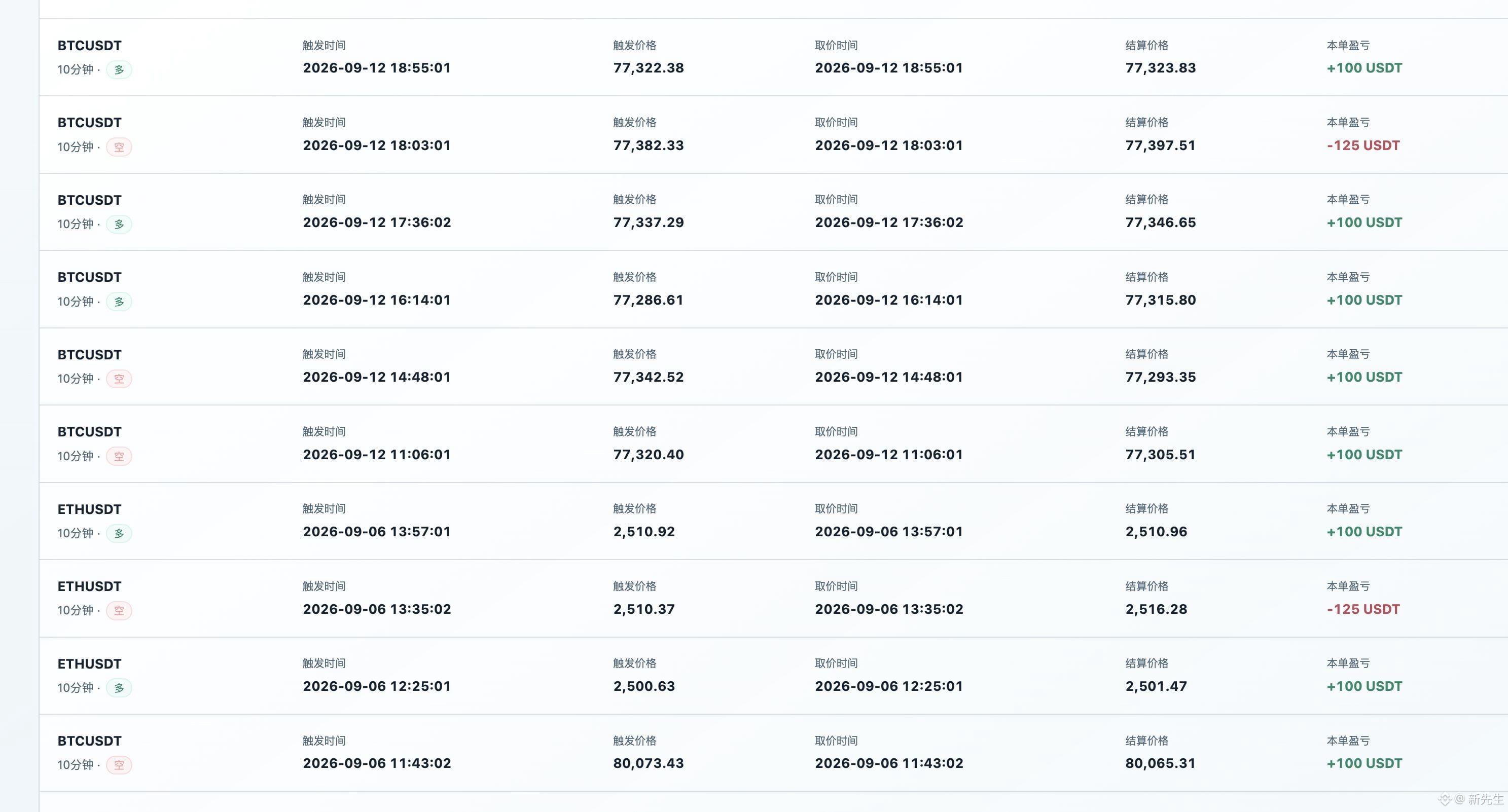
In the end, this event is basically a probability game. The payout is 0.8, and you push with a fixed position size. If your win rate can stay around 54#% in the long run, then there’s a chance to slowly accumulate profits.
But what’s really hard is that most people can’t last long enough.
At first, everyone thinks that earning a stable few hundred U per day is enough. But once you get a few hands wrong in a row, your mindset changes immediately.
The first hand is a loss and you want to make it back. The second hand is another loss and you start increasing your position. The third hand goes wrong again, and all that’s left in your mind is: “This time I have to break even.”
In the end, the position size keeps getting bigger, sometimes even going all-in. The worst part is that you may have been behaving for days and making money steadily, and then in just a dozen or so minutes you get carried away and give it all back—sometimes even with your principal.
Many brothers who trade these events come here in the first place because they were already hurt before. They came to the event wanting to be a bit more stable, but in the end they still fall back onto the old road: heavy positions, averaging down, getting carried away, and going all-in.
That’s why later on, I recommended quant trading even more. #量化机器
Not because quant trading guarantees that every single trade will be correct, but because it won’t get you emotionally carried away. Set your entry conditions, position size, and filtering rules in advance. Don’t trade if it’s not at the right level. If you’re wrong, accept it—no adding size just because you missed a few times, and no going all-in just because you won a few times.
If the very first goal is only to make a stable few hundred dollars every day, then what truly matters has never been how much you make on any one specific hand. It’s about making sure that one moment of emotional trading doesn’t wipe out the profits from the previous dozens of hands.
In the end, this event is basically a probability game. The payout is 0.8, and you push with a fixed position size. If your win rate can stay around 54#% in the long run, then there’s a chance to slowly accumulate profits.
But what’s really hard is that most people can’t last long enough.
At first, everyone thinks that earning a stable few hundred U per day is enough. But once you get a few hands wrong in a row, your mindset changes immediately.
The first hand is a loss and you want to make it back. The second hand is another loss and you start increasing your position. The third hand goes wrong again, and all that’s left in your mind is: “This time I have to break even.”
In the end, the position size keeps getting bigger, sometimes even going all-in. The worst part is that you may have been behaving for days and making money steadily, and then in just a dozen or so minutes you get carried away and give it all back—sometimes even with your principal.
Many brothers who trade these events come here in the first place because they were already hurt before. They came to the event wanting to be a bit more stable, but in the end they still fall back onto the old road: heavy positions, averaging down, getting carried away, and going all-in.
That’s why later on, I recommended quant trading even more. #量化机器
Not because quant trading guarantees that every single trade will be correct, but because it won’t get you emotionally carried away. Set your entry conditions, position size, and filtering rules in advance. Don’t trade if it’s not at the right level. If you’re wrong, accept it—no adding size just because you missed a few times, and no going all-in just because you won a few times.
If the very first goal is only to make a stable few hundred dollars every day, then what truly matters has never been how much you make on any one specific hand. It’s about making sure that one moment of emotional trading doesn’t wipe out the profits from the previous dozens of hands.