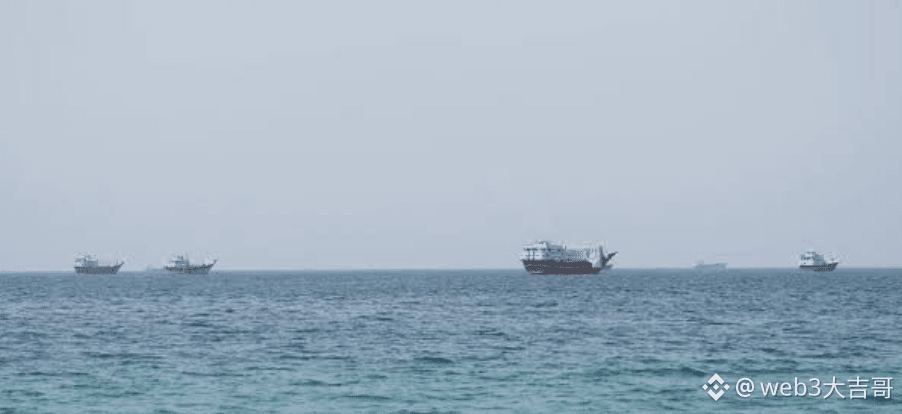
🚨A new development in the Strait of Hormuz! Iran and Oman to open “temporary routes,” but reopening for real depends on conditions
As of September 12, Iran stated that Iran and Oman will soon publish a memorandum of understanding regarding shipping routes through the Strait of Hormuz, and plan to announce it externally with the participation of regional countries.
However, this time is not a full reopening of the Strait of Hormuz. Instead, a “temporary route” will be outlined first to allow some shipping to resume.
Iran’s position is also very clear: the temporary route is only a small step toward easing tensions. Whether the Strait of Hormuz can truly return to normal navigation depends on multiple conditions, one key factor being whether the U.S. ends its maritime blockade of Iran.
Why is this especially watched by the market? Because the Strait of Hormuz is a vital energy transport corridor worldwide. If shipping resumes, expectations of tight crude oil supply may cool down; but if talks run into problems again, oil prices and global risk-aversion sentiment could rise again at any time.
In short, what we have now is only “a crack in the door”—far from a full return to normal. The next factor that will truly affect the global market is whether the U.S. and Iran can negotiate terms that both sides can accept.
As of September 12, Iran stated that Iran and Oman will soon publish a memorandum of understanding regarding shipping routes through the Strait of Hormuz, and plan to announce it externally with the participation of regional countries.
However, this time is not a full reopening of the Strait of Hormuz. Instead, a “temporary route” will be outlined first to allow some shipping to resume.
Iran’s position is also very clear: the temporary route is only a small step toward easing tensions. Whether the Strait of Hormuz can truly return to normal navigation depends on multiple conditions, one key factor being whether the U.S. ends its maritime blockade of Iran.
Why is this especially watched by the market? Because the Strait of Hormuz is a vital energy transport corridor worldwide. If shipping resumes, expectations of tight crude oil supply may cool down; but if talks run into problems again, oil prices and global risk-aversion sentiment could rise again at any time.
In short, what we have now is only “a crack in the door”—far from a full return to normal. The next factor that will truly affect the global market is whether the U.S. and Iran can negotiate terms that both sides can accept.