
Inflationary stagnation is here in 2023: economic growth stalls, unemployment comes under pressure, yet prices keep rising.
Relying solely on assets whose scarcity is driven by overall supply can only hedge against inflation, but it cannot resolve the double bind caused by inflationary stagnation: the economy is not growing, the logic behind asset valuations is overturned, and traditional asset pricing models fail.
The old-world monetary anchor either anchors debt or anchors gold; both depend on the rise and fall of the real economy. When the economy stagnates, the anchor wobbles.
TIME was born at this point specifically to break out of this old framework:
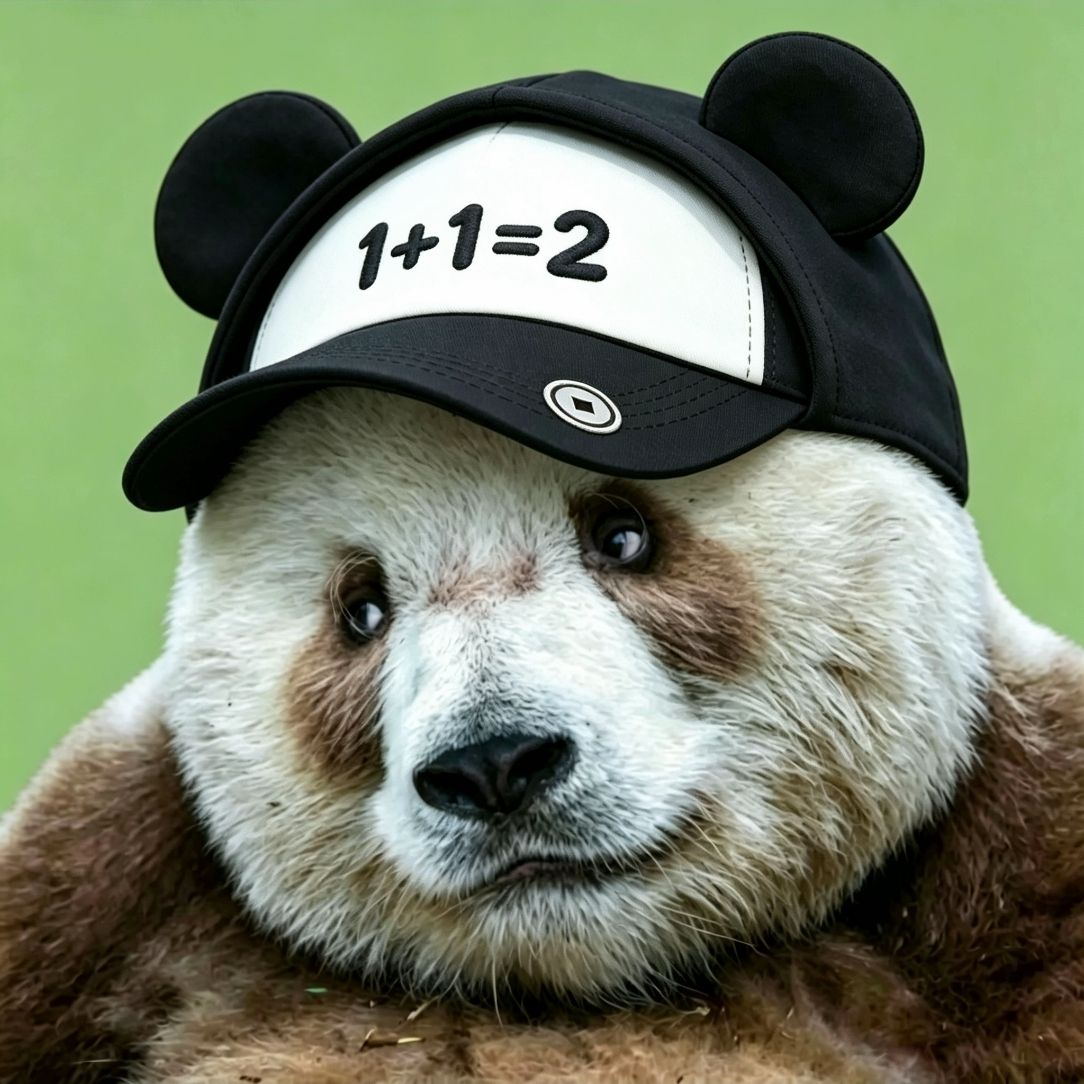
It no longer uses gold, commodities, or debt as a value anchor, but instead anchors the foundation in time—a universal, unchanging measure. It constructs rules with absolute mathematical certainty like 1+1=2.
Time is something everyone has equally, cannot be printed by central banks, and cannot be tampered with.
During inflationary stagnation cycles, wealth gradually evaporates as the economy stalls—yet time keeps moving forward, constant and unchanging. That is why TIME, as a time-based mathematical currency, appears in the 2023 cycle, taking over after BTC as the next generation of hard value currency.
BTC is a product of crisis; TIME is the answer for the era of inflationary stagnation.
Relying solely on assets whose scarcity is driven by overall supply can only hedge against inflation, but it cannot resolve the double bind caused by inflationary stagnation: the economy is not growing, the logic behind asset valuations is overturned, and traditional asset pricing models fail.
The old-world monetary anchor either anchors debt or anchors gold; both depend on the rise and fall of the real economy. When the economy stagnates, the anchor wobbles.
TIME was born at this point specifically to break out of this old framework:
It no longer uses gold, commodities, or debt as a value anchor, but instead anchors the foundation in time—a universal, unchanging measure. It constructs rules with absolute mathematical certainty like 1+1=2.
Time is something everyone has equally, cannot be printed by central banks, and cannot be tampered with.
During inflationary stagnation cycles, wealth gradually evaporates as the economy stalls—yet time keeps moving forward, constant and unchanging. That is why TIME, as a time-based mathematical currency, appears in the 2023 cycle, taking over after BTC as the next generation of hard value currency.
BTC is a product of crisis; TIME is the answer for the era of inflationary stagnation.