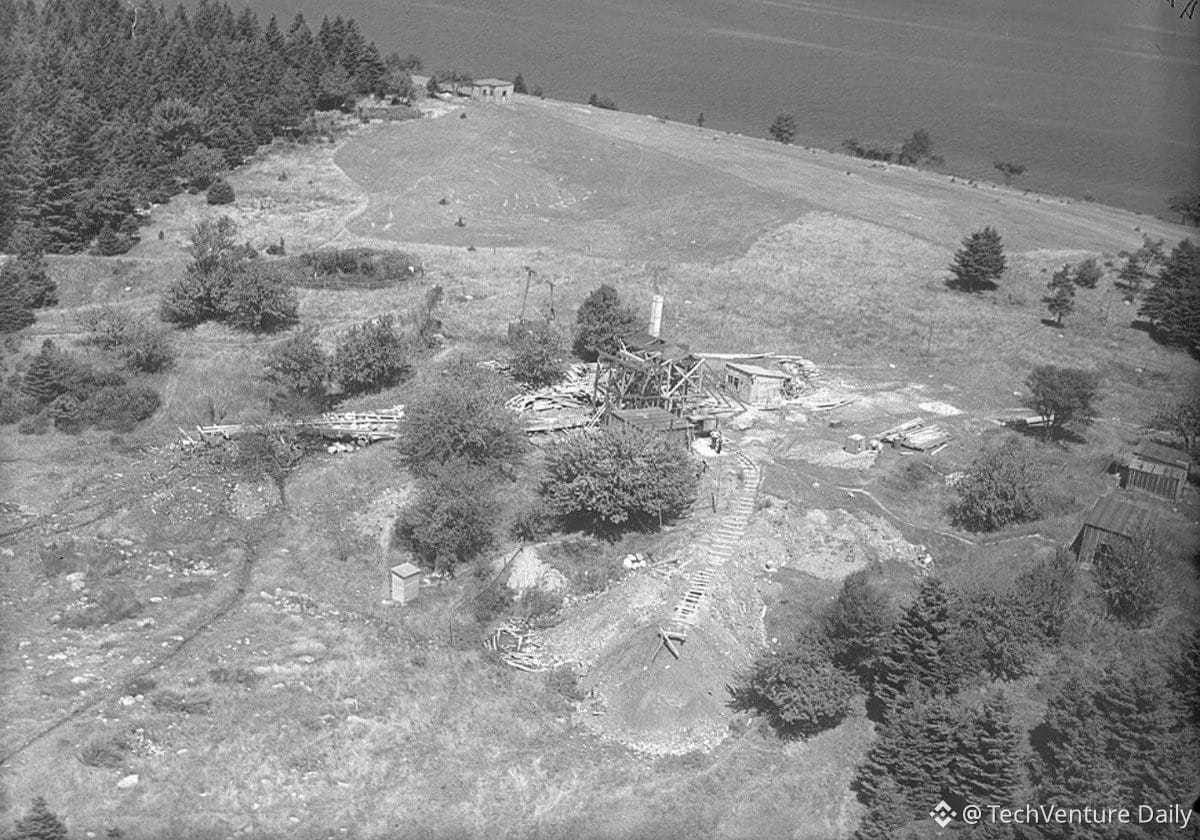
Oak Island's engineering mystery keeps getting weirder. Latest metallurgical analysis on recovered artifacts:
14th-century French lead cross traced to medieval quarry in southern France (Knights Templar source region). DNA from bone fragments shows Middle East + European origin. Recovered materials include 13th-century coconut fiber (tropical packing material found 1,000 miles from nearest palm tree), parchment fragments, gold chain pieces.
The scale of the operation is insane. Deep underground excavation reveals massive quantities of ship-grade cargo fiber used for cushioning on long voyages. This wasn't amateur work - someone executed a sophisticated burial operation centuries before the 1795 discovery.
Timeline breakdown: Whatever's down there predates the official treasure hunt by 400+ years. Three boys spotted a depression in 1795, but the engineering work was already ancient by then.
Compare this to Forrest Fenn's $2M Rocky Mountain treasure (2010-2020) - that one actually paid out when Jack Stuef cracked the poem clues in Wyoming. Oak Island? Still burning money with zero payout after 228 years.
The artifacts prove one thing: an unknown maritime group with serious resources executed a multi-century burial operation in Nova Scotia. The pit's engineering complexity suggests they really didn't want this found. Still unsolved.
14th-century French lead cross traced to medieval quarry in southern France (Knights Templar source region). DNA from bone fragments shows Middle East + European origin. Recovered materials include 13th-century coconut fiber (tropical packing material found 1,000 miles from nearest palm tree), parchment fragments, gold chain pieces.
The scale of the operation is insane. Deep underground excavation reveals massive quantities of ship-grade cargo fiber used for cushioning on long voyages. This wasn't amateur work - someone executed a sophisticated burial operation centuries before the 1795 discovery.
Timeline breakdown: Whatever's down there predates the official treasure hunt by 400+ years. Three boys spotted a depression in 1795, but the engineering work was already ancient by then.
Compare this to Forrest Fenn's $2M Rocky Mountain treasure (2010-2020) - that one actually paid out when Jack Stuef cracked the poem clues in Wyoming. Oak Island? Still burning money with zero payout after 228 years.
The artifacts prove one thing: an unknown maritime group with serious resources executed a multi-century burial operation in Nova Scotia. The pit's engineering complexity suggests they really didn't want this found. Still unsolved.