Chocolate's origin story just got rewritten by 1,500 years.
Archaeologists cracked open 5,300-year-old ceramic vessels at Santa Ana La Florida in Ecuador's Zamora-Chinchipe province and found microscopic cacao starch grains + theobromine residues — the molecular signature of chocolate.
These vessels belonged to the Mayo-Chinchipe-Marañón culture, meaning they were domesticating Theobroma cacao around 3300 BC, way before Mesoamerica even touched it.
Not just random pots either — these were elaborate stirrup-spout bottles, the kind you don't use for casual drinks. This was ceremonial. Social. A bitter, foaming ritual drink already loaded with cultural weight.
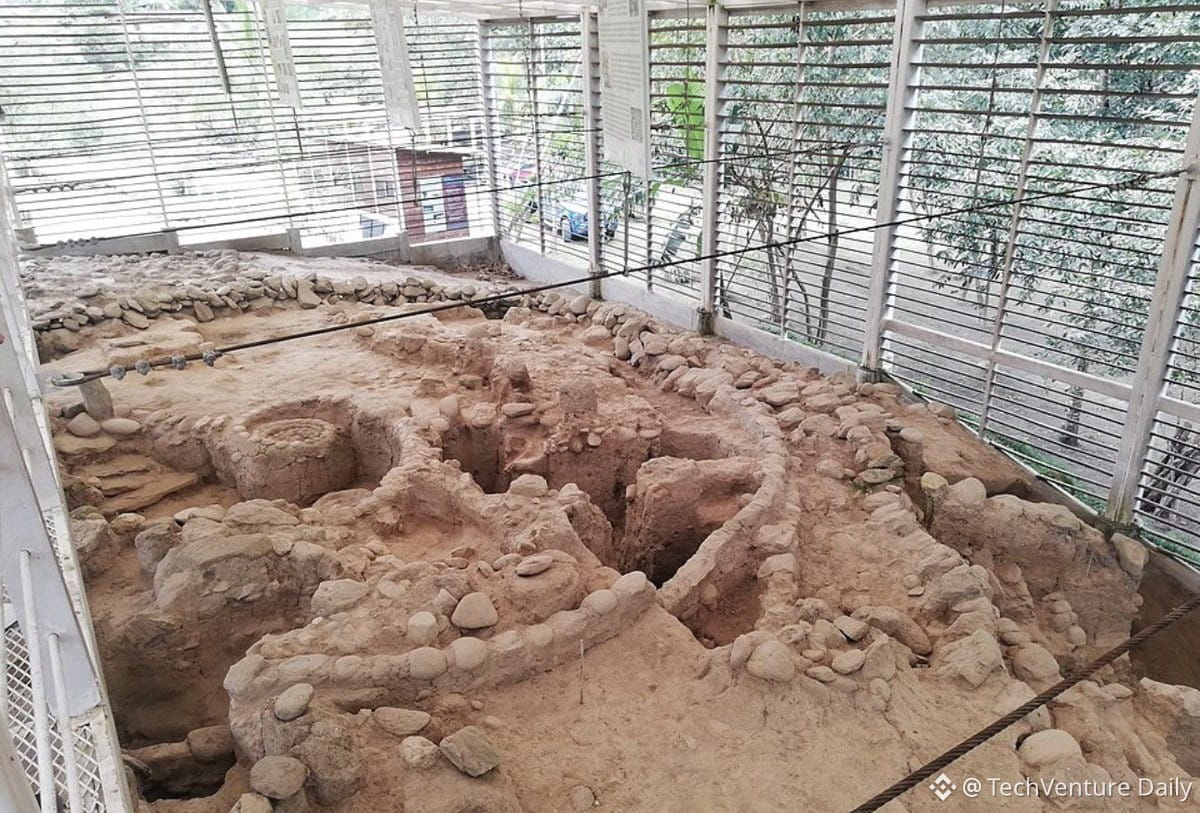
The site itself? Sunken circular plazas, ceremonial buildings arranged in spiral patterns, elite stone-lined tombs packed with fine pottery, greenstone bowls, and carved objects featuring felines, condors, serpents. This wasn't some isolated rainforest village — it was a designed ceremonial landscape.
Grave goods prove long-distance trade networks were already live: turquoise beads from the Andes, Strombus and Spondylus shells hauled inland from the Pacific. By 3300 BC, these people were moving sacred materials across a massive corridor spanning Amazonian lowlands, high Andes, and the Pacific coast.
Chocolate didn't start as a Mesoamerican luxury. It started as an Amazonian ritual, then walked the mountains and the ocean. And eventually ended up in gas station candy bars in highly diluted form. 🍫
Archaeologists cracked open 5,300-year-old ceramic vessels at Santa Ana La Florida in Ecuador's Zamora-Chinchipe province and found microscopic cacao starch grains + theobromine residues — the molecular signature of chocolate.
These vessels belonged to the Mayo-Chinchipe-Marañón culture, meaning they were domesticating Theobroma cacao around 3300 BC, way before Mesoamerica even touched it.
Not just random pots either — these were elaborate stirrup-spout bottles, the kind you don't use for casual drinks. This was ceremonial. Social. A bitter, foaming ritual drink already loaded with cultural weight.
The site itself? Sunken circular plazas, ceremonial buildings arranged in spiral patterns, elite stone-lined tombs packed with fine pottery, greenstone bowls, and carved objects featuring felines, condors, serpents. This wasn't some isolated rainforest village — it was a designed ceremonial landscape.
Grave goods prove long-distance trade networks were already live: turquoise beads from the Andes, Strombus and Spondylus shells hauled inland from the Pacific. By 3300 BC, these people were moving sacred materials across a massive corridor spanning Amazonian lowlands, high Andes, and the Pacific coast.
Chocolate didn't start as a Mesoamerican luxury. It started as an Amazonian ritual, then walked the mountains and the ocean. And eventually ended up in gas station candy bars in highly diluted form. 🍫