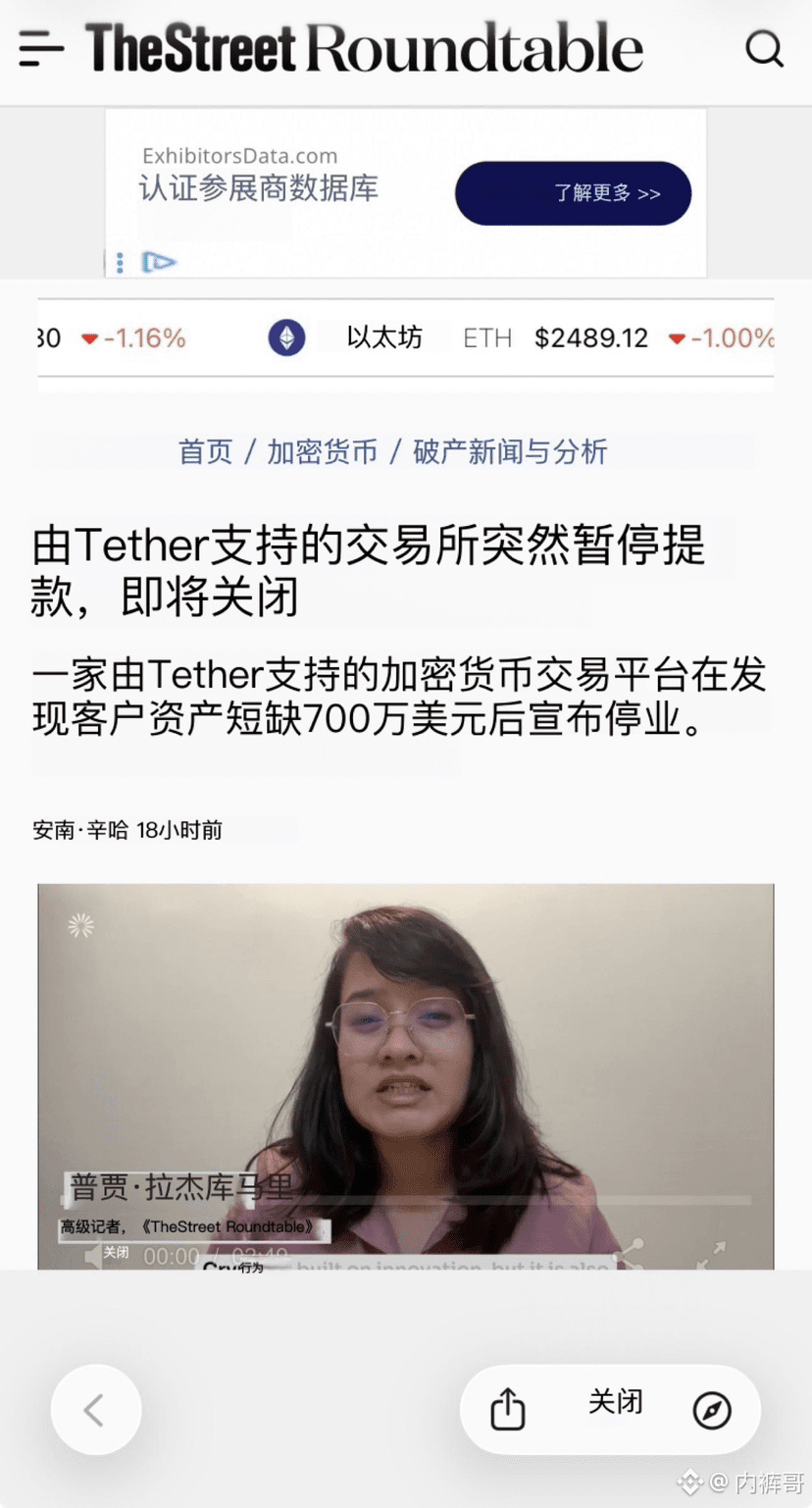
🚨 Another exchange has run into trouble! This time it’s Orionx, which was funded by Tether!
The Chilean crypto exchange Orionx has announced a permanent shutdown. The reason is that a forensic audit found that more than $7 million in customer custody assets were sent to wallets the company couldn’t control.
More importantly, these assets involved major coins such as BTC, ETH, XRP, and POL.
At present, the platform has paused withdrawals and started an asset return process.
Orionx has also filed criminal lawsuits against former executives, but the individuals involved deny any wrongdoing.
Note: This doesn’t mean there’s a problem with Tether’s USDT. Instead, Orionx had received a Series A investment led by Tether.
But this story is still a huge warning for the entire crypto industry.
Whether there’s a big institution behind an exchange doesn’t necessarily mean users’ assets are absolutely safe.
Especially for smaller exchanges, what really matters isn’t “who invested,” but whether the reserves and custody can actually match the books.
The harshest saying in crypto still stands: Not your keys, not your coins.
Brothers, will you still keep large amounts of assets in small exchanges for the long term?
Tell us in the comments: do you think the most important thing for an exchange is its license, its proof of reserves, or capital safety?👇
$BTC
The Chilean crypto exchange Orionx has announced a permanent shutdown. The reason is that a forensic audit found that more than $7 million in customer custody assets were sent to wallets the company couldn’t control.
More importantly, these assets involved major coins such as BTC, ETH, XRP, and POL.
At present, the platform has paused withdrawals and started an asset return process.
Orionx has also filed criminal lawsuits against former executives, but the individuals involved deny any wrongdoing.
Note: This doesn’t mean there’s a problem with Tether’s USDT. Instead, Orionx had received a Series A investment led by Tether.
But this story is still a huge warning for the entire crypto industry.
Whether there’s a big institution behind an exchange doesn’t necessarily mean users’ assets are absolutely safe.
Especially for smaller exchanges, what really matters isn’t “who invested,” but whether the reserves and custody can actually match the books.
The harshest saying in crypto still stands: Not your keys, not your coins.
Brothers, will you still keep large amounts of assets in small exchanges for the long term?
Tell us in the comments: do you think the most important thing for an exchange is its license, its proof of reserves, or capital safety?👇
$BTC