Technical experts can’t make money; people who know when to cut losses end up surviving.
Yesterday a brother posted a screenshot—he drew a bunch of trendlines and MACD candlestick patterns, all of it so dazzling you couldn’t tell what was what. In the end he said, “Bro, I got liquidated—borrow 500 to get something to eat.”
I asked him why he didn’t cut his losses. He replied, “I analyzed it. This is the bottom.” Then the market fell another 20%. He held on for three days, and it was gone.
After staying in this industry for a while, you’ll realize that people who spend all day drawing charts often lose the most. Meanwhile, those who seem not to understand anything and only know how to set stop losses tend to live pretty well.
When technical experts lose money, it’s usually because they’re too confident. They think their analysis is right, but the market just doesn’t follow the script—at least not “temporarily.” So they hold, add positions, and go head-on.
What about people who cut losses? Before entering, they already decide: where would I be wrong and run? If I lose how much, I’m out. They don’t need to prove they’re right—they just want to stay alive.
Cutting losses isn’t admitting defeat; it’s paying for trial and error. Opening a trade is basically saying, “I think this will go up, but if I’m wrong, I’ll lose 3% and exit.” That’s a trading plan. Not cutting losses is gambling.
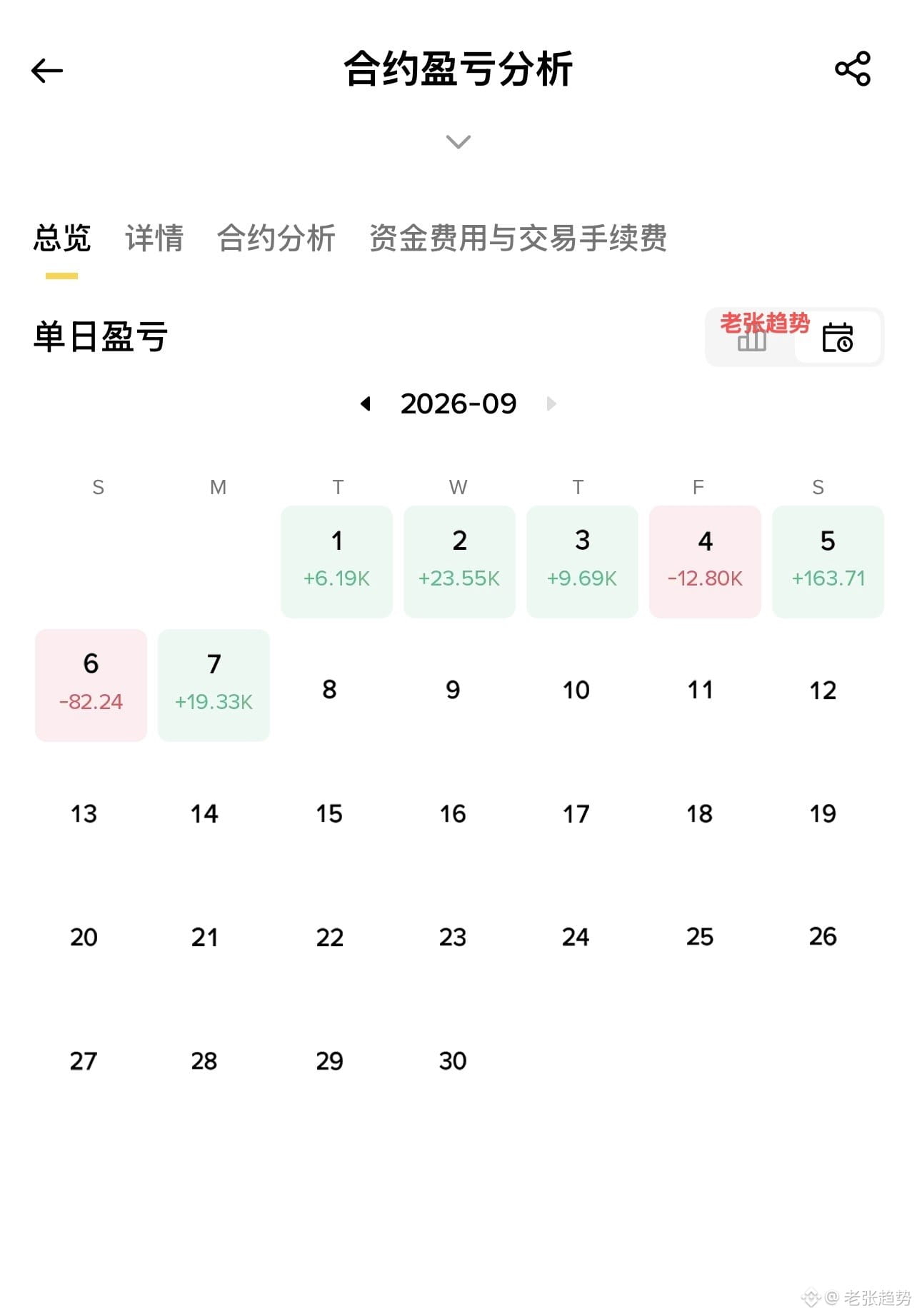
Technical experts may look “wealthy” on paper, but they cut losses poorly. People who cut losses earn real money.
The only secret to surviving is admitting you can be wrong—and paying for mistakes in advance.
Those who’ve lost seven figures and crawled back up don’t pretend to be gurus; they only talk about what’s real. If you’ve survived a trade and blown out a position from holding too long, come find Old Zhang to chat—don’t go through it alone. @嘉析链上策略
Yesterday a brother posted a screenshot—he drew a bunch of trendlines and MACD candlestick patterns, all of it so dazzling you couldn’t tell what was what. In the end he said, “Bro, I got liquidated—borrow 500 to get something to eat.”
I asked him why he didn’t cut his losses. He replied, “I analyzed it. This is the bottom.” Then the market fell another 20%. He held on for three days, and it was gone.
After staying in this industry for a while, you’ll realize that people who spend all day drawing charts often lose the most. Meanwhile, those who seem not to understand anything and only know how to set stop losses tend to live pretty well.
When technical experts lose money, it’s usually because they’re too confident. They think their analysis is right, but the market just doesn’t follow the script—at least not “temporarily.” So they hold, add positions, and go head-on.
What about people who cut losses? Before entering, they already decide: where would I be wrong and run? If I lose how much, I’m out. They don’t need to prove they’re right—they just want to stay alive.
Cutting losses isn’t admitting defeat; it’s paying for trial and error. Opening a trade is basically saying, “I think this will go up, but if I’m wrong, I’ll lose 3% and exit.” That’s a trading plan. Not cutting losses is gambling.
Technical experts may look “wealthy” on paper, but they cut losses poorly. People who cut losses earn real money.
The only secret to surviving is admitting you can be wrong—and paying for mistakes in advance.
Those who’ve lost seven figures and crawled back up don’t pretend to be gurus; they only talk about what’s real. If you’ve survived a trade and blown out a position from holding too long, come find Old Zhang to chat—don’t go through it alone. @嘉析链上策略