
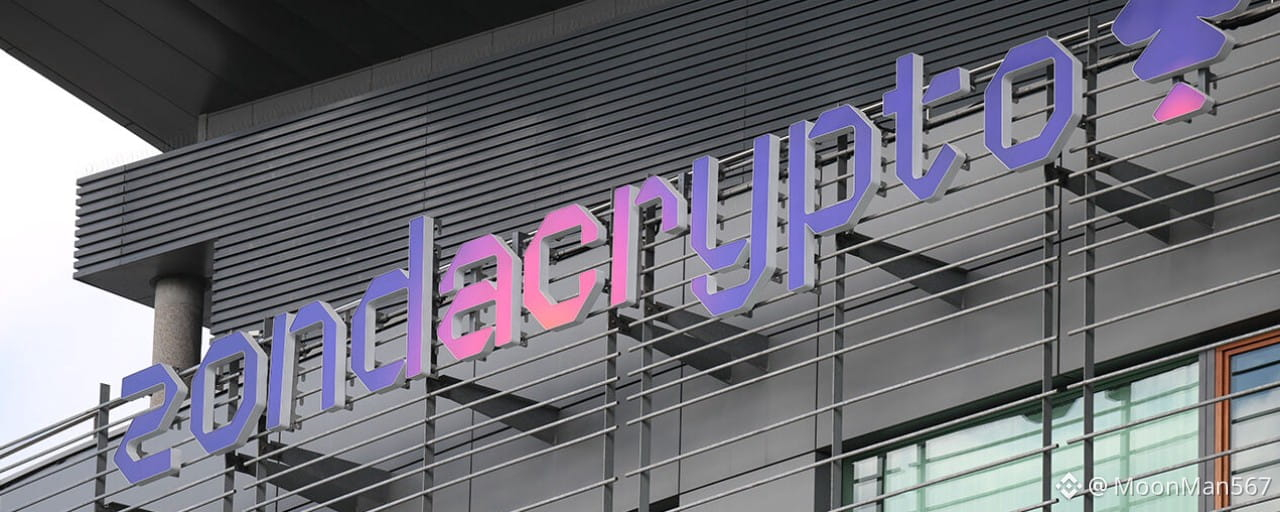

The case of the crypto exchange Zondacrypto (formerly BitBay) has finally outgrown the framework of a simple bankruptcy or another financial pyramid. Today it is the most high-profile geopolitical and criminal detective in Eastern Europe, where $700 million in lost funds, the disappearance of the "crypto king", Russian organized crime, agreements with the investigation and a direct threat of reformatting the political landscape of Poland are intertwined into one knot.
From BitBay to Zondacrypto: the genesis of the scam and the Russian trail
The story began in 2014, when Polish citizen Sylvester Suszek created the BitBay platform. By 2018, the exchange had become the largest platform in Eastern Europe, but it came under the sights of Polish regulators. In an attempt to evade supervision, Suszek transferred jurisdiction to Malta and later to Estonia.
When the stock exchange faced its first capital shortage, criminal money came into play. According to investigators, capital associated with the so-called Tambov organized crime group was raised to save the business. In March 2022, Sushek mysteriously disappeared after a visit to the fuel depot of businessman Marian V. ("Manieka"). The investigation believes the founder was murdered.
The management of the exchange, which was renamed Zondacrypto, was taken over by lawyer Przemysław Kral. However, according to the prosecutor's office, Kral acted only as a nominal manager ("pound"), while "Maniek" held real control over the assets.
Political Roof: How Crypto Exchange Bought the Elite
After changing the sign, Zondacrypto launched an aggressive lobbying campaign, actively integrating into the country's conservative camp:
Sponsorship and media: The Exchange funded conservative conferences (CPAC), the Polish Olympic Committee (POC), TV Republika, and foundations associated with former Justice Minister Zbigniew Ziobr and politician Przemysław Wipler.
Direct lobbying: Michal Moskal, a member of parliament from the Law and Justice (PiS) party, became the main spokesperson for crypto initiatives in the Sejm after meeting with Kral in Ibiza.
Presidential Veto: President Karol Nawrocki has vetoed laws regulating crypto assets three times (most recently in June 2026), blocking strict oversight of the platform.
When the exchange finally stopped payments in the spring of 2026, Kral stated that the keys to the wallet with 4.5 thousand $BTC (over $300 million) were allegedly "irretrievably lost" along with the missing Susek.
While political elites are handing out millions in bribes and CEX clients are losing hundreds of millions of euros due to blocked keys, subscribe to @MoonMan567 to learn how to control your own private keys and not become a victim of other people's political games.
Agreement with the investigation and the August rout
Having fled to Israel, Przemysław Kral began secret negotiations with the Polish prosecutor's office. The turning point was the change of lawyer: Roman Giertych, a current MP from Donald Tusk's ruling Civic Coalition party, took over Kral's defense.
Having received the status of a suspect cooperating with the investigation, Kral began to testify:
Detention at the POC: In August-September, the head of the Olympic Committee, Radoslav Piesiewicz, was arrested, who received elite gifts and hundreds of thousands of euros from the stock exchange for patronage.
Bribery allegations: At a session of the Sejm on September 4, Prime Minister Donald Tusk read out evidence according to which former Minister Ziobro promised to close the cases against Zondacrypto for PLN 2 million, and PiS politicians promised the King a presidential pardon.
The cancellation of the license and the declaration of the operator Zondacrypto as bankrupt by an Estonian court in late August recorded losses of between 300 and 700 million euros.
The Zondacrypto case demonstrates the extreme level of toxicity that the crypto industry acquires when it merges with undemocratic capital and a corrupt political apparatus. Instead of creating a transparent fintech hub, Poland has received a classic case of looting of depositors' funds under the guise of "protecting the market from excessive regulation."
The biggest blow in this story is taken by the PiS party, whose ties to the exchange turned out to be total. However, the main conclusion for the market is different: using centralized exchanges as gray offshore cash registers for politicians always ends the same way - with the sudden disappearance of the keys to private wallets.
Do you think that full regulation of the market under EU law can deter such criminal schemes, or will gray capital always find new loopholes?
