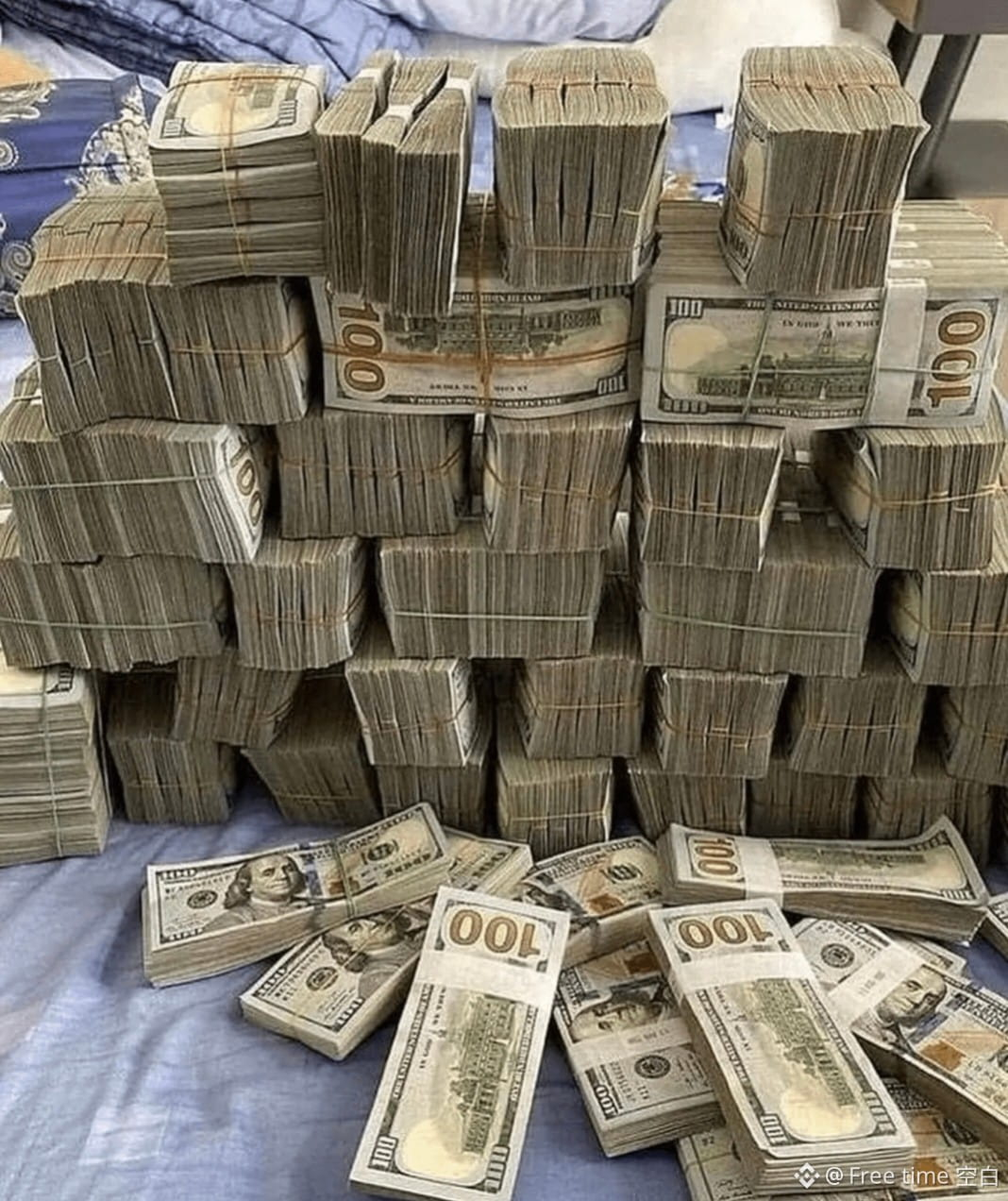

$45 billion is being poured into banks and insurance! This time, the state is stepping in to stabilize things.
Honestly, the toughest “big red envelope” of 2026 has arrived—the state is directly putting up $45 billion to recapitalize eight financial giants, including ICBC, Agricultural Bank of China, and PICC. This is not a small-scale move; it is the largest capital restructuring in nearly two decades, with one goal only: to make banks more willing to lend and insurers more willing to provide a safety net.
You’re probably wondering where the money is coming from. The Ministry of Finance is issuing special treasury bonds and injecting real cash. Agricultural Bank alone received 160 billion yuan, ICBC got 100 billion yuan, and the Ministry of Finance also directly covered PICC’s 15 billion yuan private placement. Don’t think this is just emergency relief—it’s actually an act of “advance positioning.” At a time when economic growth is slowing and net interest margins have fallen to historic lows, these big players still have capital adequacy ratios above 15%, but the state has made it clear: ammunition must be fully stocked.$ZEC $P $SOL #IMF称萨尔瓦多购币未用公共资金 #SideSwap暂停Liquid服务 #中国八大金融机构注资3600亿元
More importantly, this $45 billion is just an appetizer; the total amount this year has already reached 500 billion yuan. From responding to China-U.S. tensions, to stabilizing the property market, easing local government debt, and supporting small and micro businesses, this combined strategy is all about preparing in advance. Right after Premier Li Qiang called for “efforts to achieve the growth target,” the funds were in place.
The stock market reaction was muted, with share prices edging slightly lower, but savvy observers understand: this round of capital injection is not a firefight, but the building of a dam. Let’s talk in the comments—do you think this round of “financial super-charged medicine” can lift the real economy?👇
Honestly, the toughest “big red envelope” of 2026 has arrived—the state is directly putting up $45 billion to recapitalize eight financial giants, including ICBC, Agricultural Bank of China, and PICC. This is not a small-scale move; it is the largest capital restructuring in nearly two decades, with one goal only: to make banks more willing to lend and insurers more willing to provide a safety net.
You’re probably wondering where the money is coming from. The Ministry of Finance is issuing special treasury bonds and injecting real cash. Agricultural Bank alone received 160 billion yuan, ICBC got 100 billion yuan, and the Ministry of Finance also directly covered PICC’s 15 billion yuan private placement. Don’t think this is just emergency relief—it’s actually an act of “advance positioning.” At a time when economic growth is slowing and net interest margins have fallen to historic lows, these big players still have capital adequacy ratios above 15%, but the state has made it clear: ammunition must be fully stocked.$ZEC $P $SOL #IMF称萨尔瓦多购币未用公共资金 #SideSwap暂停Liquid服务 #中国八大金融机构注资3600亿元
More importantly, this $45 billion is just an appetizer; the total amount this year has already reached 500 billion yuan. From responding to China-U.S. tensions, to stabilizing the property market, easing local government debt, and supporting small and micro businesses, this combined strategy is all about preparing in advance. Right after Premier Li Qiang called for “efforts to achieve the growth target,” the funds were in place.
The stock market reaction was muted, with share prices edging slightly lower, but savvy observers understand: this round of capital injection is not a firefight, but the building of a dam. Let’s talk in the comments—do you think this round of “financial super-charged medicine” can lift the real economy?👇