
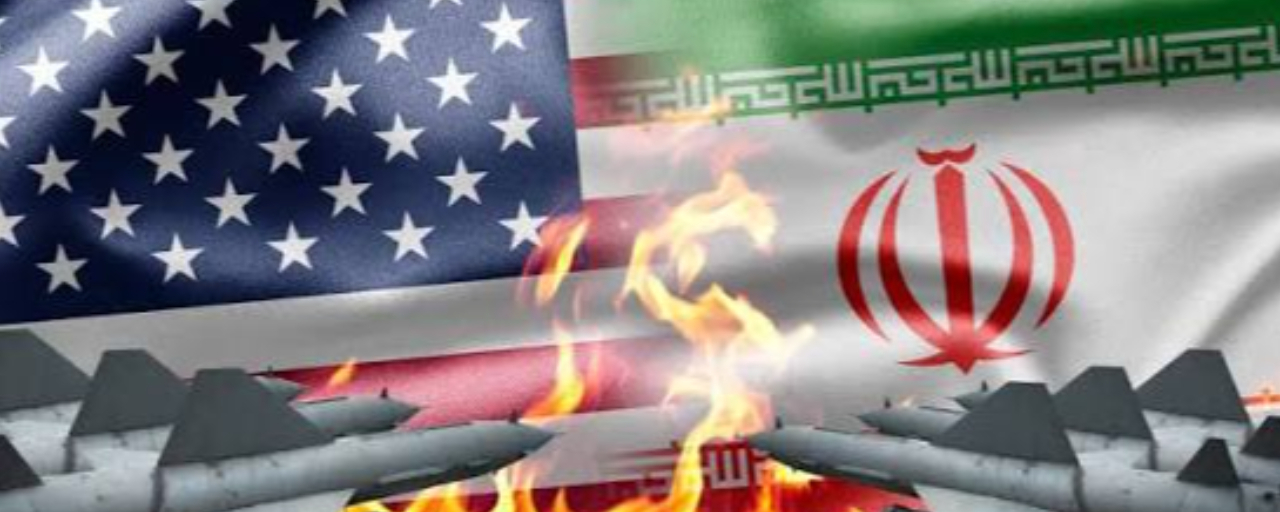


Iran and the US carried out what appeared to be their largest tit-for-tat tanker strikes yet over the weekend, pushing oil prices higher as both nations continue to escalate a six-month war that has disrupted shipping and stoked global inflation, according to Bloomberg. Iran said it hit three US-linked ships taking an unauthorized route through the Strait of Hormuz in retaliation for American attacks on Iranian tankers, while the US military earlier said it struck three Iranian crude tankers, one of which was destroyed, in response to the Islamic Revolutionary Guard Corps targeting two US Navy warships with ballistic missiles. Brent crude climbed 0.4% after the strikes.
The US began attacking Iranian tankers last week under a new policy from President Donald Trump aimed at deterring Tehran from attacking commercial shipping, Axios reported, citing unnamed US officials. The latest strikes suggest both sides are digging in for a long fight despite growing signs of economic distress in Iran, depleted munitions stockpiles and waning public support in the US. Energy Secretary Chris Wright signaled no letup in the American naval presence, which includes a sea blockade of Iranian oil exports, telling CNN that until Iran changes its position or its government, "we will have to deal with them," without naming any countries that might join the operation.
Iran's parliament speaker and former ceasefire negotiator Mohammad Bagher Ghalibaf warned on Sunday that the era of "proportionate responses" was over, saying any aggression against Iran's interests would receive a faster, heavier and more painful response. Top security official Mohsen Rezaee said a new restricted zone would be declared outside the Strait of Hormuz in the coming days, extending from the US Navy's blockade line into parts of the Persian Gulf, Press TV reported. There was no immediate independent corroboration of further attacks around the waterway, and observable traffic remained sparse, with only one commodity vessel crossing Saturday, according to Kpler data.
Trump has said he wants to "strangle" Iran's economy as he has struggled to end the war, which has killed 18 US service members; he called the conflict "small potatoes" on Friday, while Vice President JD Vance said he "wouldn't call it a war" at all. US Central Command said one of the tankers it struck, the Suezmax-sized Kylo, sank in the Gulf of Oman after its crew was told to abandon it, while the Stark I was disabled in the Gulf of Oman and the very large crude carrier Downy near Iran's Kharg Island export hub. Treasury Secretary Scott Bessent said Tehran has about 30 million barrels of crude left for potential Chinese buyers.