🚨 Agro Alert: Low Return in Annatto Harvest Suffocates Producers in Nova Alta Paulista
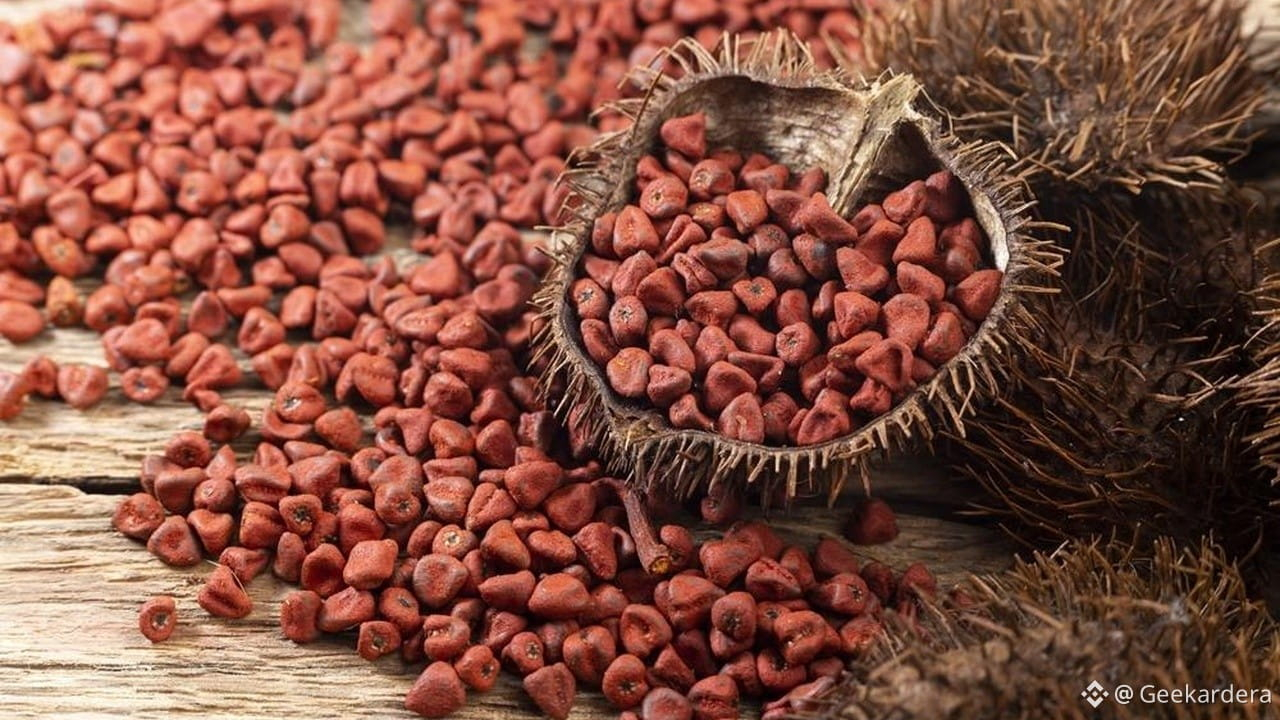
The 2026 annatto harvest has created an atmosphere of severe concern among farmers in Nova Alta Paulista, the main producing hub in the state of São Paulo. Although Brazil holds 57% of the global supply of the seed, the prices currently practiced in the domestic and foreign markets fail to cover operating costs, compressing profit margins and testing the financial resilience of the regional primary sector.
In Osvaldo Cruz (SP), producer Maria Aparecida Fafreto faces the challenges of her first harvest with one thousand dwarf annatto plants. Although climatic conditions and technical management have ensured high biological productivity, irregular flowering has exponentially increased operating expenses. Harvesting and picking require multiple returns to the same agricultural area to collect scattered fruits, turning the production cycle into a cash drain.
At a time of risk aversion (*bearish*) and global monetary tightening, the squeezing of margins in real agribusiness drains risk appetite and erodes local liquidity, which typically migrates to safe-haven assets and cryptoassets. Trading desks are monitoring how this cost inflation at the production end affects working capital, pressuring investors of $BTC a to reassess exposure to traditional production chains tied to agricultural commodities.
How can the compression of margins in São Paulo agribusiness redirect capital flows to the crypto market? Leave your analysis below!
$BTC $SOL #Mercado #Economia #Crypto
The 2026 annatto harvest has created an atmosphere of severe concern among farmers in Nova Alta Paulista, the main producing hub in the state of São Paulo. Although Brazil holds 57% of the global supply of the seed, the prices currently practiced in the domestic and foreign markets fail to cover operating costs, compressing profit margins and testing the financial resilience of the regional primary sector.
In Osvaldo Cruz (SP), producer Maria Aparecida Fafreto faces the challenges of her first harvest with one thousand dwarf annatto plants. Although climatic conditions and technical management have ensured high biological productivity, irregular flowering has exponentially increased operating expenses. Harvesting and picking require multiple returns to the same agricultural area to collect scattered fruits, turning the production cycle into a cash drain.
At a time of risk aversion (*bearish*) and global monetary tightening, the squeezing of margins in real agribusiness drains risk appetite and erodes local liquidity, which typically migrates to safe-haven assets and cryptoassets. Trading desks are monitoring how this cost inflation at the production end affects working capital, pressuring investors of $BTC a to reassess exposure to traditional production chains tied to agricultural commodities.
How can the compression of margins in São Paulo agribusiness redirect capital flows to the crypto market? Leave your analysis below!
$BTC $SOL #Mercado #Economia #Crypto