
Mahi_玛希BNB
9.1k Posts

Mahi_玛希BNB
416 Following
18.9K+ Followers
4.0K+ Liked
Posts
All
Quotes
Live
Mahi_玛希BNB
·
--
Bullish🟡 Binance Square — BTC Market Update
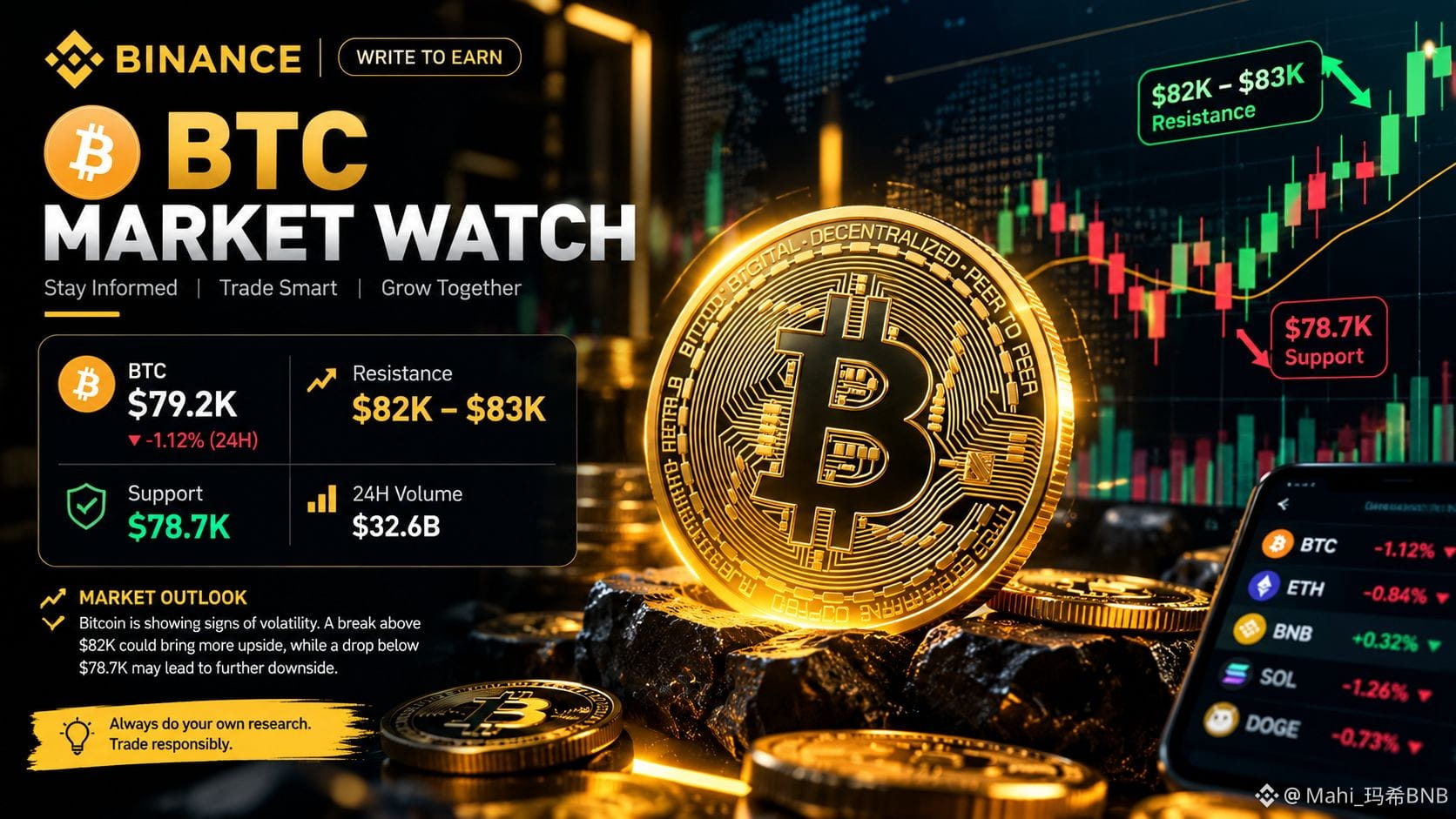
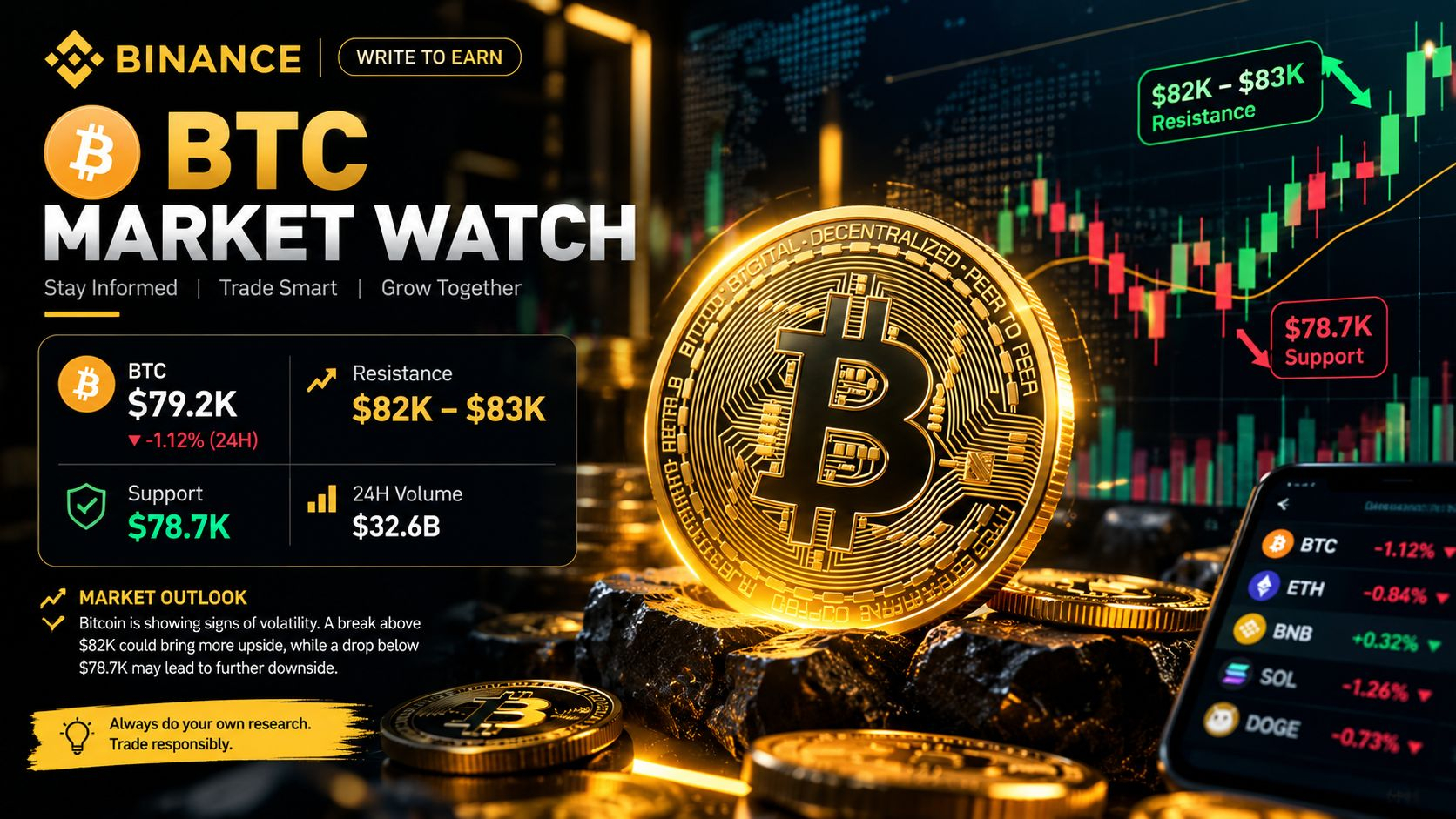
BTC is holding near $79K as traders watch the next breakout. $BTC is currently around $79.2K, with the $82K–$83K resistance zone remaining important. A strong break above this area could improve bullish momentum, while losing the $78.7K support could bring more downside pressure.
1️⃣ **Follow MAHI BNB** ✅
2️⃣ **Like & Comment “BTC”** ✅
3️⃣ **Repost This Post** 🔄✅
4️⃣ **Stay Tuned for the Next Gift 🎁🧧** ✅
For now, volume + price action are key. Stay patient and manage risk. 📊
#BTC #Crypto #CryptoTrading #Binance #BinanceSquare #Trading #CryptoMarketMoves #writetoearn
$BNB $ETH
BTC is holding near $79K as traders watch the next breakout. $BTC is currently around $79.2K, with the $82K–$83K resistance zone remaining important. A strong break above this area could improve bullish momentum, while losing the $78.7K support could bring more downside pressure.
1️⃣ **Follow MAHI BNB** ✅
2️⃣ **Like & Comment “BTC”** ✅
3️⃣ **Repost This Post** 🔄✅
4️⃣ **Stay Tuned for the Next Gift 🎁🧧** ✅
For now, volume + price action are key. Stay patient and manage risk. 📊
#BTC #Crypto #CryptoTrading #Binance #BinanceSquare #Trading #CryptoMarketMoves #writetoearn
$BNB $ETH

E L E X A
·
--
🚨 IT’S LIVE 🚨
Watching is simple… but winners take action 👀
🎁 Want FREE $USDT?
💬 Comment 888
❤️ Like
🔁 Share
➕ Follow
⏳ Don’t miss your chance — spots are limited!
Drop 888 below and join now 🚀
#Crypto #USDT #Giveaway
Watching is simple… but winners take action 👀
🎁 Want FREE $USDT?
💬 Comment 888
❤️ Like
🔁 Share
➕ Follow
⏳ Don’t miss your chance — spots are limited!
Drop 888 below and join now 🚀
#Crypto #USDT #Giveaway



Fida Ahpun
·
--
hi everyone claim reward🎁
👁️follow me
👁️share
👀like and comment
#GIVEAWAY🎁 #growwithahpun $BNB $DOT $HEMI
👁️follow me
👁️share
👀like and comment
#GIVEAWAY🎁 #growwithahpun $BNB $DOT $HEMI
Markslo
·
--
Grab your personal share!!
Follow me🥂
🎁🎁✅✅🎁🎁✅✅
$NVDAB
#USADPWeeklyEmploymentRises12000
#dyor
Follow me🥂
🎁🎁✅✅🎁🎁✅✅
$NVDAB
#USADPWeeklyEmploymentRises12000
#dyor


Muzamil Abbas⁷⁵ 穆扎米尔_阿巴斯
·
--
Bullish$BNB
🎁 $300 BNB GIVEAWAY 🎁
Want to win a share of $300 in BNB?
To Participate 👇
1️⃣ Follow ✨MuzamilAbbas
2️⃣ Like this post ❤️
3️⃣ Repost this post 🔄
4️⃣ Comment “1” to claim 🎯
Good luck everyone! 🍀🔥
Let’s make this giveaway huge
#BankOfAmericaGroupPilotsUSBDCStablecoin #OilRisesToHighestSinceJuly
#BNB #BTC
🎁 $300 BNB GIVEAWAY 🎁
Want to win a share of $300 in BNB?
To Participate 👇
1️⃣ Follow ✨MuzamilAbbas
2️⃣ Like this post ❤️
3️⃣ Repost this post 🔄
4️⃣ Comment “1” to claim 🎯
Good luck everyone! 🍀🔥
Let’s make this giveaway huge
#BankOfAmericaGroupPilotsUSBDCStablecoin #OilRisesToHighestSinceJuly
#BNB #BTC


Aria Daisy 阿莉娅_黛西
·
--
Bullish🎁 SOL COIN GIVEAWAY 🎁
🚀 Excited to share this 1000 SOL Giveaway with the Binance community!
💛 10 lucky winners will each receive 100 SOL.
How to participate:
✅ Follow me
🔁 Repost this post
💬 Comment “8"
Thank you for your amazing support and love! ❤️
Good luck to everyone! 🍀🔥
#BinanceSquareFamily #Follow_Like_Comment
$SOL $BTC
🚀 Excited to share this 1000 SOL Giveaway with the Binance community!
💛 10 lucky winners will each receive 100 SOL.
How to participate:
✅ Follow me
🔁 Repost this post
💬 Comment “8"
Thank you for your amazing support and love! ❤️
Good luck to everyone! 🍀🔥
#BinanceSquareFamily #Follow_Like_Comment
$SOL $BTC


Sonu7856
·
--
‼️$BTTC Reward is here ‼️
I’m sharing $BTTC rewards with the community as a Bigger thank-you.
✨ Just claim your reward and enjoy! ✨
Claim it. Get rewarded
@BTTC_Pioneer _ $BTTC #BTTC
I’m sharing $BTTC rewards with the community as a Bigger thank-you.
✨ Just claim your reward and enjoy! ✨
Claim it. Get rewarded
@BTTC_Pioneer _ $BTTC #BTTC


Shaheen 69
·
--
Bullish🎁 A little red packet of Ethereum with a lot of RESPECT ❤️
This is my small gesture of love and gratitude to my amazing community, supporters, friends, and well-wishers. 🙏
May this ETH bring you happiness, prosperity, success, and good fortune. 🌟
Keep supporting, keep believing, and let’s grow together! 🚀
With love & respect — Shaheen69 ❤️
$ETH
This is my small gesture of love and gratitude to my amazing community, supporters, friends, and well-wishers. 🙏
May this ETH bring you happiness, prosperity, success, and good fortune. 🌟
Keep supporting, keep believing, and let’s grow together! 🚀
With love & respect — Shaheen69 ❤️
$ETH


KING BRO 1
·
--
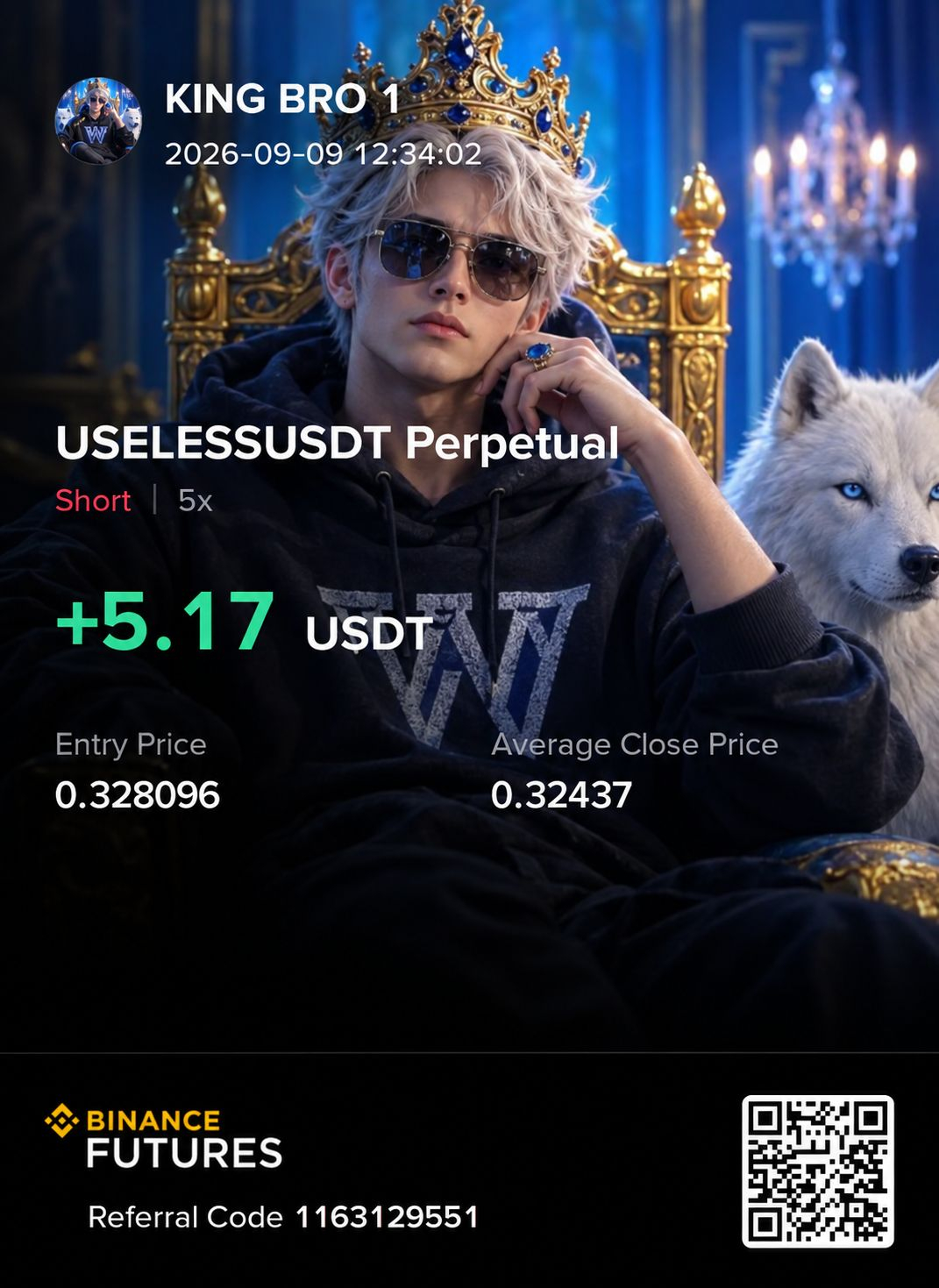
Bullish2000 Gifts are LIVE.🎉🎁
The Square Family is on fire and the red pockets are flying.💯🎊🎁
FOLLOW LIKE COMMENT PLZ 🎉 🎉 🎉 👏
SHARE REPOST 🎉🎉🎉🎉👈
GOOD NIGHT ALL FRIENDS 😘 💤
#solana
#SideSwapSuspendsLiquidServices #IranSaysItHit3USShips3Tankers
#USStrikesTargetsNearHormuzAndJask
#kingbro1
$SOL
$BULLA
$AKE
The Square Family is on fire and the red pockets are flying.💯🎊🎁
FOLLOW LIKE COMMENT PLZ 🎉 🎉 🎉 👏
SHARE REPOST 🎉🎉🎉🎉👈
GOOD NIGHT ALL FRIENDS 😘 💤
#solana
#SideSwapSuspendsLiquidServices #IranSaysItHit3USShips3Tankers
#USStrikesTargetsNearHormuzAndJask
#kingbro1
$SOL
$BULLA
$AKE

NAJAF_加密 143
·
--
‼️$XRP 🐕 Reward is here ‼️
I’m sharing $XRP rewards with the community as a Bigger thank-you.
✨ Just claim your reward and enjoy! ✨
Claim it. Get rewarded
@XRP _ $XRP #xrp
I’m sharing $XRP rewards with the community as a Bigger thank-you.
✨ Just claim your reward and enjoy! ✨
Claim it. Get rewarded
@XRP _ $XRP #xrp


Z O N E P R I M E
·
--
Bullish🎁 ZONE PRIME BNB SURPRISE DROP! 🎁
✨The Red Packet is full and ready to open!✨
👇 Simple Steps to Participate 👇
❤️ Follow ZONE PRIME
🔁 Like & Share
💬 Comment “BNB”
🔔 Stay connected and active for upcoming surprise drops!
#BNB #Crypto #ZONEPRIME #RedPacket #Binance
✨The Red Packet is full and ready to open!✨
👇 Simple Steps to Participate 👇
❤️ Follow ZONE PRIME
🔁 Like & Share
💬 Comment “BNB”
🔔 Stay connected and active for upcoming surprise drops!
#BNB #Crypto #ZONEPRIME #RedPacket #Binance


Hoor 胡尔
·
--
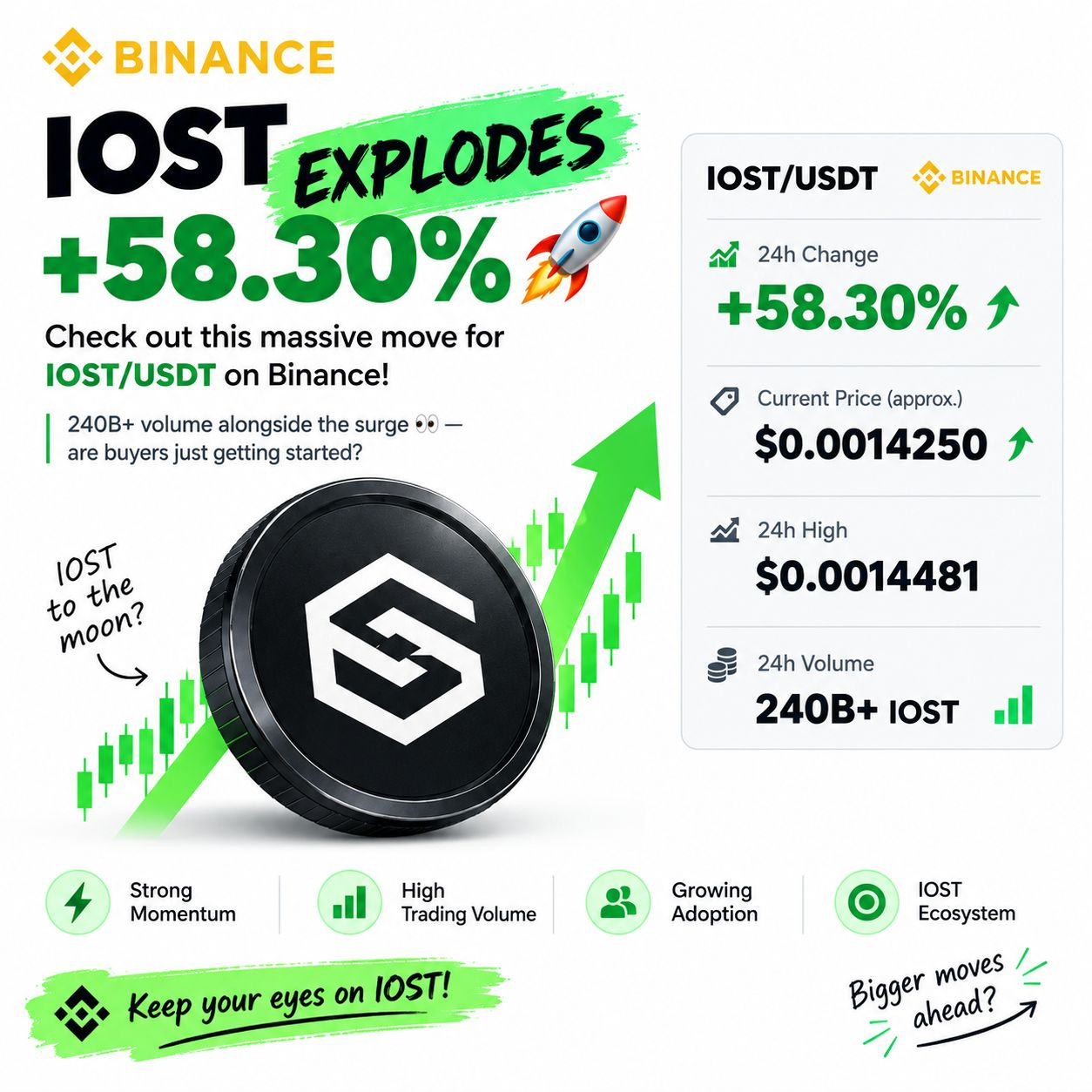
$IOST EXPLODES +58.30%! 🚀
IOST/USDT is making a serious move on Binance! 📊
📈 Price: $0.0014250
🔥 24h High: $0.0014481
💥 24h Volume: 240B+ IOST
That kind of volume alongside a 58%+ surge definitely grabs attention. 👀
Is this just a breakout… or the beginning of a bigger IOST rally? 🤔 🚀
#BR #IOST #OilRisesToHighestSinceJuly #DowFallsOver600Points #altcoins
$RAYSOL
$BR
IOST/USDT is making a serious move on Binance! 📊
📈 Price: $0.0014250
🔥 24h High: $0.0014481
💥 24h Volume: 240B+ IOST
That kind of volume alongside a 58%+ surge definitely grabs attention. 👀
Is this just a breakout… or the beginning of a bigger IOST rally? 🤔 🚀
#BR #IOST #OilRisesToHighestSinceJuly #DowFallsOver600Points #altcoins
$RAYSOL
$BR

Jay_bnb
·
--
Gifts for everyone 🎁🎁🎁🎁
Like + Share + Comment 🎉🎉🎉🎉
Reply in the comments section to get your reward 888 🎁🎁🎁🎁
#REWARDS
$BTC $BNB $ETH
Like + Share + Comment 🎉🎉🎉🎉
Reply in the comments section to get your reward 888 🎁🎁🎁🎁
#REWARDS
$BTC $BNB $ETH


ALONE_21
·
--
claim your free crypto
🎉🎉🎉🎉🎉🎉🎉🎉🎉🎉🎉🎉🎉🎉🎉🎉
🎉🎉🎉🎉🎉🎉🎉🎉🎉🎉🎉🎉🎉🎉🎉🎉


大仁Jaron
·
--
The “sweet spot poison pill” of index weights: SpaceX’s $12.4 billion passive buying is about to collide head-on with a flood of 2.3 billion shares set to be unblocked
A “non-fundamental” rally triggered by index rules
The wave of buying ahead for SpaceX has little to do with its business prospects. It’s more like a mechanical outcome produced after an index construction rule that few people pay attention to gets triggered.
The Nasdaq 100’s quarterly rebalance effective September 21 is expected to raise SpaceX’s weighting from 1.25% to about 1.51%. According to a team led by JPMorgan strategist Min Moon, this adjustment will trigger roughly $12.4 billion in passive net buying.
The direct reason for the jump in weighting is that the free-float ratio has risen from less than 10% after the IPO to nearly 30%—after more than 1 billion shares of lock-up stock are released, the index rules automatically amplify the inclusion weight of this mega-cap with a market value of more than $2 trillion.
The wave of buying ahead for SpaceX has little to do with its business prospects. It’s more like a mechanical outcome produced after an index construction rule that few people pay attention to gets triggered.
The Nasdaq 100’s quarterly rebalance effective September 21 is expected to raise SpaceX’s weighting from 1.25% to about 1.51%. According to a team led by JPMorgan strategist Min Moon, this adjustment will trigger roughly $12.4 billion in passive net buying.
The direct reason for the jump in weighting is that the free-float ratio has risen from less than 10% after the IPO to nearly 30%—after more than 1 billion shares of lock-up stock are released, the index rules automatically amplify the inclusion weight of this mega-cap with a market value of more than $2 trillion.

Nia987
·
--
Red packet dropped 🧧
Follow ✅
Repost ✅
Like ✅
Grab your reward now 🎁
$BNB $VVV $IOST
Follow ✅
Repost ✅
Like ✅
Grab your reward now 🎁
$BNB $VVV $IOST


Ayman-crypto⁰⁹
·
--
🧧 RED PACKET GIVEAWAY! 🚀
Crypto is more than candles and charts. It’s about people, ideas, and growing together. 🤝❤️
As a small thank-you for your support, I’m sharing Red Packets with the community today! 🎁
🎯 Want to join?
❤️ Like this post
🔁 Repost & share it with your friends
👥 Follow my profile
💬 Comment “YES” below
🍀 Good luck, everyone!
Stay sharp. Learn every day. Trade smart. 📈🔥
$BNB
#BinanceSquare #RedPacket #Web3 #Giveaway #CryptoCommunity
Crypto is more than candles and charts. It’s about people, ideas, and growing together. 🤝❤️
As a small thank-you for your support, I’m sharing Red Packets with the community today! 🎁
🎯 Want to join?
❤️ Like this post
🔁 Repost & share it with your friends
👥 Follow my profile
💬 Comment “YES” below
🍀 Good luck, everyone!
Stay sharp. Learn every day. Trade smart. 📈🔥
$BNB
#BinanceSquare #RedPacket #Web3 #Giveaway #CryptoCommunity

KING BRO 1
·
--
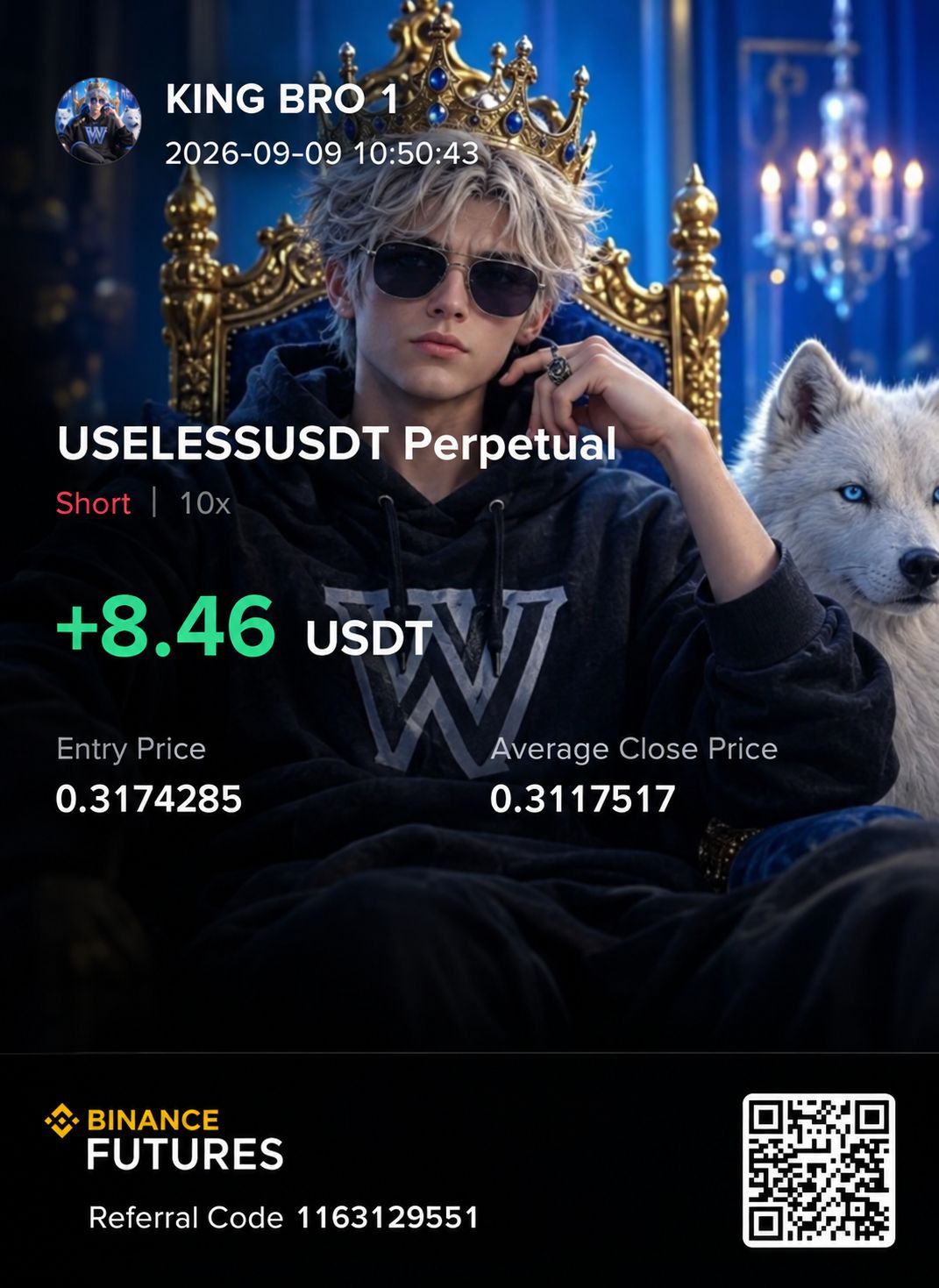
Bullish2000 Gifts are LIVE.🎉🎁
The Square Family is on fire and the red pockets are flying.💯🎊🎁
FOLLOW LIKE COMMENT PLZ 🎉 🎉 🎉 👏
SHARE REPOST 🎉🎉🎉🎉👈
GOOD NIGHT ALL FRIENDS 😘 💤 💤 💤 💤
#solana
#SideSwapSuspendsLiquidServices #IranSaysItHit3USShips3Tankers #RussiaUkraineTradeStrikesKushnerWitkoffToKyiv
#kingbro1
$SOL
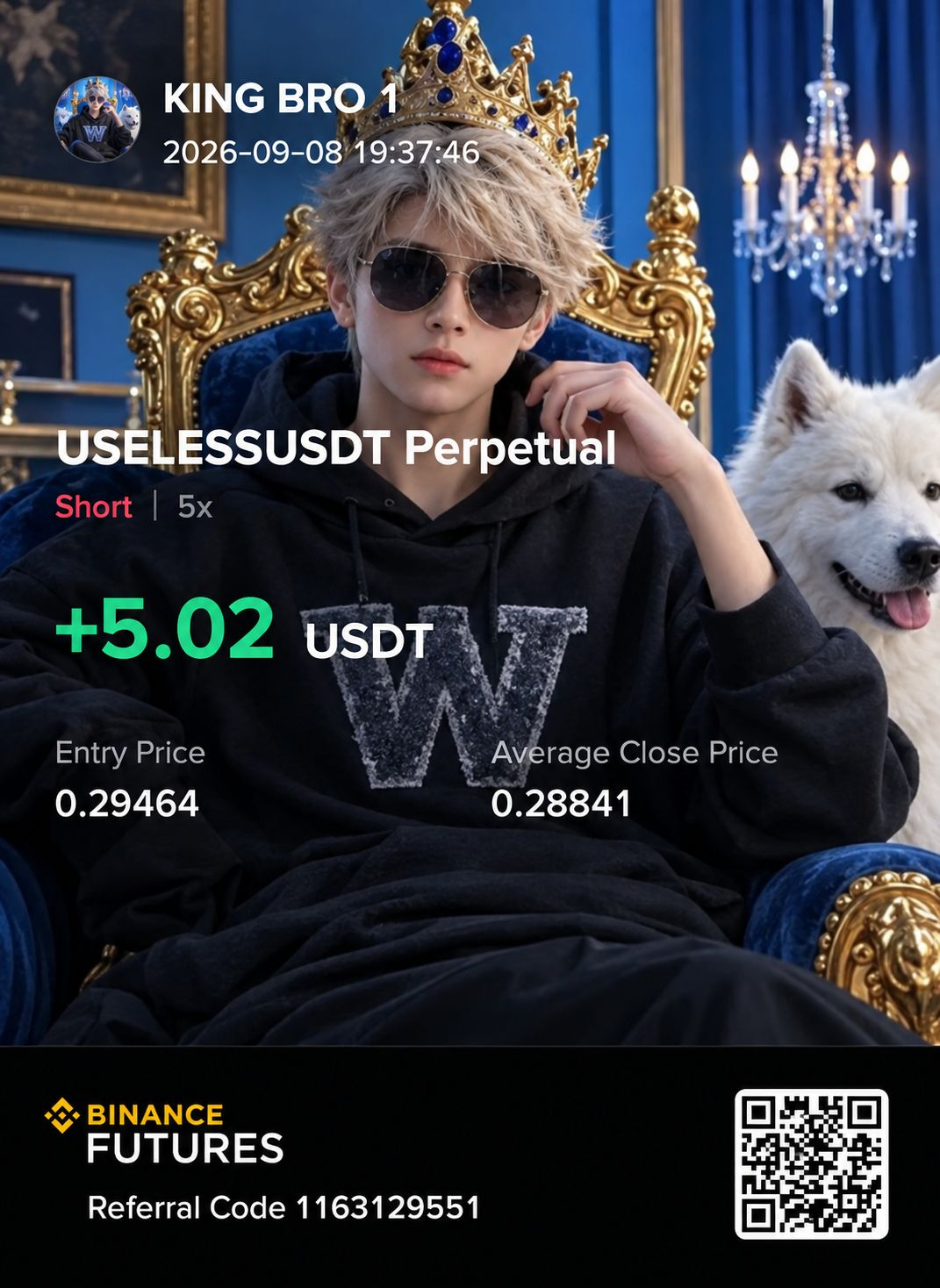
$USELESS
$VVV
The Square Family is on fire and the red pockets are flying.💯🎊🎁
FOLLOW LIKE COMMENT PLZ 🎉 🎉 🎉 👏
SHARE REPOST 🎉🎉🎉🎉👈
GOOD NIGHT ALL FRIENDS 😘 💤 💤 💤 💤
#solana
#SideSwapSuspendsLiquidServices #IranSaysItHit3USShips3Tankers #RussiaUkraineTradeStrikesKushnerWitkoffToKyiv
#kingbro1
$SOL
$USELESS
$VVV

Shaheen 69
·
--
Bullish🎁 A little red packet of Ethereum with a lot of RESPECT ❤️
This is my small gesture of love and gratitude to my amazing community, supporters, friends, and well-wishers. 🙏
May this ETH bring you happiness, prosperity, success, and good fortune. 🌟
Keep supporting, keep believing, and let’s grow together! 🚀
With love & respect — Shaheen69 ❤️
$ETH
This is my small gesture of love and gratitude to my amazing community, supporters, friends, and well-wishers. 🙏
May this ETH bring you happiness, prosperity, success, and good fortune. 🌟
Keep supporting, keep believing, and let’s grow together! 🚀
With love & respect — Shaheen69 ❤️
$ETH
Log in to explore more content