
A netizen bought Nvidia stock for $1,100 in high school and held it for 24 years.
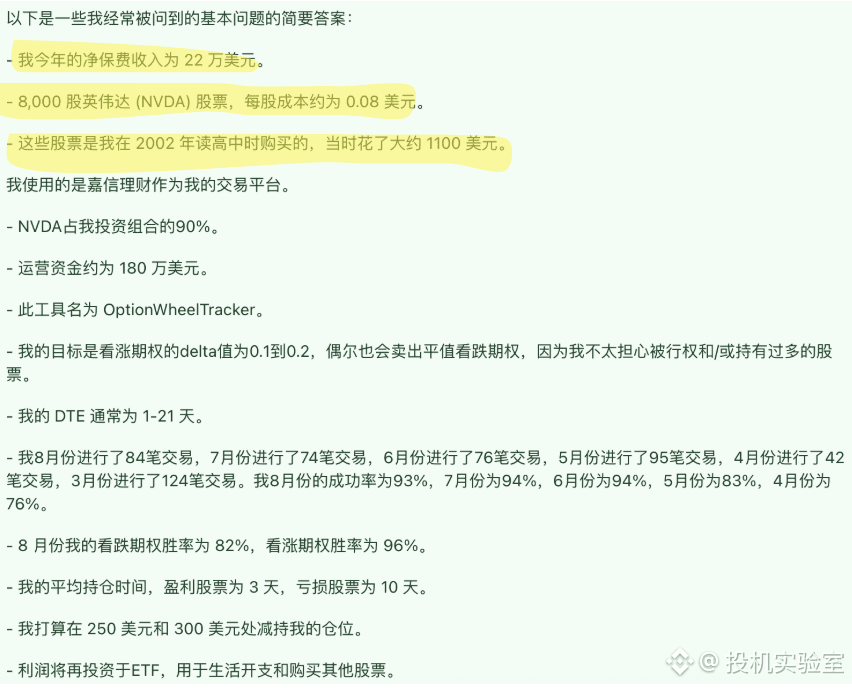
Now those shares have grown into 8,000 shares, worth about $1.8 million.
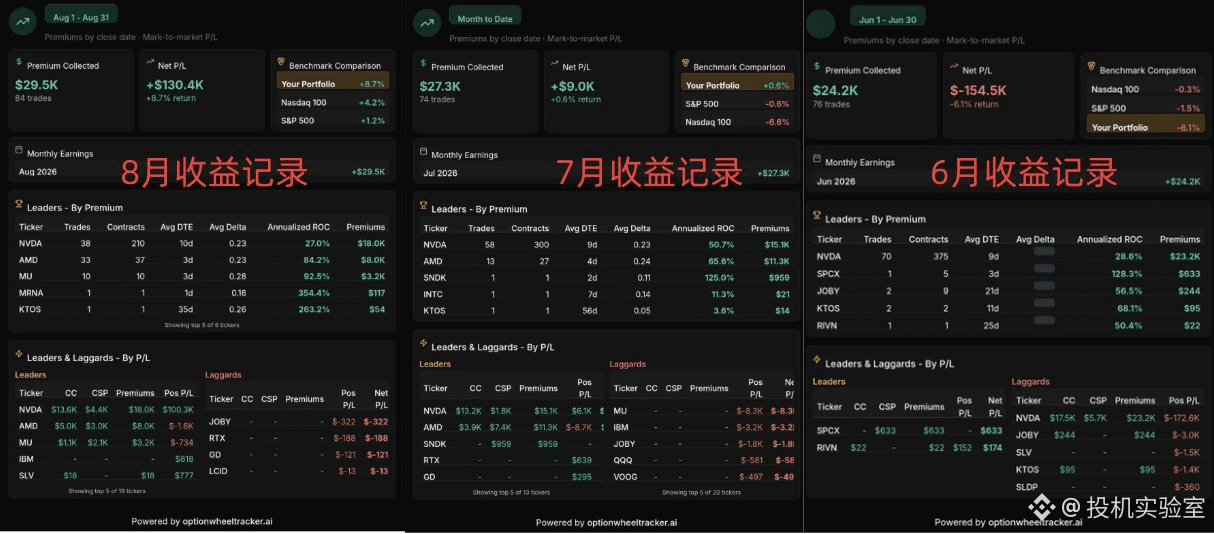
This year, he sold options around those holdings and collected another $220,000 in net premium.
That $1,100 originally bought only 90 shares. Along the way, he sold a very small portion, and the remaining shares went through several stock splits, bringing the adjusted cost basis down to $0.08 per share.
After that, he never added to this long-term position again. Any new money was used to buy ETFs and other companies, but no matter how much the other holdings increased, they could not keep up with Nvidia’s rise.
During this period, Nvidia fell by half two or three times, and his financial advisor repeatedly urged him to reduce the position, but he kept the remaining shares. More than 20 years later, the original $1,100 purchase of Nvidia ended up accounting for 90% of his entire account. Last October, this batch of shares he had held for more than two decades began generating cash income for him again.
He used his existing holdings to sell call options, first collecting a premium. After the sold put options were exercised, he took delivery of the shares and continued selling calls. Part of the money he received was used to buy ETFs and other stocks, and part of it was used directly for living expenses.
He also did not want the earliest batch of low-cost shares to be called away. Once a sold call option might trigger delivery, he would spend money to buy it back, and sometimes he would use margin to buy even more Nvidia. By the end of August, in addition to the 8,000-share core position, he also held 5,000 shares of Nvidia bought on margin, and he had to pay interest on these shares every month.
In August alone, he received $29,500 in premium, margin interest took away $5,800, and he ultimately made a profit of $23,700. Entering September, he first sold 2,000 shares from the margin position, while the 8,000 shares of Nvidia he had held for 24 years still remained in the account.
$NVDAB
Now those shares have grown into 8,000 shares, worth about $1.8 million.
This year, he sold options around those holdings and collected another $220,000 in net premium.
That $1,100 originally bought only 90 shares. Along the way, he sold a very small portion, and the remaining shares went through several stock splits, bringing the adjusted cost basis down to $0.08 per share.
After that, he never added to this long-term position again. Any new money was used to buy ETFs and other companies, but no matter how much the other holdings increased, they could not keep up with Nvidia’s rise.
During this period, Nvidia fell by half two or three times, and his financial advisor repeatedly urged him to reduce the position, but he kept the remaining shares. More than 20 years later, the original $1,100 purchase of Nvidia ended up accounting for 90% of his entire account. Last October, this batch of shares he had held for more than two decades began generating cash income for him again.
He used his existing holdings to sell call options, first collecting a premium. After the sold put options were exercised, he took delivery of the shares and continued selling calls. Part of the money he received was used to buy ETFs and other stocks, and part of it was used directly for living expenses.
He also did not want the earliest batch of low-cost shares to be called away. Once a sold call option might trigger delivery, he would spend money to buy it back, and sometimes he would use margin to buy even more Nvidia. By the end of August, in addition to the 8,000-share core position, he also held 5,000 shares of Nvidia bought on margin, and he had to pay interest on these shares every month.
In August alone, he received $29,500 in premium, margin interest took away $5,800, and he ultimately made a profit of $23,700. Entering September, he first sold 2,000 shares from the margin position, while the 8,000 shares of Nvidia he had held for 24 years still remained in the account.
$NVDAB