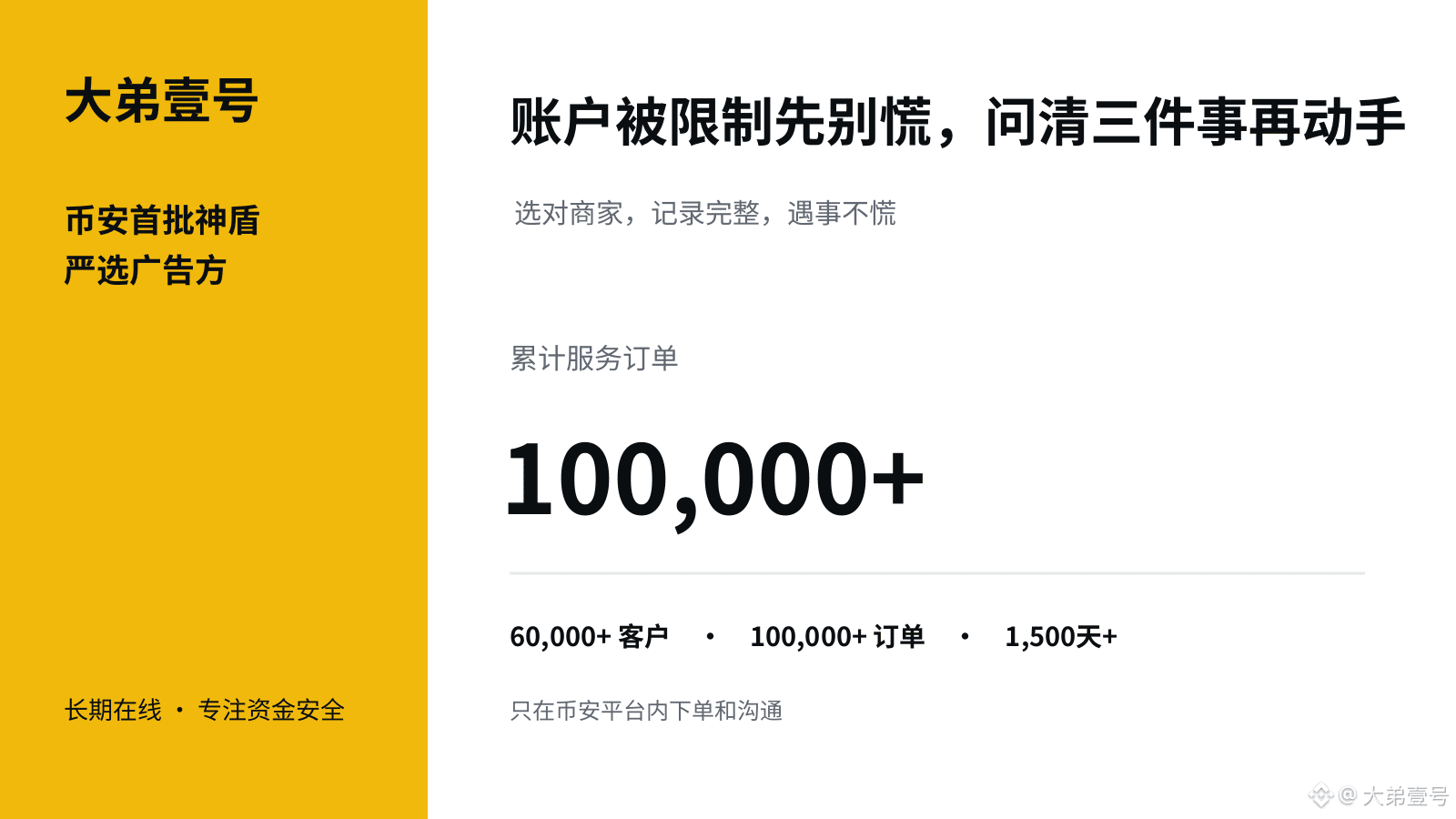
After your bank card is restricted, the first thing to do is not to think about how to transfer the money out, but to first clarify the restriction type, duration, and the contacting authority. Many people panic as soon as they see account abnormalities, rush to delete chat records, transfer U to another card, or even argue with merchants, and end up scaring themselves before they have even asked all the relevant information; in the end, a small issue gets turned into a big trouble. A bank restriction always has a specific trigger and scope. Only by asking whether it is just a non-counter service suspension or a freeze on funds, how long the restriction will last, and which authority requested it can you judge how to cooperate next, instead of blindly acting and wiping out normal transaction records. These records are actually the key to proving your innocence: orders, payment receipts, platform chats—do not delete any of them. So from the very beginning, when choosing a merchant, you must stick to a few hard standards: prioritize merchants who are online for long periods, have stable transaction records, use real-name payment and receipt, have clear procedures, and are included in platform protection. For merchants like this, every transfer and every conversation you make has a complete chain of evidence. If the bank ever asks, you can produce complete proof and won’t be left helpless. Keep your records well in normal times, and you won’t panic when problems arise. If your account becomes abnormal, confirm first and then handle it; that is more useful than any temporary fix.
For withdrawals, find Da Di No. 1. An early selected Ad partner for Binance Shendun, focused on fund safety, and has signed the platform’s selected merchant freeze 100% compensation agreement. Please go to the homepage and follow, and contact me directly when needed.
$USDT $BTC
For withdrawals, find Da Di No. 1. An early selected Ad partner for Binance Shendun, focused on fund safety, and has signed the platform’s selected merchant freeze 100% compensation agreement. Please go to the homepage and follow, and contact me directly when needed.
$USDT $BTC