

$BTC In the same week as the surge, gold $XAU rose 5.6%, while Nasdaq fell 2.1%.
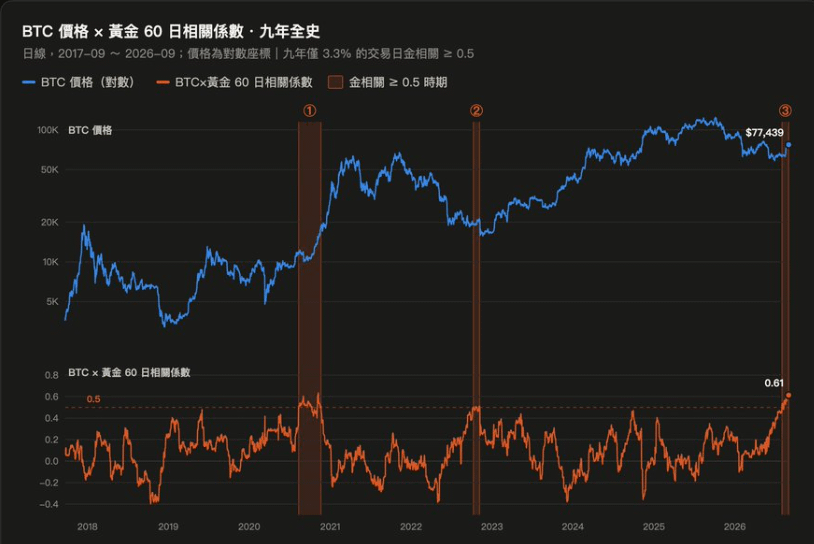
Since BTC began recording trading data, there have only been two periods in history where it exceeded 0.5: August 2020 and October 2022
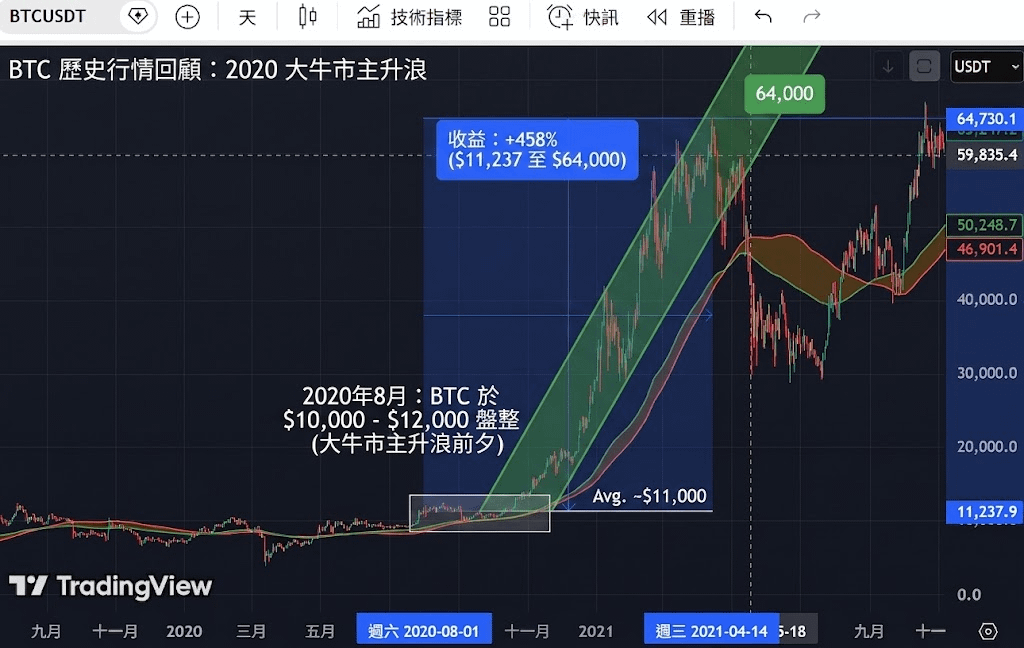
In August 2020, BTC was still moving sideways around $10,000 to $12,000. A few months later, it broke above its previous high and eventually surged all the way to $64,000, for a maximum gain of +458%
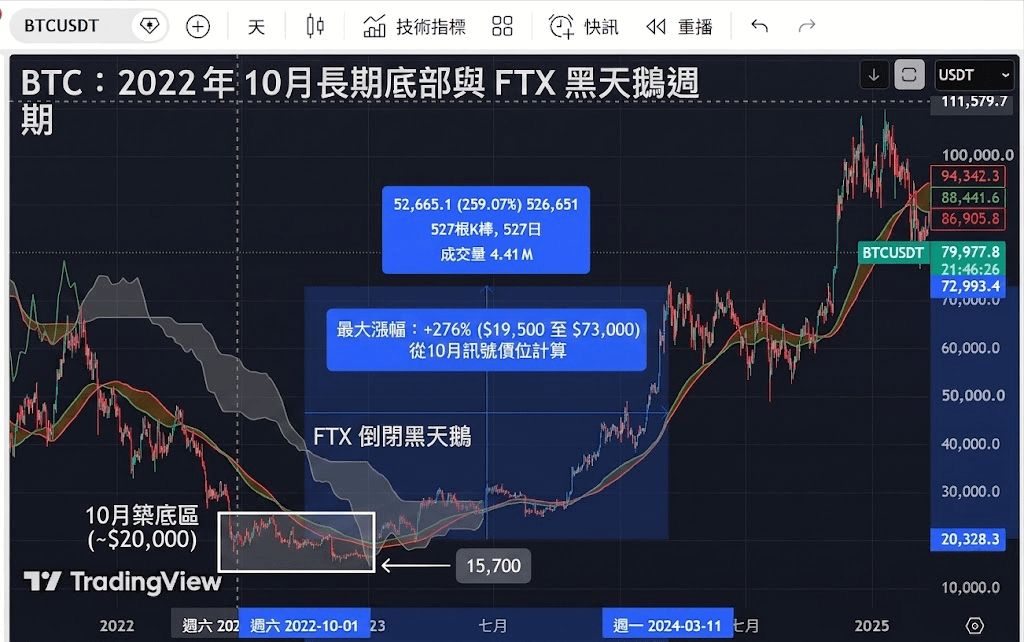
In October 2022, BTC formed a bottom around $20,000. Calculated from the signal price at that time to the subsequent 73K high, the maximum gain reached +276%
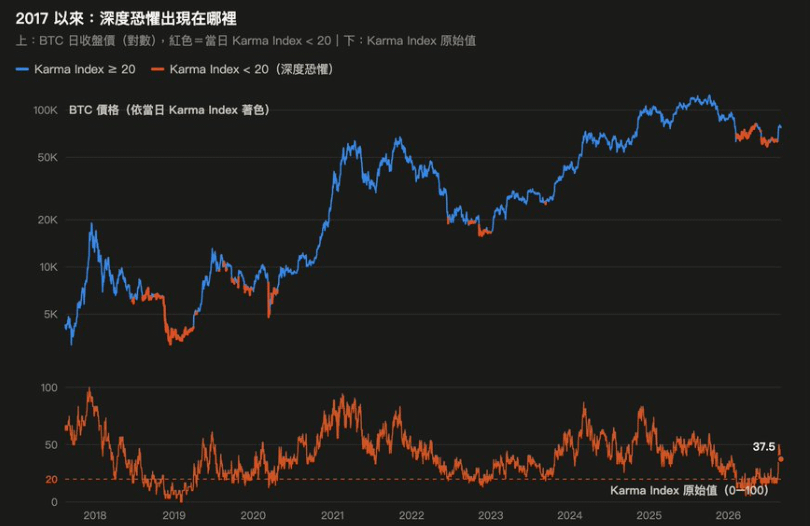
The Karma Index combines market sentiment and cycle position, integrating market liquidity, funding rates, on-chain cost basis, App rankings, and search popularity into a 0 to 100 market thermometer used to measure the position of the larger cycle. Above 80 indicates overheating, while below 20 indicates extreme panic
Before this rally, the Karma Index stayed at low levels for a long time, and during that period it also repeatedly fell into the extreme panic zone below 20, similar to the sentiment characteristics of important bottoms in the past.
Two things can be summarized:
First, the correlation between BTC and gold has risen to a historically rare level. In the past, when this signal appeared after a steep pullback, it almost always landed near an important bottom.
Second, the Karma Index shows that this round of shakeout has already been quite sufficient. Historically, after the market has stayed depressed for a long time and then surges sharply, the subsequent performance is usually much better than simply chasing higher prices.
In this round of the bull market, I think the situation is a bit different.
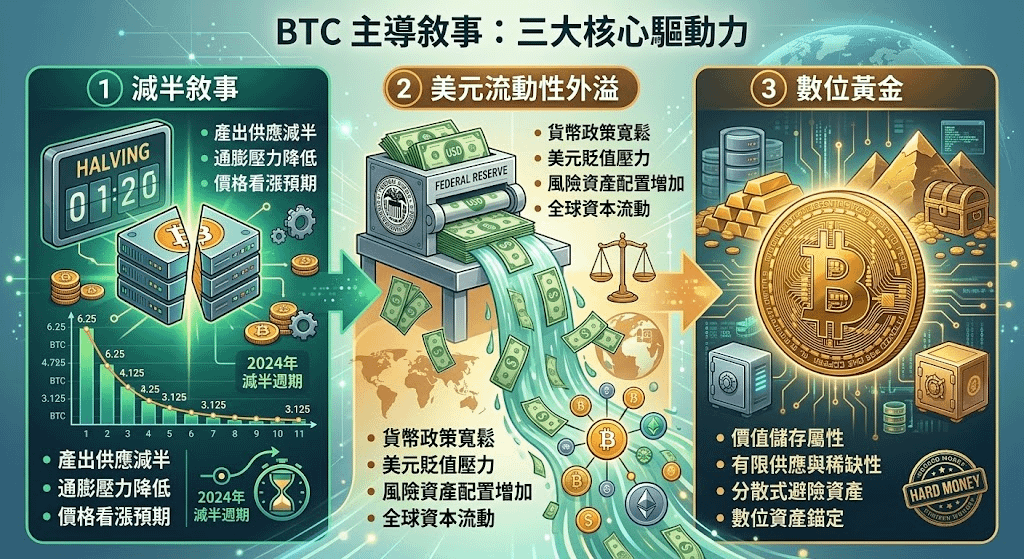
In past BTC bull markets, the main fuel for the rise came from
1 the halving narrative
2 dollars of liquidity spillover
3 digital gold.
The reason this time is different
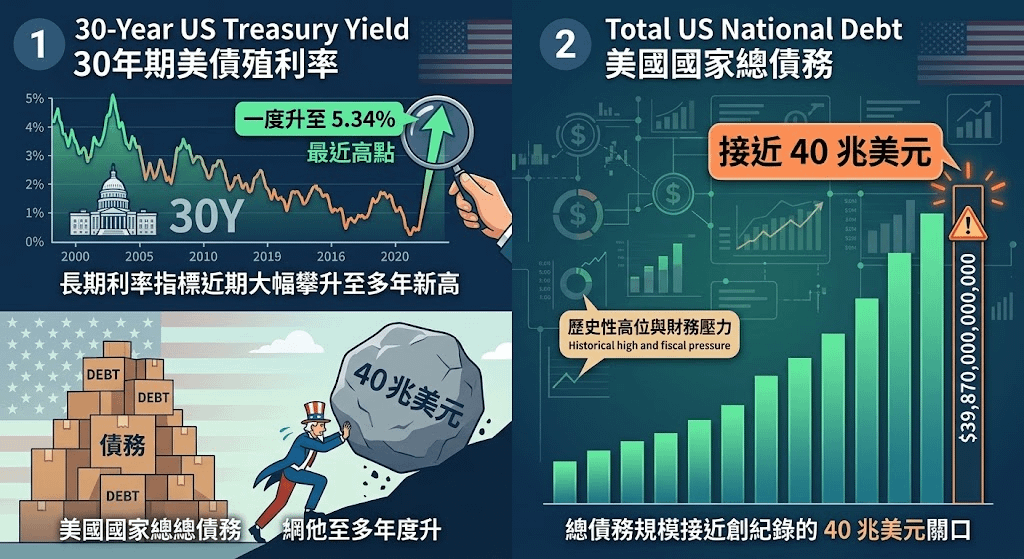
1The 30-year U.S. Treasury yield once rose to 5.34%
2The United States is now carrying nearly 40 trillion dollars in debt
In the end, America’s debt problem will probably be traded into two paths.
The first path, relying on AI.
The second path, through monetary expansion and inflation.
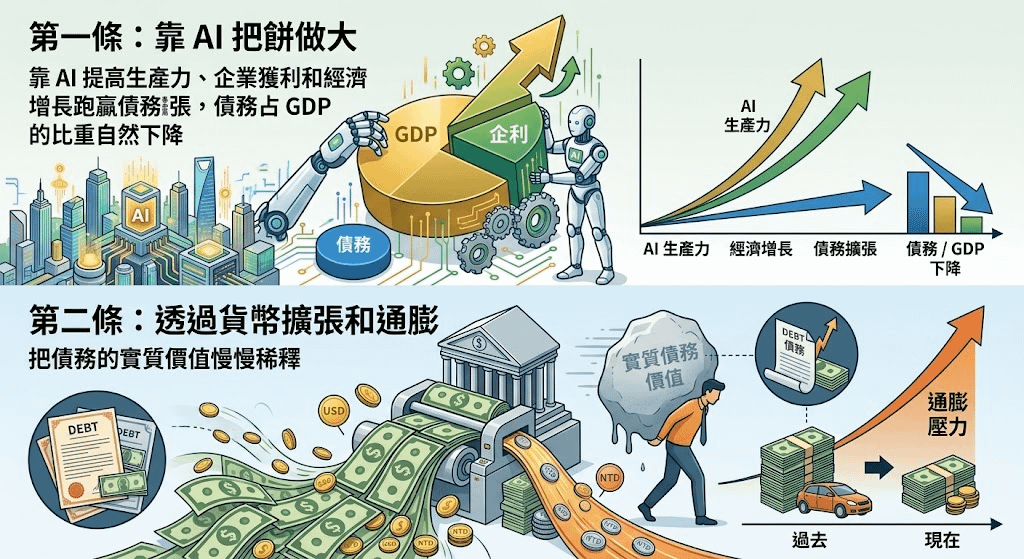
Over the past few years, the market has bet a lot of capital on the first path
The scope of the second problem is very broad: how much purchasing power is left in the money you hold? Under continued currency dilution, capital will naturally look for assets with limited supply that cannot be arbitrarily expanded. Gold is the most traditional answer. BTC is becoming another answer. In this round, there is also a compliant entry point that can absorb large amounts of capital. The spot ETF approved in the previous round ($ETH ) has truly paved the way. Now, asset managers, family offices, pension funds, and even ordinary brokerage accounts can directly allocate BTC using familiar financial instruments.
This round of BTC is beginning to take on, in global asset allocation, the hedging demand against currency credit, sovereign debt, and declining purchasing power. That could be the largest wave of capital in BTC history.
What we are seeing now is very likely only the beginning of a major bull market.