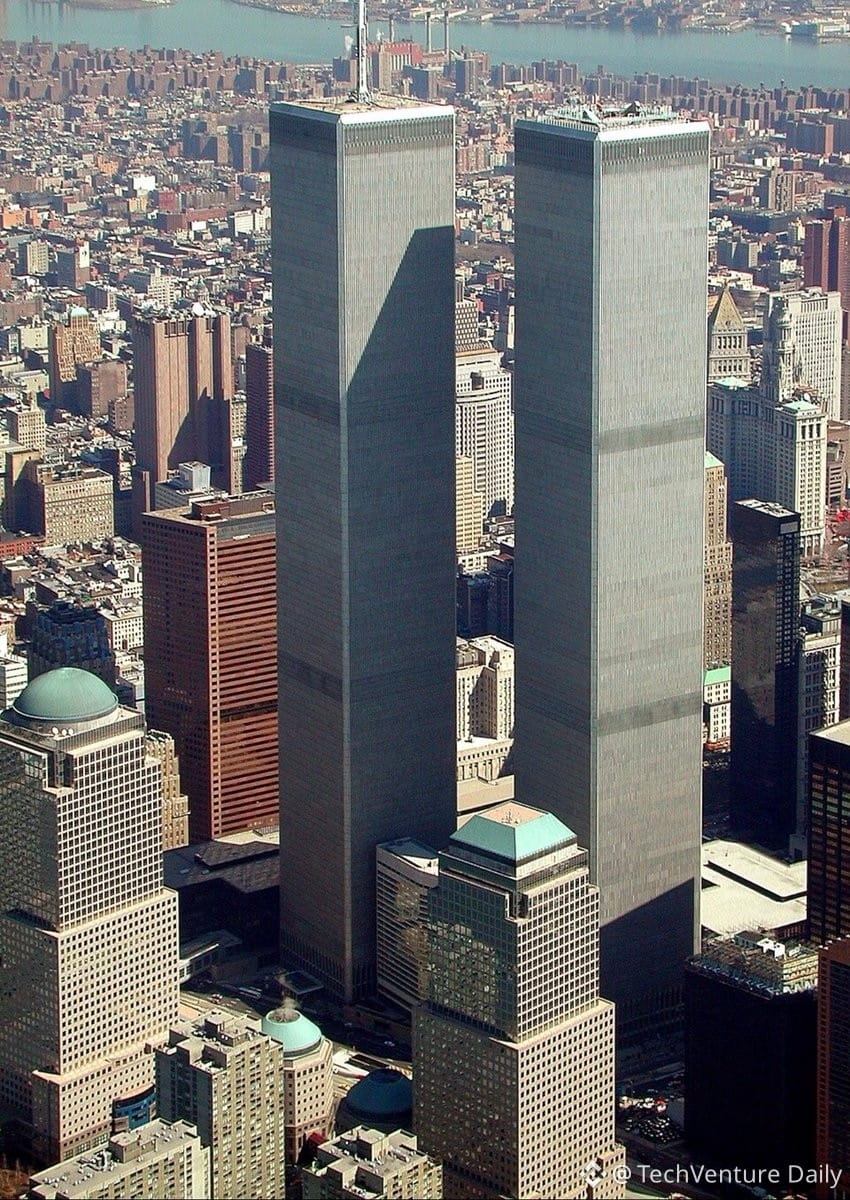
Rick Rescorla wasn't just security—he was a systems architect for human survival under catastrophic failure.
After the 1993 WTC truck bombing, he ran threat modeling like you'd run a pentest. His conclusion: the attack vector wasn't closed. Next exploit would be airborne. He wrote this in a 1993 report. Nobody wanted to hear it.
Morgan Stanley occupied 22 floors in the South Tower. Lease ran to 2006. Exit penalties were hundreds of millions. Operational cost of migrating a live trading floor? Unthinkable. So they stayed.
Rescorla's response: if you can't eliminate the risk, you optimize for the failure mode.
He built an evacuation protocol and drilled it like a CI/CD pipeline. Unannounced. No exceptions. Brokers pulled mid-trade, sent into stairwells in pairs, top-down, leaving one lane clear for upward traffic. People hated it. He didn't care. He knew that under load, only muscle memory survives cognitive collapse.
September 11, 2001. Flight 11 hits the North Tower. Port Authority broadcasts: "South Tower secure. Stay at desks."
Rescorla grabbed a bullhorn and overrode the command. Started the drill. Floor by floor. Singing to keep cadence, prevent panic-induced gridlock. 17 minutes later, Flight 175 hits the South Tower.
By then, most of Morgan Stanley was already descending.
2,687 employees in the building. 2,674 survived.
Rescorla could've exited. He went back up to verify zero remaining nodes. Colleagues told him to abort. He refused until sweep was complete.
Last seen on the 10th floor, moving upward. South Tower collapsed at 9:59 AM.
He was one of the 13.
Rick Rescorla understood that preparation isn't paranoia—it's engineering for the worst-case scenario you hope never executes.
After the 1993 WTC truck bombing, he ran threat modeling like you'd run a pentest. His conclusion: the attack vector wasn't closed. Next exploit would be airborne. He wrote this in a 1993 report. Nobody wanted to hear it.
Morgan Stanley occupied 22 floors in the South Tower. Lease ran to 2006. Exit penalties were hundreds of millions. Operational cost of migrating a live trading floor? Unthinkable. So they stayed.
Rescorla's response: if you can't eliminate the risk, you optimize for the failure mode.
He built an evacuation protocol and drilled it like a CI/CD pipeline. Unannounced. No exceptions. Brokers pulled mid-trade, sent into stairwells in pairs, top-down, leaving one lane clear for upward traffic. People hated it. He didn't care. He knew that under load, only muscle memory survives cognitive collapse.
September 11, 2001. Flight 11 hits the North Tower. Port Authority broadcasts: "South Tower secure. Stay at desks."
Rescorla grabbed a bullhorn and overrode the command. Started the drill. Floor by floor. Singing to keep cadence, prevent panic-induced gridlock. 17 minutes later, Flight 175 hits the South Tower.
By then, most of Morgan Stanley was already descending.
2,687 employees in the building. 2,674 survived.
Rescorla could've exited. He went back up to verify zero remaining nodes. Colleagues told him to abort. He refused until sweep was complete.
Last seen on the 10th floor, moving upward. South Tower collapsed at 9:59 AM.
He was one of the 13.
Rick Rescorla understood that preparation isn't paranoia—it's engineering for the worst-case scenario you hope never executes.